Daily coverage from across the country, written for the expat community
Results for “transportation”Clear
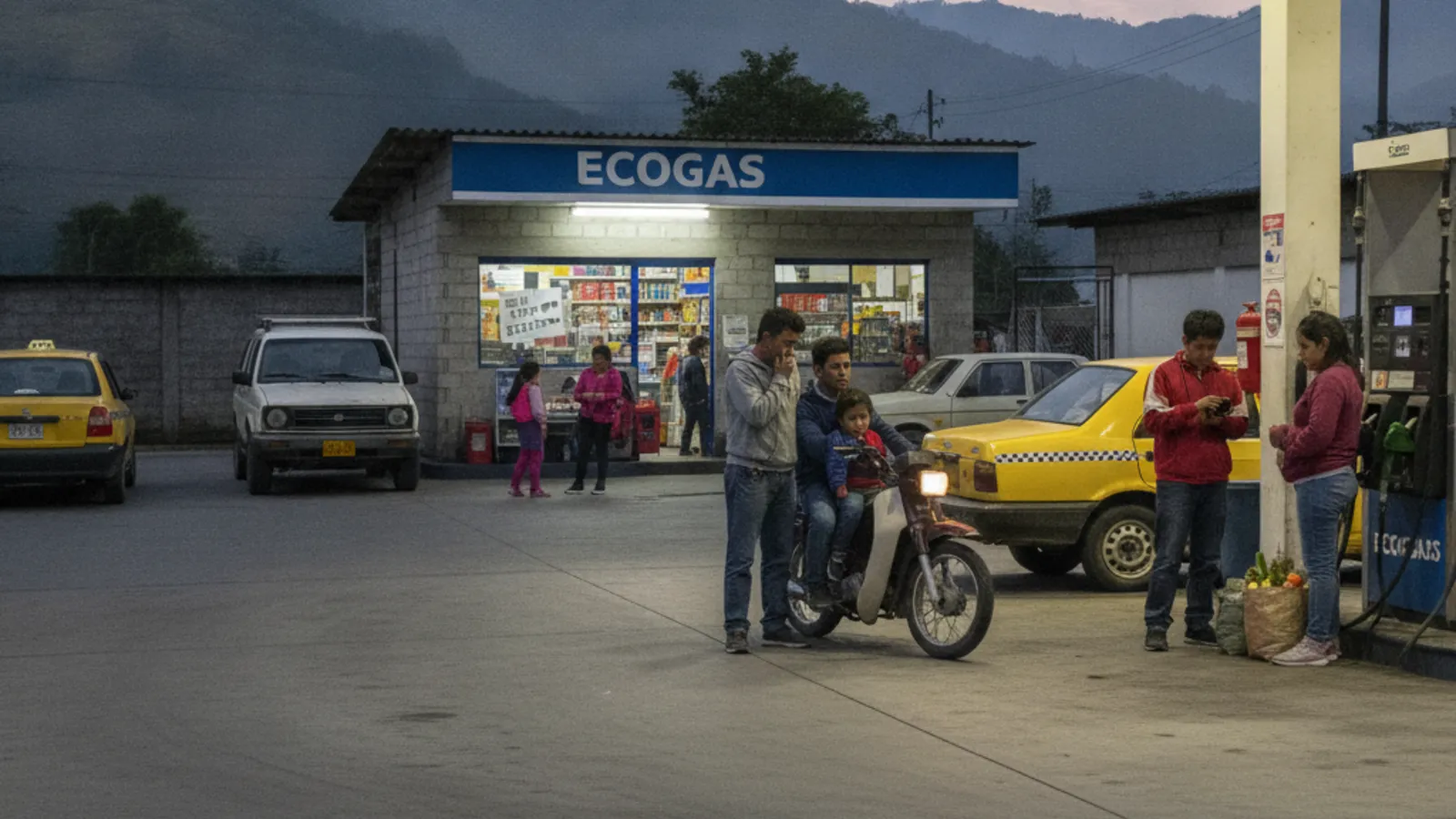
Extra, Ecopaís and diesel are expected to drop by about five cents per gallon from Sunday, July 12. The change follows Decreto Ejecutivo 444 and applies inside Ecuador’s fuel-price band system.
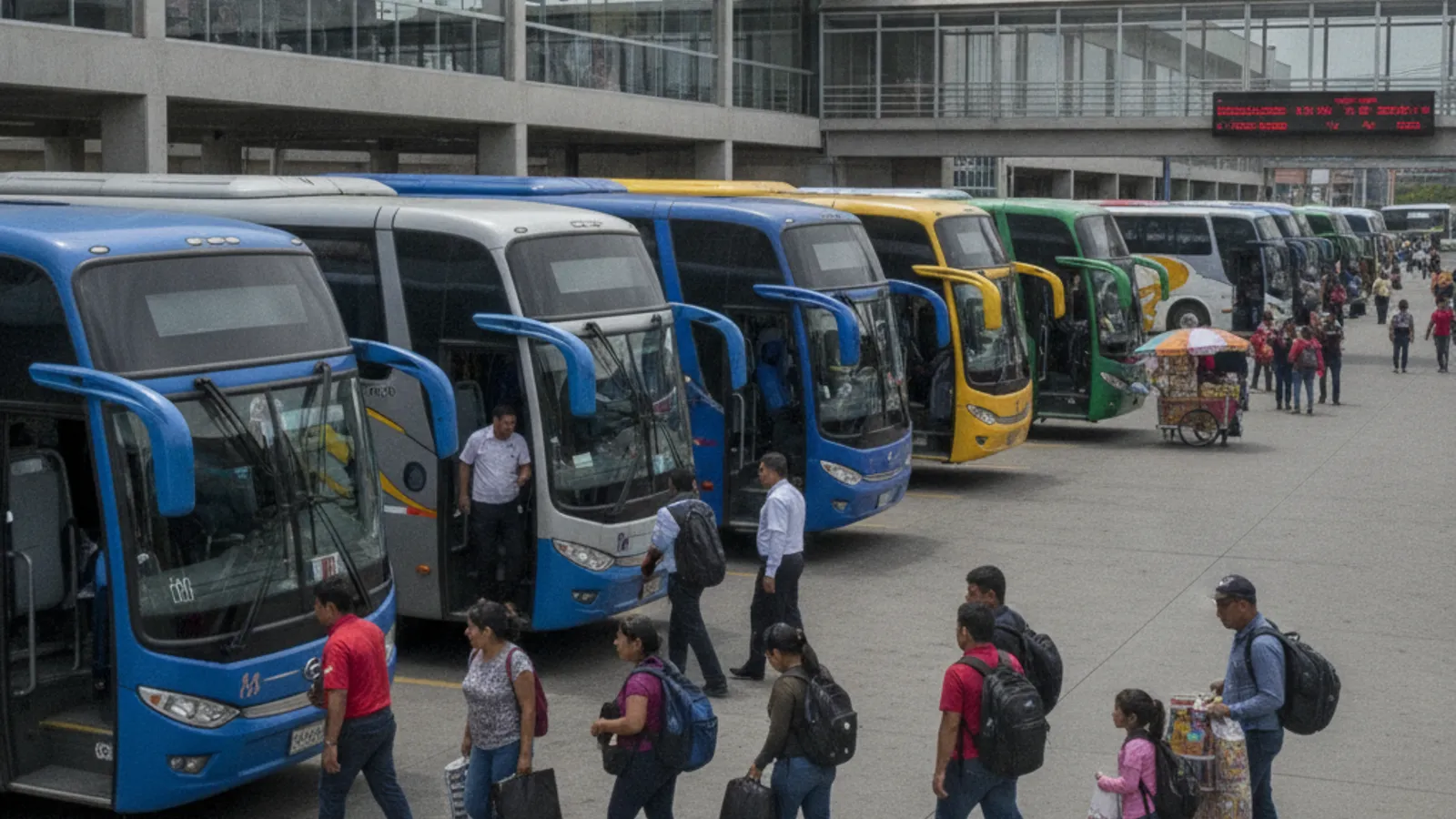
Interprovincial buses were operating normally Friday morning after Fenacotip called off its planned July 3 stoppage. Travelers should still watch the fare talks now moving to technical tables with ANT.
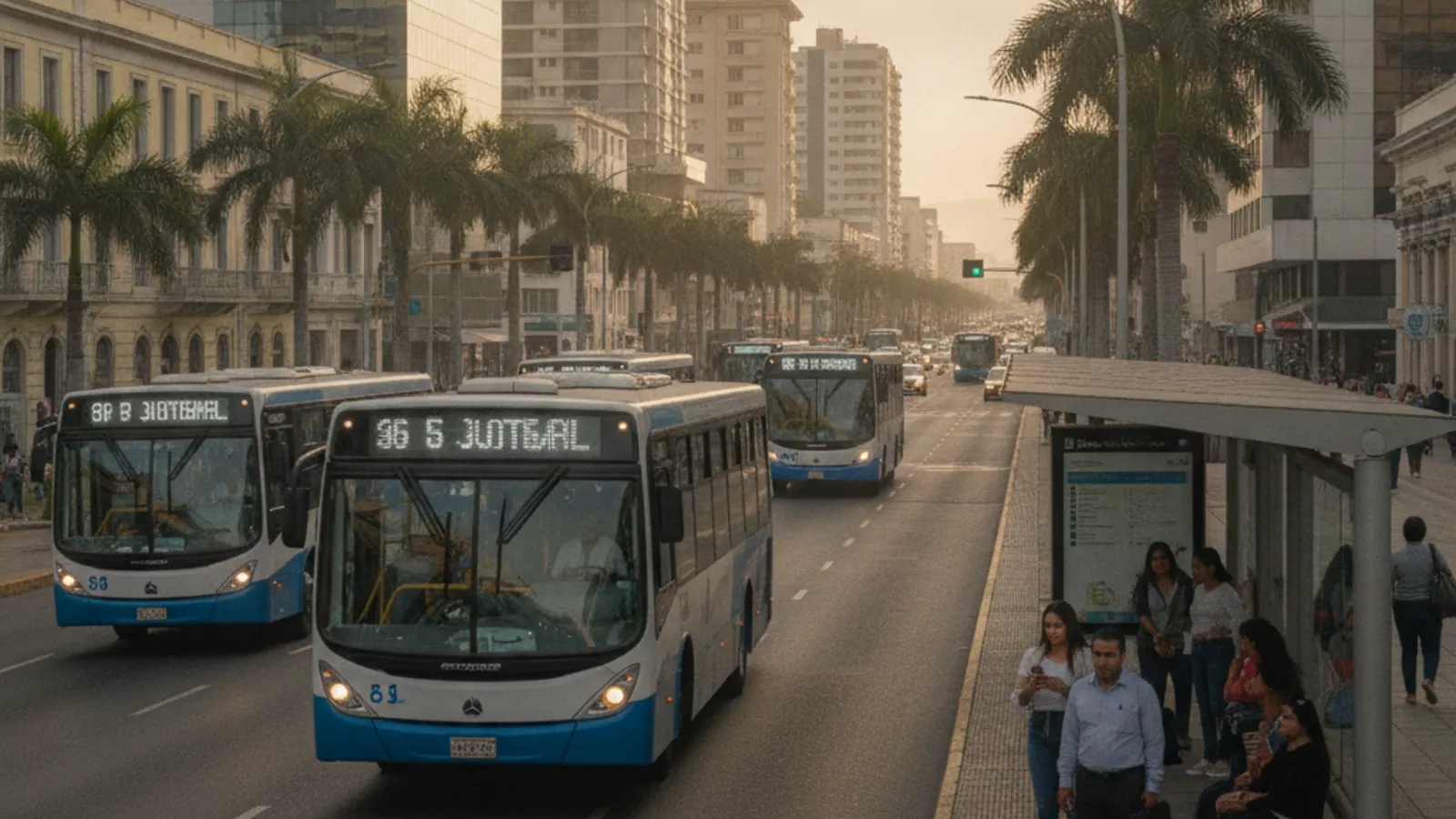
Guayaquil riders will keep paying 30 cents for the first 180 days after the ordinance is published. After that transition, fares depend on whether each bus unit completes the required modernization process.
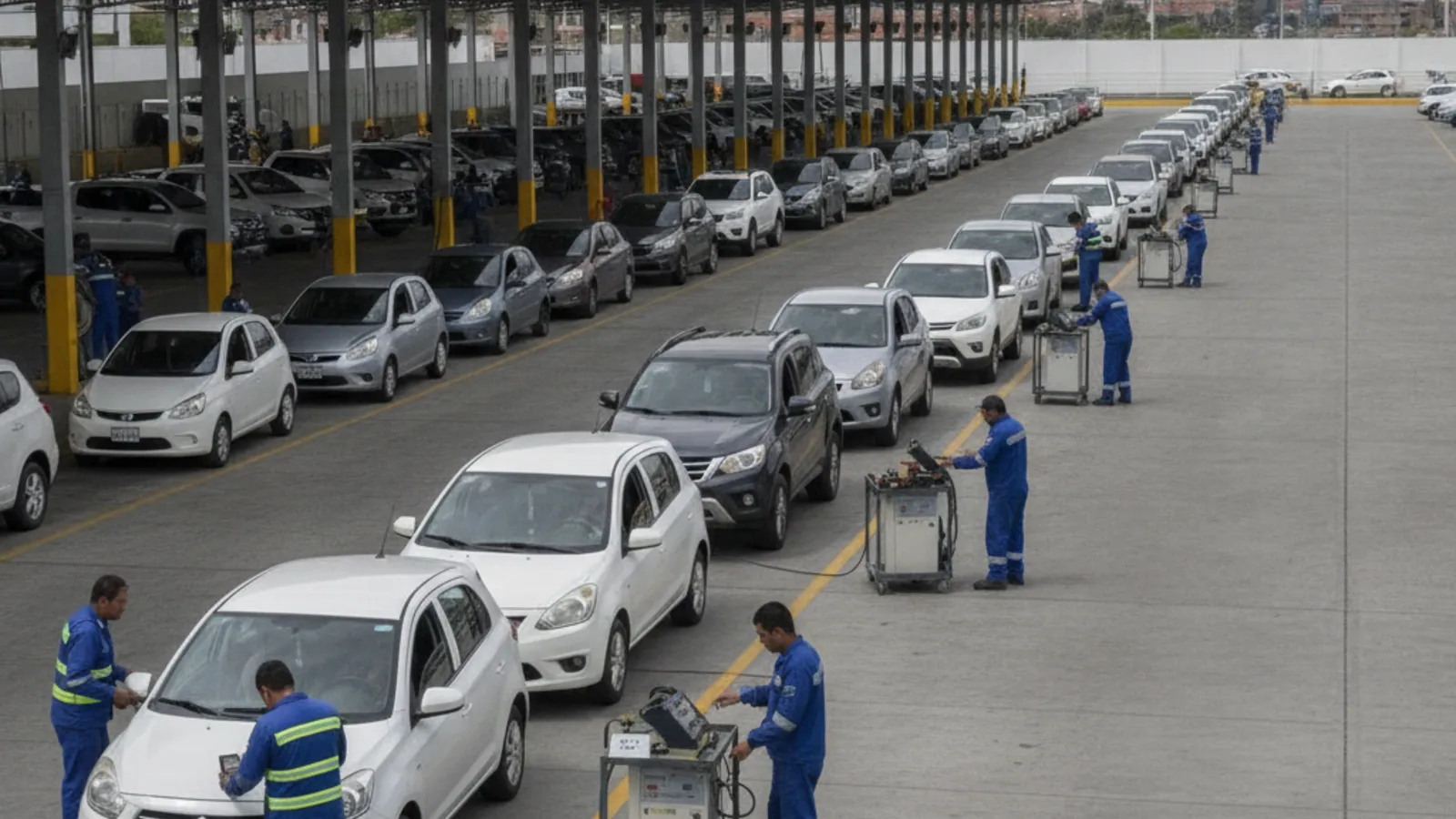
Quito's technical vehicle review and registration calendar moves to plates ending in 6 during July. Drivers must clear pending obligations before booking an appointment, and late review can trigger fines.
Guayaquil’s Aerovia fare rises on July 1, 2026. The regular fare will be $0.76, while the reduced fare for priority groups will be $0.38.
Ecuador’s National Transit Agency suspended public attention for the June 26 holiday and canceled its June 27 special service day. Licenses expiring between June 26 and June 30 remain valid through August 31, 2026.
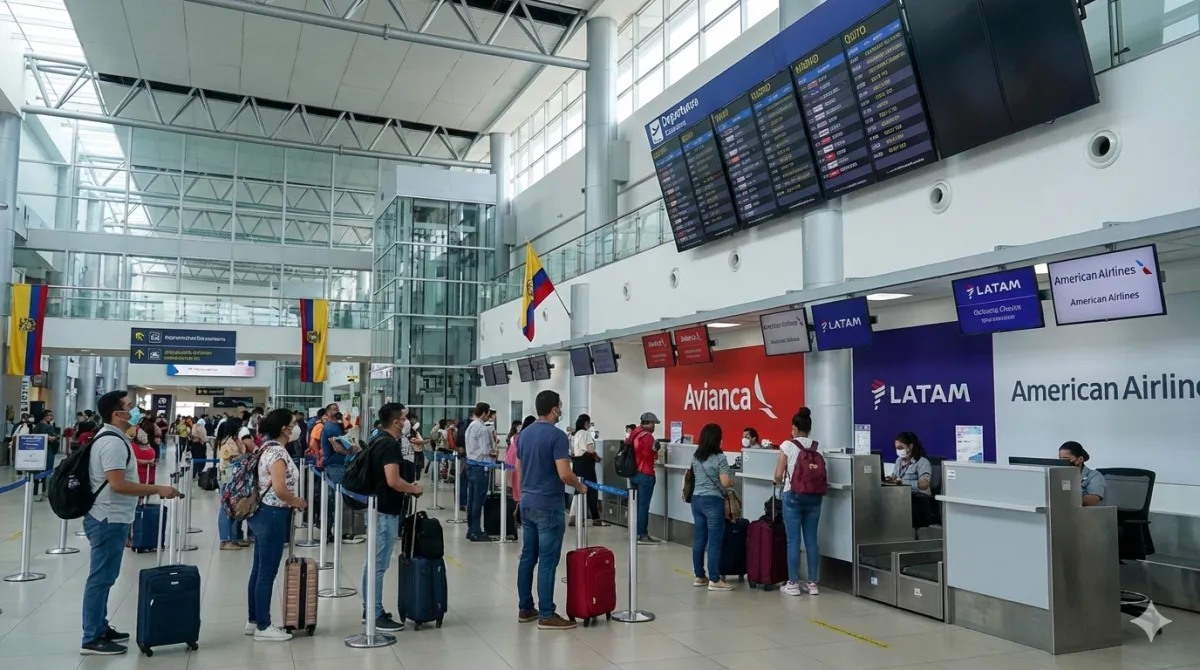
Guayaquil airport officials said the Jose Joaquin de Olmedo terminal remained operational for domestic and international flights after a June 17 shooting outside the airport. Access was temporarily restricted while police worked the scene, but authorities said passengers inside the building were safe.
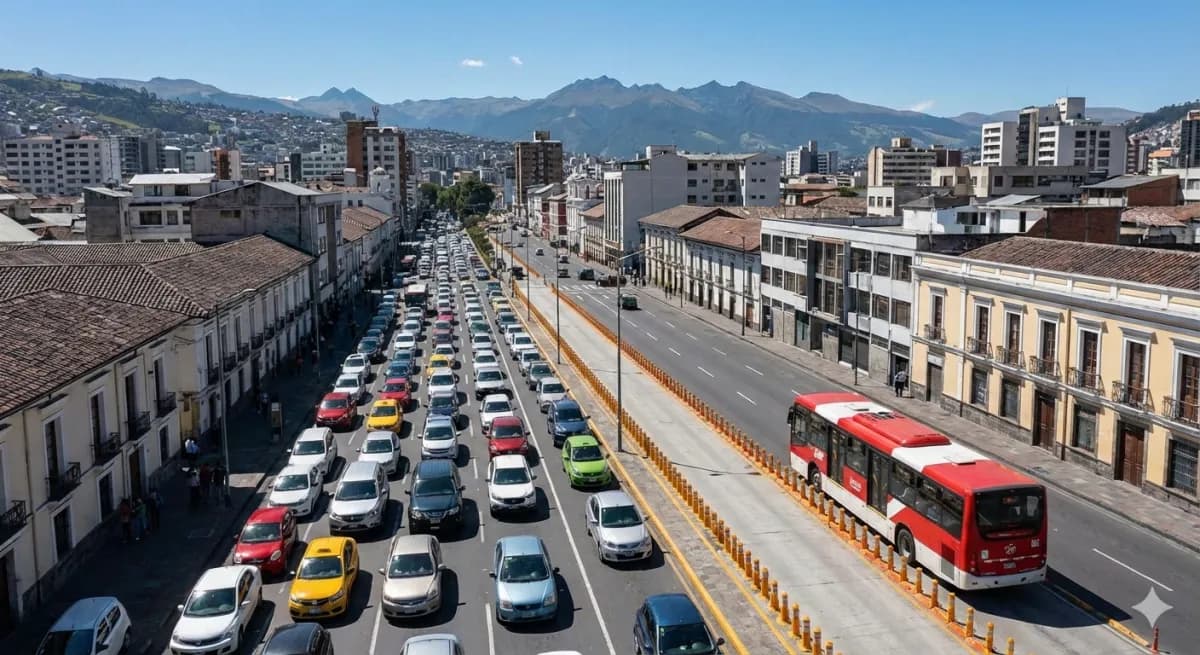
Public transport is still Quito’s main way to move, but new data show riders shifting toward private options. Around 64% of Quito residents still use public transport, while apps, taxis and motorcycles are gaining ground because of safety, comfort and service concerns.
The SRI is applying stricter controls to IVA refund requests in 2026. Older adults can recover up to $144.60 per month, but invoices must use a cedula, be for personal consumption, and fit accepted categories such as food, clothing, health, education and construction.
Ecuador’s Jóvenes en Acción program is expanding from 80,000 to 150,000 beneficiaries. Registration opened June 16 for vulnerable young adults ages 18 to 29, with selected participants receiving three $400 transfers over three months after completing assigned activities.
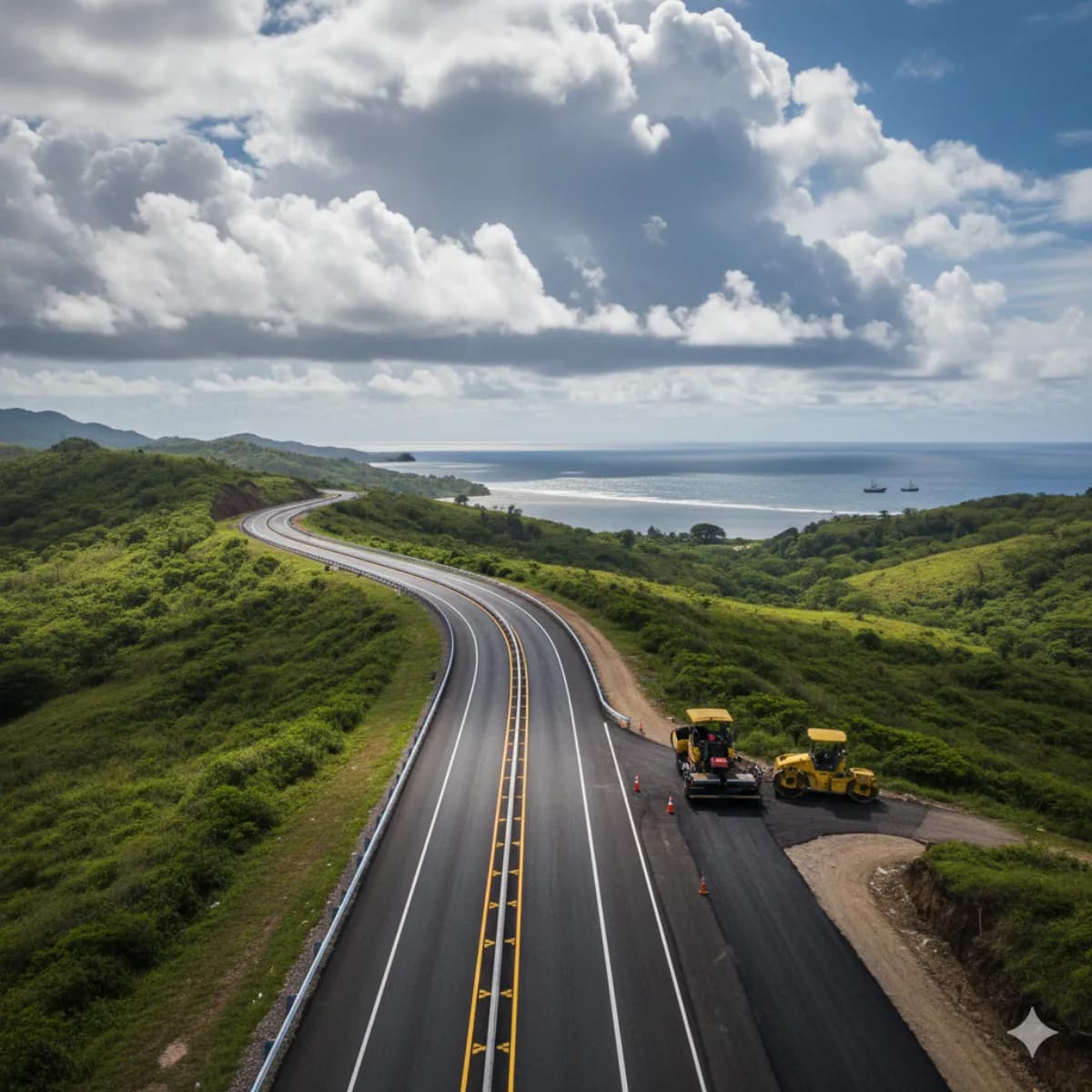
Guayaquil has more than 100 kilometers of streets under intervention across the north, center and south of the city. Some merchants report sales declines of 40% to 50% as road closures and restricted access affect customer traffic.
Ecuador’s National Transit Agency has temporarily suspended issuing driver licenses abroad while it strengthens control, verification and security procedures. The agency says the pause is tied to institutional controls after a corruption investigation earlier this year.