Daily coverage from across the country, written for the expat community
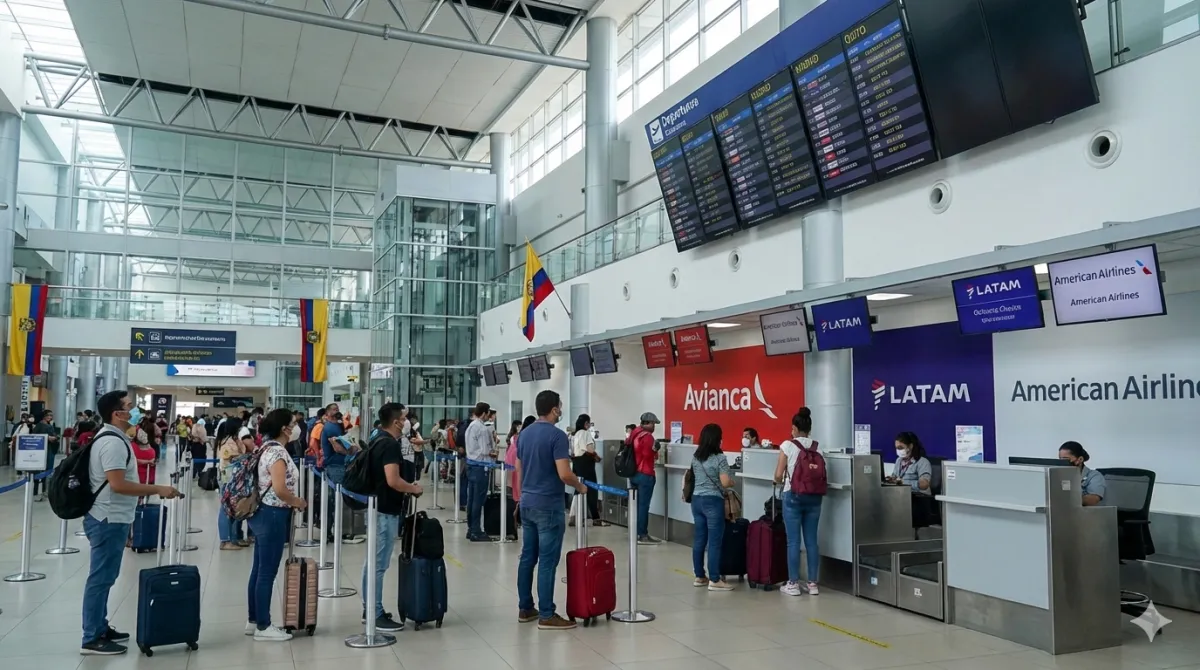
Guayaquil airport officials said the Jose Joaquin de Olmedo terminal remained operational for domestic and international flights after a June 17 shooting outside the airport. Access was temporarily restricted while police worked the scene, but authorities said passengers inside the building were safe.
Public transport is still Quito’s main way to move, but new data show riders shifting toward private options. Around 64% of Quito residents still use public transport, while apps, taxis and motorcycles are gaining ground because of safety, comfort and service concerns.
Tumbaco residents and Quito firefighters are watching the dry season closely after serious fire emergencies between 2023 and 2025. Forest fires have fallen in the urban Tumbaco sector, but waste burning remains a persistent risk, with 73 waste-burn events in 2025 and 19 already counted in 2026.
Ecuador’s ANT says the expired-license grace period ends June 30, 2026. Drivers with renewal appointments after that date can use special Saturday service on June 20 and 27 from 08:00 to 16:00 if they go to the same agency with their printed appointment and required documents.
Ecuador opened registration on June 18 for public technological institutes and higher conservatories. The process runs through June 22, 2026, for applicants who completed the Registro Nacional and want to continue in the public technical education admissions process.
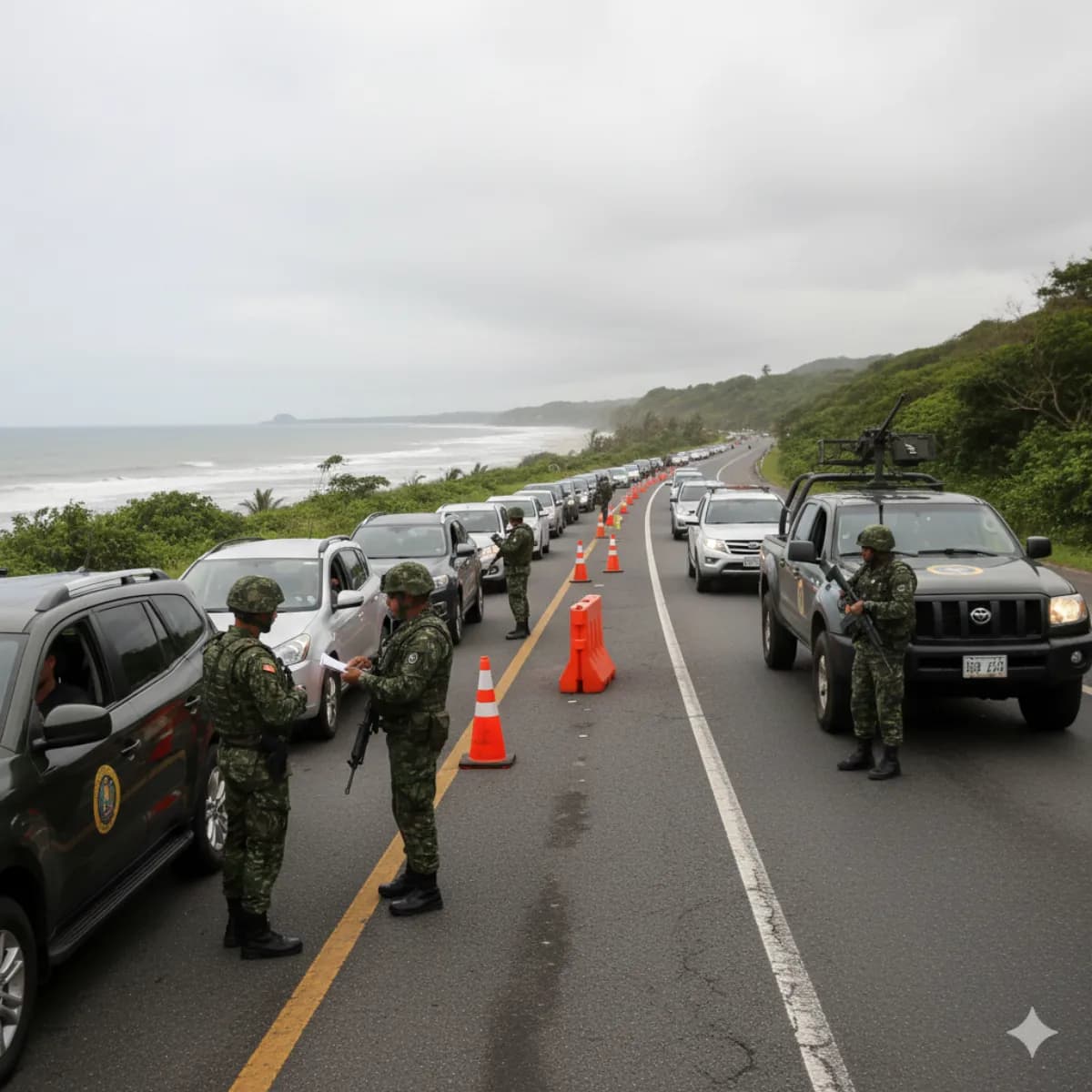
Ecuador’s new state of exception applies for 60 days in ten provinces and three cantons. There is no curfew for now, but the decree allows temporary limits on home and correspondence protections while security forces operate in the covered areas.
Ronald Javier Macias Villamar, known as alias Javi and identified as the brother of Los Choneros leader alias Fito, was captured in Colombia. Ecuadorian officials say the operation involved the National Police, Armed Forces, National Intelligence Center and Colombian authorities.
The SRI is applying stricter controls to IVA refund requests in 2026. Older adults can recover up to $144.60 per month, but invoices must use a cedula, be for personal consumption, and fit accepted categories such as food, clothing, health, education and construction.
Ecuador’s Jóvenes en Acción program is expanding from 80,000 to 150,000 beneficiaries. Registration opened June 16 for vulnerable young adults ages 18 to 29, with selected participants receiving three $400 transfers over three months after completing assigned activities.
Ecuador’s cooperative sector is still being cleaned up, with 38 credit cooperatives in forced liquidation as of May 5, 2026. Ambato, Quito and Cuenca account for most of the liquidation processes, while rising delinquency continues to pressure smaller institutions.
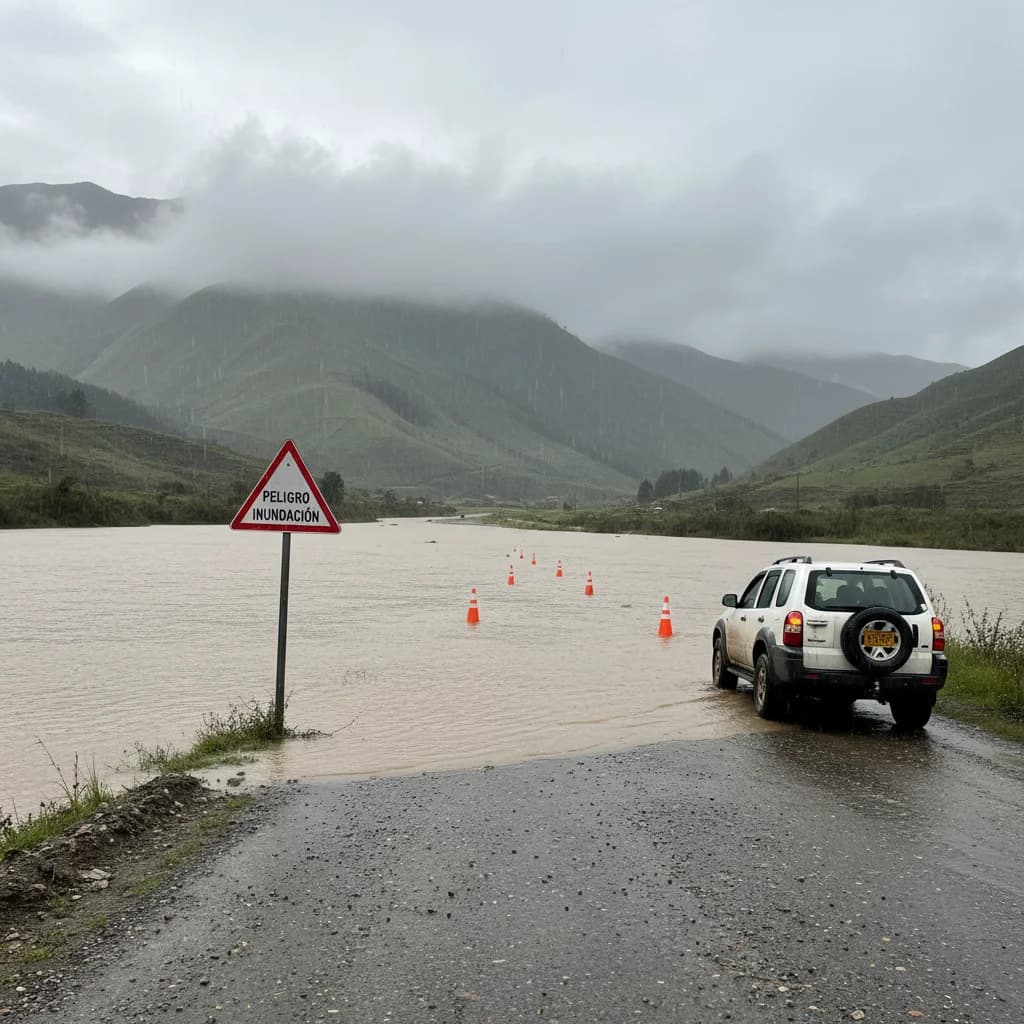
Ecuador has placed 17 provinces, 143 cantons and 491 parishes under a preventive yellow alert for a possible El Nino event. Local governments have until June 23 to submit action plans, but only three municipalities had filed plans as of June 15.
Net housing reservations in Ecuador rose 28% from January to April 2026 compared with the same period last year. Builders now project that annual housing sales could reach or exceed 40,000 units if favorable conditions continue.