Breaking news, politics, economy, visas, safety, and lifestyle updates for expats living in Ecuador.
Xavier Jordán, a figure with three active arrest warrants in Ecuador, was detained by U.S. Immigration and Customs Enforcement (ICE) in Doral, Florida, on September 16, 2026. He is described as an "extranjero ilegal criminal" by the Department of Homeland Security, having overstayed his U.S. visa by more than six years.
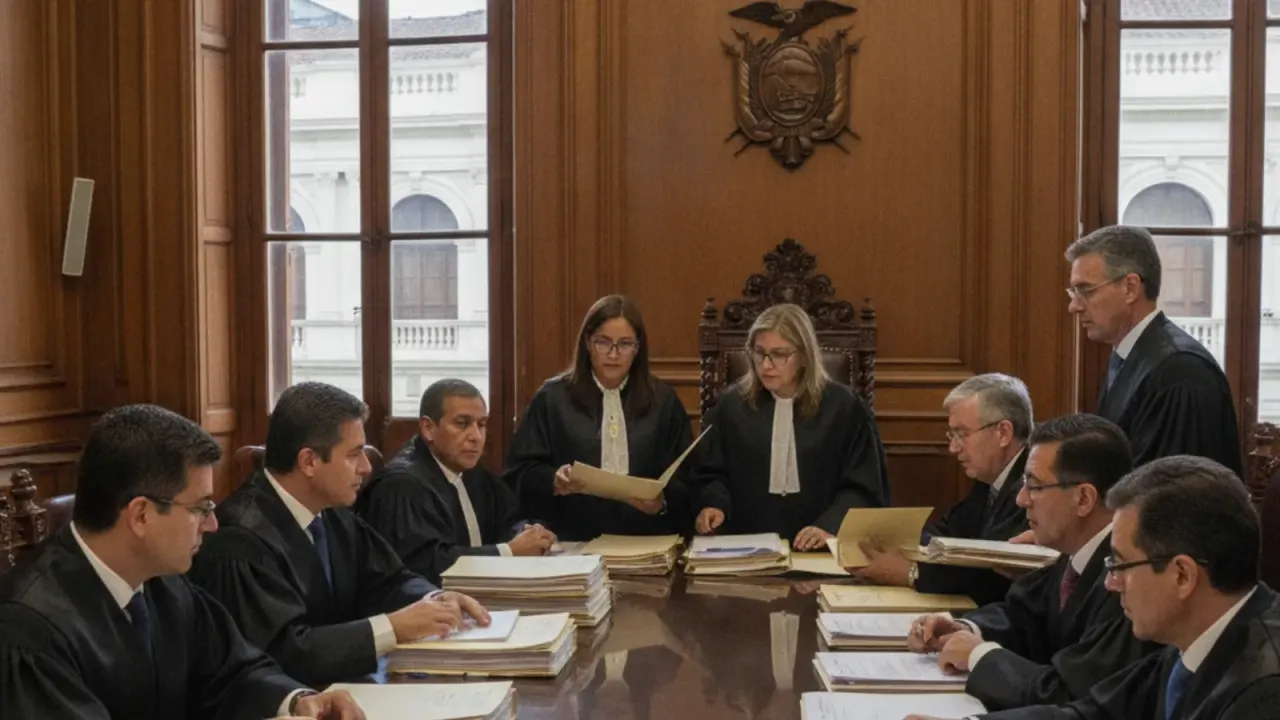
Ecuador's Council of the Judicature has suppressed the Specialized Unit for corruption and transnational organized crime offenses, reassigning top anti-corruption judges and dismantling critical security infrastructure. This move has drawn criticism for potentially weakening the fight against organized crime and exposing judges to increased risks.
Hundreds of residents, officials, and organizations in Cuenca participated in the second Quinto Río march, advocating for water protection and the rejection of metallic mining. A manifesto was delivered to the Azuay governor, addressed to President Daniel Noboa, demanding the elimination of mining concessions and the definitive closure of the Río Blanco mine.
Ecuador's National Electoral Council says citizens can now pay electoral fines online with Visa and Mastercard through its portal. The change arrives ahead of the November 29, 2026 sectional and CPCCS elections, with additional bank and Facilito payment channels still available.
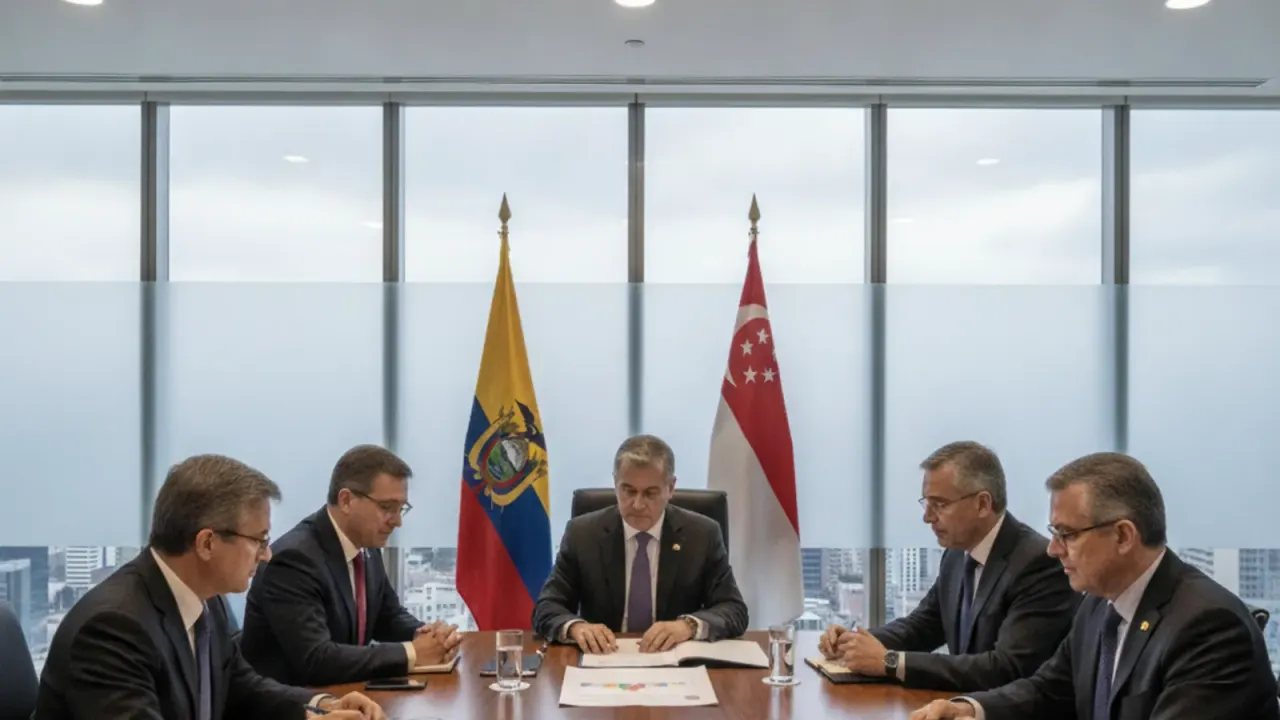
President Daniel Noboa and Singaporean officials signed a memorandum covering education, governance, digitalization, sustainability, public health, and trade and economy. The agreement is valid for two years and sits alongside a broader push for investment and market access.
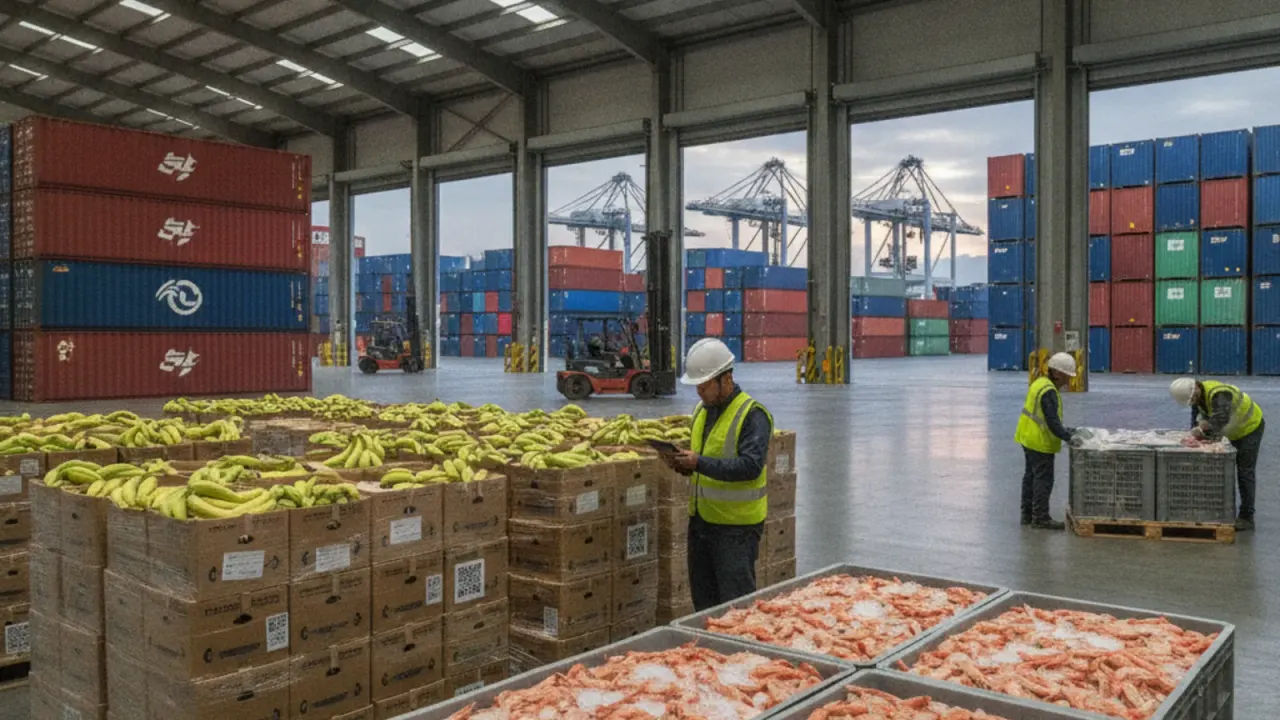
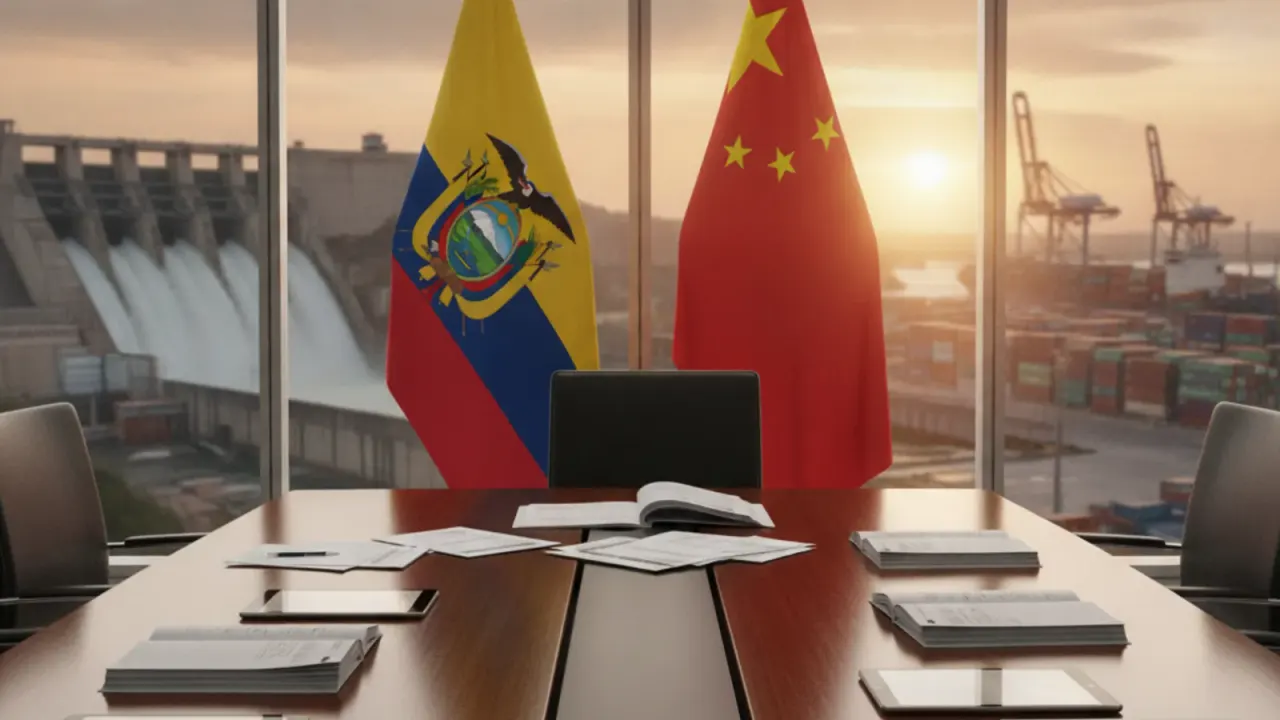
President Daniel Noboa continued his China visit in Chengdu after Ecuador announced seven cooperation agreements and new commitments spanning energy, mining, infrastructure, trade, and technology. The package also includes USD 42.7 million in non-reimbursable Chinese cooperation and the rehabilitation of eight shrimp exporters.
General Francis L. Donovan met Ecuador’s defense minister and Joint Chiefs head during his third official visit to Ecuador. Both sides framed the meeting around action against narcoterrorism and transnational organized crime.
Candidate registration closed Monday evening for Ecuador’s November sectional elections. The next phase is qualification and objections, with the definitive list expected November 9.
President Daniel Noboa arrived in China on August 16 for a state visit focused on trade, investment, infrastructure, energy, technology, and sustainable development. The agenda includes 14 Ecuadorian shrimp exporters suspended from the Chinese market and the Coca Codo Sinclair hydroelectric project.
Executive Decree 472 extends Ecuador’s state of exception for 30 days in 10 provinces and three cantons, including Azuay. The decree does not establish a curfew, but it keeps the previously specified suspension of home and correspondence inviolability in force.
A reform to Ecuador’s adoption process took effect on August 14 after publication in the Official Registry. It sets timelines for police investigation, technical reports, candidate suitability, matching, and civil-registry inscription.
The Council of the Judiciary has approved a three-phase method for appointing 222 temporary judges during the judicial emergency. The plan sets eligibility and scoring rules, but legal experts are still questioning how temporary appointments will protect independence and how long they will last.