Breaking news, politics, economy, visas, safety, and lifestyle updates for expats living in Ecuador.
Commercial self-generation is being coordinated with distributors. The report does not establish a household blackout schedule.
New reporting identifies incomplete disclosures among registered companies. Buyers should distinguish the sales agreement from the credit record.
A Red de Instituciones Financieras de Desarrollo study based on 4,622 Ecuador surveys says 22% of respondents have a weak financial profile. It identifies women, people aged 18 to 25, and rural residents as the groups with the largest reported difficulties.
Ecuador recorded USD 18.849 billion in spending from January through August 2026, up 10% from the same period of 2025. Interest payments and transfers to IESS are taking more budget space while public-works spending remains a small share of the total.
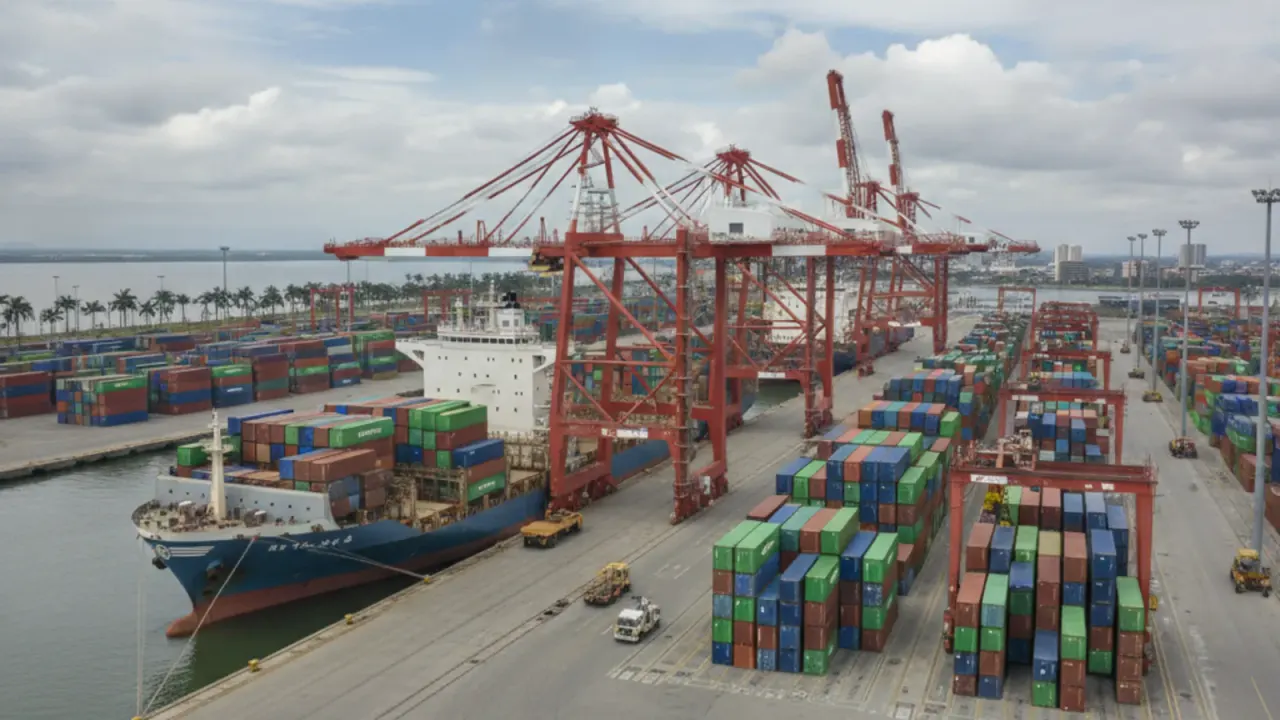
Terminal Portuario de Guayaquil plans USD 50 million in 2026 investment, including two USD 22 million Super Post Panamax cranes and cold-chain infrastructure. The terminal handled 736,141 TEUs last year, equal to 24% of the national market according to company-cited shares.
Employees earning more than USD 12,208 annually or USD 1,017.33 monthly can update their personal-expense projection through September 30. The update can change monthly income-tax withholding, but projected expenses must later be supported with invoices or sales receipts.
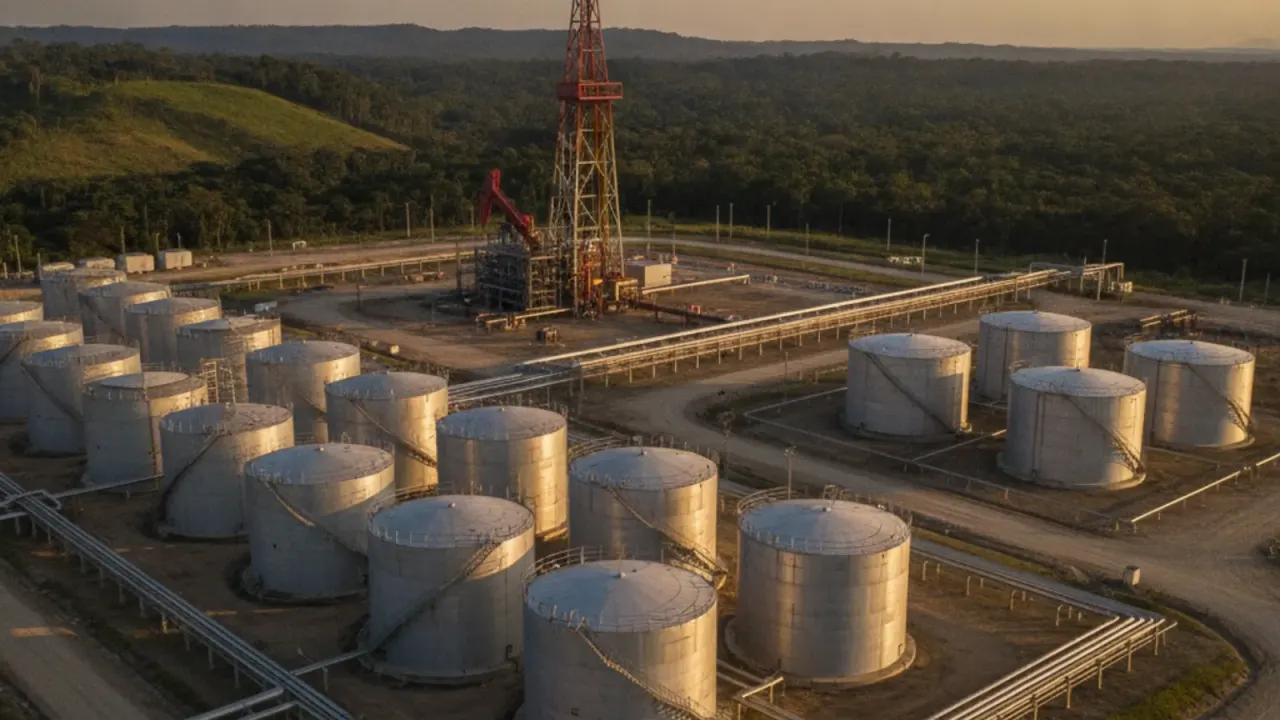
Petroecuador averaged 365,704 barrels per day in August 2026, below the 370,000-barrel projection made by manager Sebastian Maag. The year-to-date comparison is higher than 2025, but that comparison is distorted by the sharp fall in July 2025.
Ecuador is due for the sixth review under its IMF program in September 2026. If the government has met the targets reviewed through June, the Fund is expected to disburse about $390 million, but that money is not approved yet.
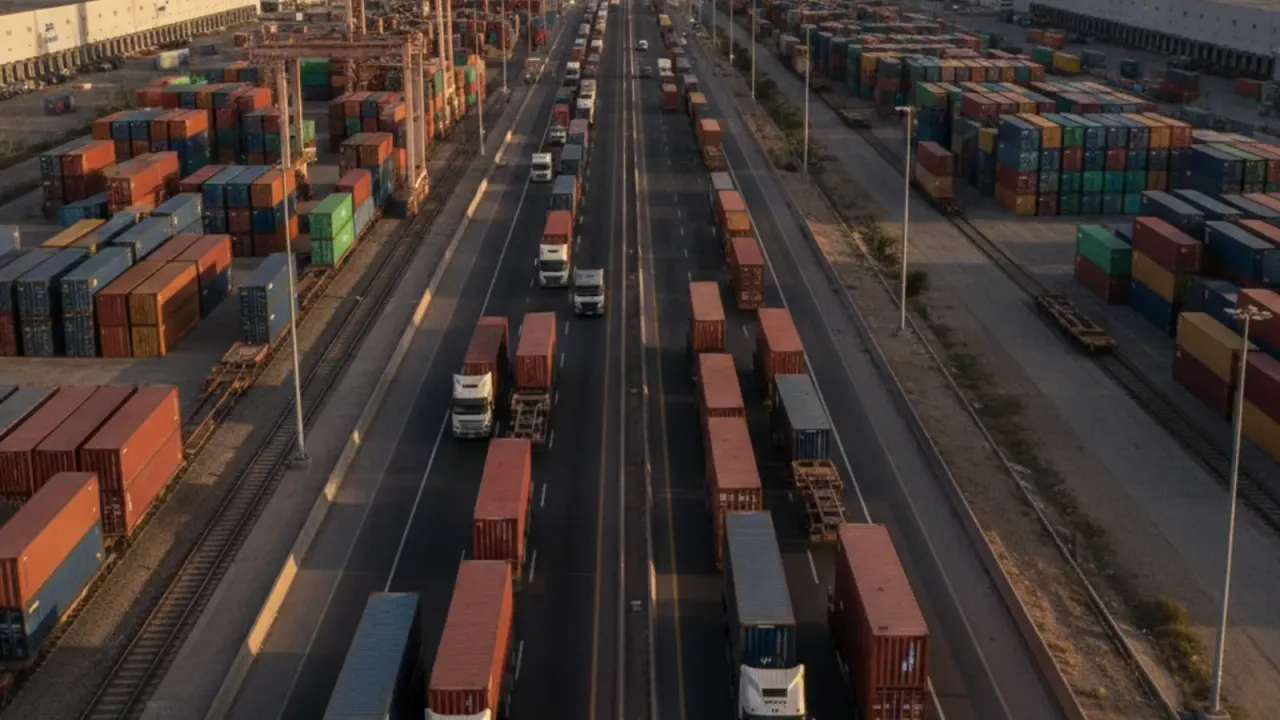
Trade between Ecuador and Peru reached USD 1.2267 billion in the first half of 2026, up 33.5% year over year. Exports, imports, Peruvian investment, and a sharp fall in purchases from Colombia are reshaping the cross-border commercial picture.
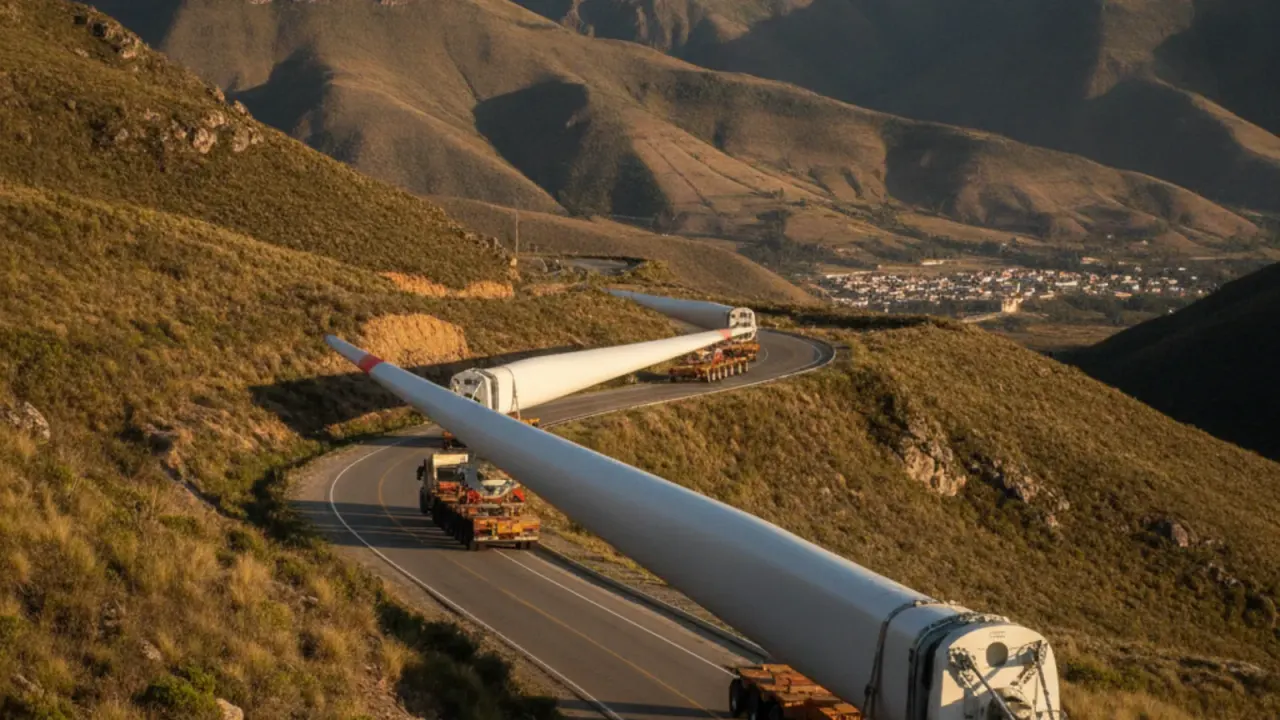
Villonaco III has received 30 of its 57 wind-turbine blades, moving Ecuador’s largest planned wind project into a visible equipment-delivery phase. The 112.1 MW project represents more than USD 200 million in private investment and targets commercial operation in the third quarter of 2027.
A resolution in force since August 20 allows electricity, water, phone, and other utility payments to be considered supplementary information in credit evaluation. It does not mean providers are automatically sending records to the credit bureau today.
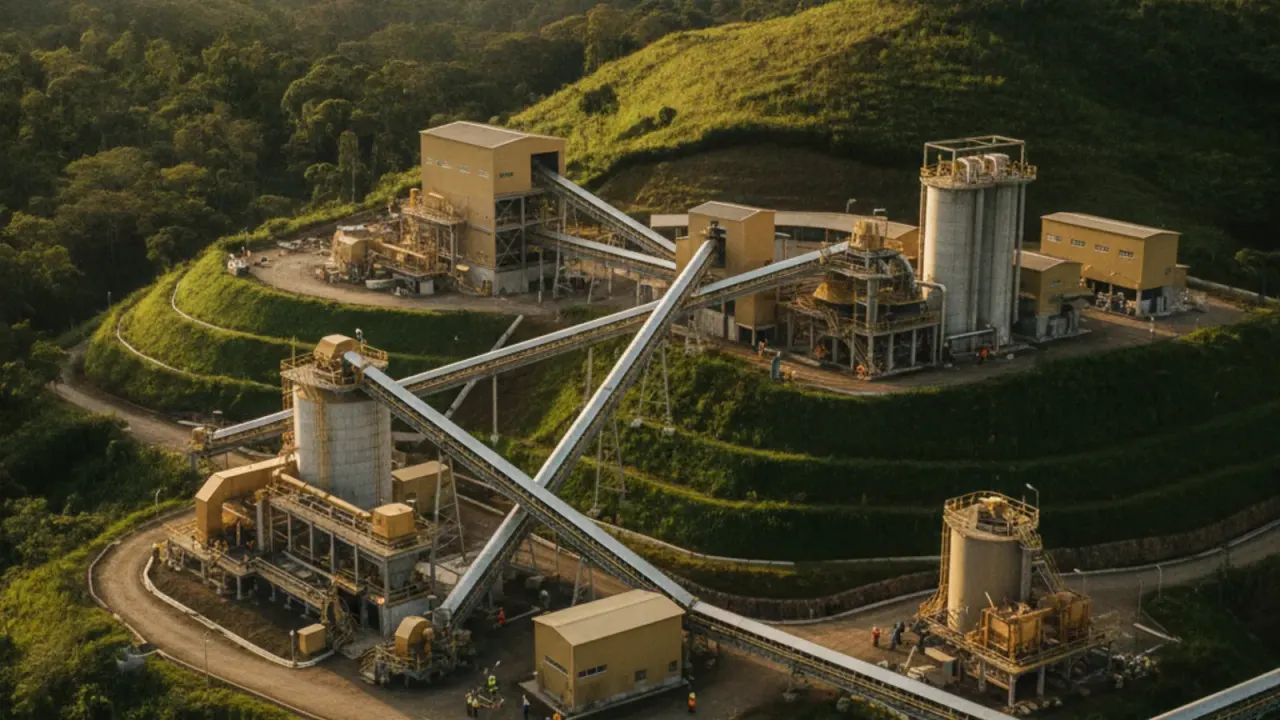
Lundin Gold says its Fruta del Norte plant in Zamora Chinchipe could move from an average 5,500 tonnes of material per day to 7,000 within a year, while targeting roughly 500,000 ounces of annual production.