Daily coverage from across the country, written for the expat community
Results for “Sierra”Clear
Inamhi’s July 13 forecast calls for isolated rain, high to extremely high UV levels, and Sierra wind gusts in Imbabura, Pichincha, Cotopaxi, and Tungurahua.
Ecuador’s ERFEN committee says El Niño is in its initial development phase, while immediate intense rainfall is not expected and dry-season conditions should continue in the Coast and western and central Sierra.
Beef without bone is one of the food items Ecuadorian households spend the most on, and sector figures point to a smaller cattle herd and supply pressure behind higher prices.
Inamhi says higher daytime temperatures and wind gusts will continue from July 8 to 11 in parts of the Sierra and the central-southern Coast, with Quito, Guayaquil, and several provinces affected.
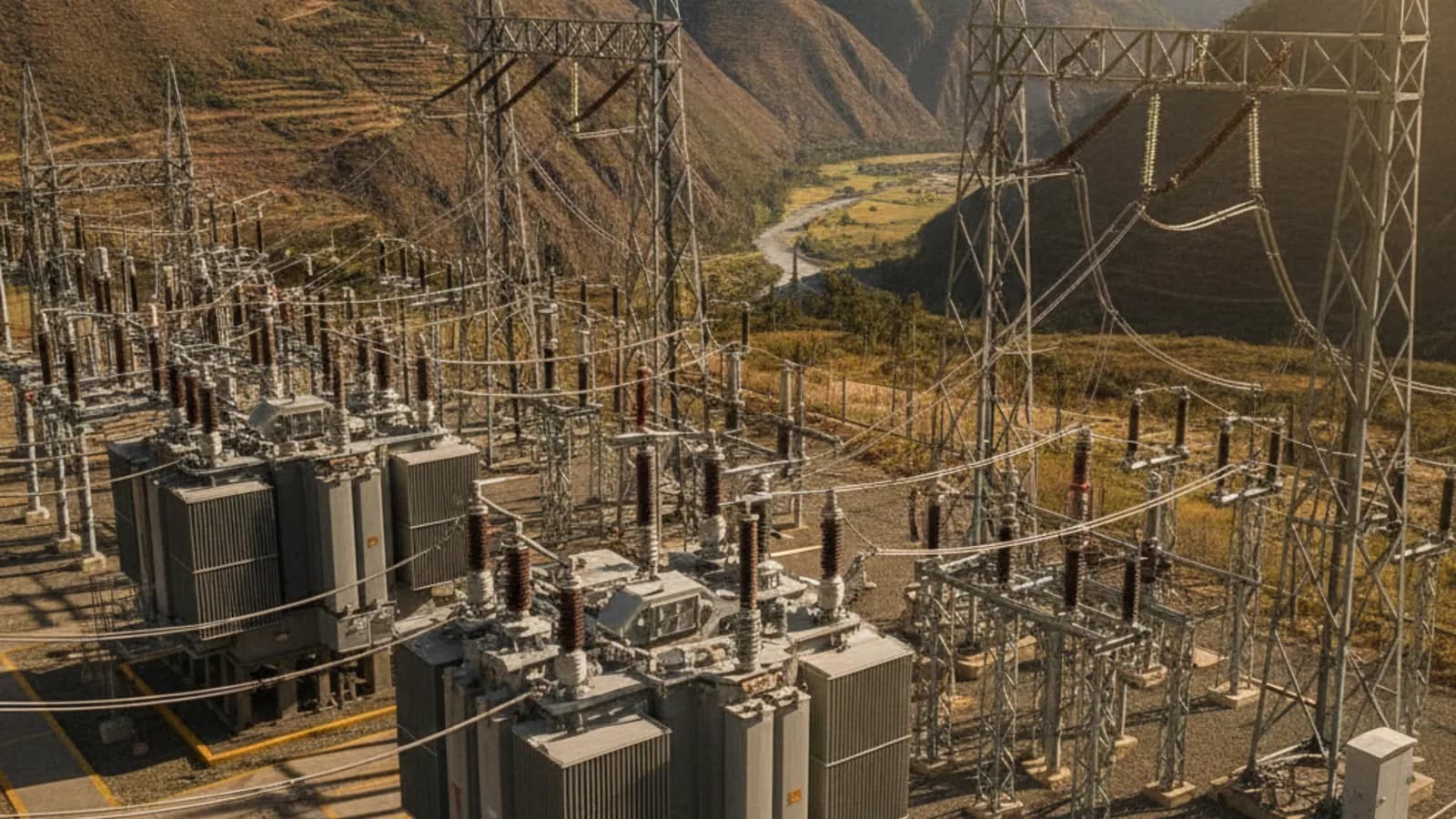
A new look at Ecuador’s transmission system shows 12 of 45 power transformers operating beyond their designed life, with several strategic substations lacking a reserve transformer.
Quito’s school-vacation season now includes municipal and private courses for children, teens, and adults. Options range from free workshops and city activities to Cumbaya programs priced by week or full camp.
Workers in Ecuador’s Sierra and Amazon regions who chose accumulated payment should receive the decimo cuarto salary by August 15, 2026. The benefit equals the 2026 unified basic salary of $482 for workers who qualify for the full period.
INAMHI’s June 28 forecast calls for variable rain, especially in the Amazon, with scattered afternoon and nighttime rain expected in Cuenca. The Coast should be mostly clear, except possible drizzle in Santo Domingo de los Tsáchilas and Esmeraldas.
Schools in Ecuador’s Sierra and Amazonia regime ended classes on June 26, 2026. Recovery classes, makeup exams, graduations and teacher vacations now run through July and August.
INAMHI expects variable-intensity rain on June 27, especially in the Amazon region. A meteorological alert remains in effect through June 28 for moderate to strong rain in the Amazon and isolated events in the northern Coast.
A strong storm in Santo Domingo on the night of June 25 caused flooded homes and damage to educational and sports infrastructure. Emergency calls came after 23:00, with responders mobilized through ECU 911.
Regressive erosion on the Coca River has damaged key infrastructure for more than six years, with estimated losses between $4.7 billion and $5.5 billion through May 2026. The risk matters nationally because Coca Codo Sinclair supplies about 25% of Ecuador's average electricity demand.