Daily coverage from across the country, written for the expat community
Results for “property”Clear
BIESS has modernized InmoBiess, a web platform where affiliates and retirees can review qualified housing projects and estimate mortgage payments. The tool includes projects by city, price and number of bedrooms, but it does not replace the formal credit evaluation.
A tribunal convicted six defendants in the Decevale case and ordered a $693 million repair payment to Isspol, the police social security institute. The case grew out of alleged irregularities in securities-market operations involving Decevale S.A., Citadel Casa de Valores and Isspol funds.
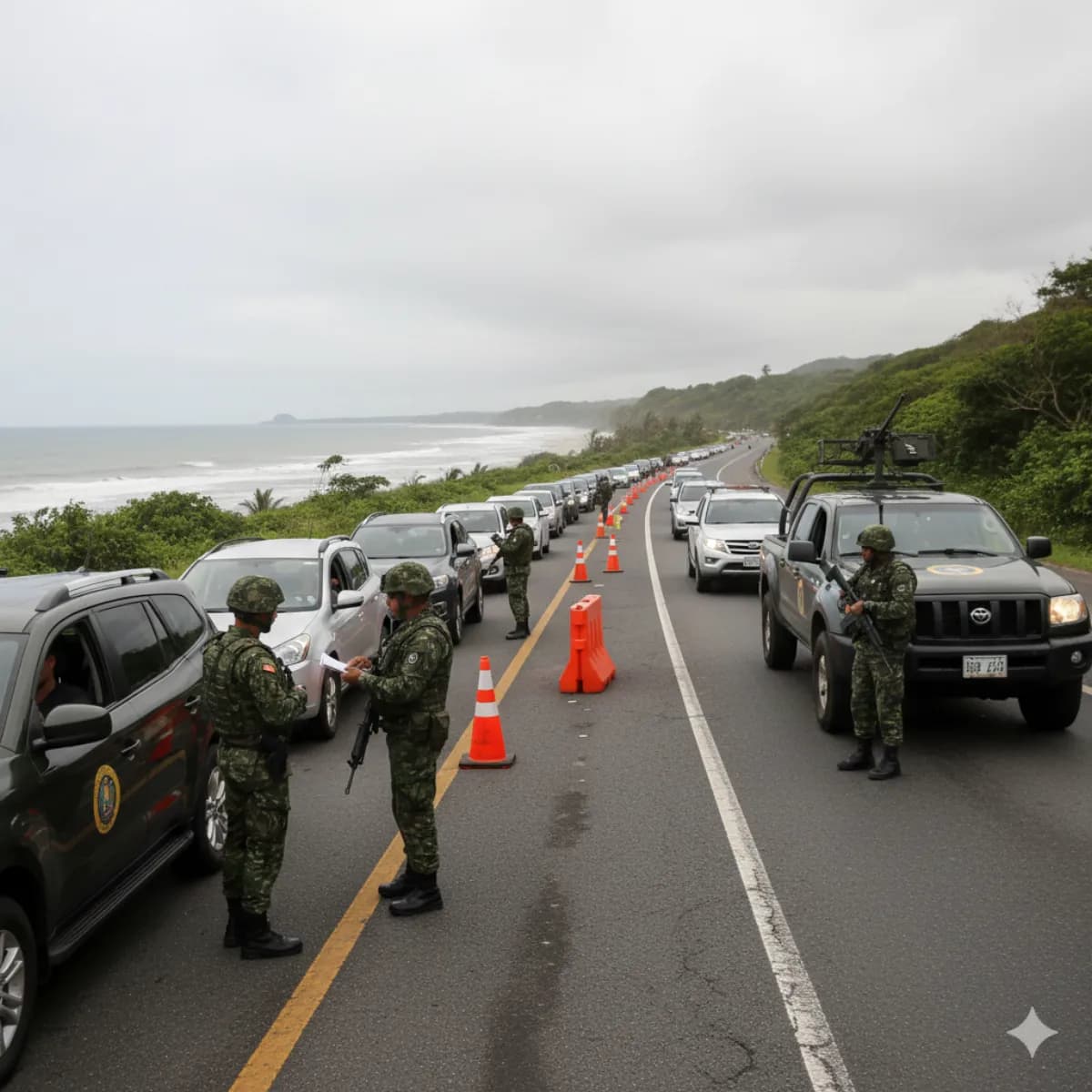
Ecuador’s new state of exception applies for 60 days in ten provinces and three cantons. There is no curfew for now, but the decree allows temporary limits on home and correspondence protections while security forces operate in the covered areas.
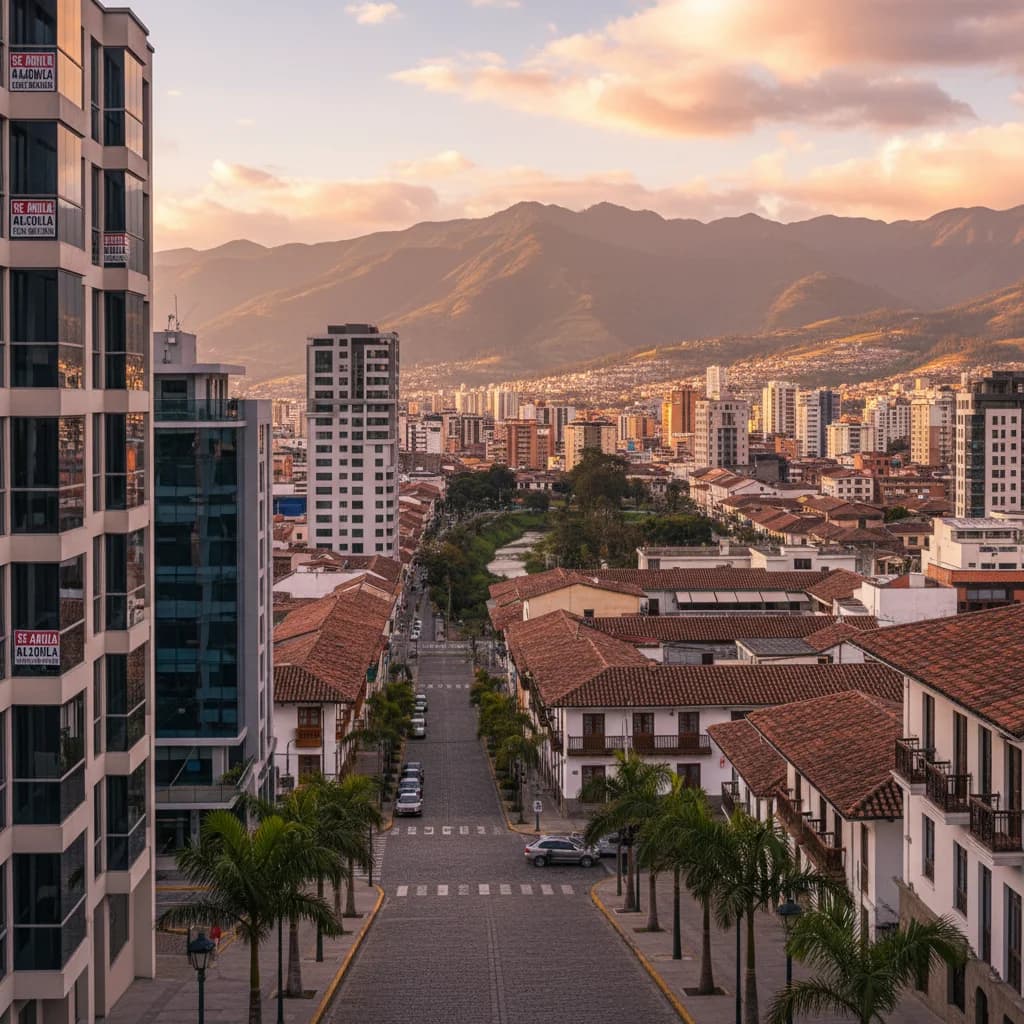
Net housing reservations in Ecuador rose 28% from January to April 2026 compared with the same period last year. Builders now project that annual housing sales could reach or exceed 40,000 units if favorable conditions continue.
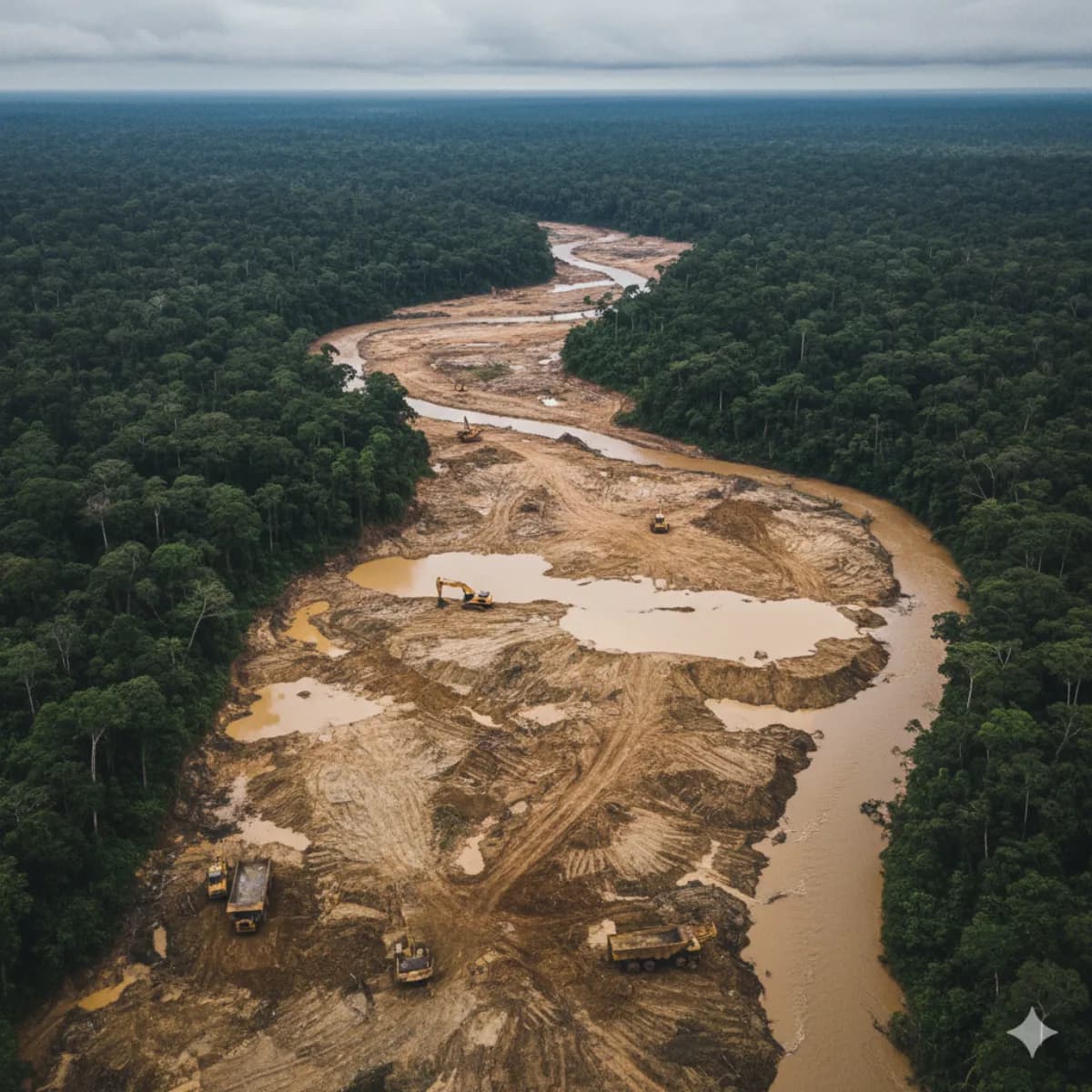
An explosive attack damaged the Arcom building in central Machala on the night of June 12. The Environment and Energy Ministry said no injuries were reported and linked the attack to retaliation after 88 illegal-mining operations in El Oro.
BIESS has three mechanisms for affiliates, retirees and pensioners with pending mortgage obligations: refinancing, restructuring and novation. The options are designed to reduce late-interest pressure, protect credit history and avoid legal action tied to missed payments.
Quito's Property Registry says payment orders for 20 registry procedures and certificates can now be generated automatically in about 20 minutes. The same step previously took 24 to 48 hours, and payment orders are valid for eight days.
El Universo reports ECU911 and the Armed Forces have removed around 1,000 irregularly installed cameras across Ecuador, including 95 in Guayaquil and recent removals in Fertisa and the Trinitaria port zone.
President Daniel Noboa said the Quito Metro expansion will start during this period, while El Comercio reports the La Ofelia extension remains in definitive studies and still needs total-financing authorization from the national government.
Ecuador's National Assembly approved a new marine-coastal governance law on May 21. Expreso reports it creates tools to protect breaking waves, regulate maritime activities and catalog important surf zones.
Ecuador's weather service flagged moderate-to-heavy rain, electrical storms, strong wind gusts and flooding risk from 4:00 p.m. May 17 until noon May 20, spanning coastal, highland and Amazon provinces. Here's who's affected and what to do.
The militarization of Puerto Bolívar has surfaced the human cost: at least 300 families forcibly displaced, criminal group Los Lobos occupying up to 500 homes, and the terminal tied to 10.8 tons — 11.24% — of drugs seized nationally. Over 1,000 troops are searching 1,642 homes.