Daily coverage from across the country, written for the expat community
Results for “fishing”Clear
El Universo reports that Ecuador recorded 273,554 active labor contracts from January through April 2026, with 171,735 concentrated in one broad macrosector covering agriculture, construction, commerce, finance, professional services and health-related work.
Ecuador's National Assembly approved a new marine-coastal governance law on May 21. Expreso reports it creates tools to protect breaking waves, regulate maritime activities and catalog important surf zones.
Armed forces, police, and intelligence services deployed to Puerto Bolívar in El Oro province for a major operation against criminal structures controlling the port. Defense Minister Loffredo says groups are using the port to ship drugs and extort fishermen.
President Noboa ratified the SECA trade agreement with South Korea via Decreto Ejecutivo 359 on April 15, two days after the Asamblea approved it 83 votes. The deal eliminates tariffs on 98.9% of Ecuadorian exports to a 51-million-consumer market. Shrimp goes to 0% immediately. Bananas phase out over five years. Here's what's in it.
Economy Minister Sariha Moya presented Ecuador's fiscal efficiency formula at the IMF Spring Meetings in Washington on April 14. Her headline numbers: international reserves up from $3 billion to $11 billion, poverty down from 28% to 21% in 2025, and local-government payment delays cut by 85%. She credited the fuel subsidy phase-out that ran from June 2024 through September 2025.
Police K-9 units intercepted nearly 22,000 dried shark fins weighing 1,905 kilograms at Guayaquil's Jose Joaquin de Olmedo International Airport on April 2. The shipment -- 75 bundles disguised as fish bladders -- was bound for Kuala Lumpur, Malaysia. It is one of Ecuador's largest shark fin seizures in recent years.
The Banco Central del Ecuador confirmed that GDP grew 3.7% in 2025, pulling the country out of the 2% contraction it suffered in 2024. Growth was driven by exports (+6.4%), investment (+5.6%), and household consumption (+2.7%). The 2026 forecast is a more modest 1.8%.
Ecuador shipped 125,200 tonnes of shrimp in January 2026, a 23% increase year-over-year. China remains the top buyer at 49.5% of volume, though its share has declined from 54.2% in 2024. The industry projects a 15% increase for the full year.
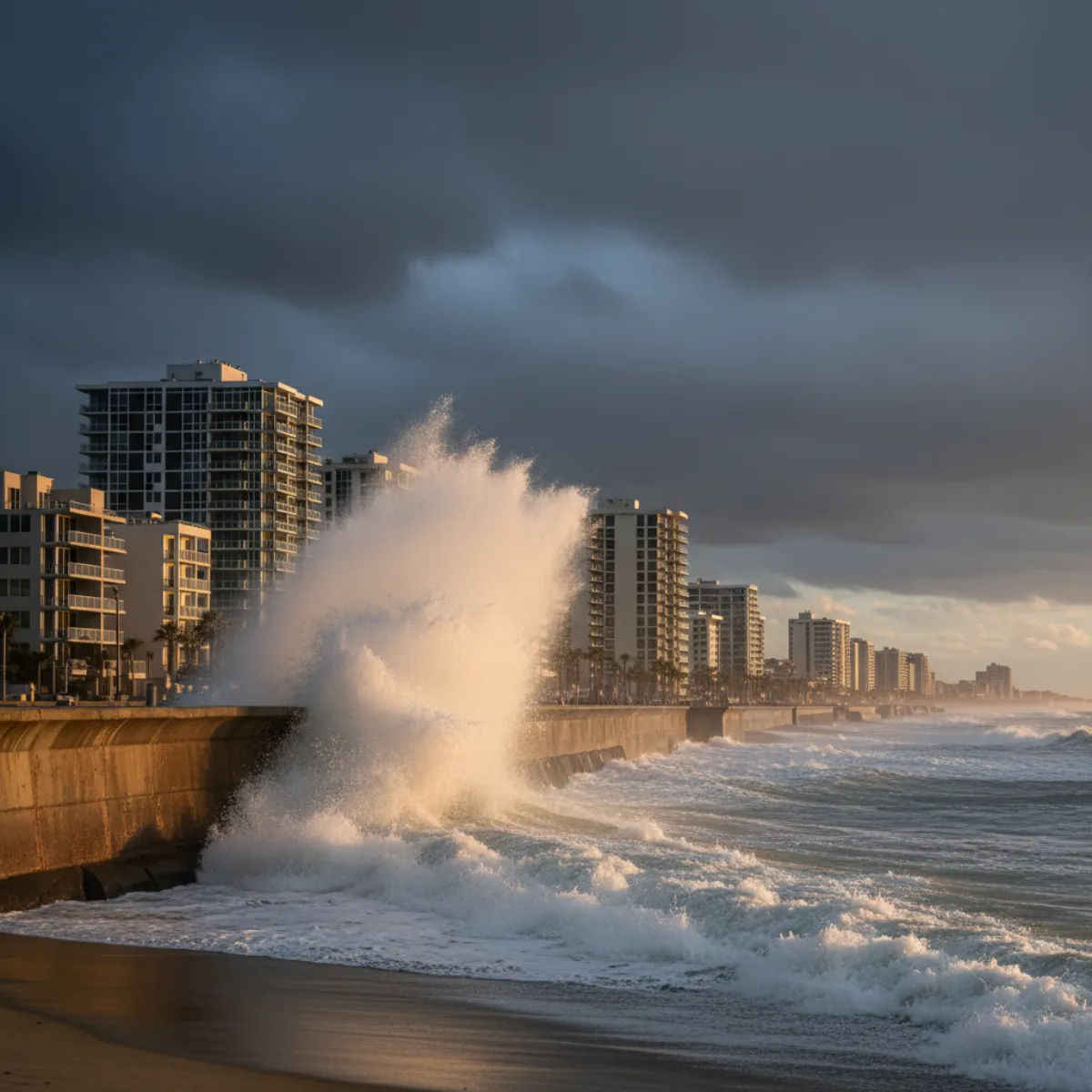
Repeated wave surges have flooded condo lobbies, destroyed sea walls, and damaged vehicles in Salinas and Punta Blanca. Experts warn that sea levels have risen 39 centimeters since the 1970s — and the worst is yet to come.
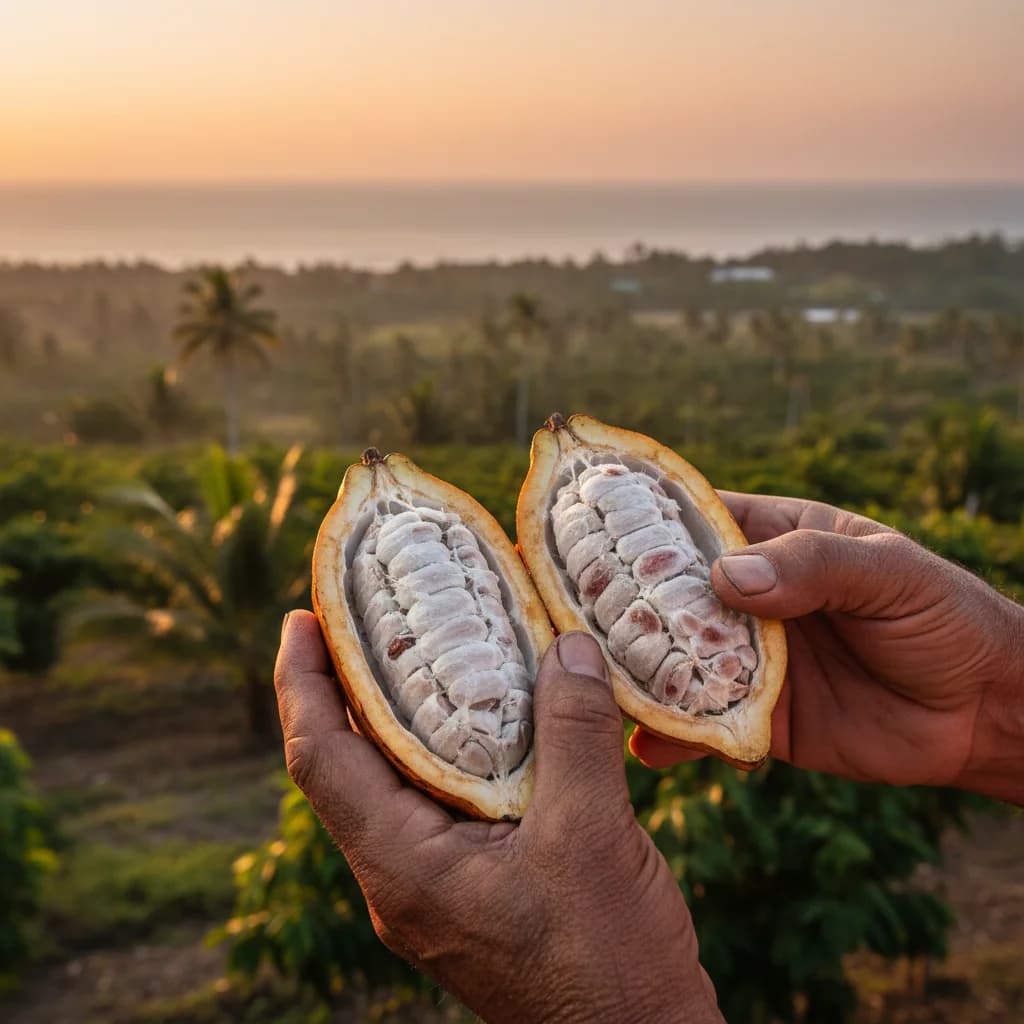
International cacao prices have collapsed from a record $13,000 per ton in late 2024 to $3,581 in February 2026. Ecuadorian farmers now receive roughly $130 per quintal — down from $400 a year ago — squeezing margins in communities across the coast.
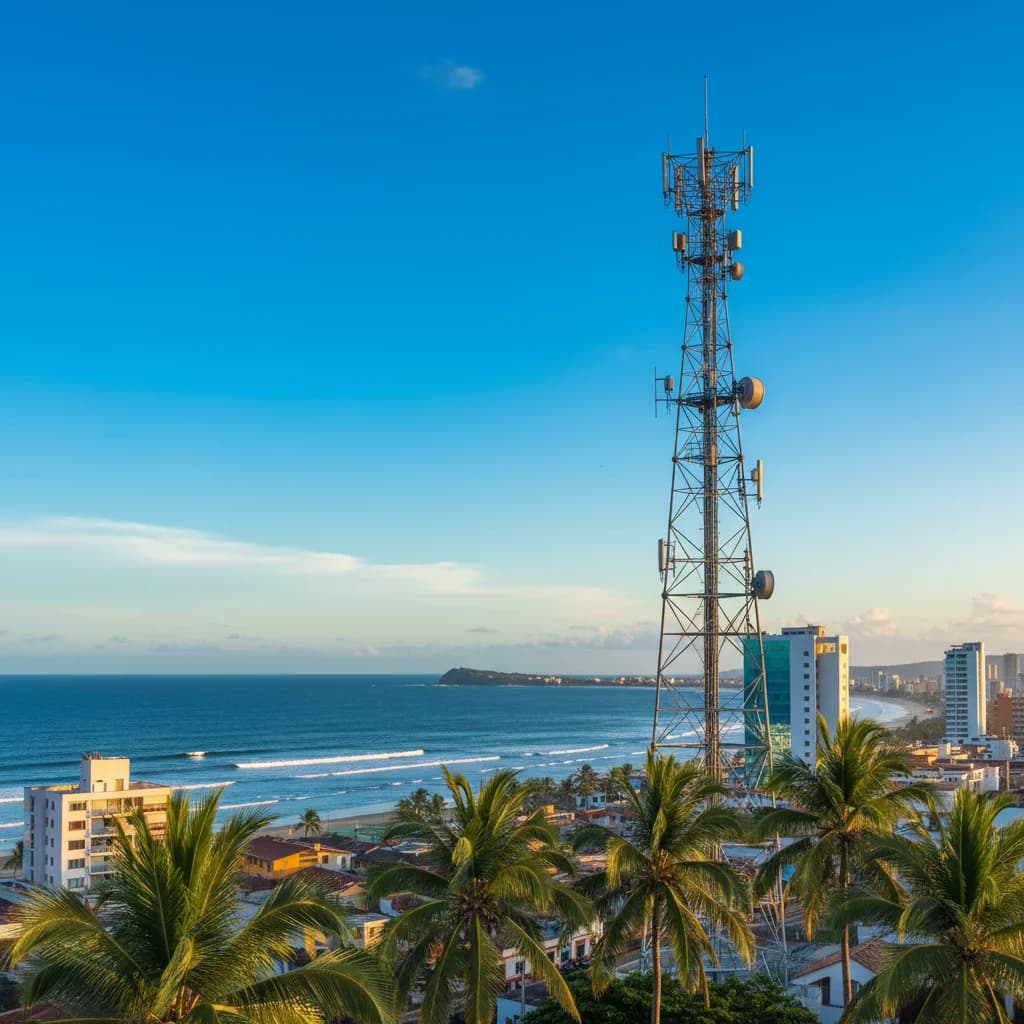
Ecuador's coast just got a significant internet upgrade. Seven 5G radio base stations are now operational in Manta, making it one of the first mid-sized cities outside Quito and Guayaquil to join the national 5G rollout.
Fedexpor reports Ecuador’s non-petroleum, non-mining exports grew 16% to $25.2 billion in 2025. Shrimp led at $8.4 billion (+20%), cocoa surged 29% to $4.7 billion, and U.S.-bound exports jumped 30%. It’s the strongest diversification signal yet for the dollarized economy.