Daily coverage from across the country, written for the expat community
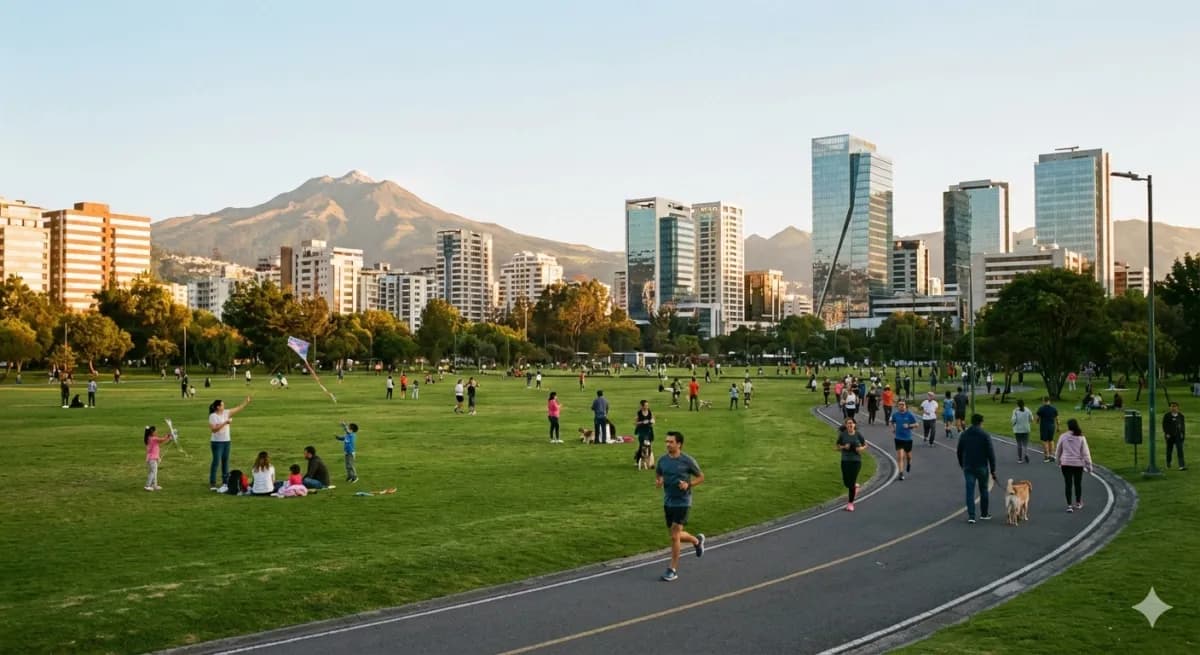
Quito’s La Carolina and surrounding hypercenter remain among the city’s most demanded real-estate zones, with small units of 25 to 35 square meters in high demand. Market sources cite prices above $2,000 per square meter in high-end projects.
A water-service interruption affected several communes, neighborhoods and settlements along Guayaquil’s Vía a la Costa on June 21, 2026. Interagua said the problem came from a leak in the aqueduct near kilometer 51 and began supplying affected areas with tanker trucks.
Ecuadorian authorities say five people were detained in an alleged migrant-trafficking network that operated in Guayas and Tungurahua. The case involves current and former Migration officials, real passports used with substituted identities, and alleged illegal fees of $5,000 to $8,000.
A new report on digital recruitment describes how criminal groups use social media, narcoculture symbols and algorithmic engagement to pull minors toward illegal activity. The warning comes as adolescent arrests and violent deaths among minors remain a major national concern.
President Daniel Noboa issued Executive Decree 424 on June 18, opening a path for allied foreign military personnel to support Ecuador’s security operations. Officials say foreign troops are not expected immediately, while 13,000 Ecuadorian military personnel are being deployed to Guayas, Manabí, El Oro and Los Ríos.
A tribunal convicted six defendants in the Decevale case and ordered a $693 million repair payment to Isspol, the police social security institute. The case grew out of alleged irregularities in securities-market operations involving Decevale S.A., Citadel Casa de Valores and Isspol funds.
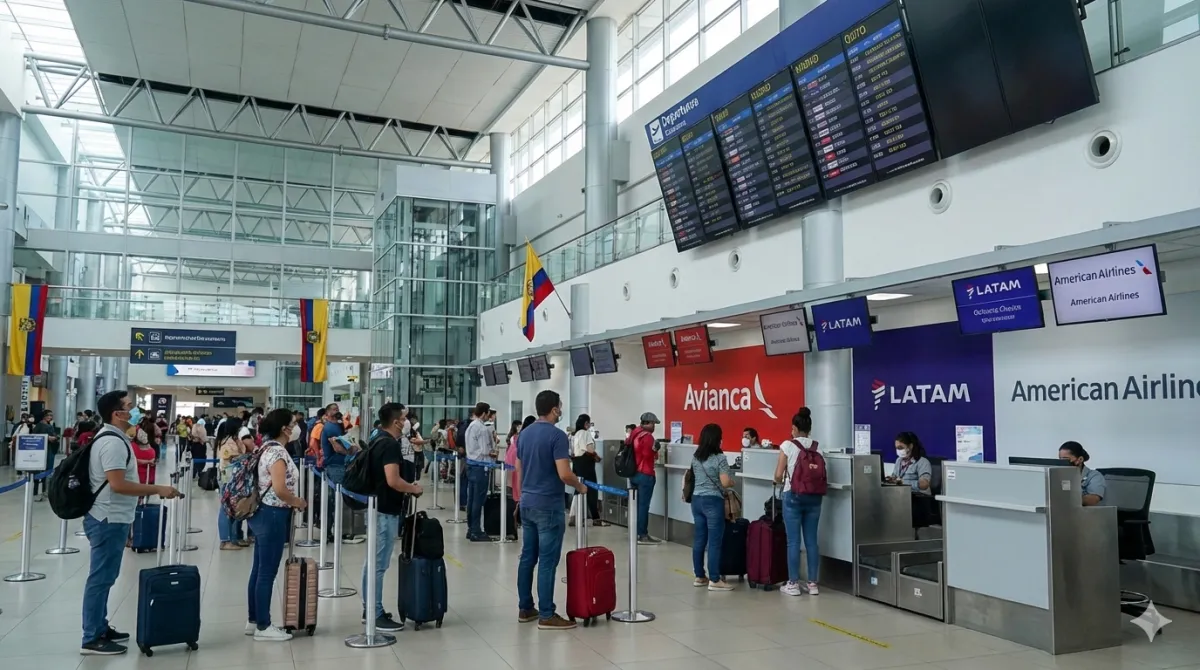
Guayaquil airport officials said the Jose Joaquin de Olmedo terminal remained operational for domestic and international flights after a June 17 shooting outside the airport. Access was temporarily restricted while police worked the scene, but authorities said passengers inside the building were safe.
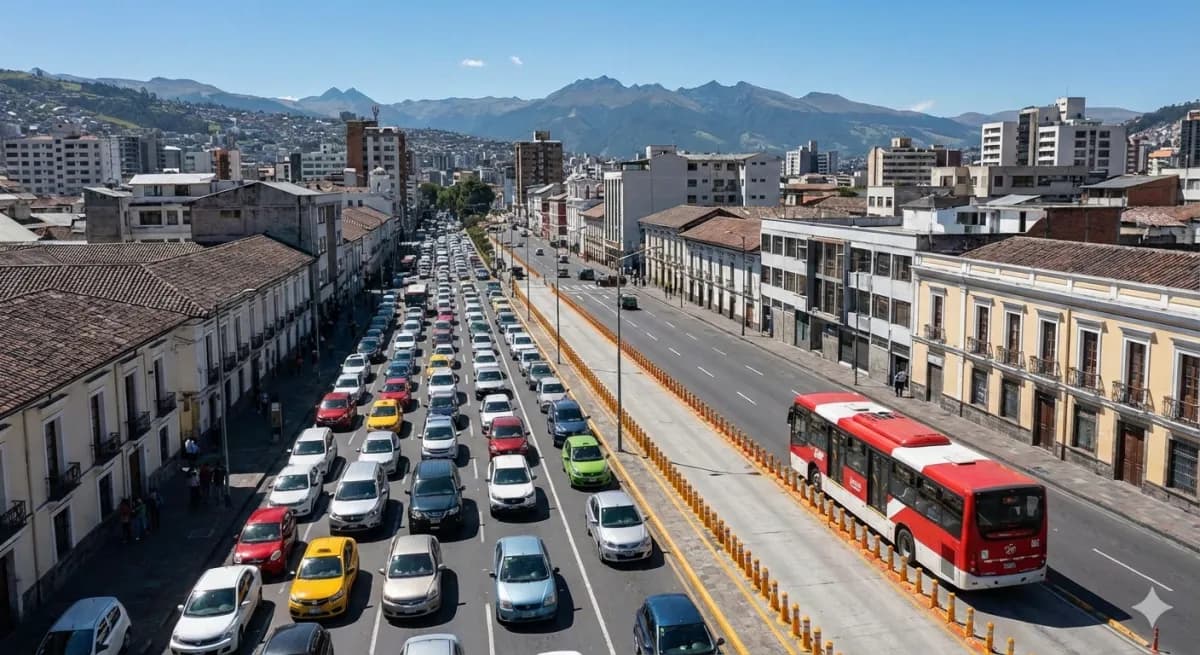
Public transport is still Quito’s main way to move, but new data show riders shifting toward private options. Around 64% of Quito residents still use public transport, while apps, taxis and motorcycles are gaining ground because of safety, comfort and service concerns.
Tumbaco residents and Quito firefighters are watching the dry season closely after serious fire emergencies between 2023 and 2025. Forest fires have fallen in the urban Tumbaco sector, but waste burning remains a persistent risk, with 73 waste-burn events in 2025 and 19 already counted in 2026.
Ecuador’s ANT says the expired-license grace period ends June 30, 2026. Drivers with renewal appointments after that date can use special Saturday service on June 20 and 27 from 08:00 to 16:00 if they go to the same agency with their printed appointment and required documents.
Ecuador opened registration on June 18 for public technological institutes and higher conservatories. The process runs through June 22, 2026, for applicants who completed the Registro Nacional and want to continue in the public technical education admissions process.
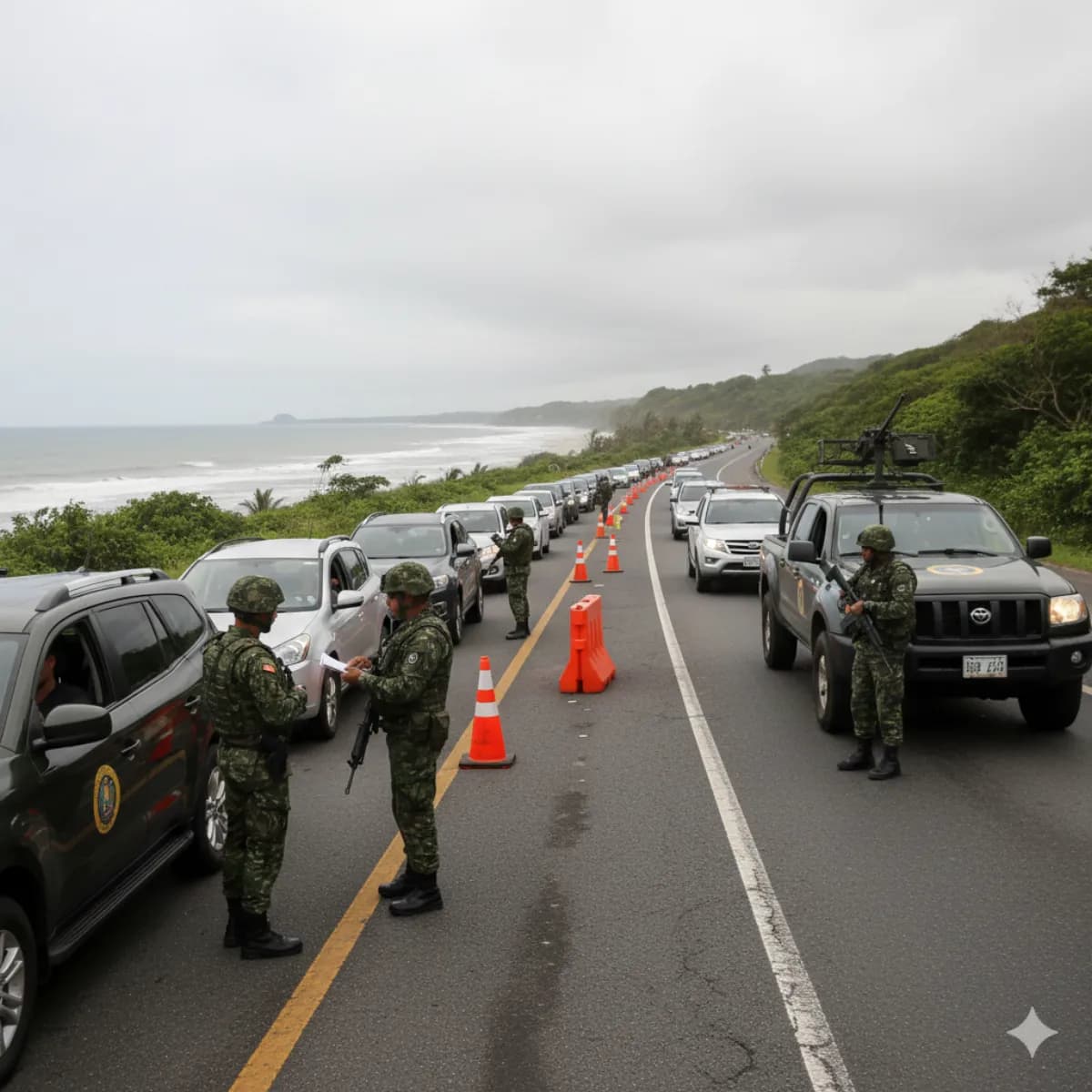
Ecuador’s new state of exception applies for 60 days in ten provinces and three cantons. There is no curfew for now, but the decree allows temporary limits on home and correspondence protections while security forces operate in the covered areas.