Daily coverage from across the country, written for the expat community
Colombia is considering restarting electricity exports to Ecuador, but El Niño could make those sales uncertain from November 2026 into early 2027. The issue matters because the Colombia interconnection can supply about 450 MW, nearly 10% of Ecuador’s average demand.
Ecuador’s tax authority says automatic IVA refund or exemption is available at authorized stores for adults over 65 and people with disabilities. The list includes major supermarket and pharmacy chains, but shoppers need a confirmation code before paying.
BIESS has modernized InmoBiess, a web platform where affiliates and retirees can review qualified housing projects and estimate mortgage payments. The tool includes projects by city, price and number of bedrooms, but it does not replace the formal credit evaluation.
LATAM has opened ticket sales for a new direct Quito-Santiago route beginning in December 2026. The airline says it will operate four weekly flights, add about 35,000 seats per year and reduce travel time by roughly 1.5 to 3 hours compared with connecting options.
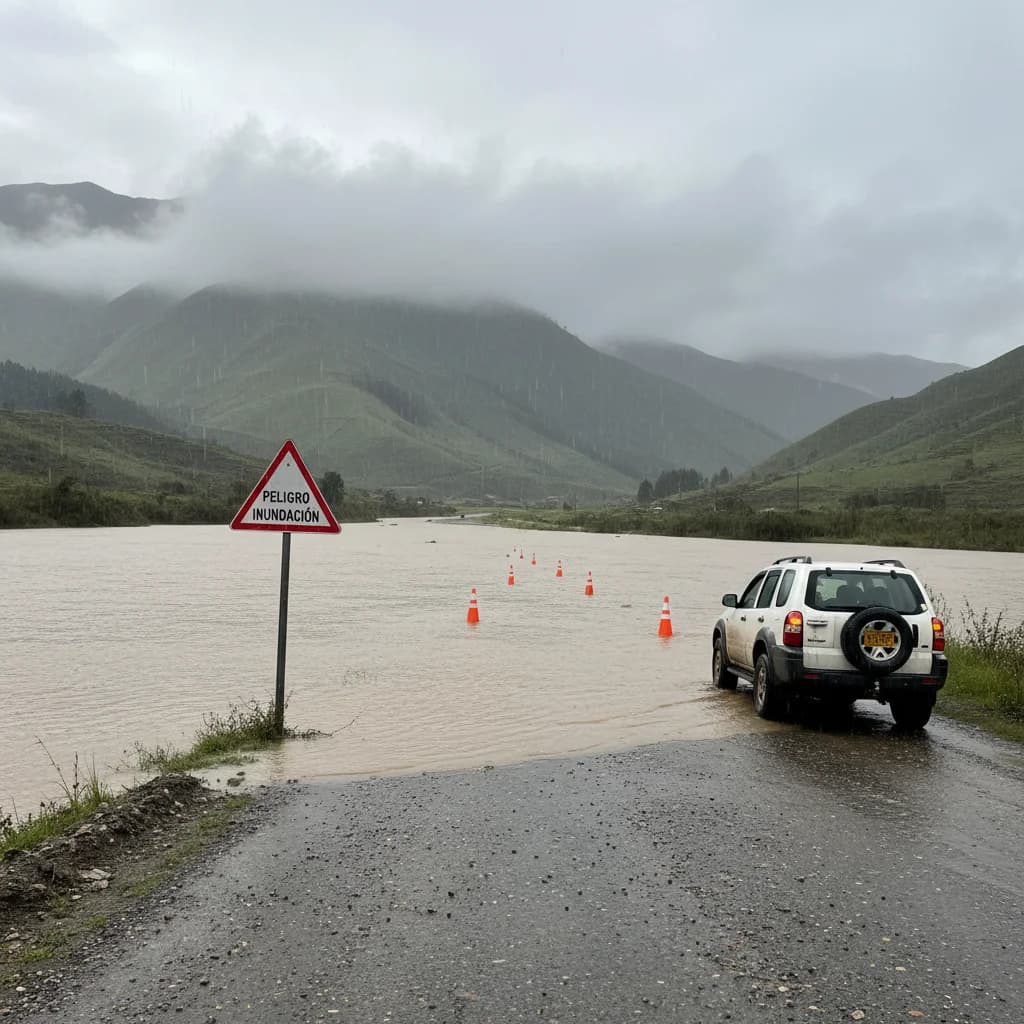
Manabí remains under yellow alert as authorities prepare for possible El Niño impacts. Risk work is focused on river basins, rural flood zones, unstable slopes and historically affected cantons including Chone, Portoviejo, Rocafuerte, Sucre, Santa Ana, Montecristi and Jipijapa.
Ecuador is warning of high-energy waves from June 23 through June 25, 2026, with 12 beaches under red flag and 29 under yellow flag. The alert covers coastal and island areas and matters for beach travel, fishing and ocean activities.
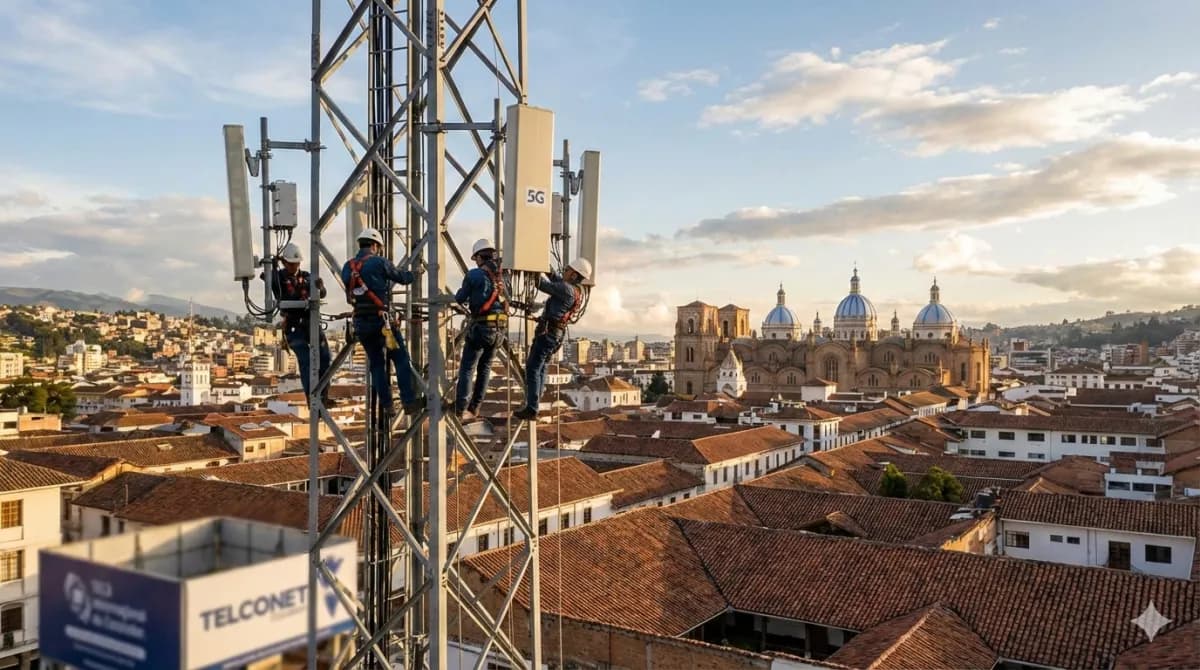
CNT says 80% of institutional clients have recovered services after a data-center failure affected state platforms and mobile users. The company also said 75% of cloud operations had been fully restored by the afternoon of June 22.
Ecuador and the United States signed a border-security implementation letter on June 22 to coordinate against transnational crime, drug trafficking, illegal immigration and other border-zone threats.
Ecuador recorded 12,322 vehicle-embargo judicial processes in 2025, and 10,609 more from January through May 2026. The numbers matter for anyone financing a car under a pledge or title-reservation structure.
Ecuador’s unemployment rate fell to 3.1% in May 2026, while adequate employment stood at 36.6% and 52.8% of employed people were in the informal sector.
Regressive erosion on the Coca River has damaged key infrastructure for more than six years, with estimated losses between $4.7 billion and $5.5 billion through May 2026. The risk matters nationally because Coca Codo Sinclair supplies about 25% of Ecuador's average electricity demand.
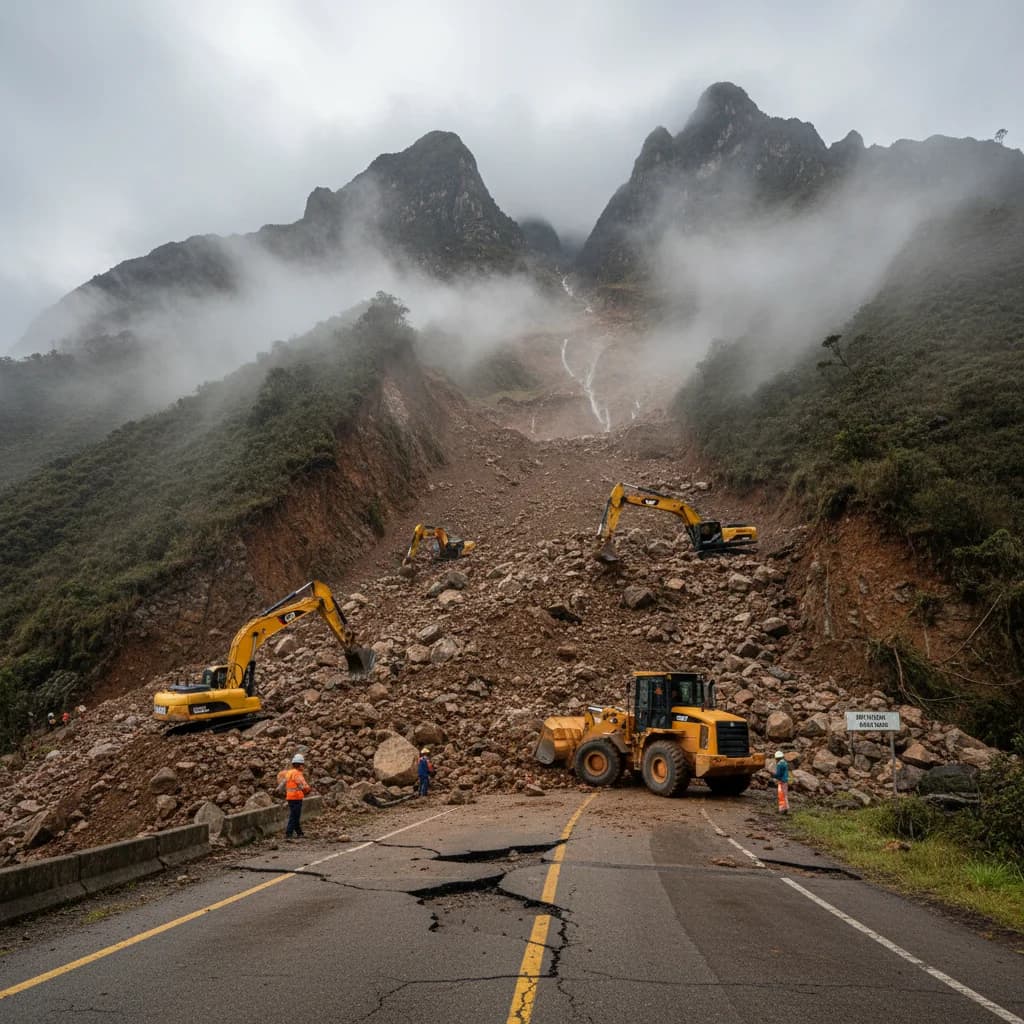
Traffic on the Balbanera-Pallatanga-Cumandá road is restricted from June 22 through June 28, 2026 for rehabilitation works. The route is a key Sierra-to-Coast corridor used by private vehicles, interprovincial buses and heavy cargo.