Guayaquil Mayor Aquiles Alvarez Arrested and Sent to Latacunga Prison in ‘Caso Goleada’

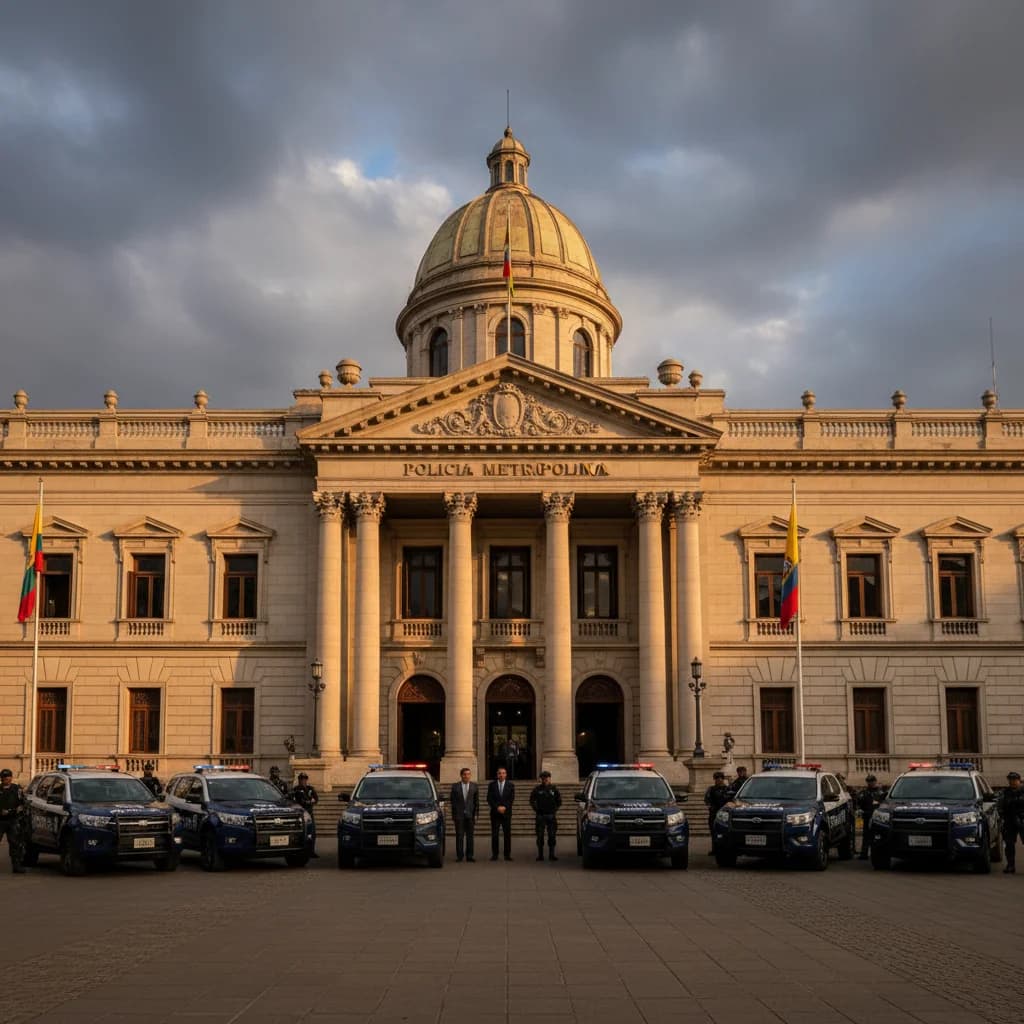
The mayor of Guayaquil — Ecuador’s largest city by population and its economic engine — is now in prison.
Aquiles Alvarez was ordered into preventive detention and transferred to a prison in Latacunga (Cotopaxi province, in the central highlands) as part of the “Caso Goleada” criminal investigation. Four other defendants were sent to Turi prison in Cuenca.
The Charges
Alvarez faces charges related to:
- Organized crime
- Fuel trafficking
The investigation, known as “Caso Goleada,” resulted in 11 arrests across Guayas province. The operation was coordinated by the Attorney General’s office and executed with judicial authorization.
Why Latacunga?
Transferring a Guayaquil political figure to a highland prison — hundreds of kilometers from his power base — is a deliberate security and logistical decision. It reduces the risk of political interference, limits access to local networks, and places the defendant in a facility outside the coastal province where organized crime operates most intensely.
Political Reactions
Quito Mayor Pabel Muñoz expressed concern, stating that “the rule of law must prevail” — a carefully worded statement that neither defended Alvarez nor endorsed the prosecution.
The National Assembly is divided over the detention, with some legislators calling it a political prosecution and others supporting the judiciary’s independence. Correísta congressman Juan Andrés González was separately suspended for nine days by the CAL (Legislative Administrative Council) — adding to the political turbulence.
Governance Impact
Guayaquil’s municipal government doesn’t stop functioning because the mayor is detained — the vice mayor assumes executive functions. But the practical impact is significant: major infrastructure projects, budget decisions, and security coordination in Ecuador’s most important economic city are now in limbo.
What This Means for Expats
Confused about which visa fits your situation? Book a 30-minute consultation with Chip and leave with a clear plan.
Book a consultation- Guayaquil governance: If you live in or do business in Guayaquil, the city’s administrative capacity is weakened. Expect delays in municipal permits, services, and infrastructure projects
- Airport and transit: The José Joaquín de Olmedo International Airport (GYE) and Guayaquil’s port — critical infrastructure for the entire southern region — operate under national and concession authority, not the mayor’s office directly. No immediate disruption expected
- Political instability signal: A sitting mayor of Ecuador’s largest city arrested on organized crime charges is a sign of how deeply criminal networks have penetrated politics. This joins a pattern: multiple politicians, judges, and officials have been arrested or assassinated in recent years
- Fuel implications: The fuel trafficking component of the charges is relevant because Ecuador has struggled with fuel smuggling — particularly diesel — across its borders. Corruption in fuel distribution affects prices and availability
- Broader pattern: This is the latest in a series of high-profile anti-corruption actions. Whether it represents genuine rule-of-law progress or political weaponization depends on who you ask — but either way, it’s a governance disruption
Sources: Primicias, Teleamazonas, Expreso
More in Politics
View all →Keep practical Ecuador coverage free to read.
Reader support helps fund source monitoring, translation, editing, publishing, and national coverage for expats across Ecuador.
Need help with your Ecuador visa? EcuaPass handles the paperwork for you. Learn more →
Comments
No comments yet. Be the first to share your thoughts!