Daily coverage from across the country, written for the expat community
Results for “Guayaquil”Clear
Guayaquil’s ATM is offering staged discounts for July vehicle technical review appointments tied to plates ending in 6. The discount falls from 20% to 10% as the July 15 cutoff approaches.
Interprovincial buses were operating normally Friday morning after Fenacotip called off its planned July 3 stoppage. Travelers should still watch the fare talks now moving to technical tables with ANT.
Guayaquil riders will keep paying 30 cents for the first 180 days after the ordinance is published. After that transition, fares depend on whether each bus unit completes the required modernization process.
U.S. Secretary of State Marco Rubio announced the designation of Ecuador’s Chone Killers as a foreign terrorist organization and specially designated global terrorist. Ecuador’s Foreign Ministry thanked the United States for the backing.
Ecuador’s 2026 vehicle-registration calendar moves to plates ending in 6 during July. Owners should check local transit-agency portals, pay pending values and complete technical review before the month ends.
An incident at the Paute Molino substation caused outages and programmed disconnections in several parts of Ecuador early Tuesday, including Quito, Guayaquil, Cuenca and Loja.
Seismic specialists are warning that Guayaquil’s soft soils, older structures and informal construction could make parts of the city especially vulnerable in a major earthquake.
Salinas has opened its humpback whale watching season, with accredited boats offering two-hour trips and a reported fare of $21 per passenger.
Guayaquil’s Aerovia fare rises on July 1, 2026. The regular fare will be $0.76, while the reduced fare for priority groups will be $0.38.
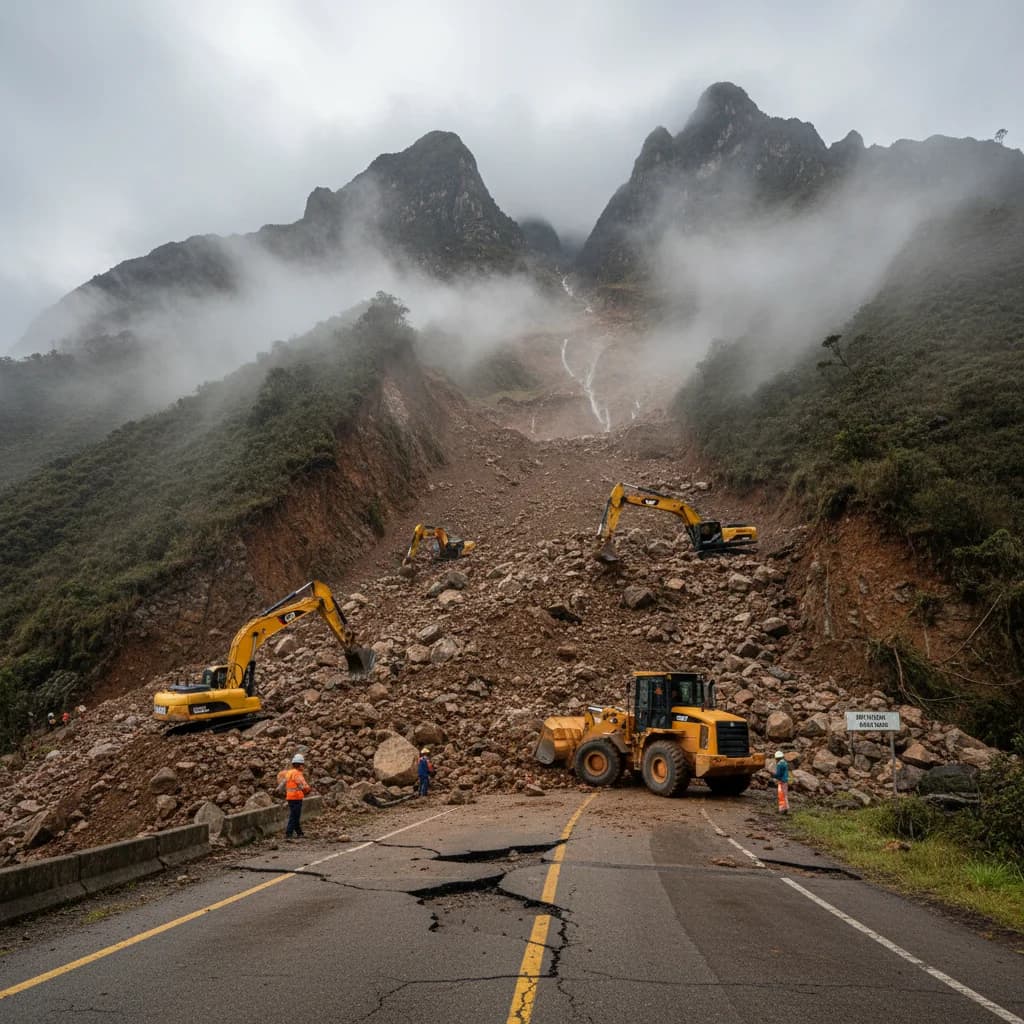
Traffic on the Balbanera-Pallatanga-Cumandá road is restricted from June 22 through June 28, 2026 for rehabilitation works. The route is a key Sierra-to-Coast corridor used by private vehicles, interprovincial buses and heavy cargo.
A water-service interruption affected several communes, neighborhoods and settlements along Guayaquil’s Vía a la Costa on June 21, 2026. Interagua said the problem came from a leak in the aqueduct near kilometer 51 and began supplying affected areas with tanker trucks.
Ecuadorian authorities say five people were detained in an alleged migrant-trafficking network that operated in Guayas and Tungurahua. The case involves current and former Migration officials, real passports used with substituted identities, and alleged illegal fees of $5,000 to $8,000.