Valentine’s Week: Airlines Move 40,000+ Tons of Ecuadorian Roses to the World

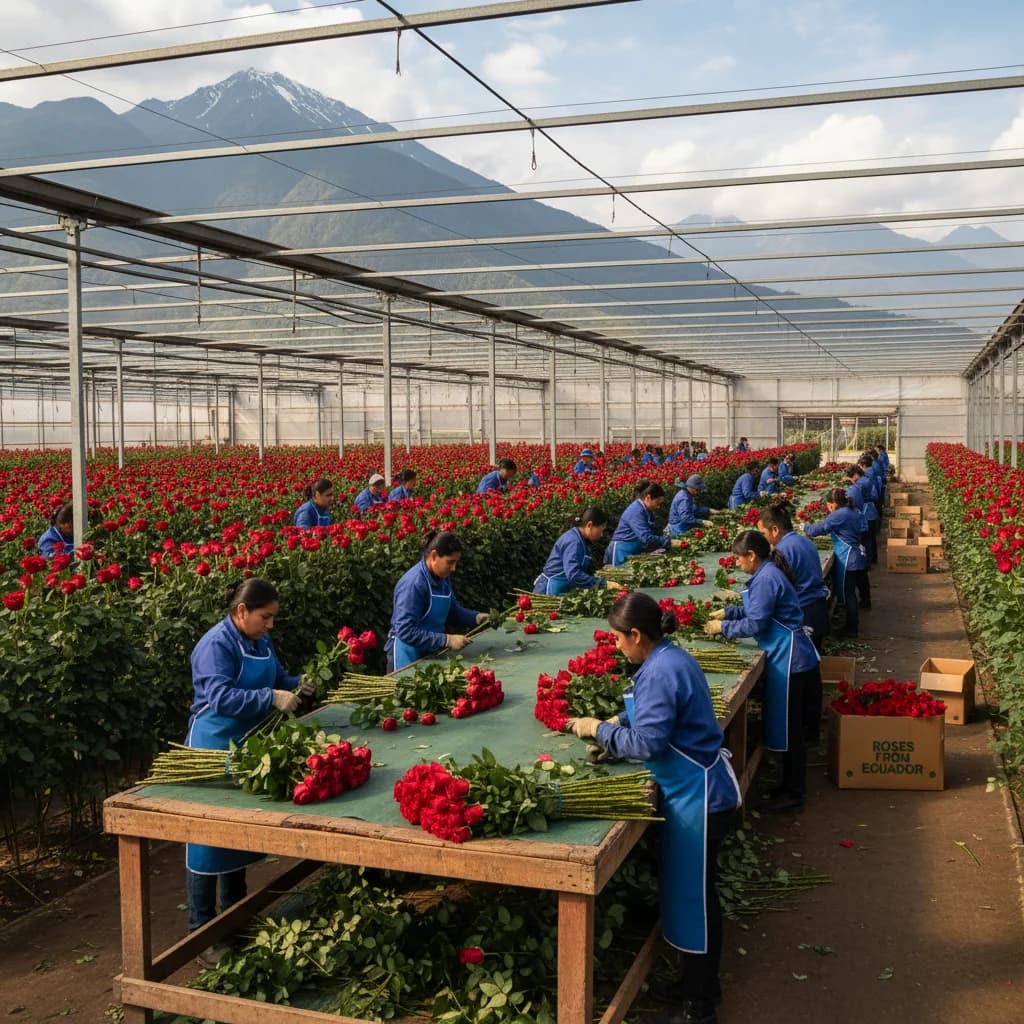
If you’ve been wondering why the Quito airport has been buzzing and the highways around the northern highlands have been packed with refrigerated trucks — it’s Valentine’s season.
LATAM Cargo and Avianca transported over 40,000 tons of roses from Ecuador in the lead-up to February 14, making this the country’s most intensive airfreight period of the year.
Ecuador’s Flower Machine
Ecuador is the world’s third-largest flower exporter (behind the Netherlands and Colombia), and roses are the flagship product. The country exported $1.045 billion in flowers in 2025 — and a disproportionate chunk of that revenue is concentrated in the weeks before Valentine’s Day.
The industry is centered in the northern highlands, primarily in:
- Cayambe and Tabacundo (Pichincha province) — the heart of Ecuador’s rose country
- Cotopaxi and Imbabura provinces
- Altitudes of 2,800-3,000 meters — the equatorial sunshine and cool nights produce some of the world’s largest, most vibrant rose blooms
The Logistics
Getting 40,000+ tons of cut flowers from highland farms to doorsteps in Miami, Amsterdam, and Moscow within 48-72 hours of cutting requires military-grade logistics:
- Flowers are cut, sorted, hydrated, and packed in temperature-controlled facilities on the farms
- Refrigerated trucks transport them to Quito’s Mariscal Sucre Airport (recently expanded — good timing)
- Cargo planes fly direct to Miami (primary U.S. hub), Amsterdam (European distribution), and other markets
- The entire cold chain — from farm to vase — must maintain 2-4°C
The Economic Impact
The flower industry employs an estimated 100,000+ workers in Ecuador, the majority of them women working in farms and packing facilities. Valentine’s season means overtime, temporary hiring, and peak revenue for rural highland communities.
Flower exports generated $1.045 billion in 2025 with 3% growth — modest compared to shrimp or cocoa, but the industry provides stable, year-round employment in areas with limited alternatives.
What This Means for Expats
Confused about which visa fits your situation? Book a 30-minute consultation with Chip and leave with a clear plan.
Book a consultation- Buy local: You can get world-class roses in Ecuador for a fraction of what they cost abroad. A dozen long-stem roses at a Cuenca or Quito market runs $3-5. The same bouquet retails for $50-80 in the United States
- Airport traffic: If you’re flying out of Quito this week, expect cargo-related activity. Passenger operations shouldn’t be affected, but the airport will be busier than usual
- Highway traffic: The Panamericana north of Quito (toward Cayambe) will have heavy truck traffic through February 14
- Employment signal: The flower industry’s health matters for the highland economy. Strong Valentine’s exports mean stable employment and spending power in the northern Sierra
- Fun fact: The next peak season is Mother’s Day (May) — Ecuador’s second-biggest flower export event
Source: Expreso
More in Economy
View all →Ecuador Businesses Asked to Use Generators Voluntarily as the Dry Season Begins
September 10, 2026
Store-Credit Reporting Gaps Put the Paperwork Behind Installment Purchases in Focus
September 10, 2026
Study Finds the Widest Financial Gaps Among Women, Young People, and Rural Ecuadorians
September 8, 2026
Keep practical Ecuador coverage free to read.
Reader support helps fund source monitoring, translation, editing, publishing, and national coverage for expats across Ecuador.
Need help with your Ecuador visa? EcuaPass handles the paperwork for you. Learn more →
Comments
No comments yet. Be the first to share your thoughts!


