700 Hectares Flooded in Guayas — 38,000 Agricultural Producers at Risk as Winter Rains Hit the Coast

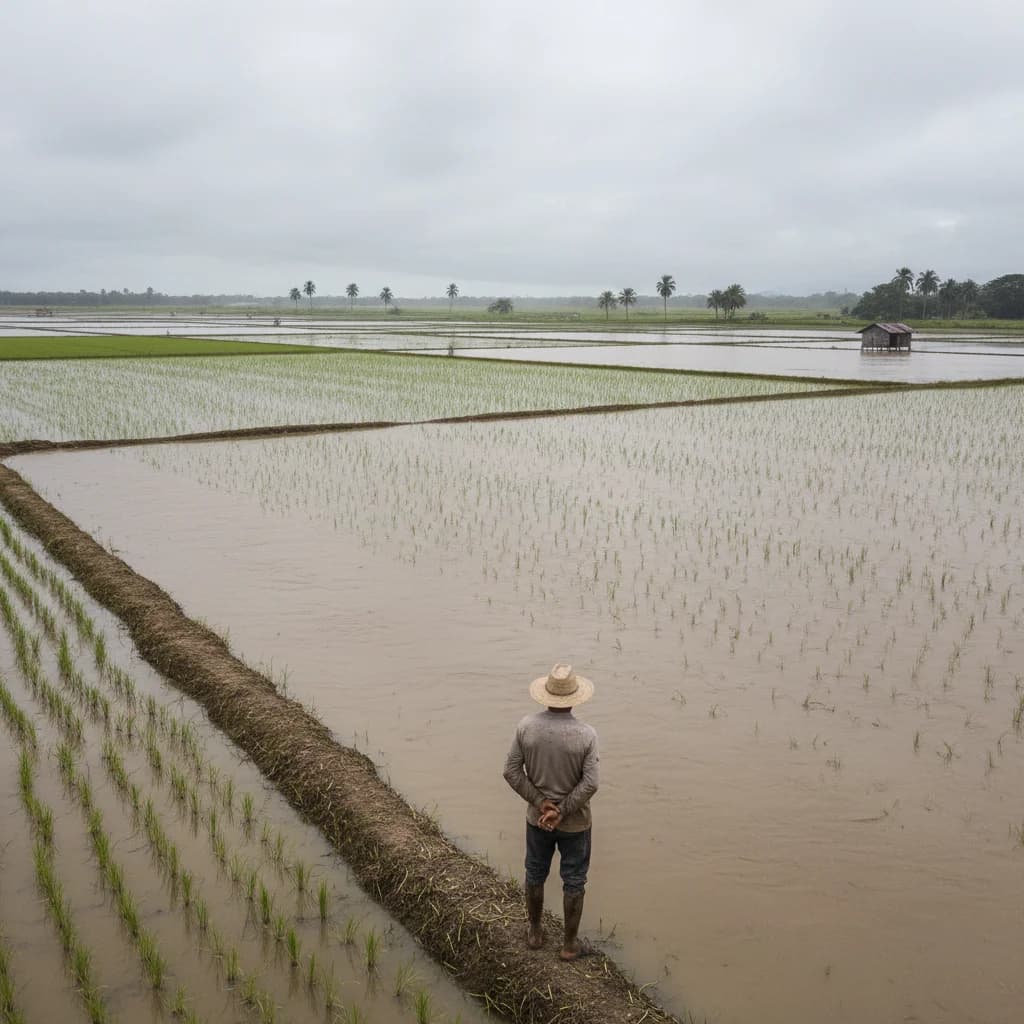
The coast is getting hammered.
Heavy rains across Guayas province have flooded 700 hectares of agricultural land, threatening the livelihoods of approximately 38,000 producers who depend on crops now underwater.
What’s Flooded
Guayas is Ecuador’s most productive agricultural lowland — the province produces a significant share of the country’s rice, corn, cacao, and tropical fruits. The flooded areas are concentrated in rural cantons where drainage infrastructure is limited and rivers overflow during peak rainy season.
The crops most at risk:
- Rice: Guayas produces the majority of Ecuador’s rice. Flooding during the growing season can destroy entire harvests
- Corn: A staple crop for both domestic consumption and animal feed
- Cacao: While cacao trees can tolerate some flooding, prolonged waterlogging damages root systems and reduces yields
Context: A National Pattern
The flooding in Guayas is part of a broader pattern. The national government has activated red alerts in three provinces (Pichincha, Esmeraldas, Los Ríos) and orange alerts in 16 more — including Guayas. INAMHI forecasts continued rain and thunderstorms through mid-February.
The Guayas lowlands are especially vulnerable because:
- Flat terrain means water has nowhere to drain quickly
- Drainage canals built decades ago are often clogged or insufficient for current rainfall patterns
- Urbanization upstream (particularly around Guayaquil) reduces water absorption capacity
Government Response
Provincial authorities are coordinating with the SNGR (Risk Management Secretariat) on emergency drainage and agricultural damage assessment. However, smallholder farmers — who make up the majority of the 38,000 affected — typically lack crop insurance and face devastating income losses from a single bad season.
What This Means for Expats
Confused about which visa fits your situation? Book a 30-minute consultation with Chip and leave with a clear plan.
Book a consultation- Food prices: When Guayas floods, food prices go up across Ecuador. Rice, a kitchen staple, could see price increases in the coming weeks if the crop damage is severe
- Coast travel: If you’re heading to the coast for Carnival, rural roads in Guayas province may be impassable. Stick to main highways and check road conditions via ECU 911
- Guayaquil impact: The city itself has drainage issues during heavy rains. Low-lying neighborhoods and streets near the Guayas River flood regularly. If you’re in Guayaquil, avoid underground parking during downpours
- Agricultural investment: If you own or are considering buying farmland on the coast, flooding risk is a critical factor. Not all land is equally vulnerable — elevation differences of even a few meters matter enormously in the lowlands
- Seasonal pattern: This is normal for February in Ecuador — the rainy season runs roughly January through May on the coast. But the intensity appears above average this year
Source: Expreso, SNGR
More in Safety
View all →Keep practical Ecuador coverage free to read.
Reader support helps fund source monitoring, translation, editing, publishing, and national coverage for expats across Ecuador.
Need help with your Ecuador visa? EcuaPass handles the paperwork for you. Learn more →
Comments
No comments yet. Be the first to share your thoughts!