Daily coverage from across the country, written for the expat community
Results for “flooding”Clear
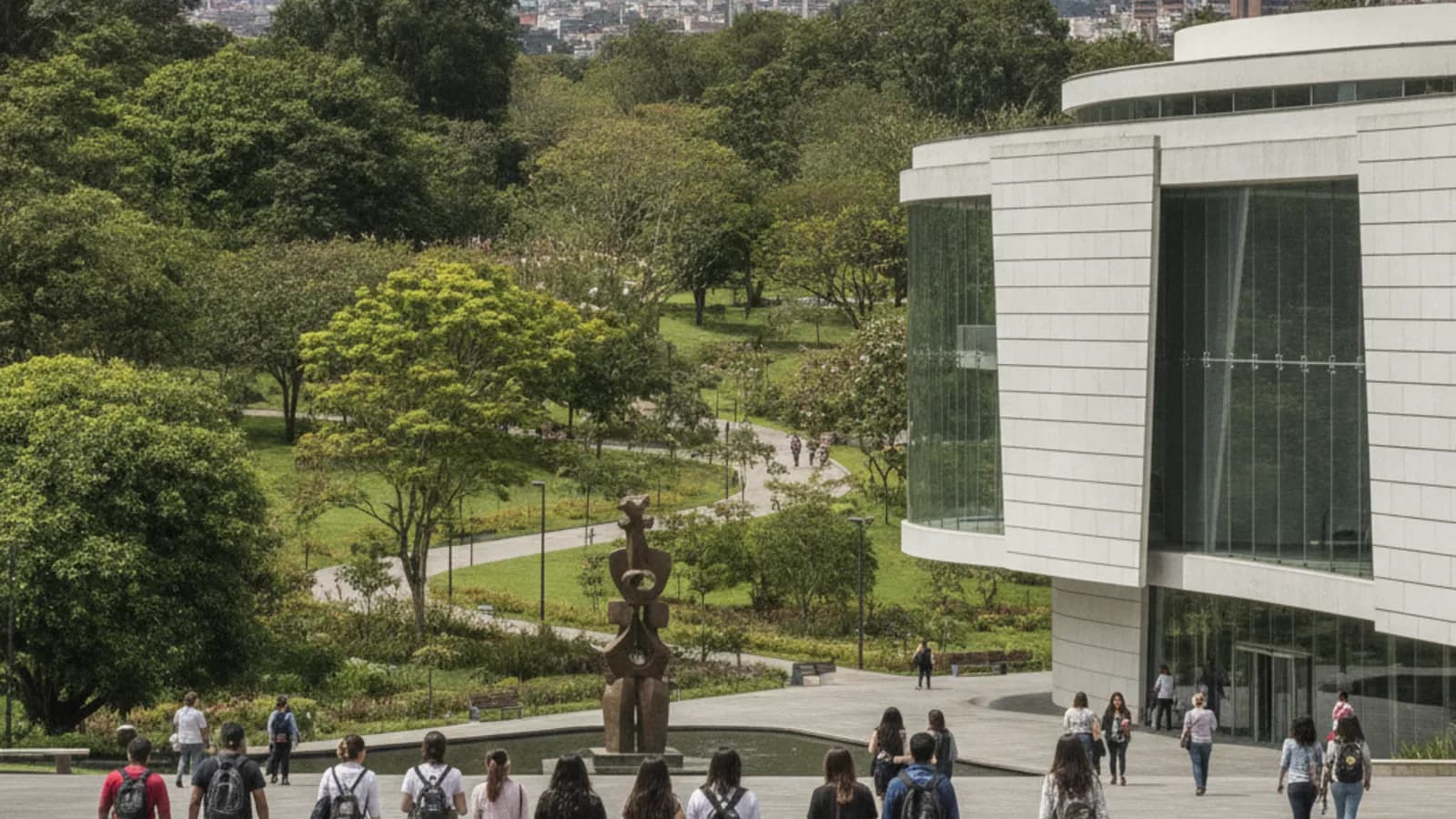
The winning design for Ecuador’s new National Museum in Quito calls for a 36,000-square-meter building near La Carolina to house about 1.4 million cultural and heritage items.
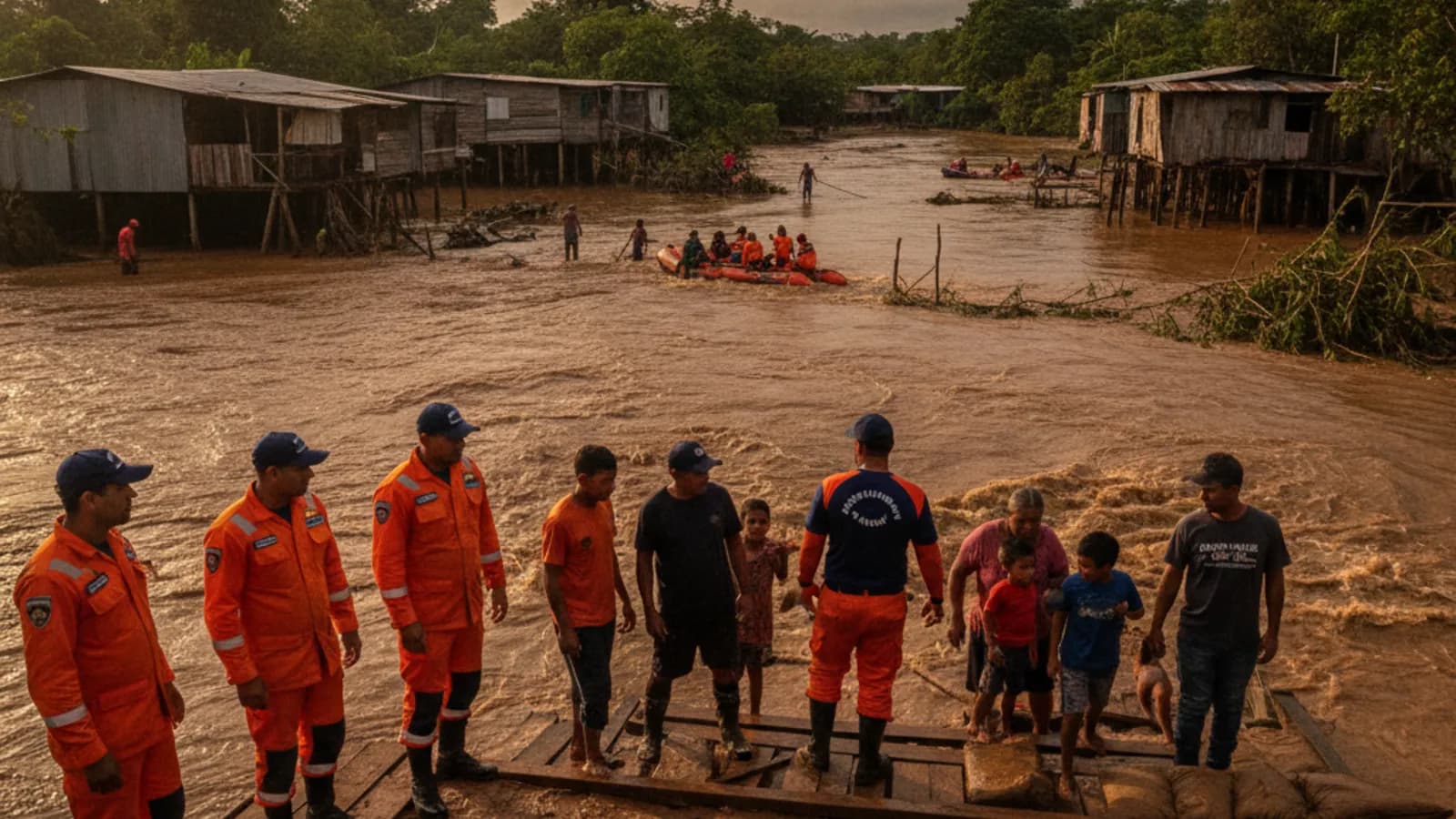
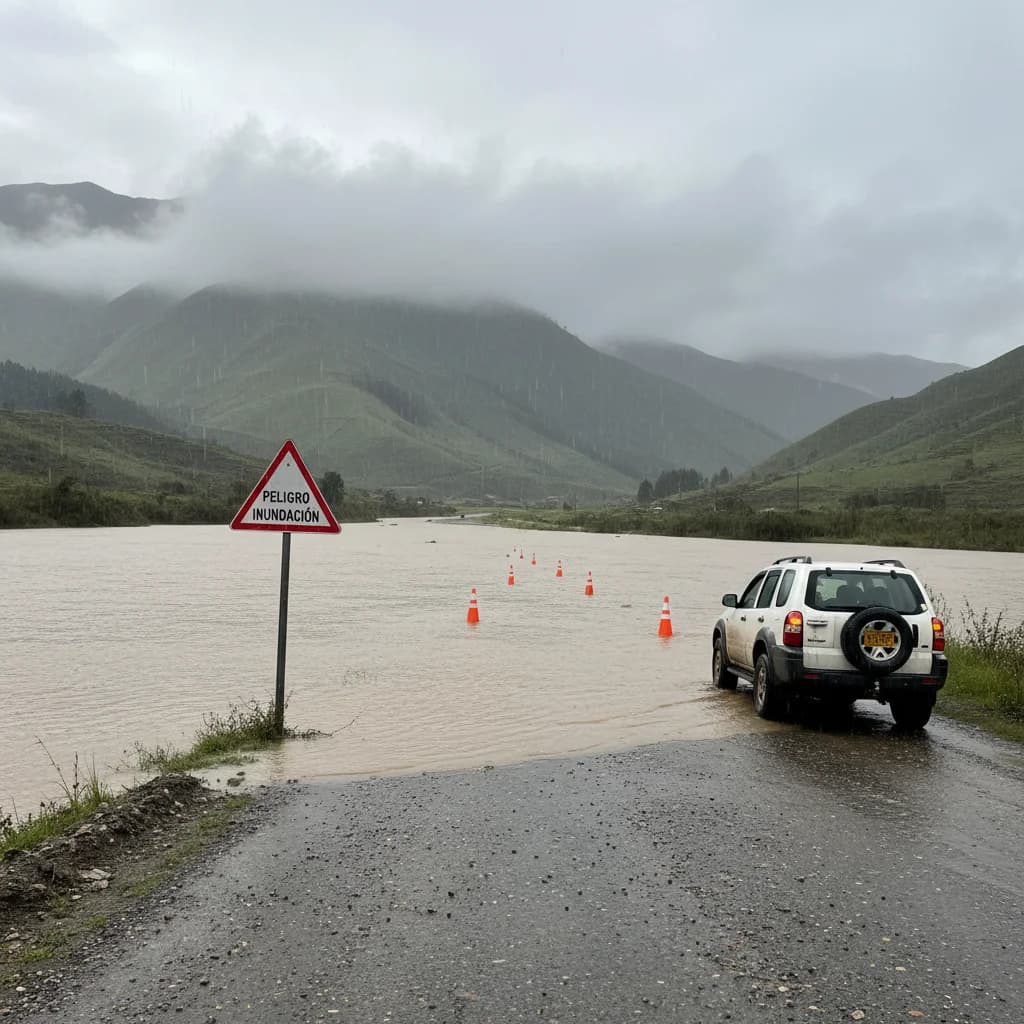
A severe flooding emergency in Zamora Chinchipe left five people dead, trapped residents on roofs and river islets, and disrupted the Loja-Zamora route. Rescue teams reported 38 civilians and 10 firefighters brought to safety.
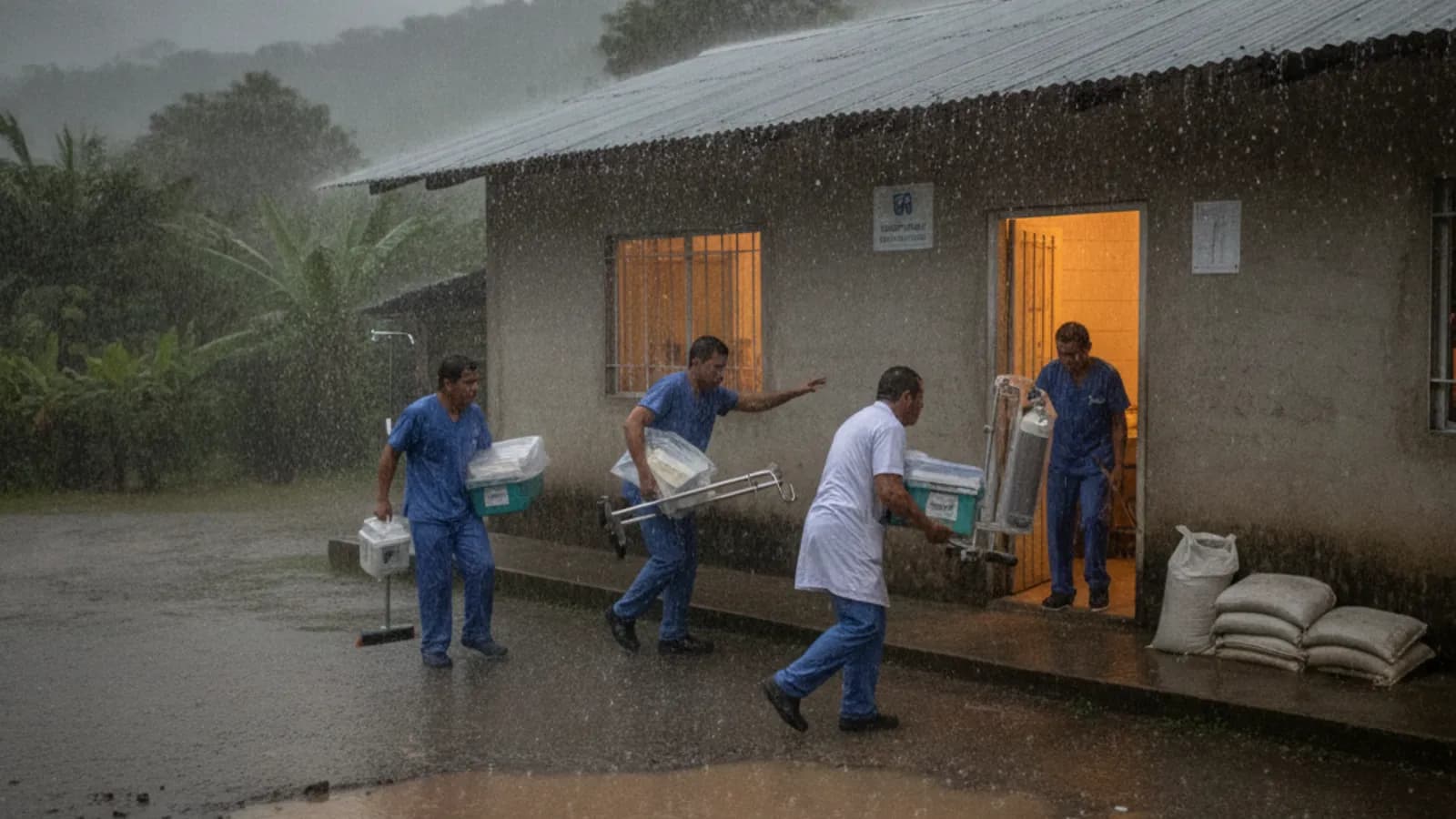
At least 460 hospitals and health centers are located in Ecuador parishes under yellow alert for El Nino. Most are small health centers, and the risk list is concentrated heavily in Manabi and Guayas.
INAMHI expects variable-intensity rain on June 27, especially in the Amazon region. A meteorological alert remains in effect through June 28 for moderate to strong rain in the Amazon and isolated events in the northern Coast.
A strong storm in Santo Domingo on the night of June 25 caused flooded homes and damage to educational and sports infrastructure. Emergency calls came after 23:00, with responders mobilized through ECU 911.
Manabí remains under yellow alert as authorities prepare for possible El Niño impacts. Risk work is focused on river basins, rural flood zones, unstable slopes and historically affected cantons including Chone, Portoviejo, Rocafuerte, Sucre, Santa Ana, Montecristi and Jipijapa.
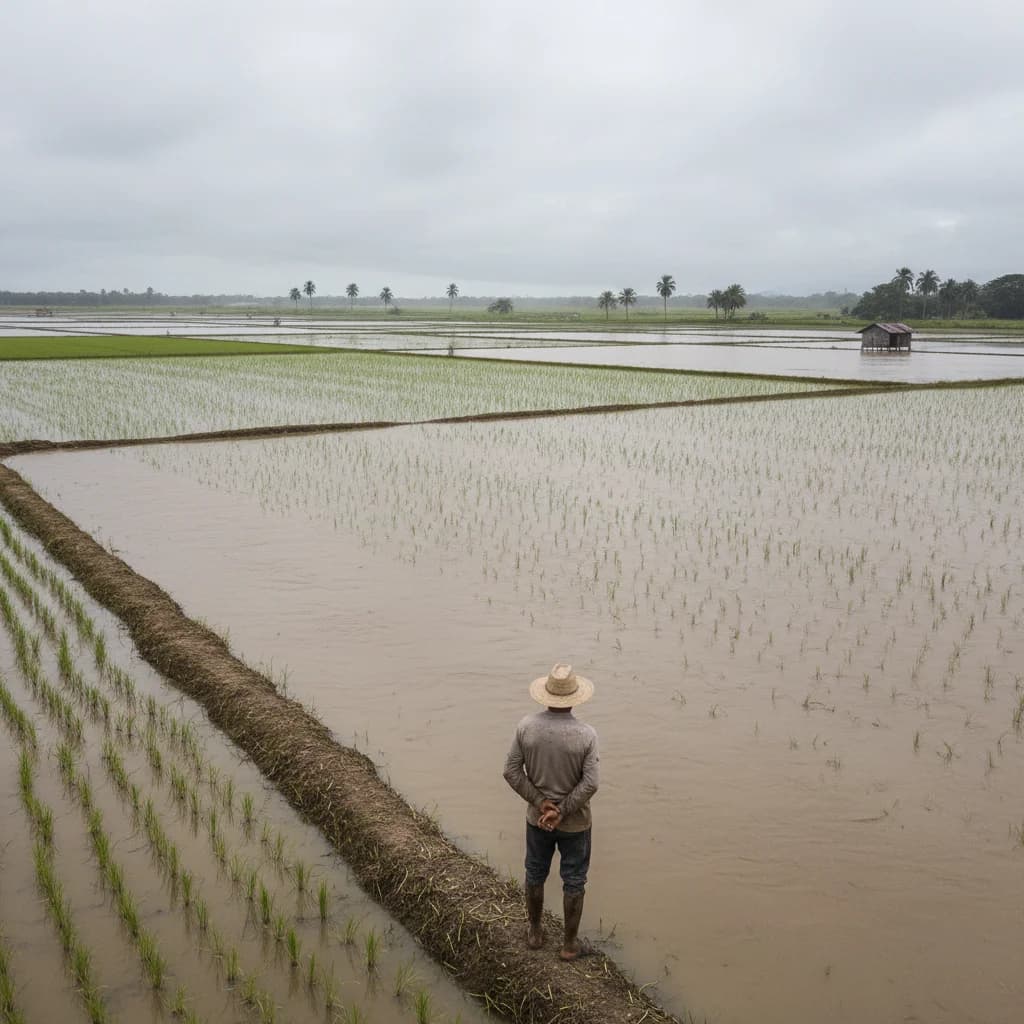
A heavy downpour on Thursday, June 11, flooded streets in Ibarra and Atuntaqui, with water rising above half a meter in some areas. In Cotacachi, farmers in Peribuela reported damaged corn and fruit crops after the storm and hail.
Weather officials say Ecuador's recent intense rains should begin easing nationally from Thursday, with the Coast seeing reduced intensity and the Sierra seeing more solar radiation. Guayaquil recorded 90-100 millimeters of rain in two days, roughly double the normal amount for the month.
Guayaquil saw flooding for the second consecutive day after intense rain affected northern, central and southern sectors. Critical points included Sauces, Samanes, Las Orquideas, Bastion and Via Perimetral.
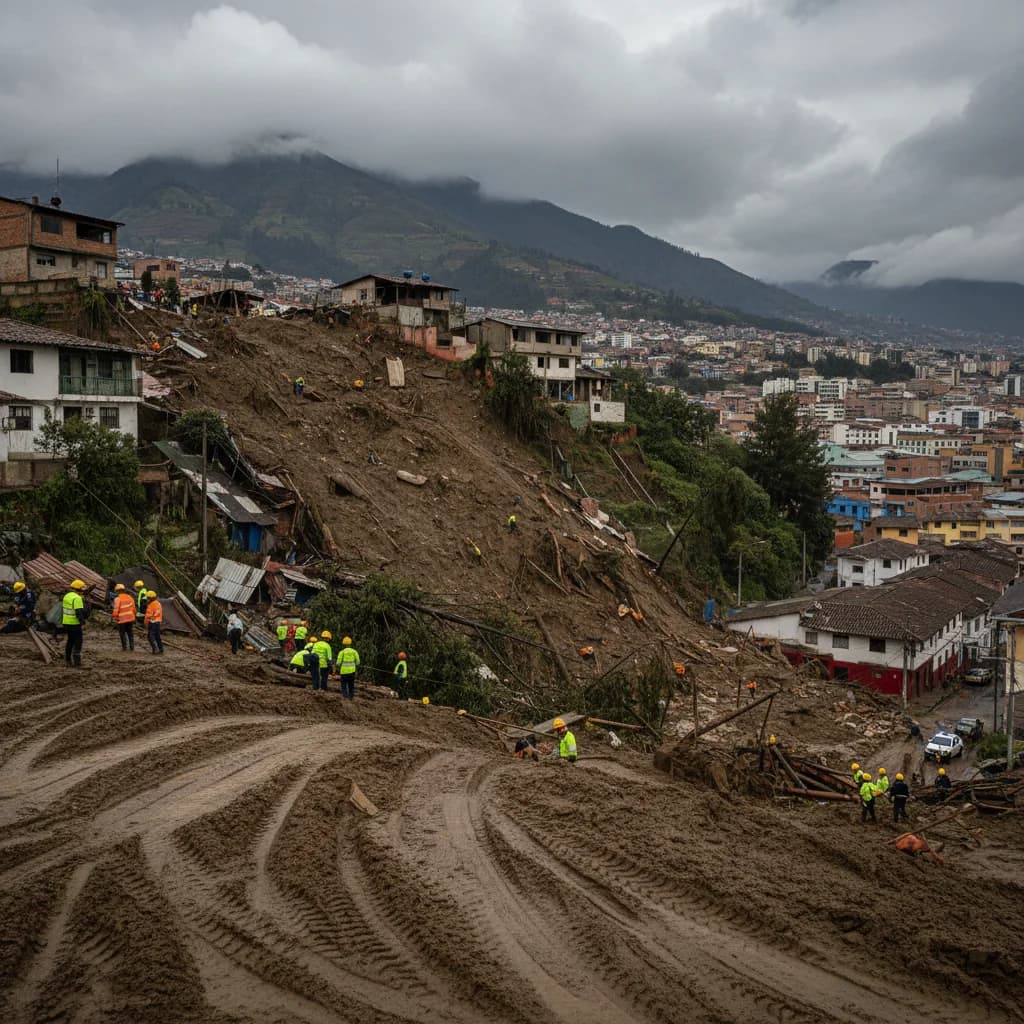
Quito remains under a rain and storm alert from 17:00 on June 7 until 10:00 on June 10. Municipal monitoring is focused on areas at risk of flooding and landslides, including sectors in Calderon, Quitumbe, Tumbaco and Los Chillos.
A strengthening coastal El Nino episode off Peru could reach Ecuadorian waters within two weeks. Ocean-monitoring indicators show Nino 1+2 approaching +3 C, while some sea-surface readings reached 6.4 C above average.
Primicias reports INAMHI meteorological warning 41 forecasts high-intensity rain from the afternoon of June 2 through June 5. The Amazon, north Coast and northern Sierra are the main areas to watch.