Ecuador-Colombia Trade War Escalates: 30% Tariffs, Energy Cutoff, and a 900% Pipeline Levy

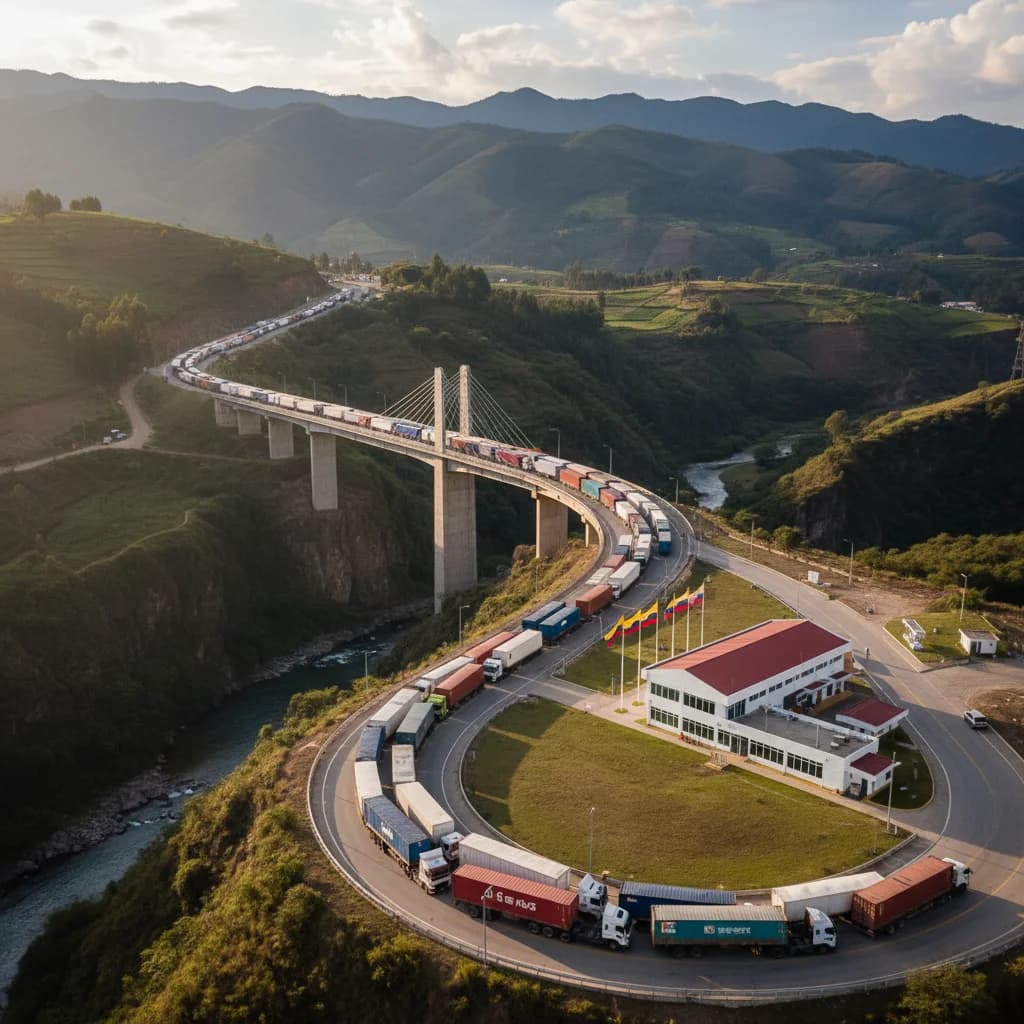
Ecuador and Colombia — two countries that share a 600-kilometer border, billions in trade, and a mutual drug trafficking problem — are now locked in the most serious bilateral trade dispute in decades.
Here’s what happened, what each side did, and why it matters if you live in Ecuador.
How It Started
President Daniel Noboa announced a 30% tariff on Colombian imports, effective February 2026. His stated reasons:
- An $850 million+ trade deficit with Colombia that Noboa called unsustainable
- A lack of Colombian cooperation on border security — the shared frontier remains a stronghold for criminal organizations, FARC dissidents, and drug trafficking networks
- What Noboa framed as a lack of reciprocity in the bilateral relationship
The tariff applies broadly to Colombian goods entering Ecuador, including medicines, vehicles, cosmetics, and plastics.
Colombia’s Response
Bogotá escalated rather than negotiated:
- Suspended electricity exports to Ecuador starting February 1 — a critical move because roughly 70% of Ecuador’s power generation is hydroelectric and Colombia has been a key backup supplier during droughts
- Announced 30% counter-tariffs on 23 Ecuadorian products (the specific list hasn’t been published yet), with the option to expand to more goods
- Has not yet actually collected the counter-tariffs as of mid-February
The Pipeline Bomb
Separately, Ecuador raised the tariff on Colombian crude oil transported through the Trans-Ecuadorian Oil Pipeline System (SOTE) from $3 to $30 per barrel — a 900% increase. This affects about 10,300 barrels per day transported by Colombia’s state oil company Ecopetrol and private firms.
This is a significant revenue lever: at $30/barrel on 10,300 bpd, Ecuador collects roughly $309,000 per day from Colombian oil transit alone.
What’s at Stake
The trade between these two countries is substantial:
| Ecuador exports to Colombia | Colombia exports to Ecuador | |---|---| | Vegetable oils and fats | Medicines | | Canned tuna | Vehicles | | Minerals and metals | Cosmetics | | Non-oil exports grew 4% last year | Plastics |
Over 16,600 freight trips per year cross the Rumichaca border — all now threatened by the dispute. Merchants and truckers on both sides have already protested.
Diplomatic Status
Colombia proposed a high-level ministerial meeting involving foreign affairs, defense, trade, and energy officials. No date has been confirmed. Both sides are publicly blaming the other for maintaining tariffs after an unsuccessful round of talks in Quito.
What This Means for Expats
Confused about which visa fits your situation? Book a 30-minute consultation with Chip and leave with a clear plan.
Book a consultation- Electricity risk: If Colombia’s power suspension holds through dry season (typically June-October), Ecuador could face rolling blackouts like those in late 2023 and 2024. If you experienced those, you know the drill — generators, UPS systems, and stocked freezers
- Price increases: Colombian imports include everyday items — medicines, packaged foods, personal care products. A 30% tariff means higher shelf prices at Supermaxi, Coral, and pharmacies
- Border travel: If you cross to Colombia via Tulcán/Ipiales regularly, expect longer wait times, more inspections, and a tense atmosphere at Rumichaca
- The bigger picture: Ecuador is simultaneously managing a security crisis, fiscal pressure from oil revenue declines, and now a trade war with its second-largest trading partner. This compounds economic uncertainty
Sources: The City Paper Bogotá, ABC News, Primicias, Washington Post
More in Economy
View all →Ecuador Businesses Asked to Use Generators Voluntarily as the Dry Season Begins
September 10, 2026
Store-Credit Reporting Gaps Put the Paperwork Behind Installment Purchases in Focus
September 10, 2026
Study Finds the Widest Financial Gaps Among Women, Young People, and Rural Ecuadorians
September 8, 2026
Keep practical Ecuador coverage free to read.
Reader support helps fund source monitoring, translation, editing, publishing, and national coverage for expats across Ecuador.
Need help with your Ecuador visa? EcuaPass handles the paperwork for you. Learn more →
Comments
No comments yet. Be the first to share your thoughts!


