Daily coverage from across the country, written for the expat community
Results for “Noboa”Clear
U.S. Secretary of State Marco Rubio announced the designation of Ecuador’s Chone Killers as a foreign terrorist organization and specially designated global terrorist. Ecuador’s Foreign Ministry thanked the United States for the backing.
President Daniel Noboa extended the liquidation period for Correos del Ecuador by another 45 days starting July 1. The state postal company's closure process has dragged on since 2020.
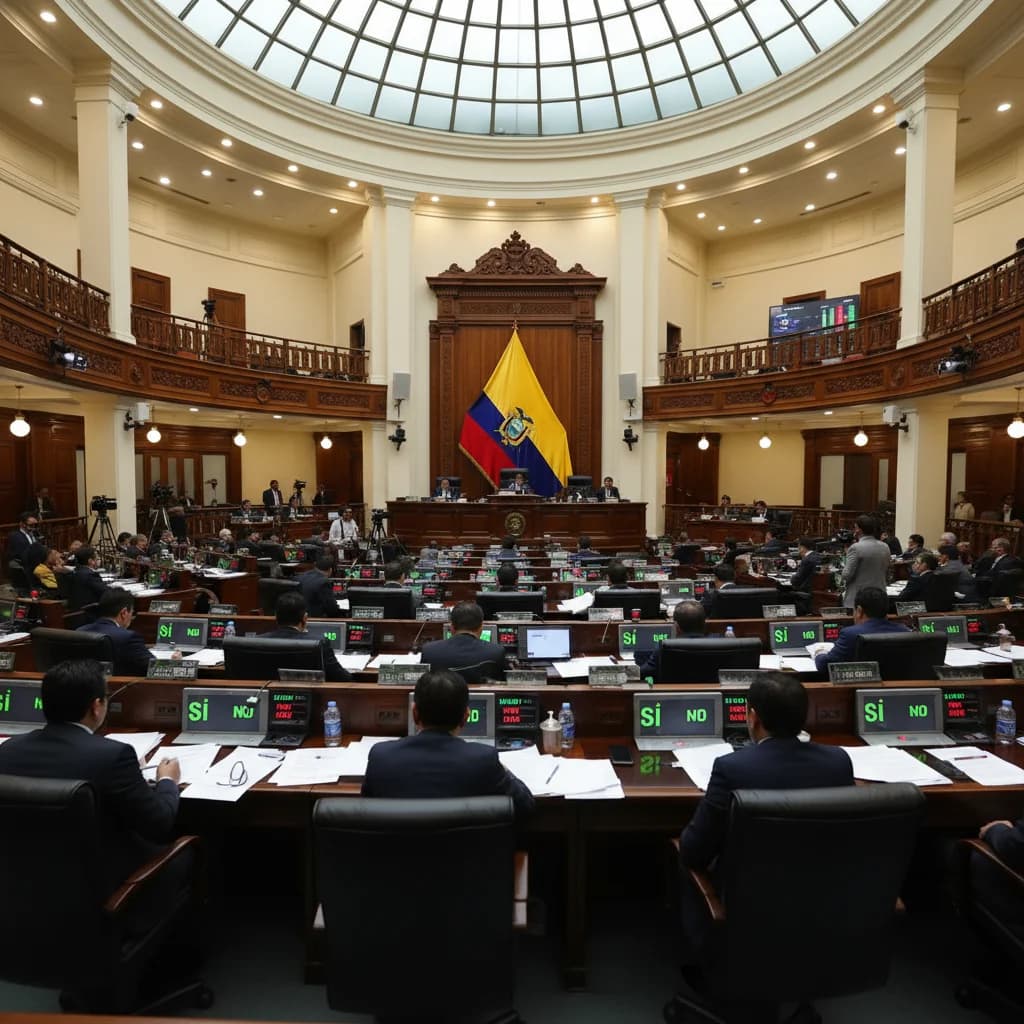
Ecuador’s Constitutional Court issued a favorable opinion on the state of exception declared by President Daniel Noboa. The measure validates Executive Decree 423, signed June 16, for 60 days.
After two major earthquakes struck Venezuela on June 24, Ecuador activated assistance channels for Ecuadorians in the affected area. The update matters for residents with family or travel ties in Venezuela.
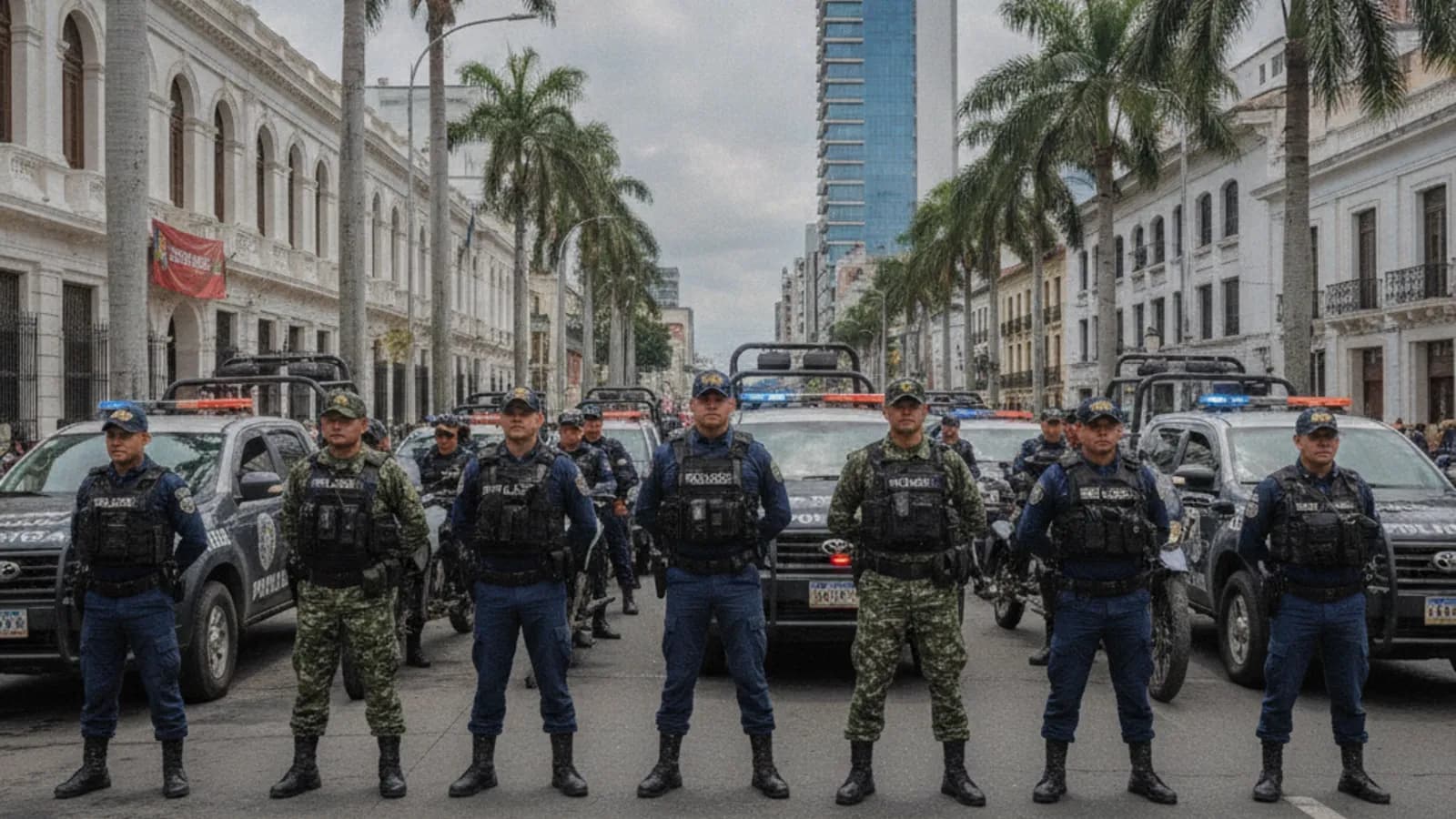
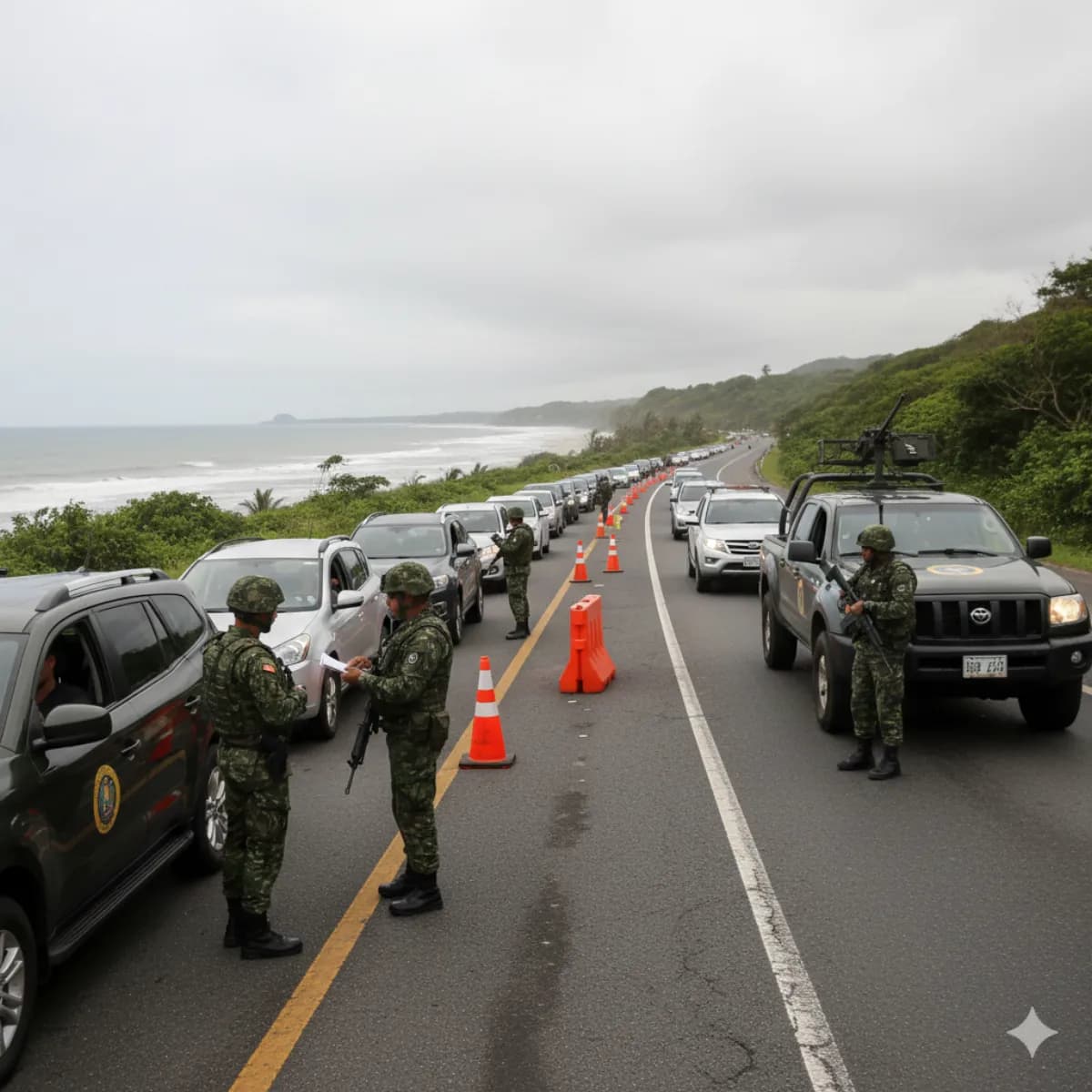
President Daniel Noboa issued Executive Decree 424 on June 18, opening a path for allied foreign military personnel to support Ecuador’s security operations. Officials say foreign troops are not expected immediately, while 13,000 Ecuadorian military personnel are being deployed to Guayas, Manabí, El Oro and Los Ríos.
Ecuador’s new state of exception applies for 60 days in ten provinces and three cantons. There is no curfew for now, but the decree allows temporary limits on home and correspondence protections while security forces operate in the covered areas.
Ecuador’s country-risk indicator closed at 386 basis points on June 12, the lowest level reported since September 30, 2014. The drop signals improved market confidence, though it does not immediately change day-to-day costs for residents.
IESS says Teodoro Maldonado Carbo Hospital allocated $435,083 for medications and supplies, including antibiotics, neonatal respiratory supplies, suction hoses and Tocilizumab. For expats using IESS or watching the public system, this is a concrete supply update with named purchases and dollar amounts.
A group seeking a recall process against President Daniel Noboa asked Ecuador's electoral authority for signature forms on June 9. The process would require support from 15% of the electoral roll, representing more than two million signatures nationwide.
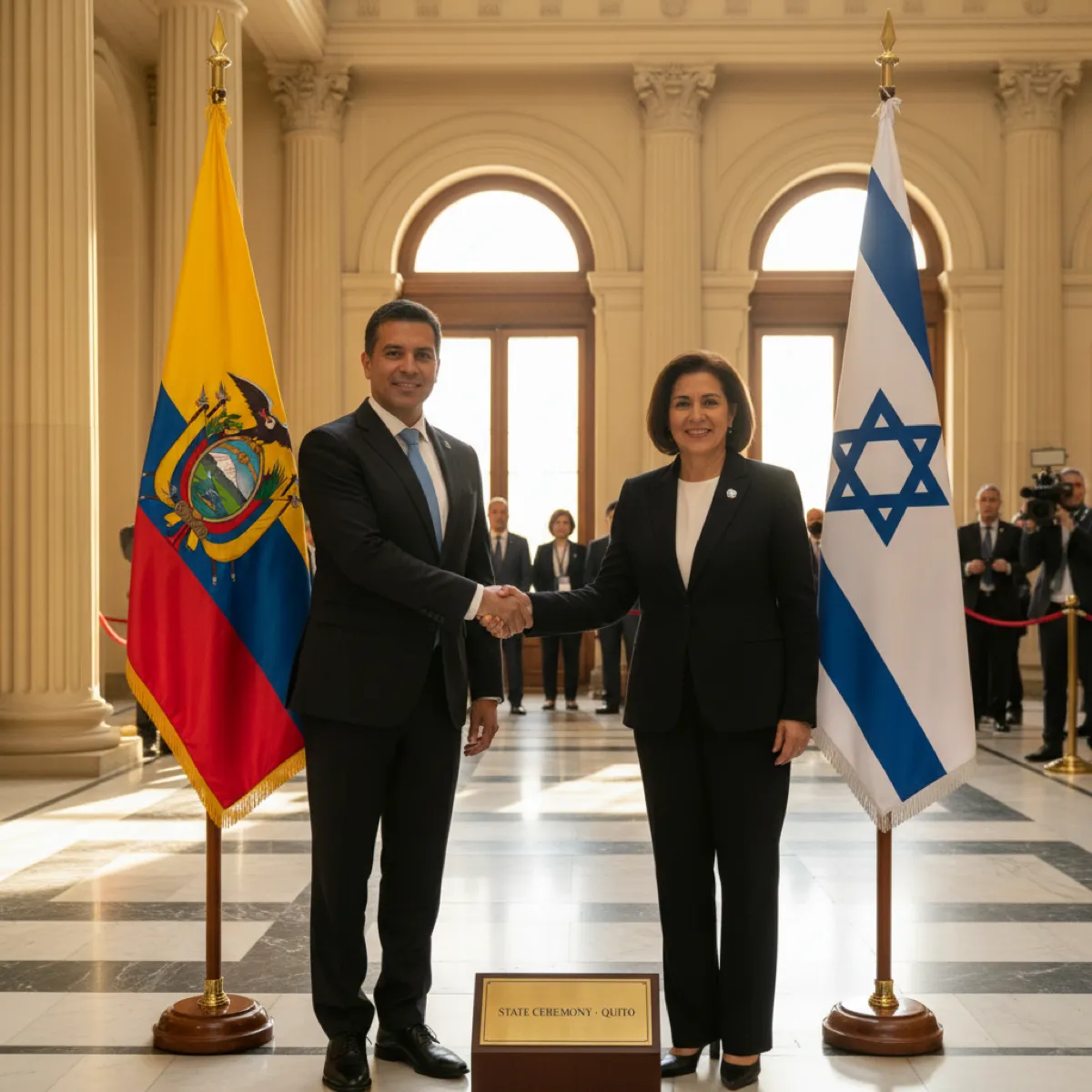
President Daniel Noboa named Roberto Kury as Ecuador's new foreign minister after Gabriela Sommerfeld resigned for personal and health reasons. The change matters to expats because the Foreign Ministry oversees mobility, consular services, visas, and Ecuador's international agenda.
The Jóvenes del Nuevo Ecuador 2026 program offers 3,276 scholarships for higher-education students age 18 to 29. Applications opened June 4 and close June 28 through the official platform.
Executive Decree 398 reforms Ecuador's tax-regulation framework to update identification, marking, authentication and fiscal traceability controls. SRI will implement and control the marking system for selected taxpayers, goods and services.