Daily coverage from across the country, written for the expat community
Results for “energy”Clear
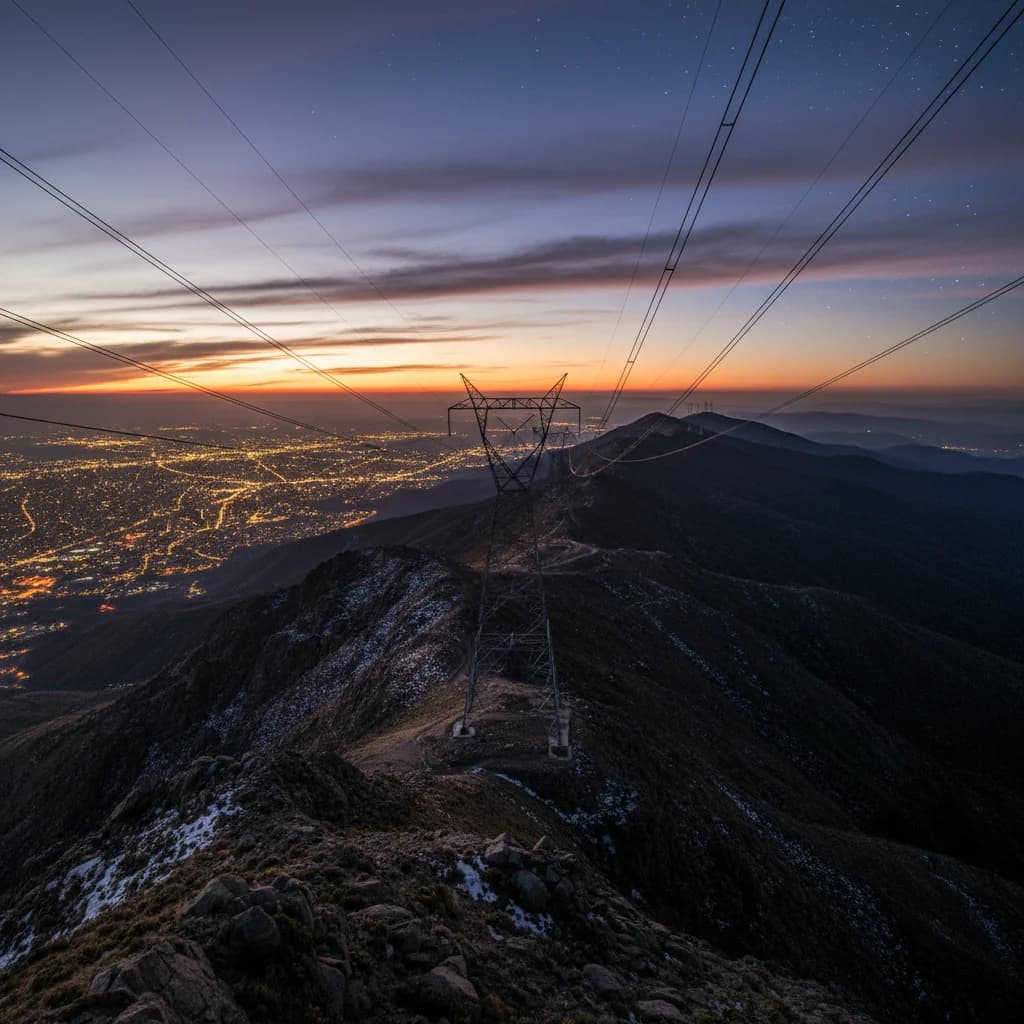
A new look at Ecuador’s transmission system shows 12 of 45 power transformers operating beyond their designed life, with several strategic substations lacking a reserve transformer.
Colombia is considering restarting electricity exports to Ecuador, but El Niño could make those sales uncertain from November 2026 into early 2027. The issue matters because the Colombia interconnection can supply about 450 MW, nearly 10% of Ecuador’s average demand.
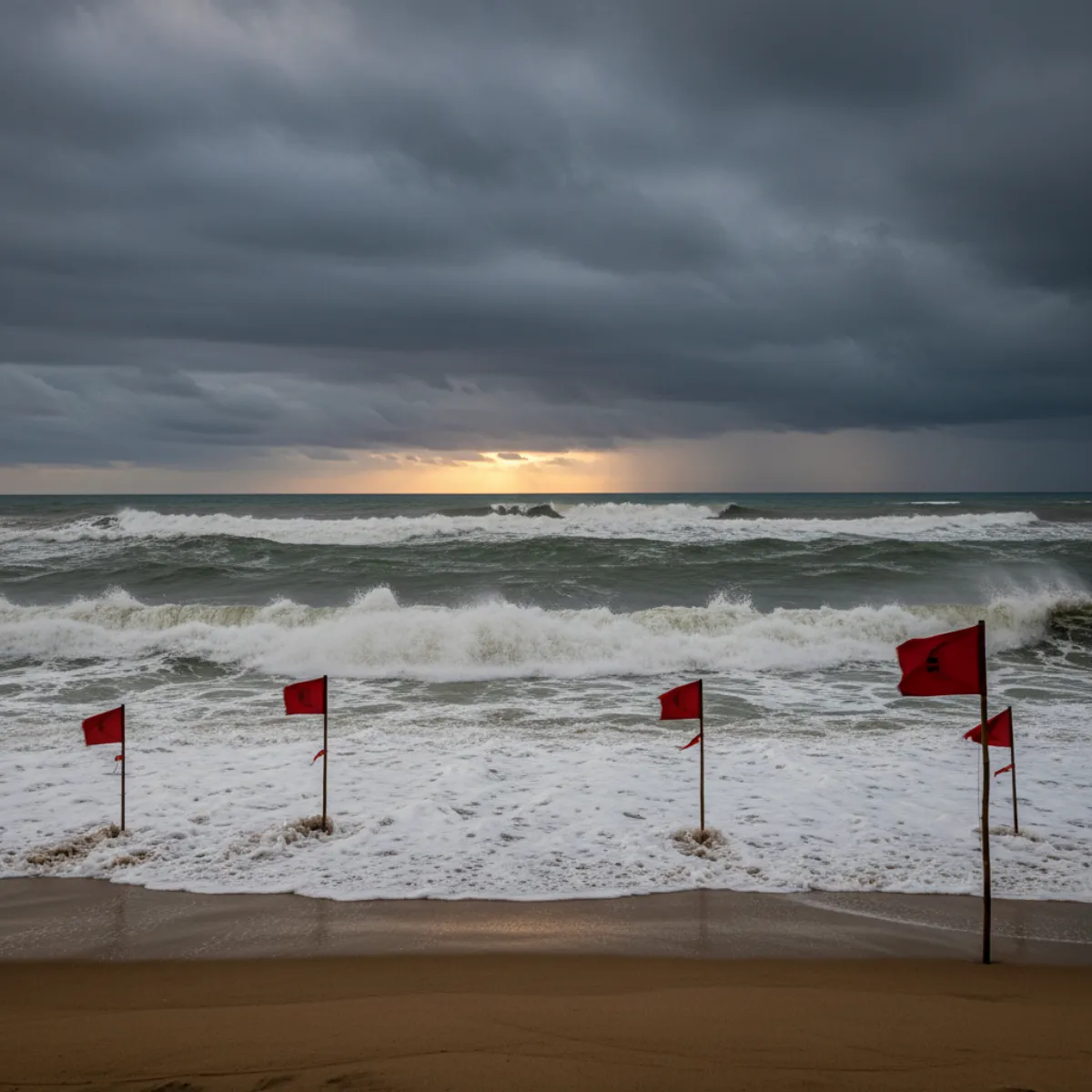
Ecuador is warning of high-energy waves from June 23 through June 25, 2026, with 12 beaches under red flag and 29 under yellow flag. The alert covers coastal and island areas and matters for beach travel, fishing and ocean activities.
Regressive erosion on the Coca River has damaged key infrastructure for more than six years, with estimated losses between $4.7 billion and $5.5 billion through May 2026. The risk matters nationally because Coca Codo Sinclair supplies about 25% of Ecuador's average electricity demand.
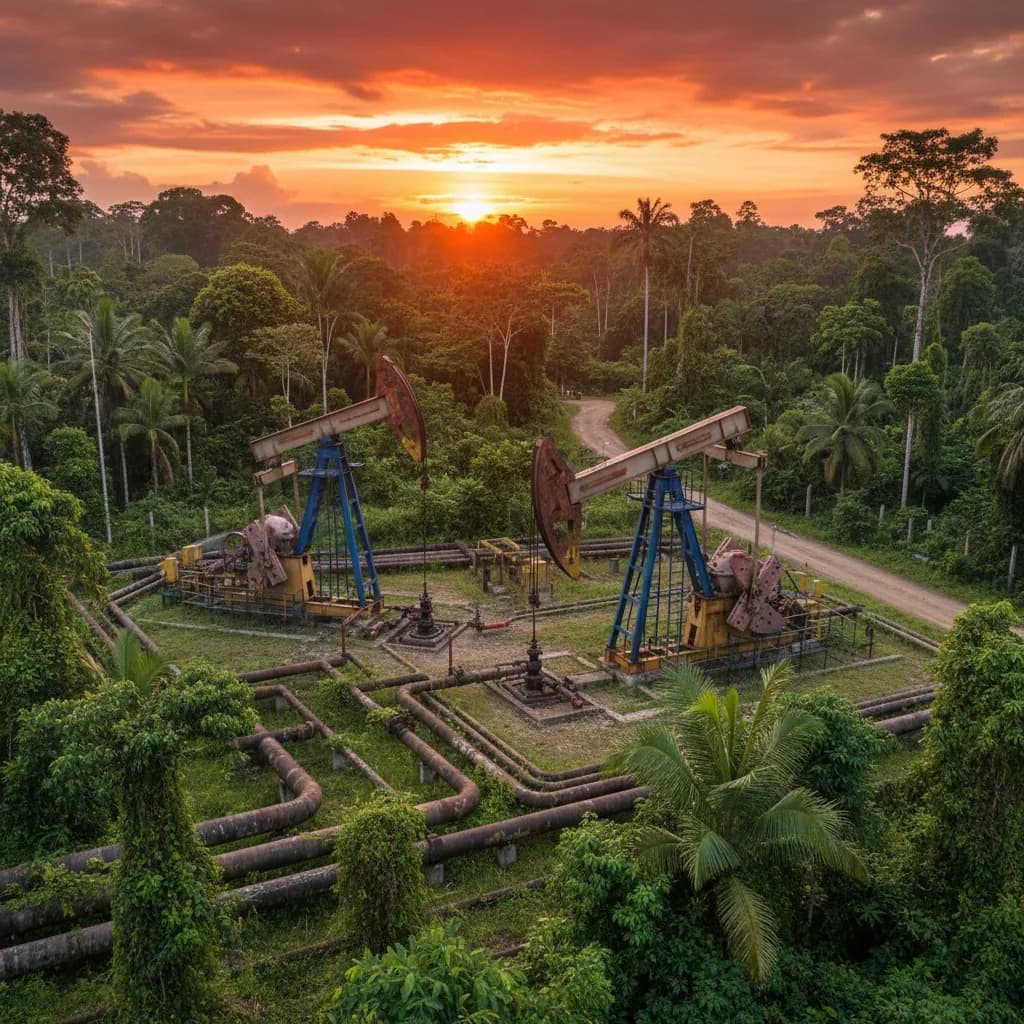
Petroecuador activated a contingency plan after a clandestine perforation caused a fuel spill on the Esmeraldas-Santo Domingo pipeline at kilometer 105. The company said the leak was controlled before 11:00, no people or water sources had been affected, and national fuel supply remained normal.
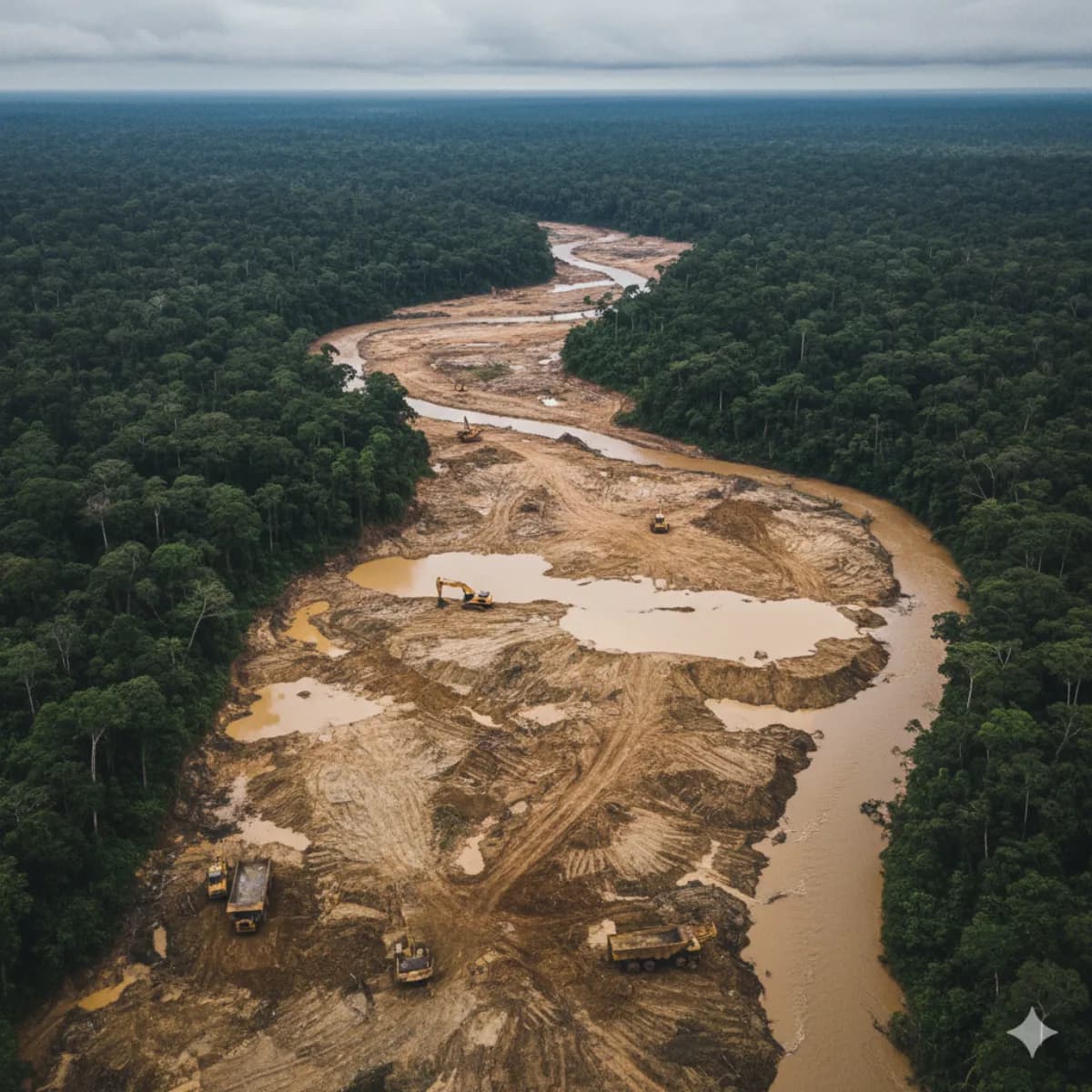
An explosive attack damaged the Arcom building in central Machala on the night of June 12. The Environment and Energy Ministry said no injuries were reported and linked the attack to retaliation after 88 illegal-mining operations in El Oro.
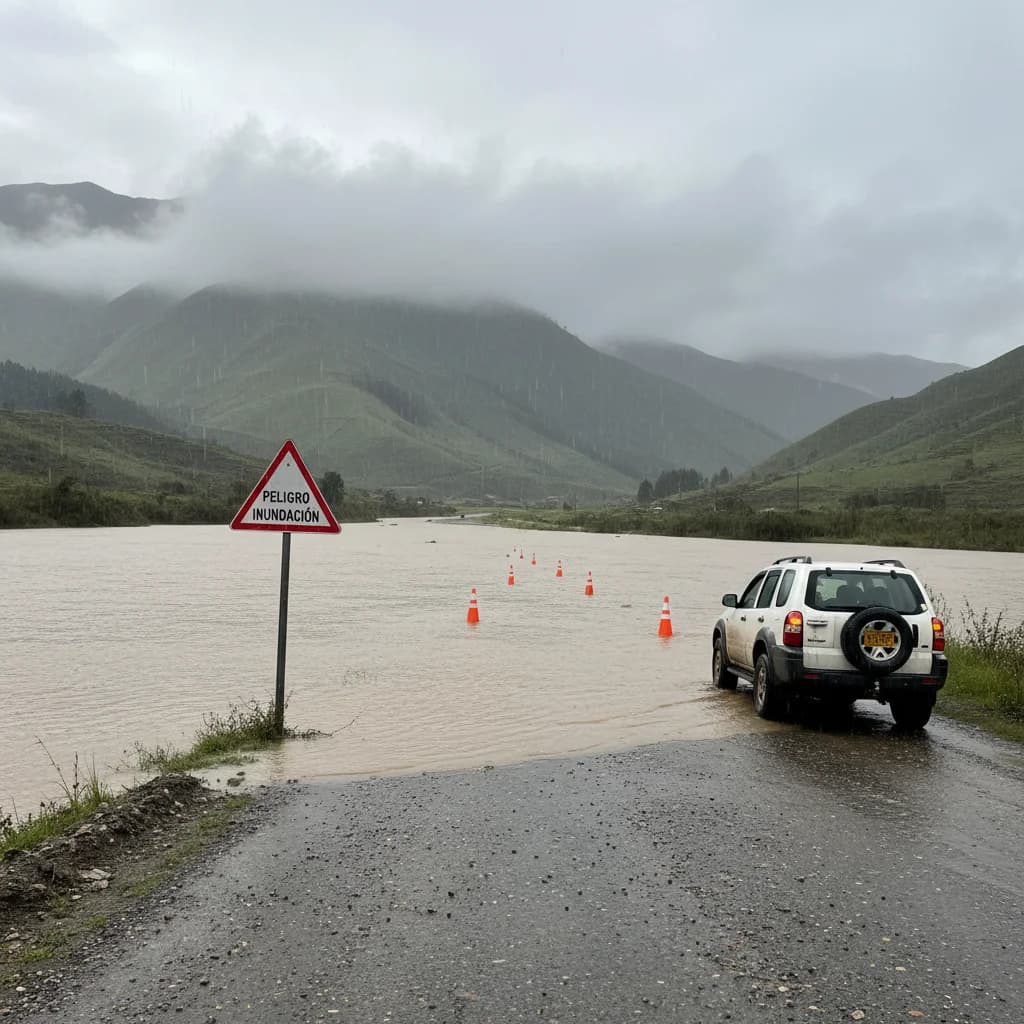
Weather officials say Ecuador's recent intense rains should begin easing nationally from Thursday, with the Coast seeing reduced intensity and the Sierra seeing more solar radiation. Guayaquil recorded 90-100 millimeters of rain in two days, roughly double the normal amount for the month.
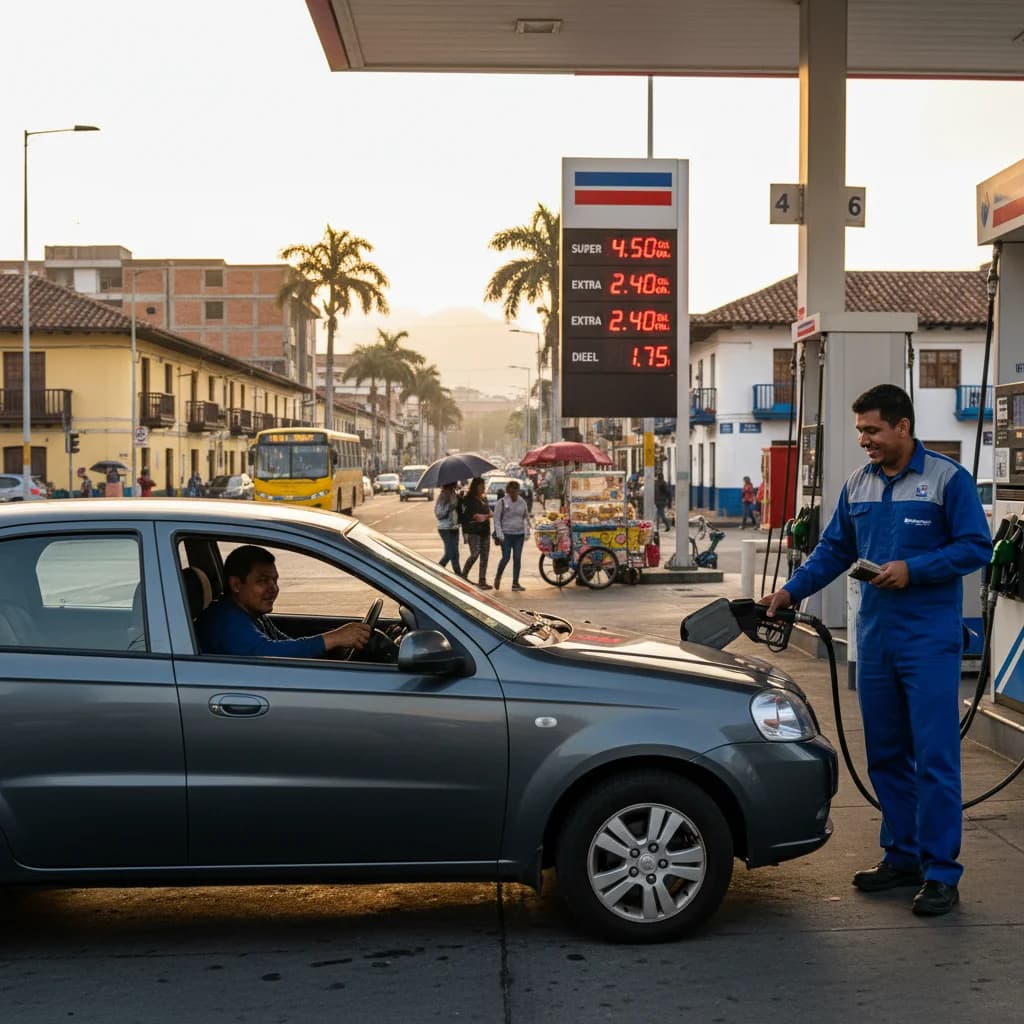
Ecuador is checking gas stations, terminals and distribution centers before fuel prices update on June 12. Officials say gasoline extra, ecopaís, diesel and super are being dispatched normally, while the Esmeraldas refinery has recovered to about 90% of technical capacity.
Risk officials are monitoring high-energy waves arriving from the southwest Pacific toward Ecuador's continental and island coasts. Waves are exceeding 2.5 to 3 meters, with impacts in Santa Elena and Galapagos.
Primicias reports that Petroecuador produced 356,867 barrels per day in April 2026, down 17,733 barrels per day from April 2025. The shortfall came while Ecuador's crude prices stayed well above the state budget assumption.
Celec says high river flows, sediment and rocky material damaged part of the Coca Codo Sinclair area after more than 20 continuous hours of pressure from the Coca River. El Comercio reports the national electric system remains guaranteed, but the episode shows why Amazon river conditions still matter for electricity users across Ecuador.
Ecuador's National Assembly approved a new marine-coastal governance law on May 21. Expreso reports it creates tools to protect breaking waves, regulate maritime activities and catalog important surf zones.