Daily coverage from across the country, written for the expat community
Ronald Javier Macias Villamar, known as alias Javi and identified as the brother of Los Choneros leader alias Fito, was captured in Colombia. Ecuadorian officials say the operation involved the National Police, Armed Forces, National Intelligence Center and Colombian authorities.
The SRI is applying stricter controls to IVA refund requests in 2026. Older adults can recover up to $144.60 per month, but invoices must use a cedula, be for personal consumption, and fit accepted categories such as food, clothing, health, education and construction.
Ecuador’s Jóvenes en Acción program is expanding from 80,000 to 150,000 beneficiaries. Registration opened June 16 for vulnerable young adults ages 18 to 29, with selected participants receiving three $400 transfers over three months after completing assigned activities.
Ecuador’s cooperative sector is still being cleaned up, with 38 credit cooperatives in forced liquidation as of May 5, 2026. Ambato, Quito and Cuenca account for most of the liquidation processes, while rising delinquency continues to pressure smaller institutions.
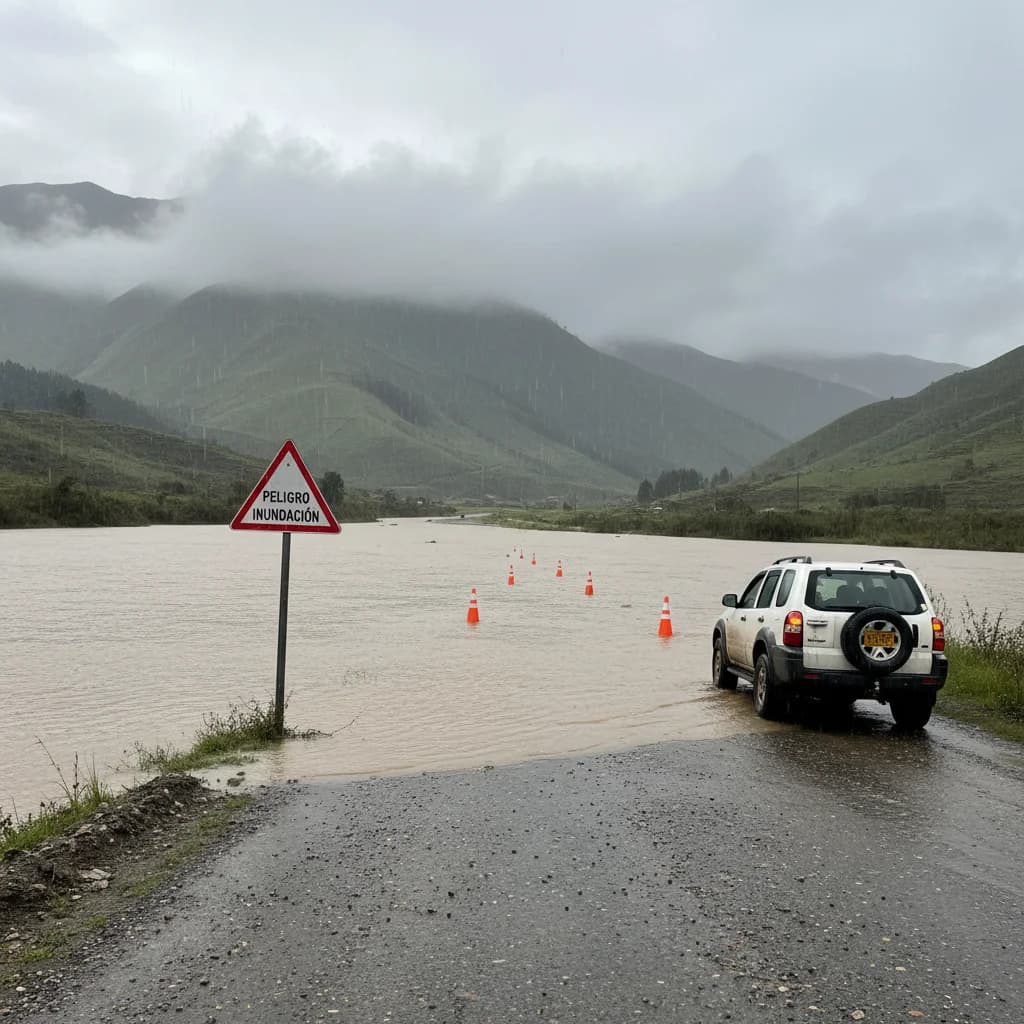
Ecuador has placed 17 provinces, 143 cantons and 491 parishes under a preventive yellow alert for a possible El Nino event. Local governments have until June 23 to submit action plans, but only three municipalities had filed plans as of June 15.
Net housing reservations in Ecuador rose 28% from January to April 2026 compared with the same period last year. Builders now project that annual housing sales could reach or exceed 40,000 units if favorable conditions continue.
A three-day virtual job fair in Ecuador will run from June 18 to June 20, 2026, with 1,050 vacancies across more than 20 participating companies. The fair includes roles in commercial, financial, accounting, technical, administrative, driving, assistant, operations and intern profiles.
Guayaquil has more than 100 kilometers of streets under intervention across the north, center and south of the city. Some merchants report sales declines of 40% to 50% as road closures and restricted access affect customer traffic.
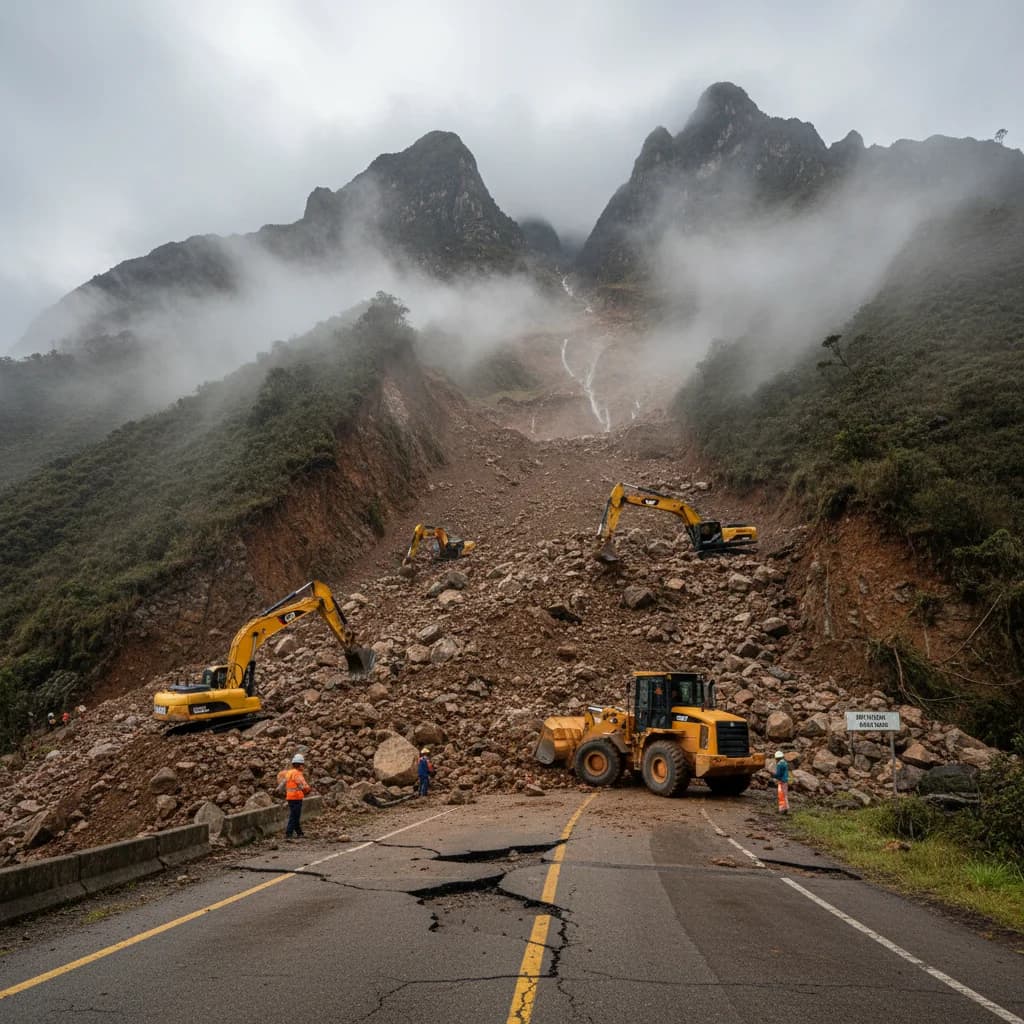
The Infrastructure and Transport Ministry announced an emergency declaration for the Cuenca-Giron-Pasaje road after landslides closed the section between kilometer 76 and 105. Authorities estimate about 200,000 cubic meters of material on the roadway.
Ecuador's Registro Civil will begin permanent Saturday service on June 20, 2026, at 14 agencies in 11 provinces. The special Saturday schedule runs from 08:00 to 17:00 and includes cedulas, passports, marriages, certificates and other regular civil-registry procedures.
Ecuador now has 393 institutions in the popular-and-solidarity finance market, including 387 savings and credit cooperatives. Segment 1 cooperatives hold more than $24.6 billion in assets, about 31% of private-bank assets, and the largest cooperatives now rank among the country's biggest financial institutions.
Petroecuador activated a contingency plan after a clandestine perforation caused a fuel spill on the Esmeraldas-Santo Domingo pipeline at kilometer 105. The company said the leak was controlled before 11:00, no people or water sources had been affected, and national fuel supply remained normal.