Daily coverage from across the country, written for the expat community
Results for “security”Clear
A Click Research poll says 67% support creating a new canton from nine Quito valley parishes, with insecurity leading the local problem list.
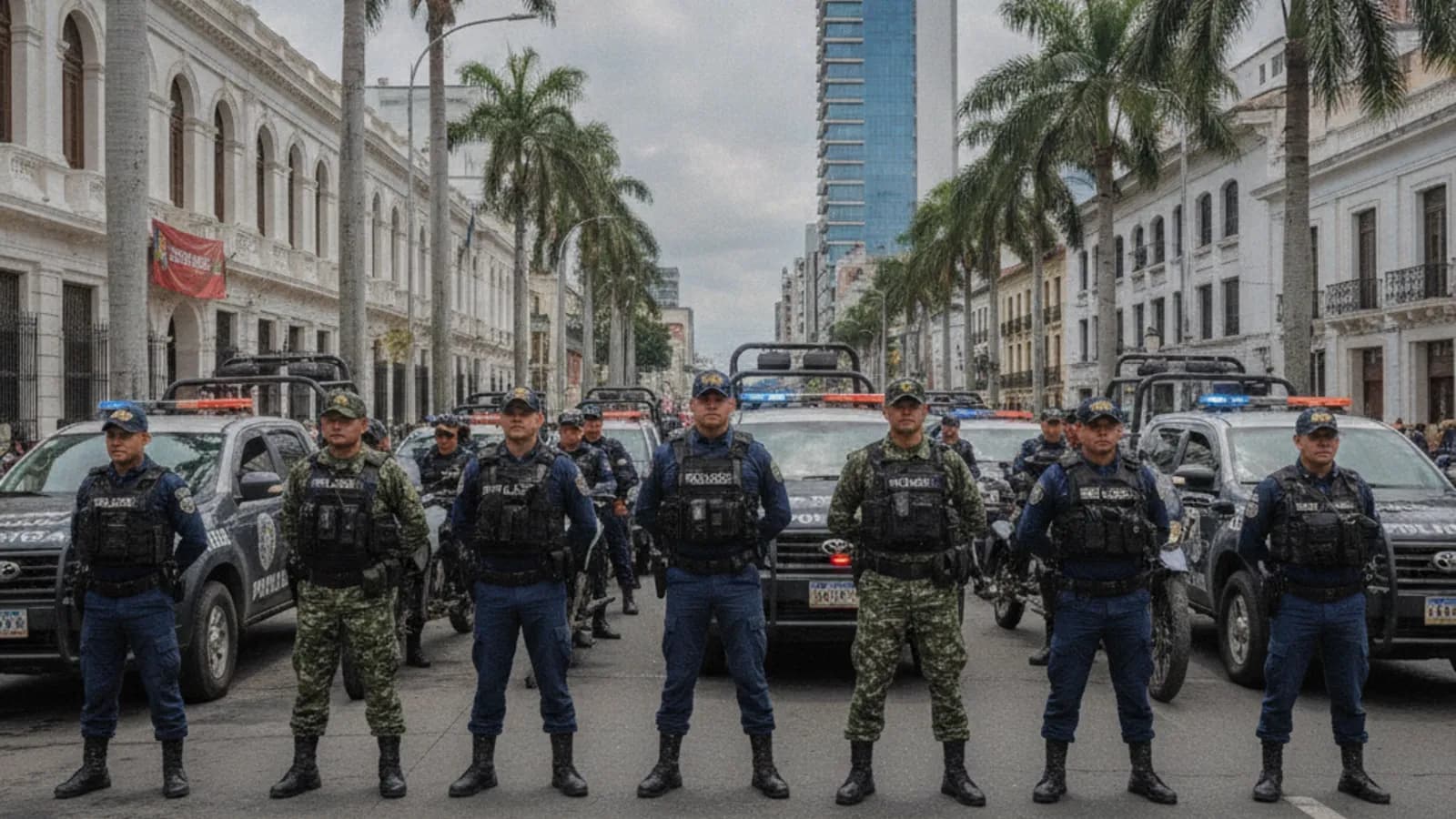
Ecuador recorded 3,485 violent deaths from January through May 2026, while Quito’s recent alerts have centered more on explosives, intimidation, and microtrafficking.
Ecuador’s e-commerce market exceeded USD 7 billion in 2025 as faster delivery, payment options, and marketplace logistics turned online buying into a permanent habit.
Ecuador’s social security system had 3.6 million active affiliates as of May 2026, up more than 102,000 from a year earlier. The useful part for expats is understanding the difference between dependent, independent, voluntary, domestic-work, and youth affiliation.
IESS transferred more than $63 million to 195 private health providers in June 2026, with Azuay, Guayas and Pichincha among the provinces highlighted. The payments are part of more than $616 million sent to external providers since December 2025.
U.S. Secretary of State Marco Rubio announced the designation of Ecuador’s Chone Killers as a foreign terrorist organization and specially designated global terrorist. Ecuador’s Foreign Ministry thanked the United States for the backing.
Ecuador’s police say violent deaths have fallen 11 percent so far in 2026 compared with the same period of 2025, with the reported homicide rate moving from 25.5 to 22.5 per 100,000 inhabitants.
Families of missing persons say Ecuador needs more operational capacity and personnel for search cases. Official figures cited by Expreso show training and victim-service activations rising, but relatives say the response still falls short.
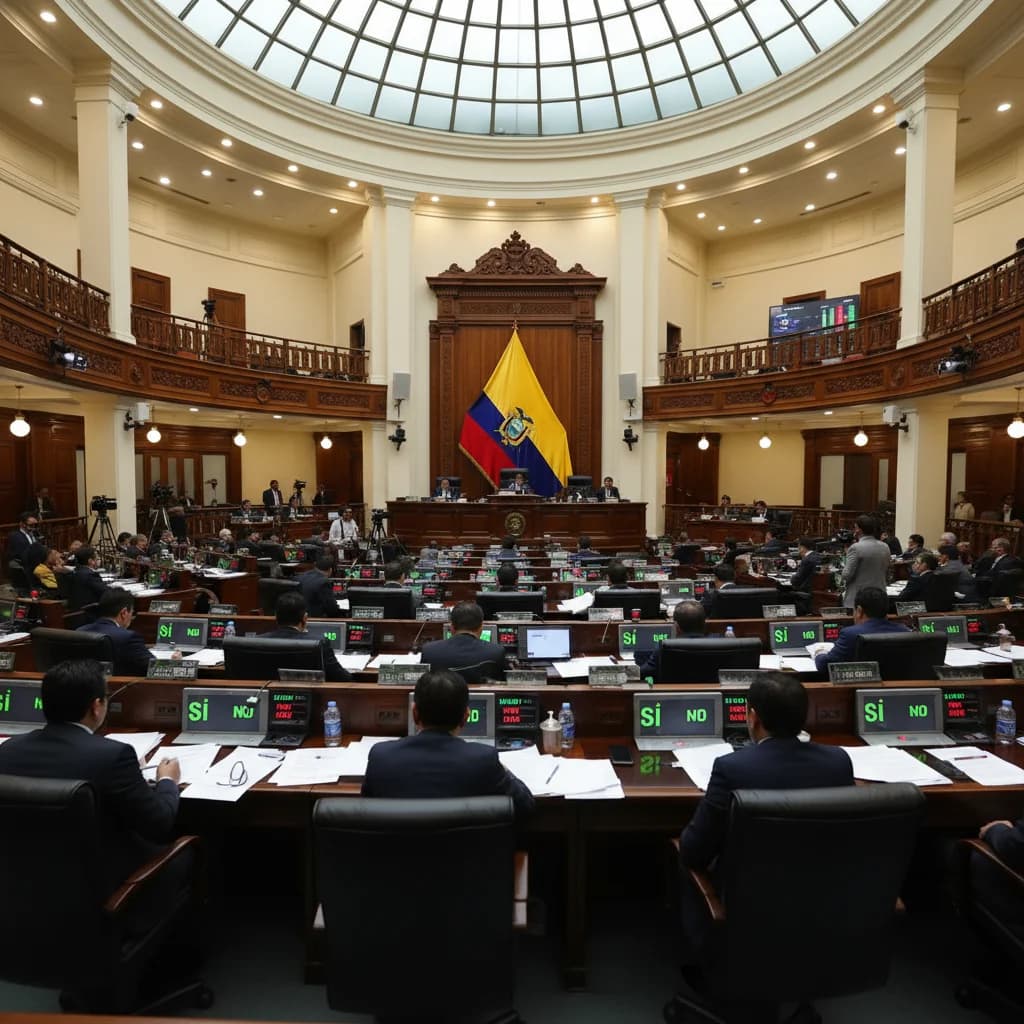
Ecuador’s Constitutional Court issued a favorable opinion on the state of exception declared by President Daniel Noboa. The measure validates Executive Decree 423, signed June 16, for 60 days.
Ecuador and the United States signed a border-security implementation letter on June 22 to coordinate against transnational crime, drug trafficking, illegal immigration and other border-zone threats.
Ecuadorian authorities say five people were detained in an alleged migrant-trafficking network that operated in Guayas and Tungurahua. The case involves current and former Migration officials, real passports used with substituted identities, and alleged illegal fees of $5,000 to $8,000.
A new report on digital recruitment describes how criminal groups use social media, narcoculture symbols and algorithmic engagement to pull minors toward illegal activity. The warning comes as adolescent arrests and violent deaths among minors remain a major national concern.