Daily coverage from across the country, written for the expat community
Results for “contamination”Clear
The militarization of Puerto Bolívar has surfaced the human cost: at least 300 families forcibly displaced, criminal group Los Lobos occupying up to 500 homes, and the terminal tied to 10.8 tons — 11.24% — of drugs seized nationally. Over 1,000 troops are searching 1,642 homes.
Ecuador's health regulator Arcsa closed a crab restaurant in Sauces 6, north Guayaquil, after multiple citizens reported gastrointestinal illness. Inspectors found no operating permit, expired products, and a bathroom in the kitchen area.
Ecuador's health regulator found Listeria monocytogenes in a batch of La Artesanal chocolate ice cream made by Helados Novísimo. The lot has been pulled from shelves and the factory suspended. Here's the lot number and what to do.
Ecuador shipped 125,200 tonnes of shrimp in January 2026, a 23% increase year-over-year. China remains the top buyer at 49.5% of volume, though its share has declined from 54.2% in 2024. The industry projects a 15% increase for the full year.
Ecuador is positioned to become the world's second-largest cocoa grower behind Cote d'Ivoire. Anecacao projects exports exceeding 623,000 metric tons in 2026, up from 375,720 MT in 2023. The country is targeting 800,000 MT by the end of the decade.
Despite a 2023 referendum and an Inter-American Court of Human Rights order to stop drilling, Ecuador continues pumping 44,000 barrels per day from Block 43 in Yasuní National Park. HRW documented 29 oil spills and contaminated water affecting uncontacted indigenous groups.
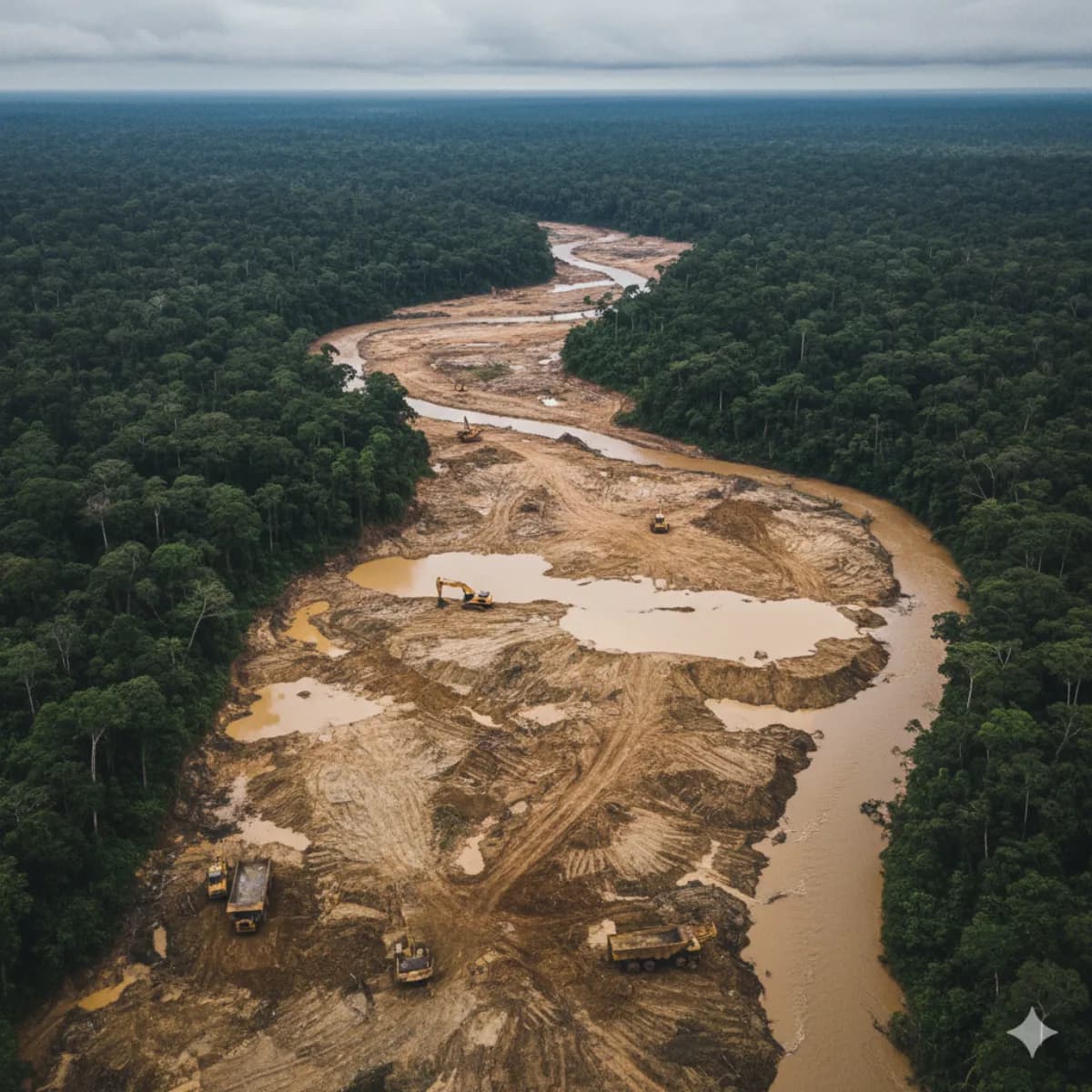
Environment Minister Ines Manzano ordered an indefinite suspension of all mining in Napo province and restrictions on 80 gold processing plants in El Oro and Loja after government tests found cyanide, arsenic, and lead in rivers exceeding safe limits.
An international arbitral tribunal adjusted Ecuador's compensation obligation to Chevron downward by $5.7 million, landing at $215 million. The decades-old Amazon environmental dispute continues to drain government coffers in a tight fiscal year.
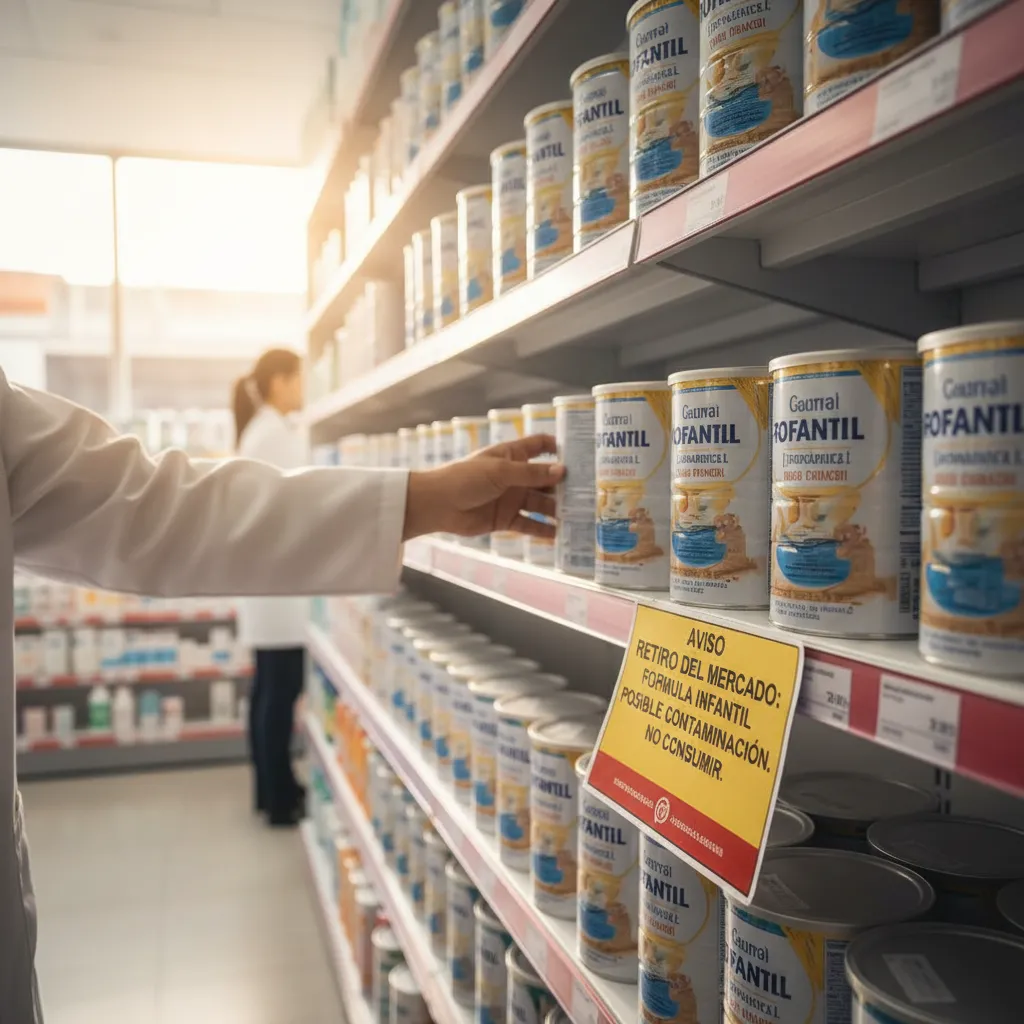
Ecuador's health regulator ARCSA ordered the preventive withdrawal of 34 lots of Alula Gold Premium infant formula after an international alert flagged possible contamination with cereulide, a bacterial toxin that causes digestive illness. No health effects have been reported in Ecuador.
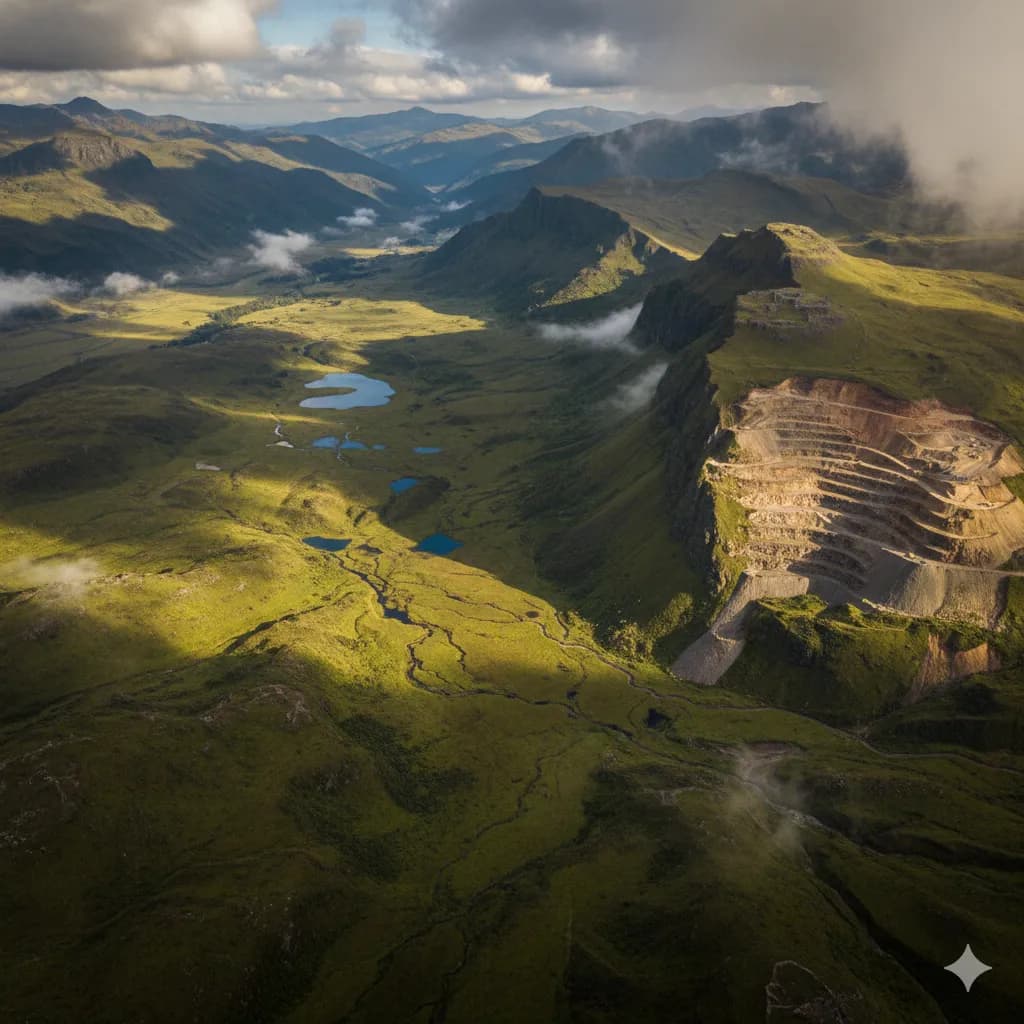
Ecuador signed a bilateral mining framework with the United States at the inaugural Critical Minerals Ministerial on February 4. The agreement positions Ecuador's copper and gold reserves as strategically important to Washington -- and adds fuel to the mining debate in Azuay.
The government has indefinitely suspended all mining in Napo province and restricted processing plants in El Oro and Loja after detecting arsenic, cyanide, and heavy metals at dangerous levels in Amazonian rivers.
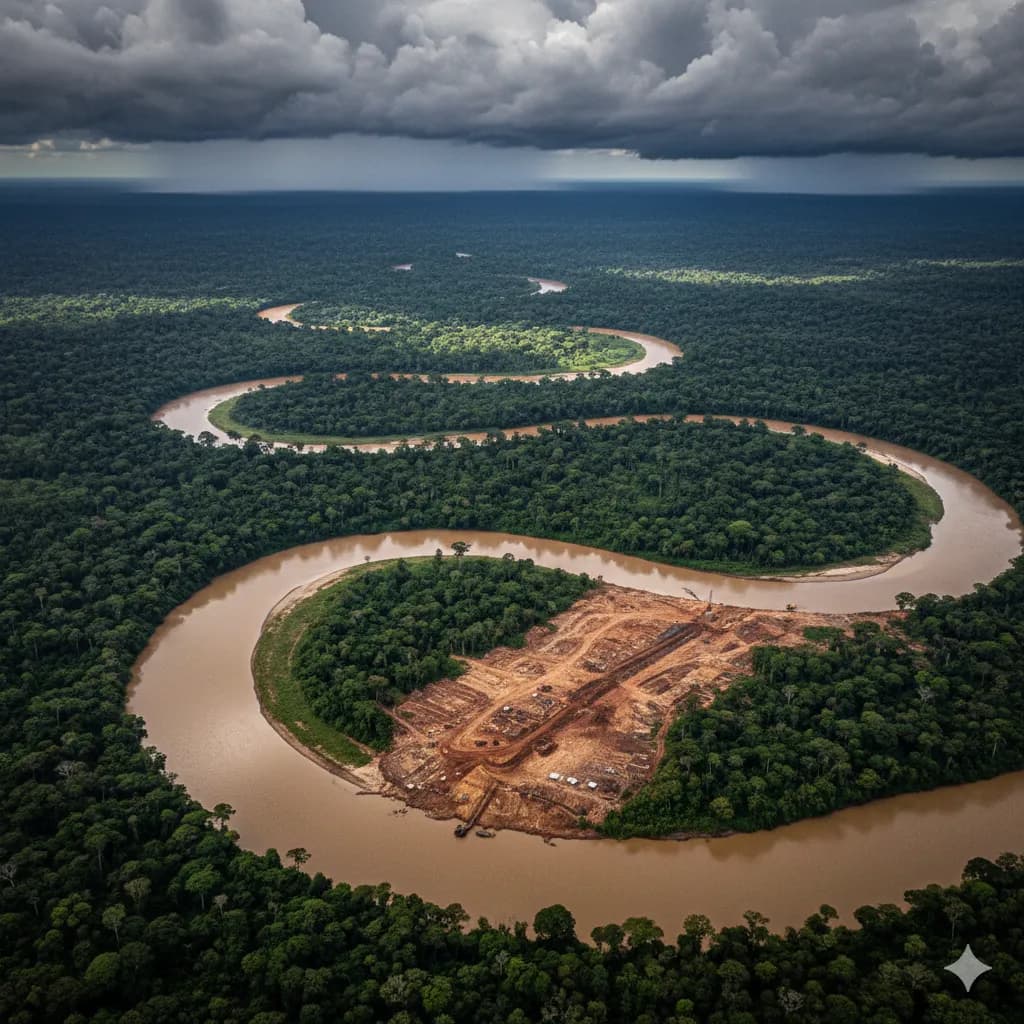
The government has indefinitely suspended all mining activity in Napo and restricted processing plants in El Oro and Loja after finding heavy metals in the Amazon's Napo River and links between illegal mining operations and drug cartels.