Ecuador Halts All Mining in Amazon Province of Napo After Rivers Show Dangerous Contamination

Ecuador's government took aggressive action on February 2, indefinitely suspending all mining operations in the Amazon province of Napo after technical reports revealed alarming levels of toxic contamination in the region's waterways.
What Happened
Environment and Energy Minister Ines Manzano signed a resolution halting all metallic and non-metallic mining activities in Napo province. The suspension also extends restrictions to mineral processing plants in El Oro and Loja provinces.
The decision came after laboratory analyses detected concentrations of heavy metals and toxic chemicals far exceeding Ecuador's maximum permissible limits:
- Copper, lead, and arsenic -- at multiple times safe thresholds
- Cadmium -- a carcinogenic heavy metal
- Cyanide -- used in gold processing, found in river water samples
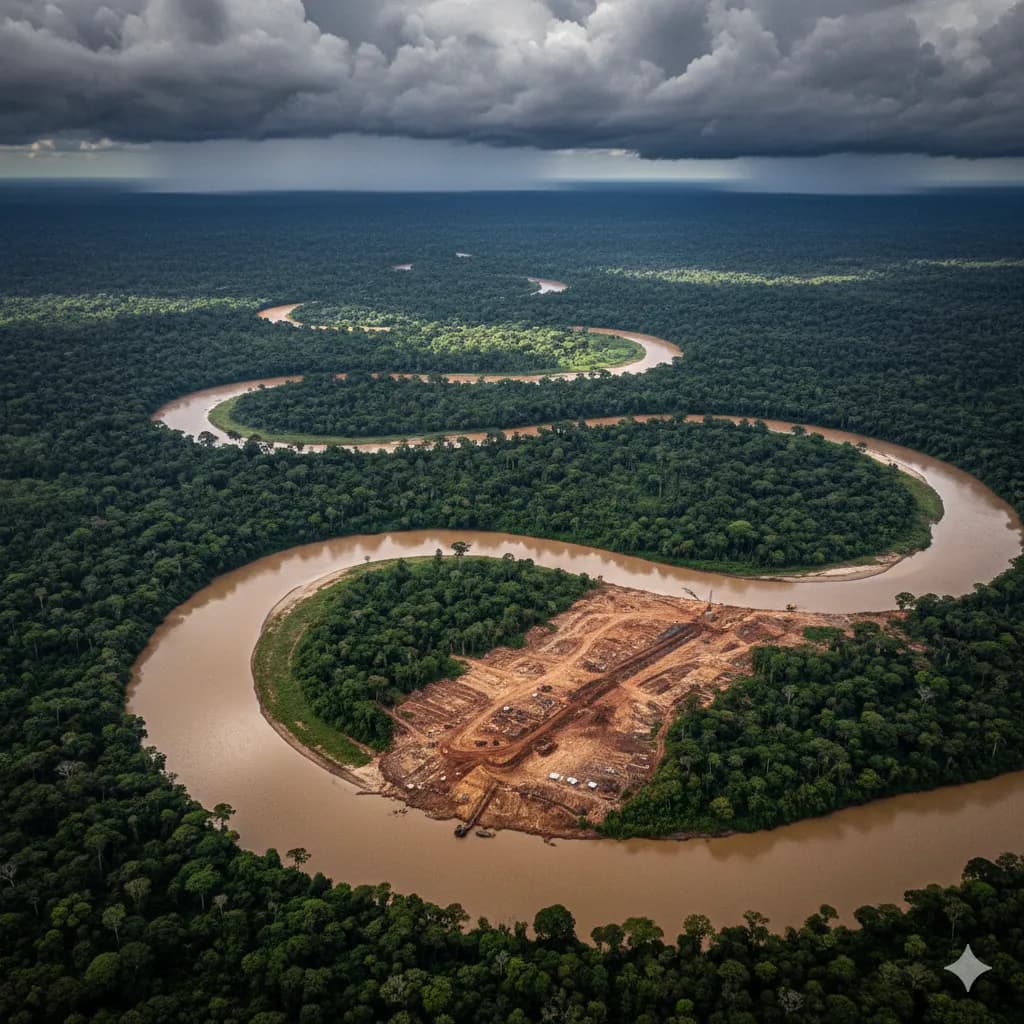
The contamination was documented in the Calera, Amarillo, and Napo rivers -- waterways that are critical to both local communities and the broader Amazon basin.
Armed Forces Move In
On February 5, Ecuador's armed forces sealed 10 mining concessions in Napo province, physically blocking access to operations identified as sources of contamination. The military action underscores the government's seriousness about enforcement.
The Scale of the Damage
Manzano was blunt in her assessment: restoration of the Napo River will take "many years." The contamination isn't limited to water -- satellite data from environmental organization Ecociencia has documented more than 1,740 hectares of forest destroyed by mining operations in Napo province.
The Napo River is a major tributary of the Amazon, shared with Peru. Cross-border contamination adds international diplomatic dimensions to what is already a domestic crisis.
The Criminal Connection
Much of the mining activity in Napo is linked to illegal operations controlled by criminal organizations. Ecuador's gang networks -- including Los Lobos, Los Tiguerones, and Los Choneros -- have diversified into illegal gold mining as a revenue stream alongside drug trafficking.
Gold extracted illegally from the Amazon is often processed at plants in El Oro province, particularly around the town of Portovelo. The processing plant restrictions in El Oro and Loja are designed to cut off that supply chain.
What This Means for Expats
Amazon Travel
If you have plans to visit the Napo area -- including popular destinations like Tena, Misahualli, or Cuyabeno -- the mining suspension itself won't directly affect tourism. However, water quality advisories may be in effect for certain rivers. Check locally before swimming or drinking river water.
The Bigger Environmental Picture
This crackdown connects to broader debates about mining in Ecuador that affect expats directly. In Cuenca, the fight over the Loma Larga gold project at Quimsacocha -- which threatens the city's drinking water supply -- remains unresolved. The government's willingness to shut down mining in Napo sets a precedent, but whether it will apply the same standard to cancel the Loma Larga concession is the open question.
Water and Health
Heavy metal contamination in rivers affects communities downstream. While urban water treatment systems in cities like Tena and Puyo filter most contaminants, rural communities that draw water directly from rivers are at higher risk.
Sources: El Universo, Primicias, Vistazo, Expreso
Report an article problem
Tell us what seems wrong or outdated. Include your email so we can follow up if needed.
More in Politics
View all →Cuenca's Suspended Mayor Cristian Zamora Faces Illicit Enrichment Charges, Denies Allegations From Mexico
September 22, 2026
Xavier Jordán Detained in U.S., Faces Deportation to Ecuador Amidst Multiple High-Profile Cases
September 18, 2026
Ecuador Dismantles Anti-Corruption Unit, Raising Concerns for Judicial Integrity and Security
September 18, 2026
Keep practical Ecuador coverage free to read.
Reader support helps fund source monitoring, translation, editing, publishing, and national coverage for expats across Ecuador.
Comments
No comments yet. Be the first to share your thoughts!