Daily coverage from across the country, written for the expat community
Results for “environment”Clear
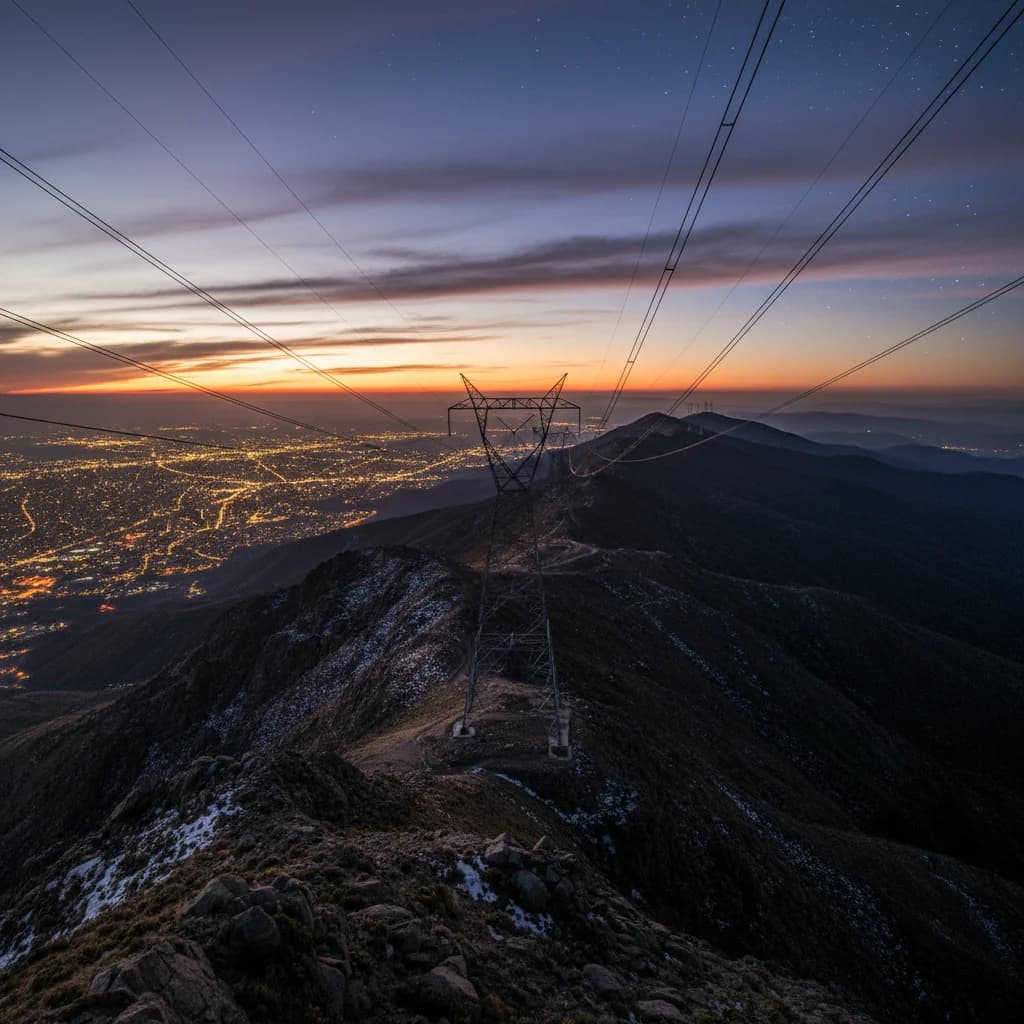
A new look at Ecuador’s transmission system shows 12 of 45 power transformers operating beyond their designed life, with several strategic substations lacking a reserve transformer.
Regressive erosion on the Coca River has damaged key infrastructure for more than six years, with estimated losses between $4.7 billion and $5.5 billion through May 2026. The risk matters nationally because Coca Codo Sinclair supplies about 25% of Ecuador's average electricity demand.
Petroecuador activated a contingency plan after a clandestine perforation caused a fuel spill on the Esmeraldas-Santo Domingo pipeline at kilometer 105. The company said the leak was controlled before 11:00, no people or water sources had been affected, and national fuel supply remained normal.
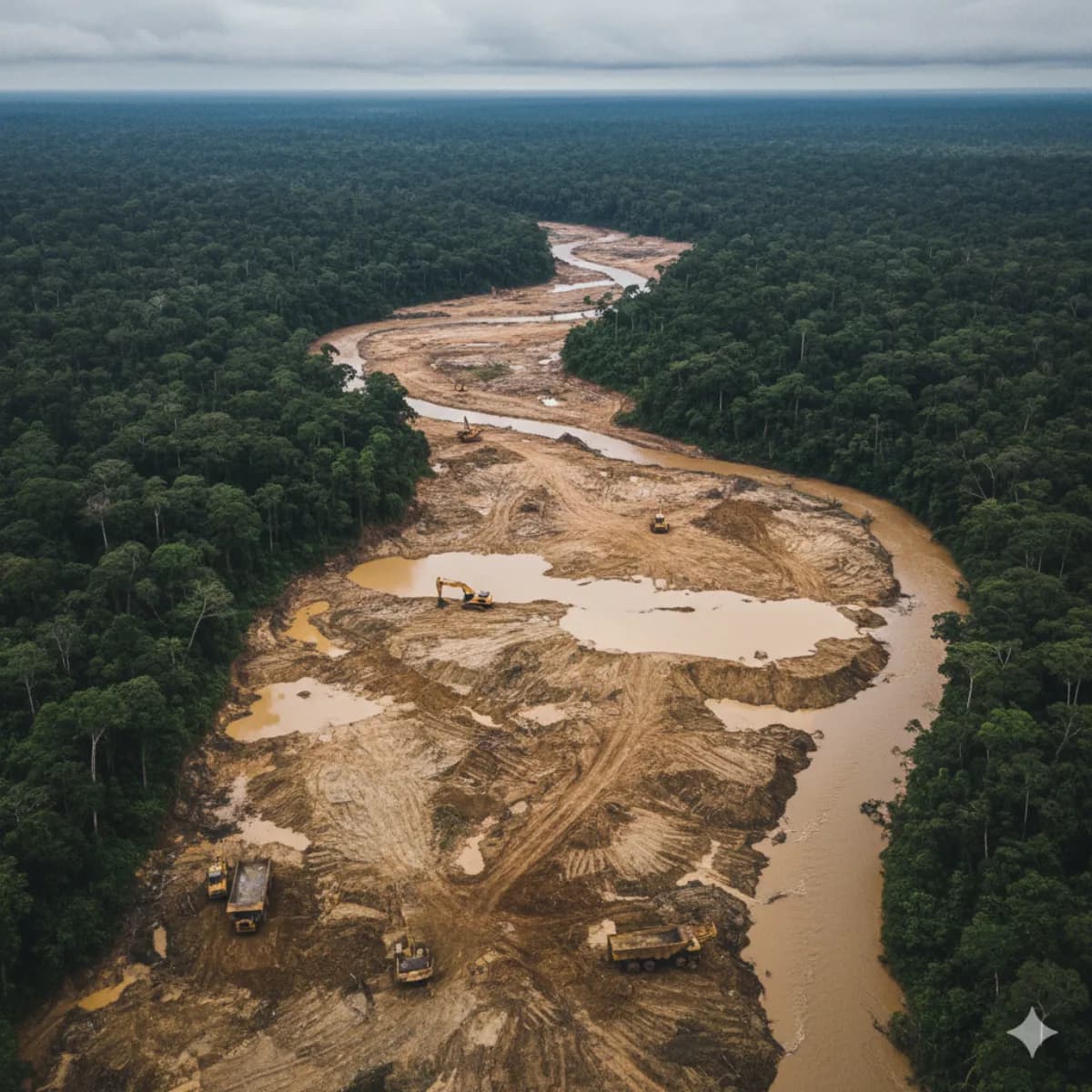
An explosive attack damaged the Arcom building in central Machala on the night of June 12. The Environment and Energy Ministry said no injuries were reported and linked the attack to retaliation after 88 illegal-mining operations in El Oro.
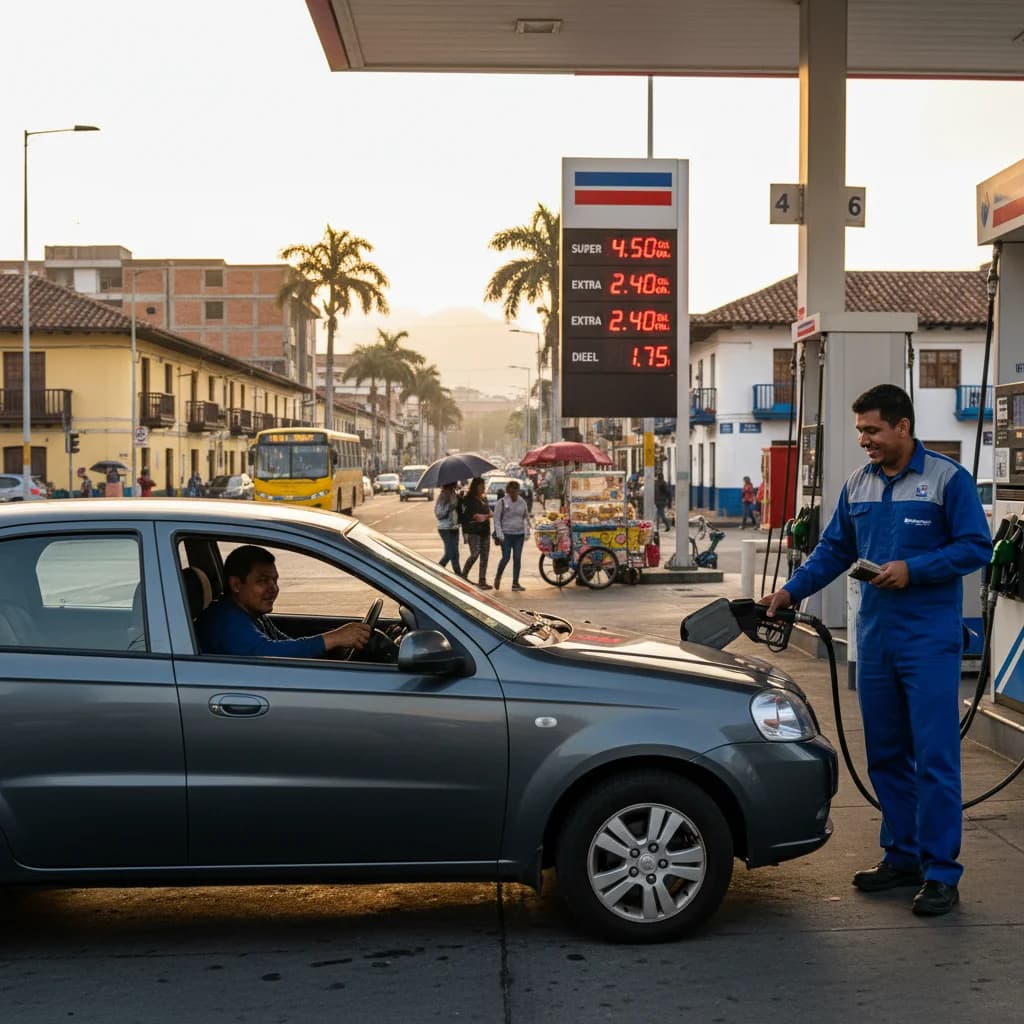
Ecuador is checking gas stations, terminals and distribution centers before fuel prices update on June 12. Officials say gasoline extra, ecopaís, diesel and super are being dispatched normally, while the Esmeraldas refinery has recovered to about 90% of technical capacity.
President Daniel Noboa said the Quito Metro expansion will start during this period, while El Comercio reports the La Ofelia extension remains in definitive studies and still needs total-financing authorization from the national government.
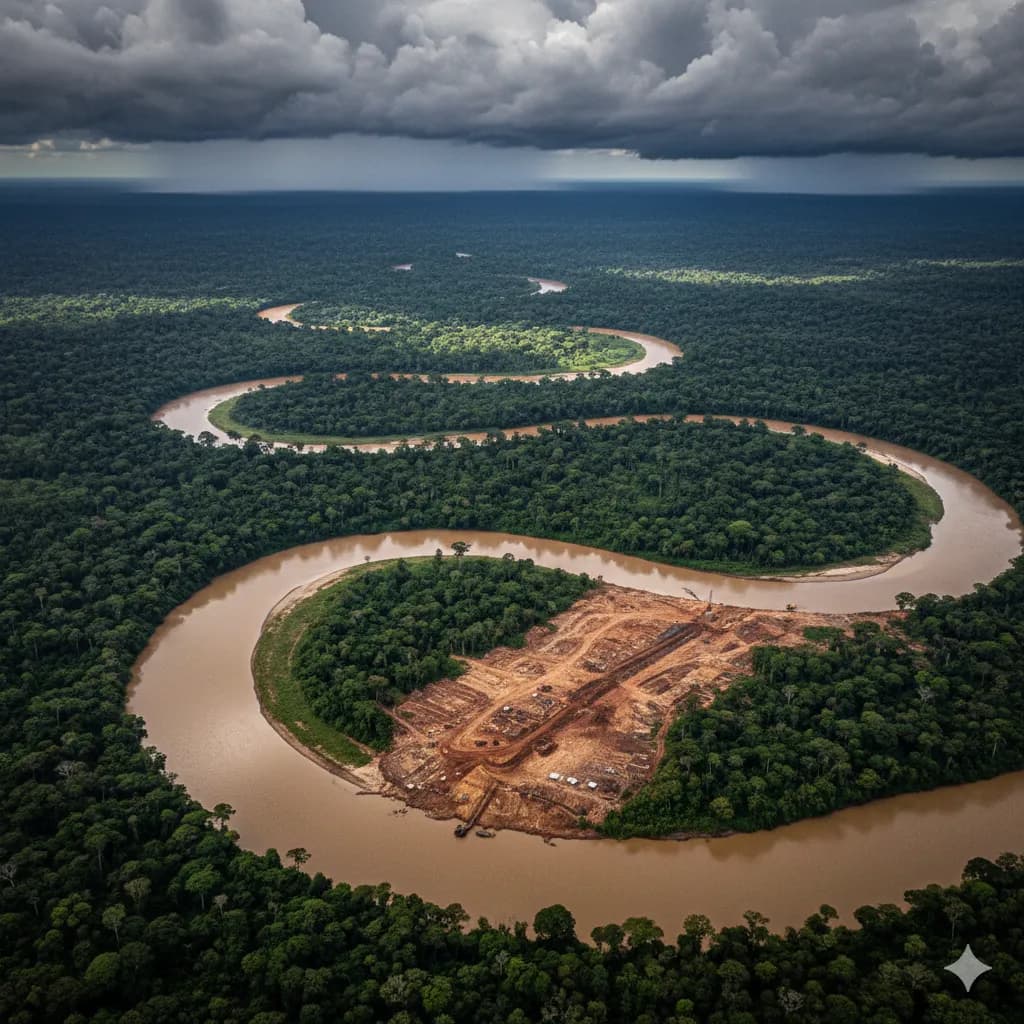
President Daniel Noboa announced a $460 million plan to protect the Ecuadorian Amazon over 17 years through the Biocorredor Amazonico, with funding aimed at protected areas, ranger capacity, biodiversity monitoring, control systems and sustainable tourism.
Celec says high river flows, sediment and rocky material damaged part of the Coca Codo Sinclair area after more than 20 continuous hours of pressure from the Coca River. El Comercio reports the national electric system remains guaranteed, but the episode shows why Amazon river conditions still matter for electricity users across Ecuador.
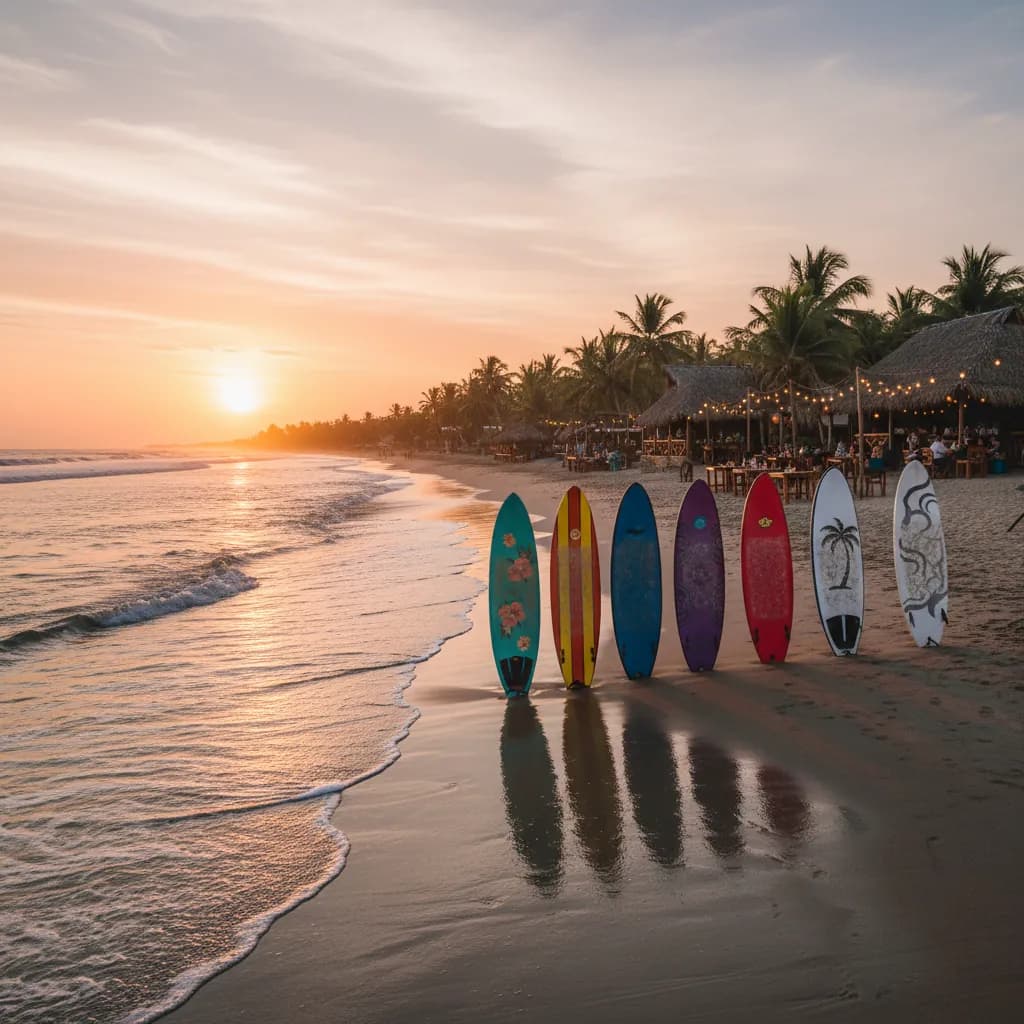
Ecuador's National Assembly approved a new marine-coastal governance law on May 21. Expreso reports it creates tools to protect breaking waves, regulate maritime activities and catalog important surf zones.
President Noboa meets VP Vance this week to discuss security, migration, and trade. Ecuador is also seeking a civilian nuclear energy agreement with the US — a first.
Juan Carlos Blum is now the fifth person to lead Ecuador's energy portfolio since November 2023. A former minister calls it 'a responsibility of the highest risk.' The blackouts, failed contracts, and investigations explain why.
Prosecutors raided CNEL offices across three provinces after the Energy Minister revealed a decade-long billing manipulation scheme affecting 400,000+ accounts. Officials allegedly cut invoices by 80% in exchange for bribes.