Daily coverage from across the country, written for the expat community
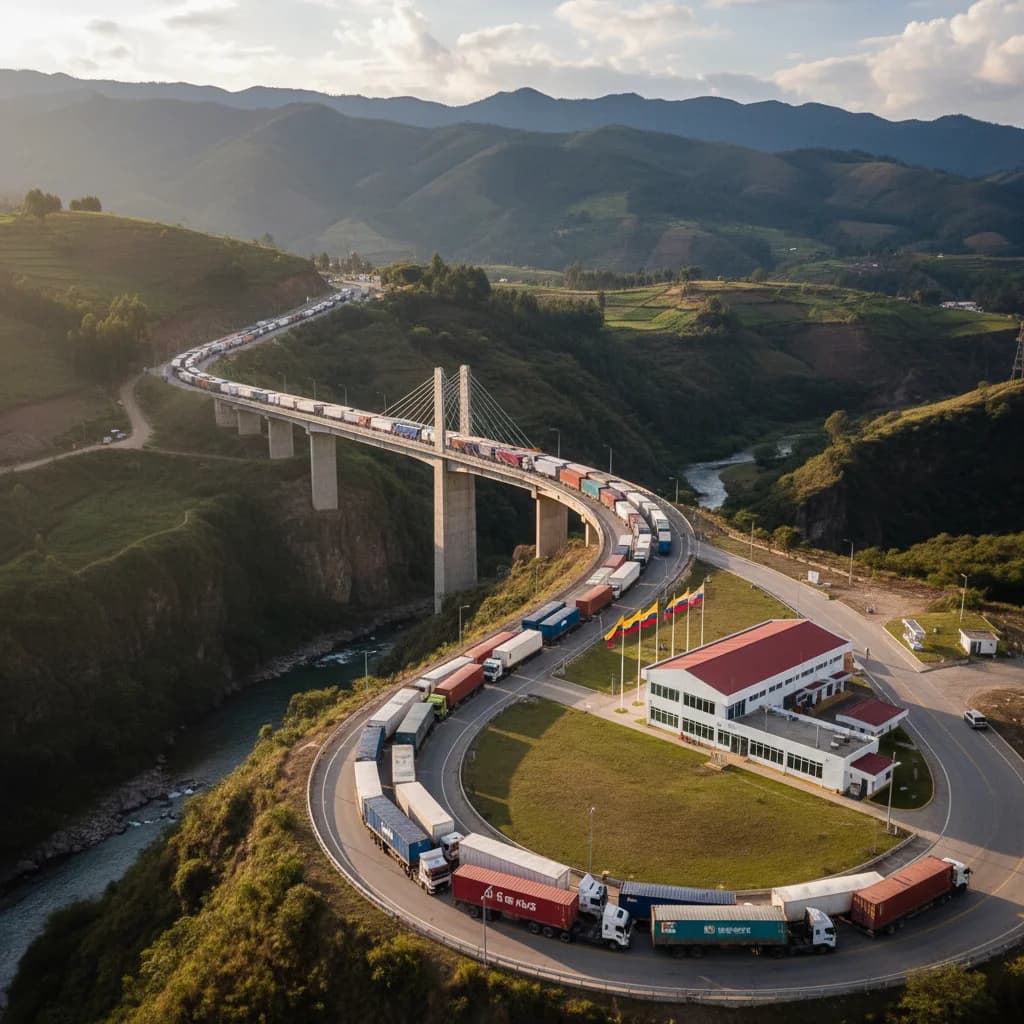
What started as a tariff dispute has spiraled into a full trade war between neighbors. Ecuador slapped 30% duties on Colombian imports; Colombia responded by suspending electricity sales and threatening counter-tariffs on 23 Ecuadorian products. The pipeline tariff jumped from $3 to $30 per barrel.
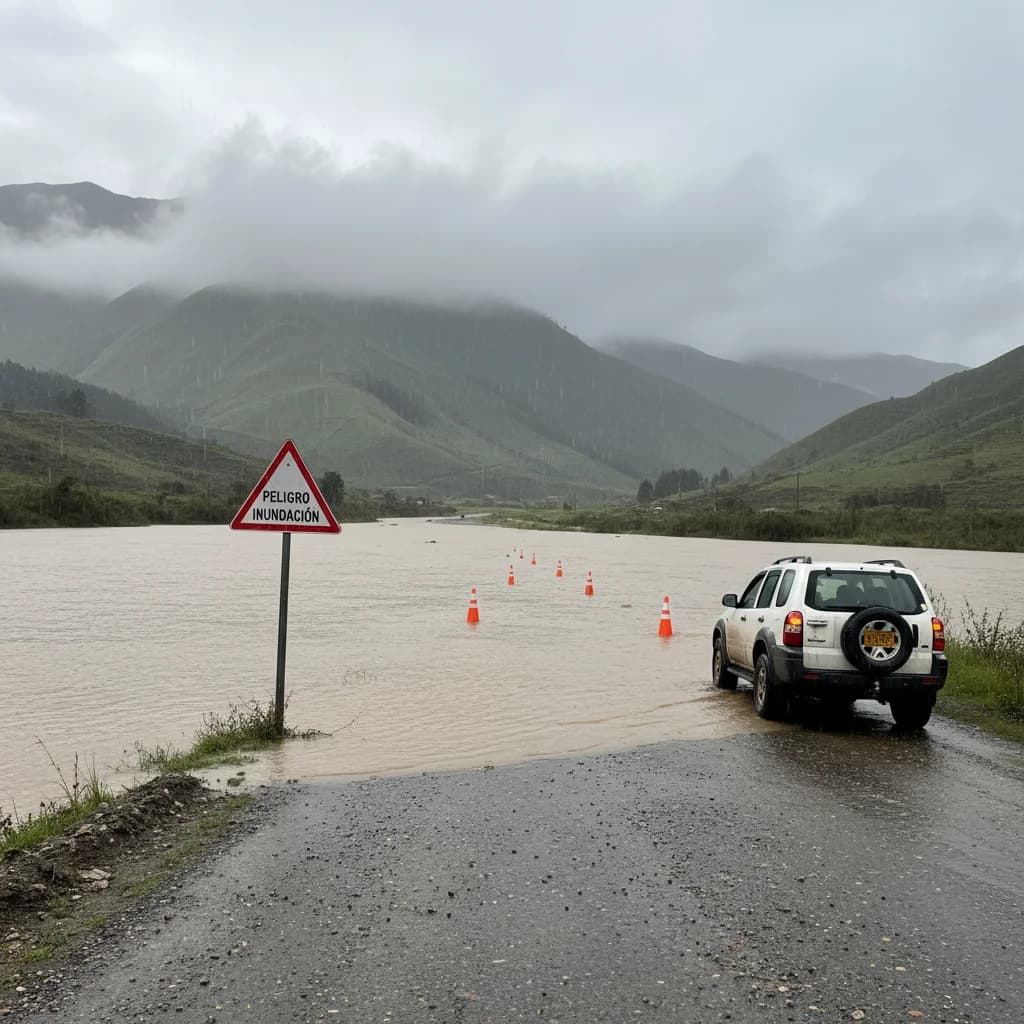
Ecuador’s risk management agency raised alert levels nationwide as the rainy season intensifies. Pichincha (home to Quito), Esmeraldas, and Los Ríos are at the highest level. Sixteen more provinces — including Azuay, Guayas, and Loja — sit at orange alert heading into Carnival weekend.
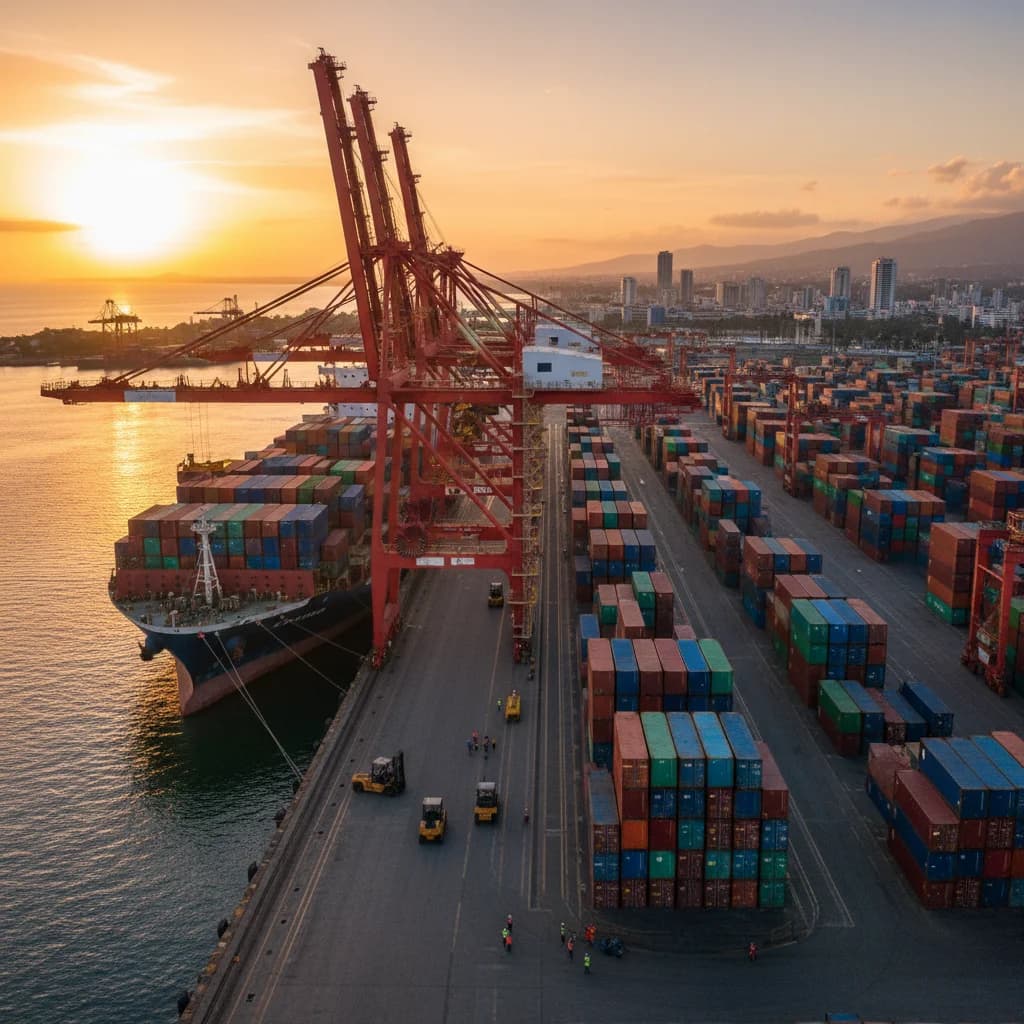
Fedexpor reports Ecuador’s non-petroleum, non-mining exports grew 16% to $25.2 billion in 2025. Shrimp led at $8.4 billion (+20%), cocoa surged 29% to $4.7 billion, and U.S.-bound exports jumped 30%. It’s the strongest diversification signal yet for the dollarized economy.
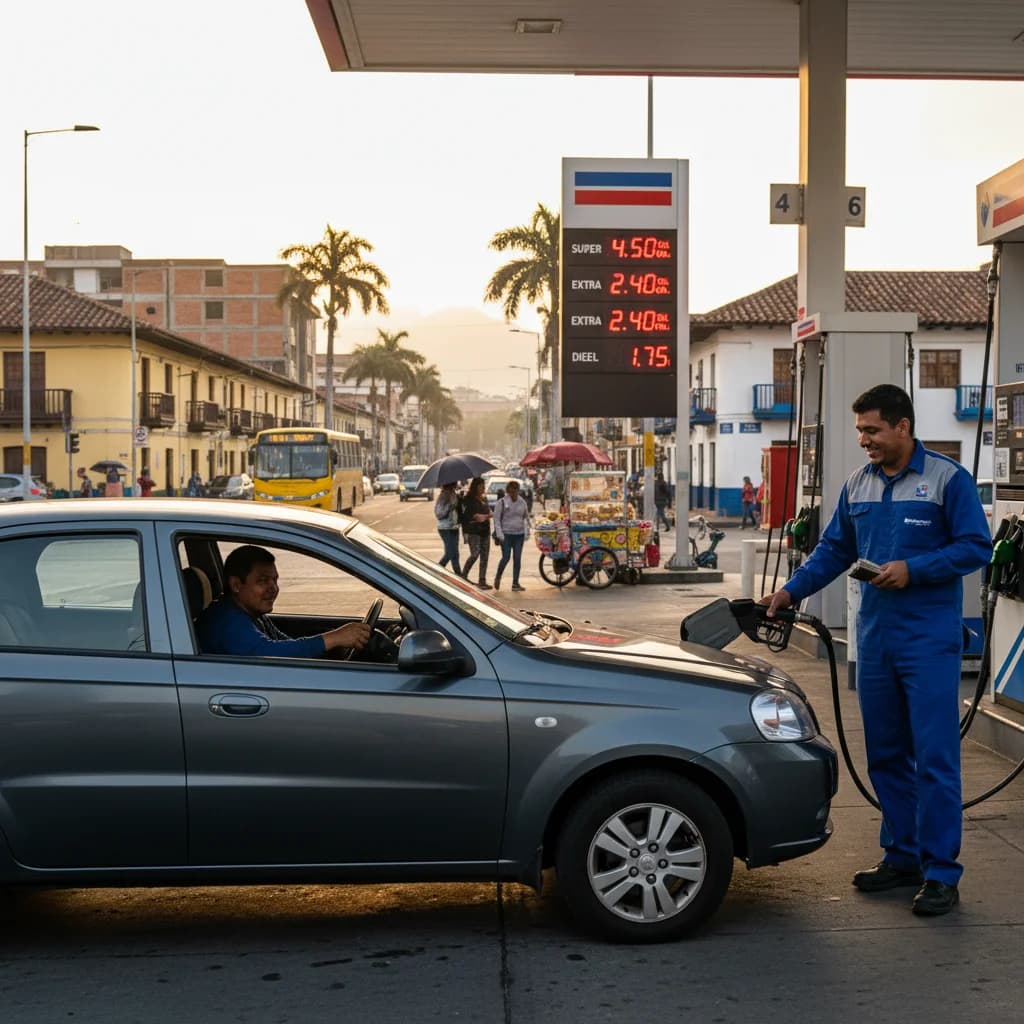
Ecuador’s monthly fuel price band adjusted at midnight. Extra and Ecopaís gasoline rose to $2.76/gallon, Súper Premium dropped to $3.19, and diesel barely moved at $2.70. The new prices hold through March 11.
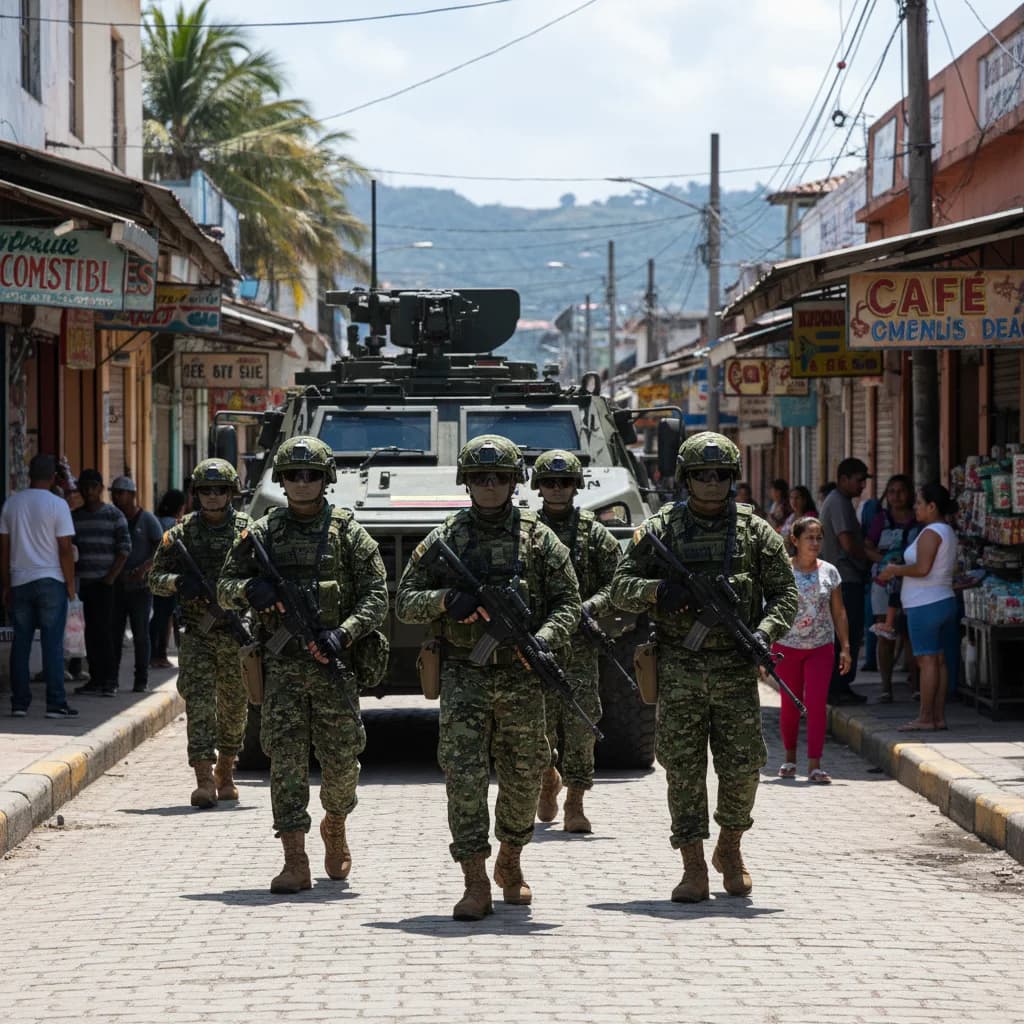
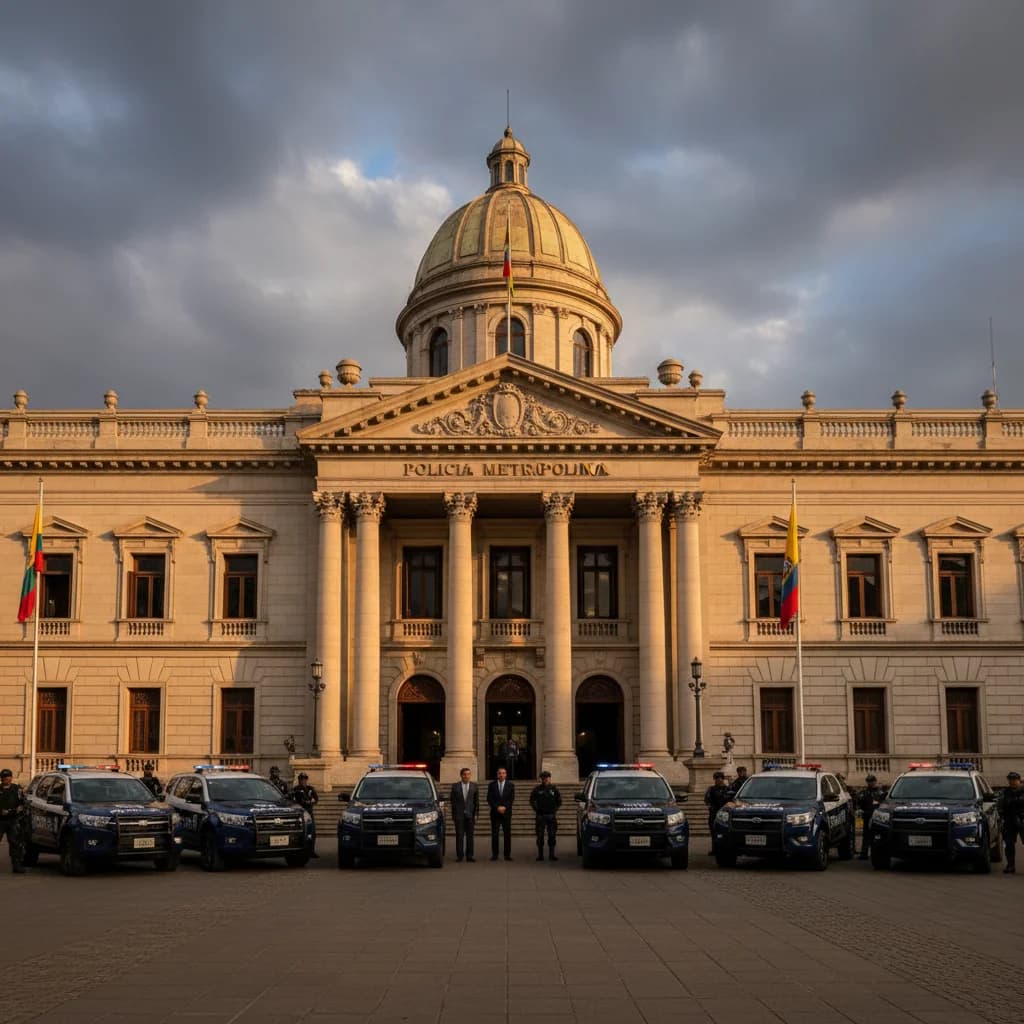
The ACLED Conflict Watchlist 2026 ranks Ecuador among the planet’s most dangerous nations. Over 3,600 people died from organized crime violence in 2025 — a 42% increase — and 71% of the population was exposed to criminal violence, the highest rate in Latin America.
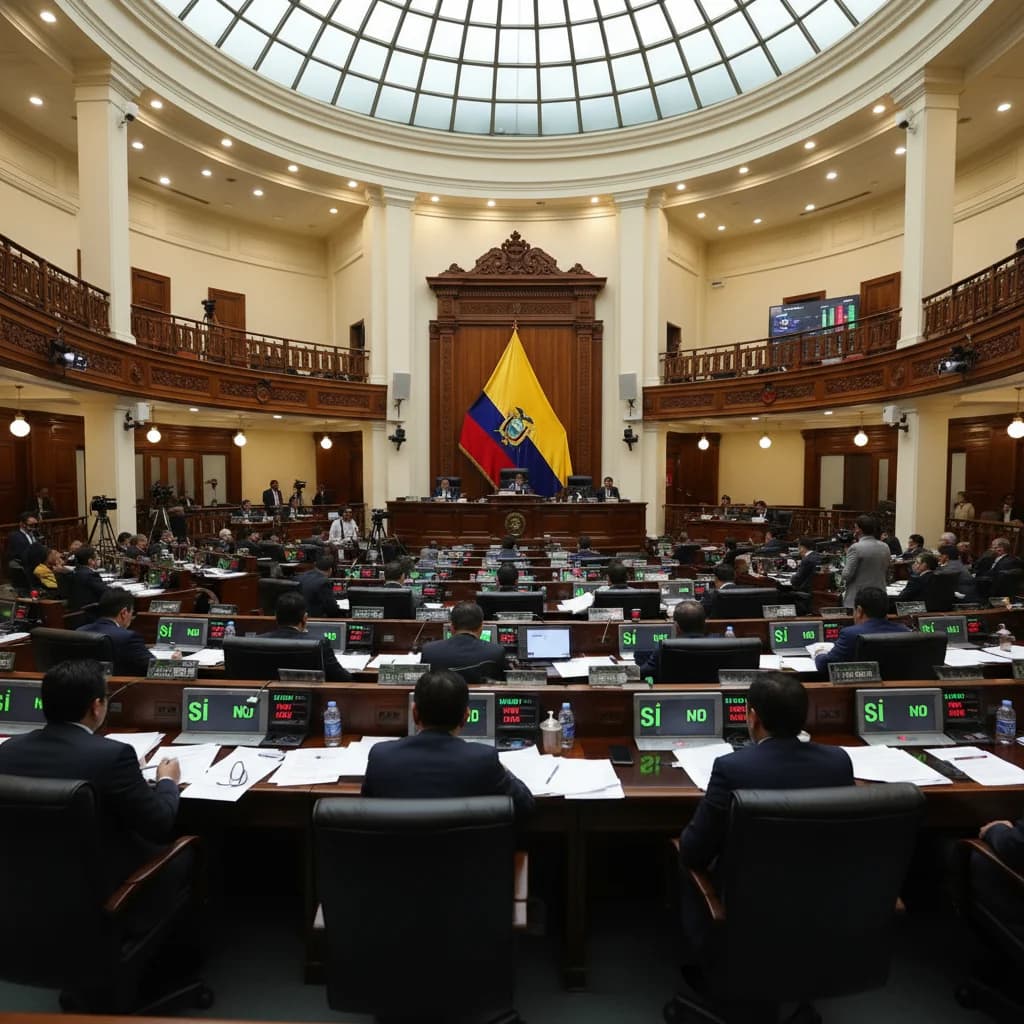
The National Assembly approved the Organic Law for Strengthening Cybersecurity with 82 votes. The law requires mandatory cybersecurity education in schools, establishes incident reporting obligations for organizations, and aligns Ecuador with international standards like ISO 27000 and the Budapest Convention.
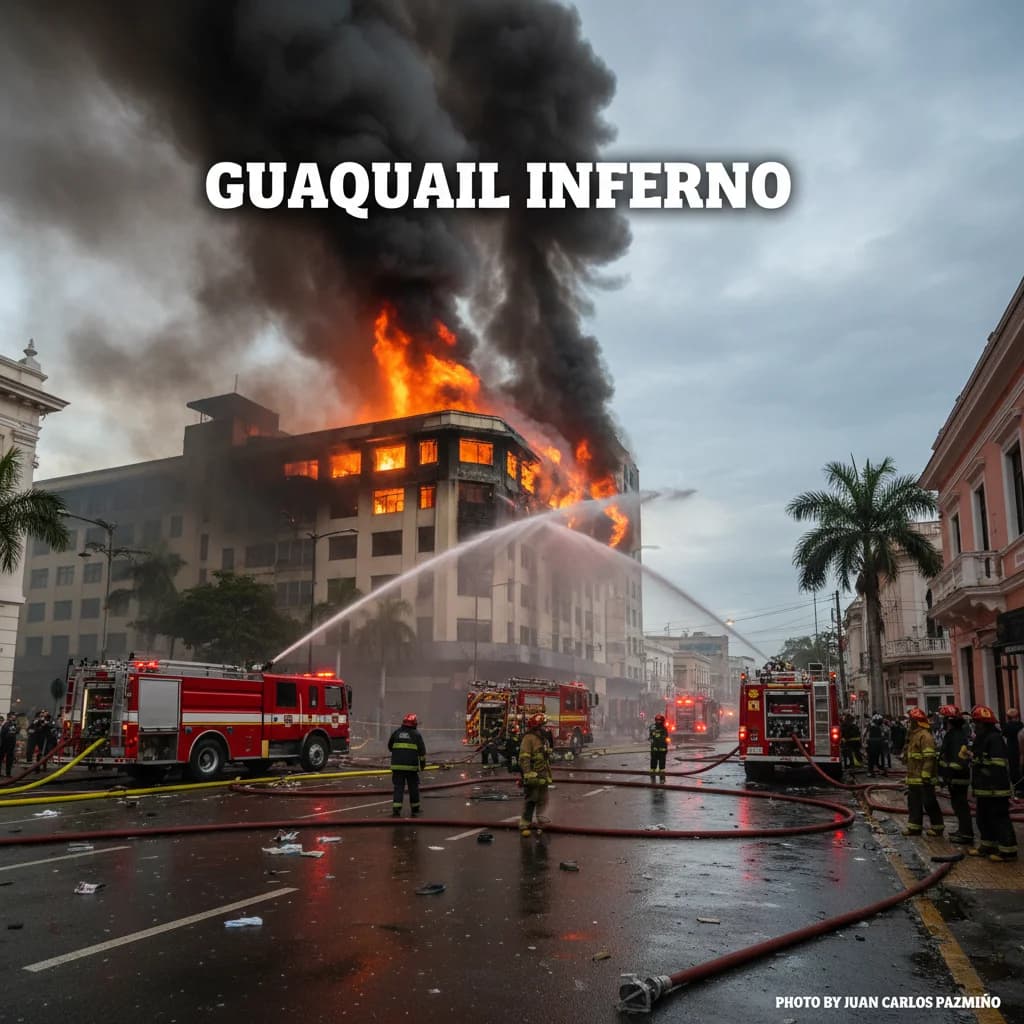
A warehouse fire in downtown Guayaquil’s Multicomercio commercial complex burned for over 24 hours, reaching temperatures of 700°C before the rear structure collapsed. 150 firefighters and 49 units responded. No deaths reported, but surrounding towers face structural risk warnings.
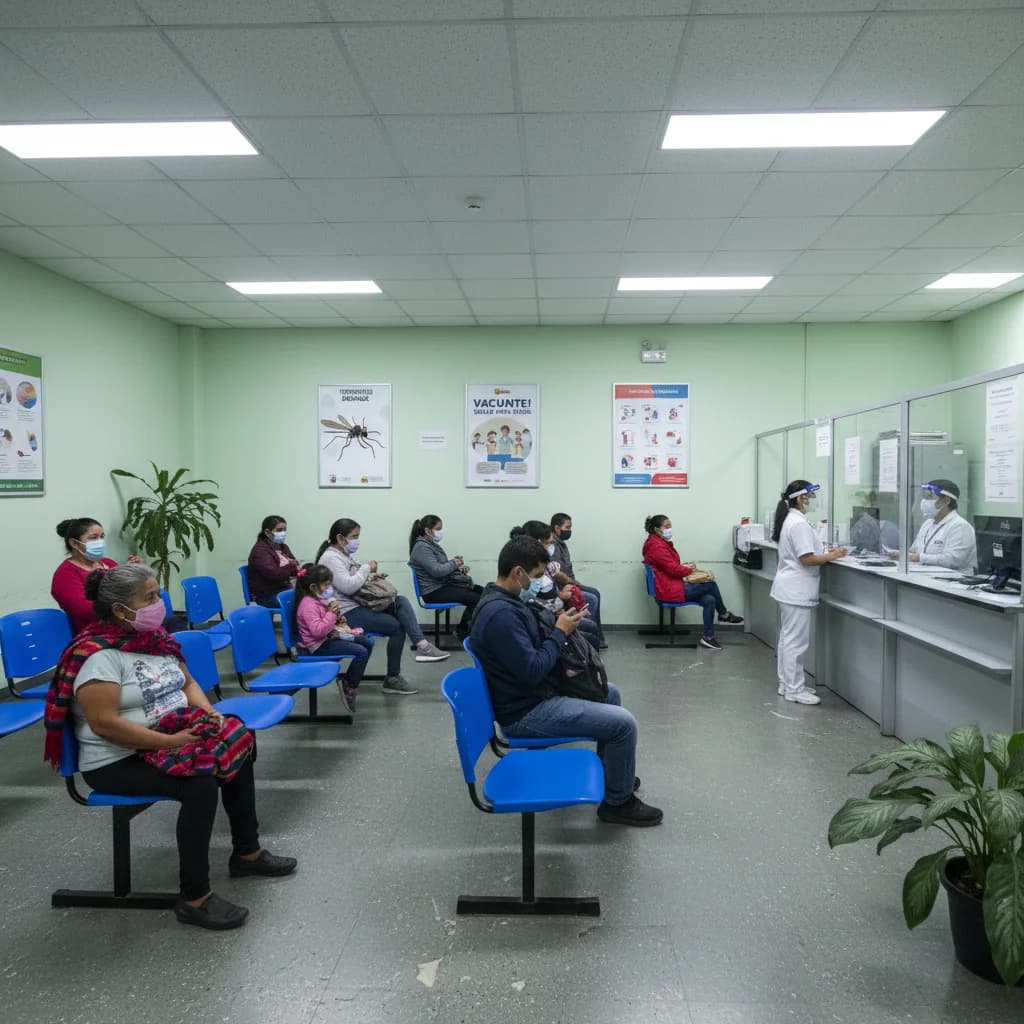
Ecuador’s TB crisis went from bad to alarming in 2025. Deaths jumped 127%, confirmed cases rose 67% to 9,142, and health experts warn this is no longer just a prison problem — community transmission is driving the surge.
Ecuador’s second-largest city lost its mayor. Aquiles Alvarez was ordered into preventive detention on organized crime and fuel trafficking charges as part of the ‘Caso Goleada’ investigation. He was transferred to Latacunga prison — 11 others arrested across Guayas province.
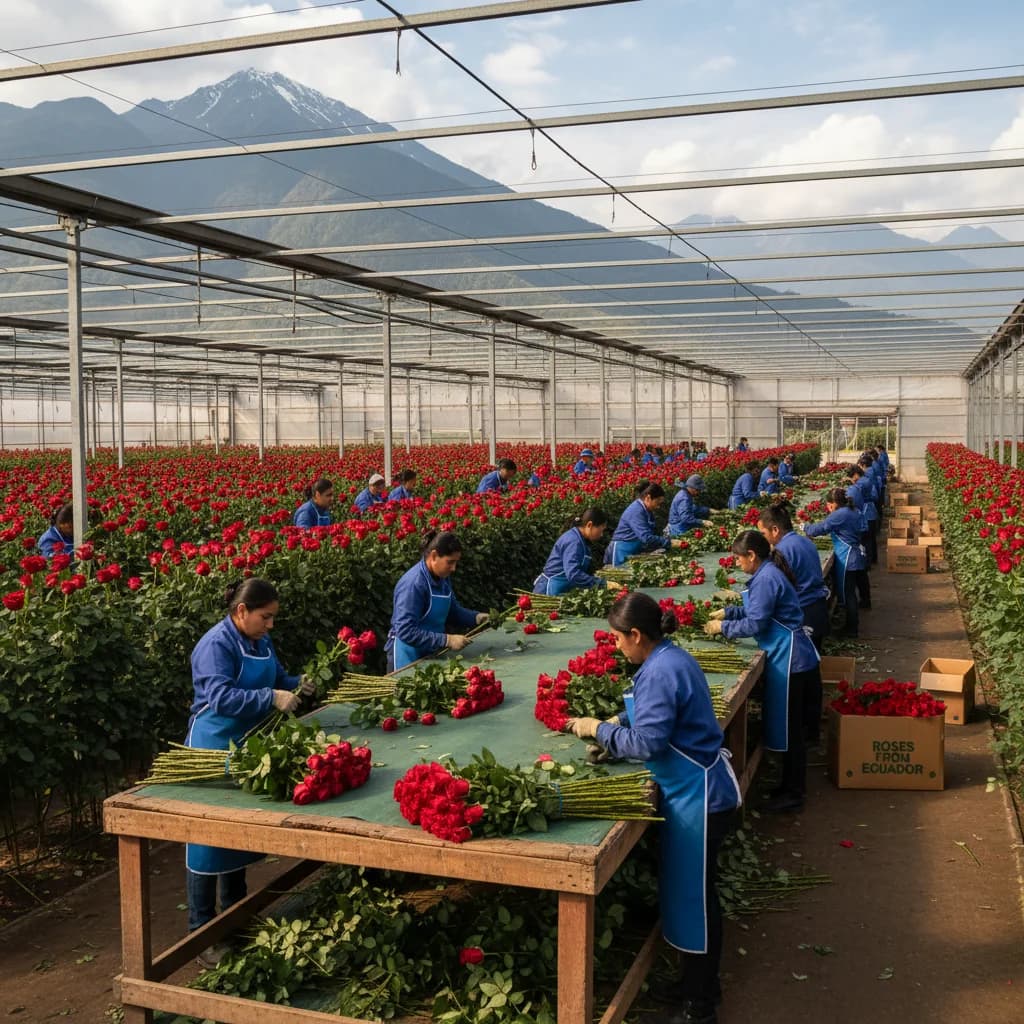
LATAM Cargo and Avianca transported over 40,000 tons of roses from Ecuador for Valentine’s Day 2026 — the country’s biggest annual flower export event. Ecuador is the world’s third-largest flower exporter, and February is the industry’s Super Bowl.
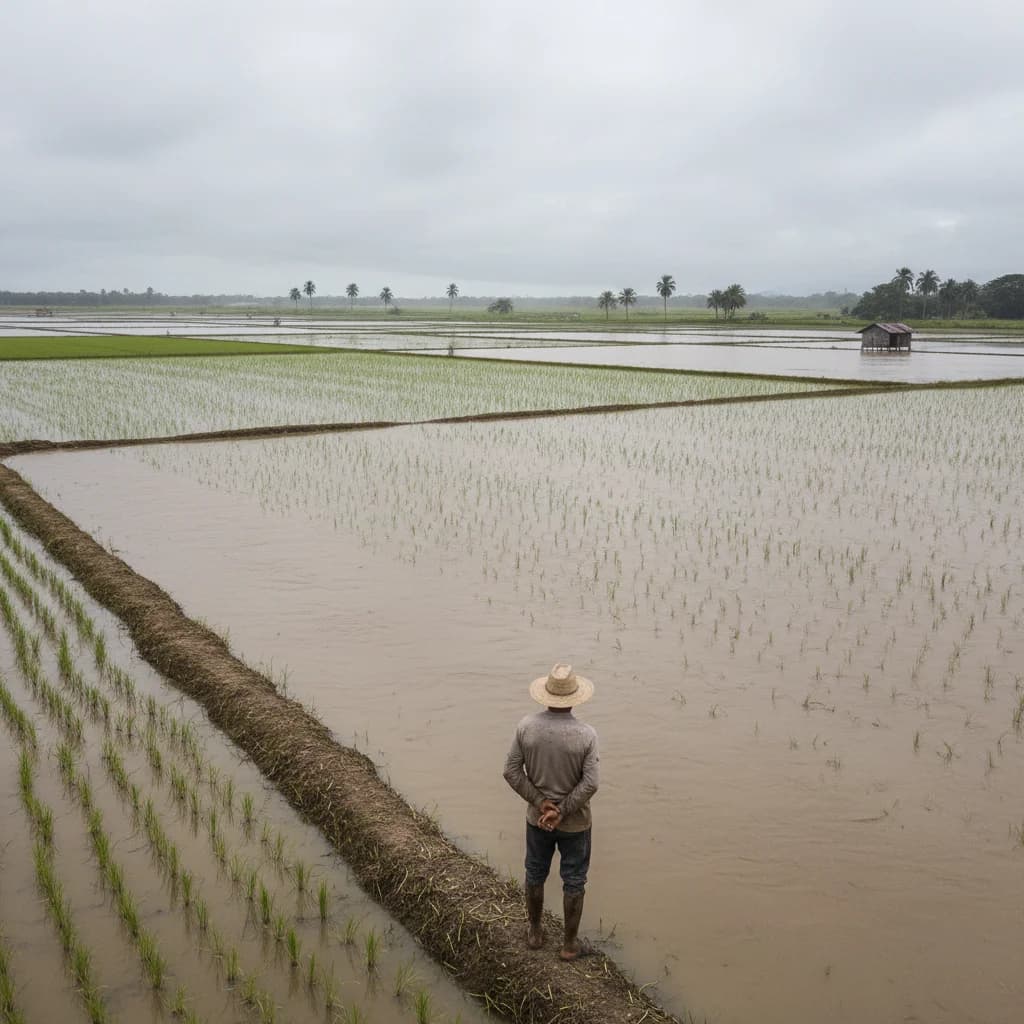
Heavy rains have inundated 700 hectares of farmland in Guayas province, putting approximately 38,000 agricultural producers at risk. Rice, corn, and cacao crops are the most affected as the rainy season intensifies heading into Carnival weekend.
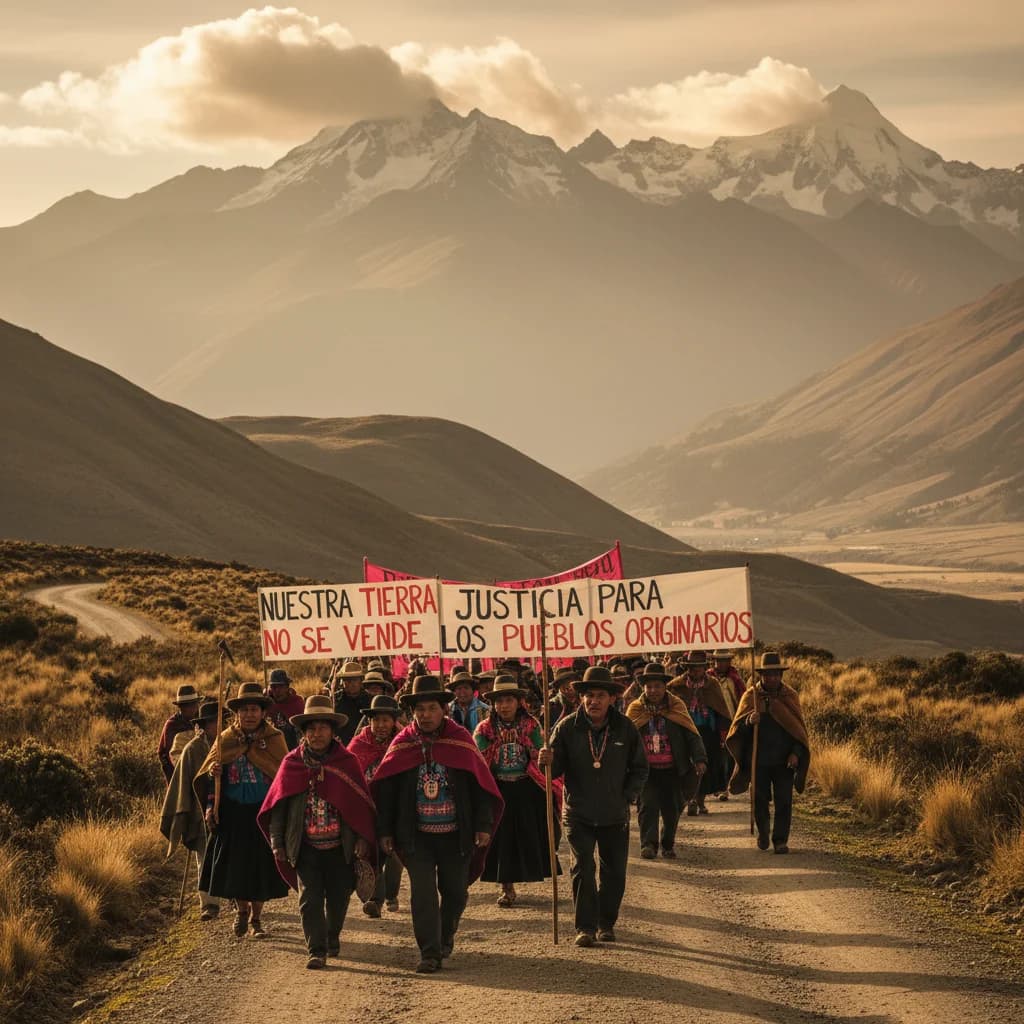
Several indigenous organizations have announced a formal legal process to revoke President Daniel Noboa’s mandate, citing unfulfilled commitments and growing social discontent. The recall faces steep constitutional hurdles but signals deepening political tensions.