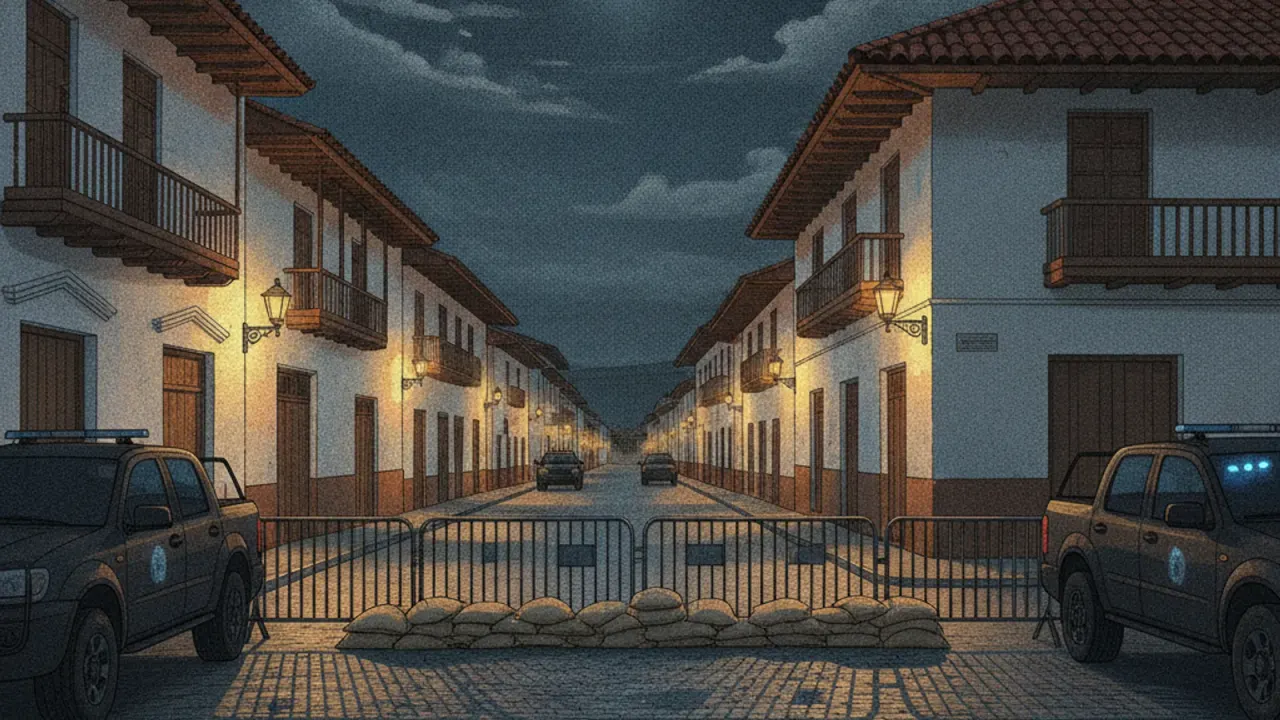
Curfew in Four Coastal Provinces Extended Through March 31

If you are traveling to or through Ecuador's coast in the coming days, you need to know about the active curfew and what it means for your plans.
The Curfew Details
| Detail | Information | |--------|------------| | Provinces affected | Guayas, Los Ríos, Santo Domingo de los Tsáchilas, El Oro | | Hours | 11:00 PM to 5:00 AM nightly | | Duration | March 15–31, 2026 (may be extended) | | Enforcement | ~75,000 soldiers and police | | Assets deployed | Armored vehicles, motorcycles, helicopters |
The curfew was initially imposed on March 15 as part of a broader security crackdown and has been extended at least once. As of March 25, it runs through March 31, though authorities have signaled it may be extended further depending on security conditions.
What the Curfew Means in Practice
During curfew hours (11:00 PM to 5:00 AM), no civilian movement is permitted in the four affected provinces unless you fall under specific exemptions. This means:
- No driving on roads or highways
- No walking on streets or public spaces
- Restaurants, bars, and entertainment venues must close before curfew
- Violators can be detained by military or police
Exemptions
The following groups are exempt from the curfew:
- Airport travelers with a valid boarding pass or flight itinerary — this is critical for expats with early morning or late-night flights through Guayaquil's José Joaquín de Olmedo International Airport
- Medical emergencies — carry documentation if possible
- Essential workers with proper credentials
- Transit through affected areas may require documentation showing your destination is outside the curfew zone
The Security Context
The curfew is part of an ongoing military and police operation targeting organized crime in Ecuador's coastal regions. The country ended 2025 with a record homicide rate of 51 per 100,000 residents — one of the highest in Latin America — driven primarily by violence in Guayas, Los Ríos, El Oro, Esmeraldas, and Manabí provinces.
The government has deployed approximately 75,000 security personnel across the four provinces, backed by armored vehicles, motorcycles, and helicopters. The operation targets gang territories, weapons caches, and drug trafficking infrastructure.
The curfew has already disrupted daily life. The popular Andrés Cepeda concert series scheduled for March in Guayaquil was rescheduled due to the restrictions. Nightlife, late dining, and evening commerce in affected cities have effectively shut down during curfew hours.
Areas NOT Under Curfew
Importantly, several major expat destinations are not affected by the current curfew:
- Cuenca and Azuay province — no curfew
- Quito and Pichincha province — no curfew
- Loja and Vilcabamba — no curfew
- Cotacachi and Imbabura — no curfew
- Galápagos — no curfew
- Manabí (Manta, Bahía, Canoa) — no curfew currently, though the province has had curfews in the past
However, if you are driving between non-affected areas and your route passes through a curfew province — for example, driving from Cuenca to Quito via the coast — you must plan to be out of the curfew zone before 11:00 PM.
What This Means for Expats
Confused about which visa fits your situation? Book a 30-minute consultation with Chip and leave with a clear plan.
Book a consultation- If you are flying through Guayaquil, carry your boarding pass or flight confirmation at all times. Airport travelers are exempt, but you need proof. Consider arriving well before curfew or scheduling flights that do not require nighttime travel through the city
- If you are traveling to coastal beach destinations in Guayas or El Oro, plan all activities to conclude before 11:00 PM. This includes driving back to your hotel
- The Cuenca-Guayaquil highway passes through Guayas province. If you are driving this route, ensure you arrive at your destination before curfew. The drive from Cuenca to Guayaquil takes 3-4 hours under normal conditions but can be longer due to rain, road damage, or checkpoints
- Do not assume the curfew will end on March 31. Previous curfews in Ecuador have been extended multiple times. Monitor news sources and government announcements if you have travel plans in early April
- This is a serious enforcement operation. With 75,000 troops deployed and armored vehicles on the streets, this is not a suggestion — it is a military operation. Being caught violating curfew as a foreigner creates complications you do not want
- For Semana Santa travel (April 3-5), check whether the curfew has been extended before booking coastal accommodations in the affected provinces
Sources: UPI, Travel Off Path
More in Safety
View all →Keep practical Ecuador coverage free to read.
Reader support helps fund source monitoring, translation, editing, publishing, and national coverage for expats across Ecuador.
Need help with your Ecuador visa? EcuaPass handles the paperwork for you. Learn more →
Comments
No comments yet. Be the first to share your thoughts!