Daily coverage from across the country, written for the expat community
Results for “investment”Clear
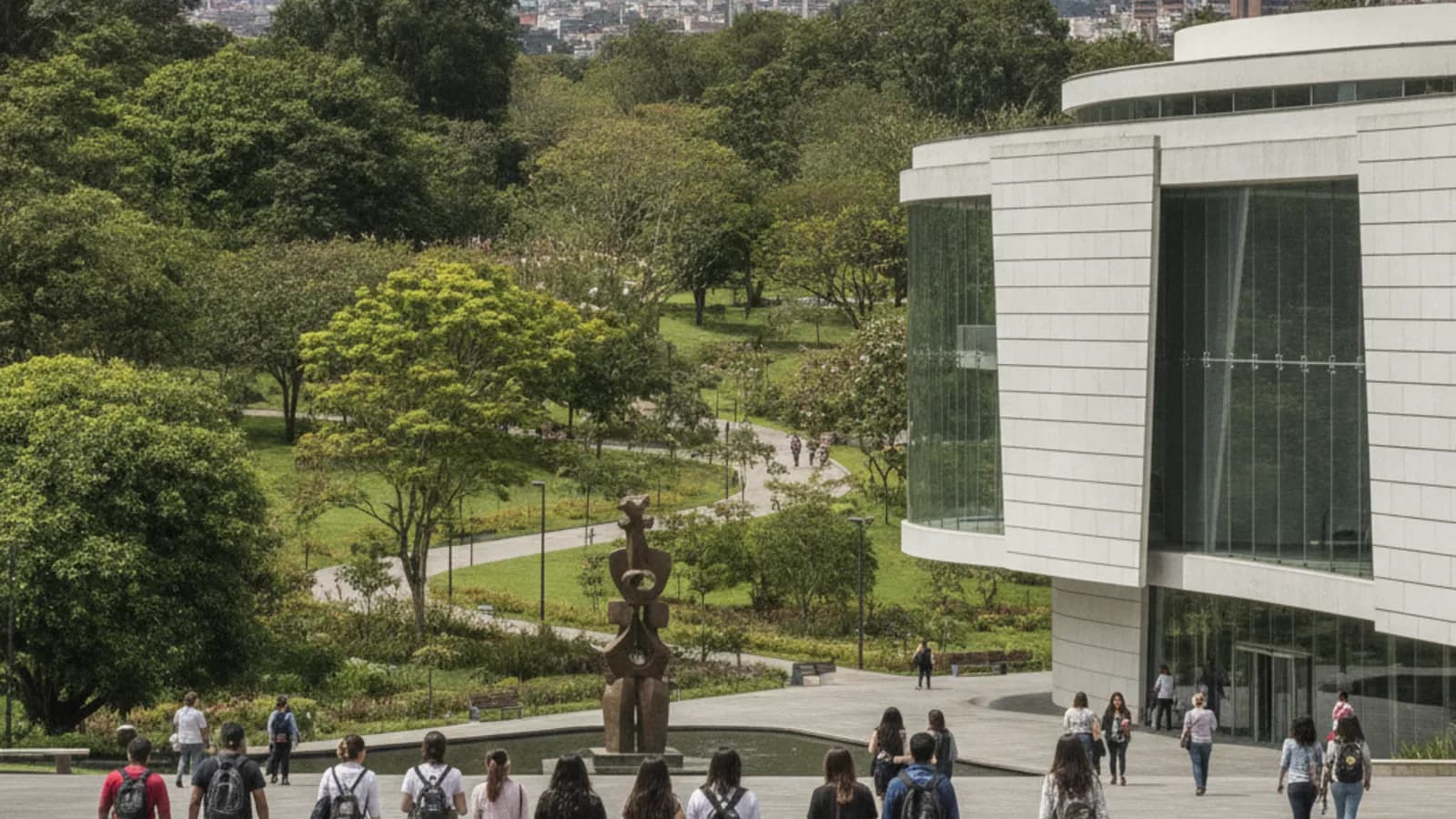
The winning design for Ecuador’s new National Museum in Quito calls for a 36,000-square-meter building near La Carolina to house about 1.4 million cultural and heritage items.
Quito has begun a 12-kilometer road rehabilitation package around five Metro Centro Norte stations. The contract covers 86 road segments, nine months of work, and a $6.5 million investment.
A tribunal convicted six defendants in the Decevale case and ordered a $693 million repair payment to Isspol, the police social security institute. The case grew out of alleged irregularities in securities-market operations involving Decevale S.A., Citadel Casa de Valores and Isspol funds.
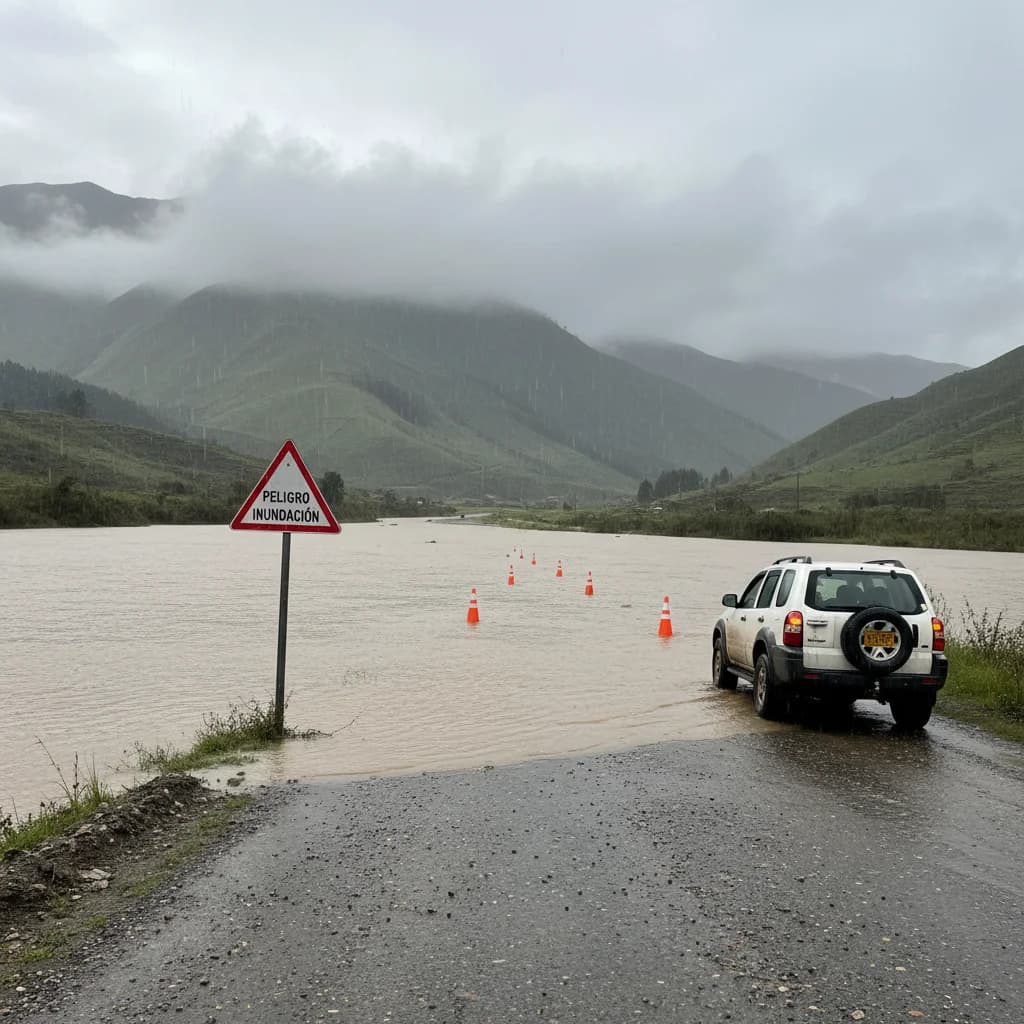
Ecuador has placed 17 provinces, 143 cantons and 491 parishes under a preventive yellow alert for a possible El Nino event. Local governments have until June 23 to submit action plans, but only three municipalities had filed plans as of June 15.
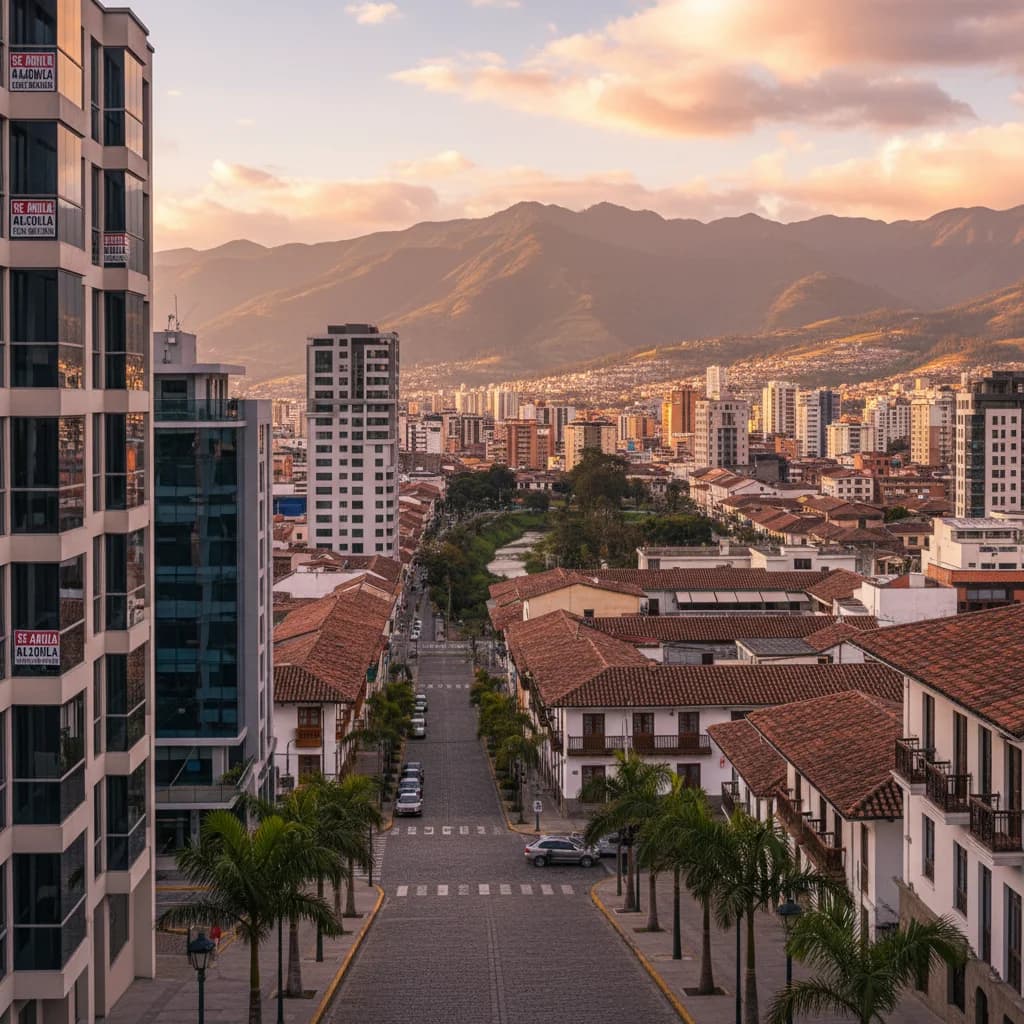
Net housing reservations in Ecuador rose 28% from January to April 2026 compared with the same period last year. Builders now project that annual housing sales could reach or exceed 40,000 units if favorable conditions continue.
Ecuador’s country-risk indicator closed at 386 basis points on June 12, the lowest level reported since September 30, 2014. The drop signals improved market confidence, though it does not immediately change day-to-day costs for residents.
IESS says Teodoro Maldonado Carbo Hospital allocated $435,083 for medications and supplies, including antibiotics, neonatal respiratory supplies, suction hoses and Tocilizumab. For expats using IESS or watching the public system, this is a concrete supply update with named purchases and dollar amounts.
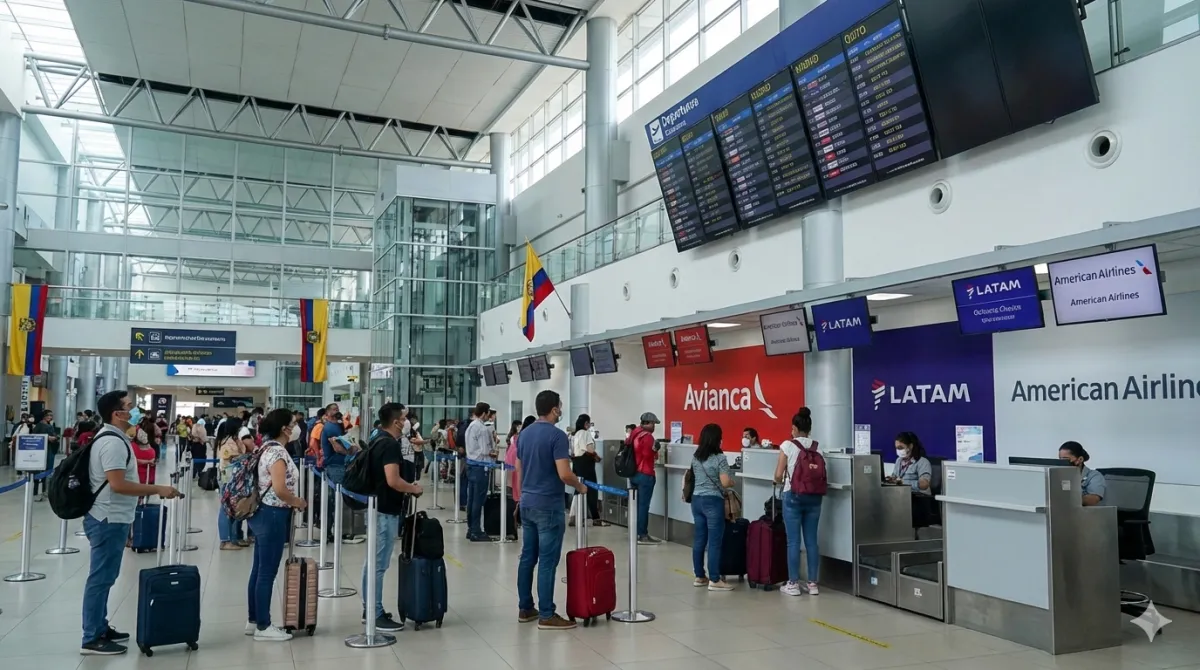
Travelers connecting through Lima’s Jorge Chávez airport must pay an $11.86 transfer fee called the TUUA. Ecuadorians using Lima for onward connections to South America, Asia and Europe are already feeling the extra cost.
A group seeking a recall process against President Daniel Noboa asked Ecuador's electoral authority for signature forms on June 9. The process would require support from 15% of the electoral roll, representing more than two million signatures nationwide.
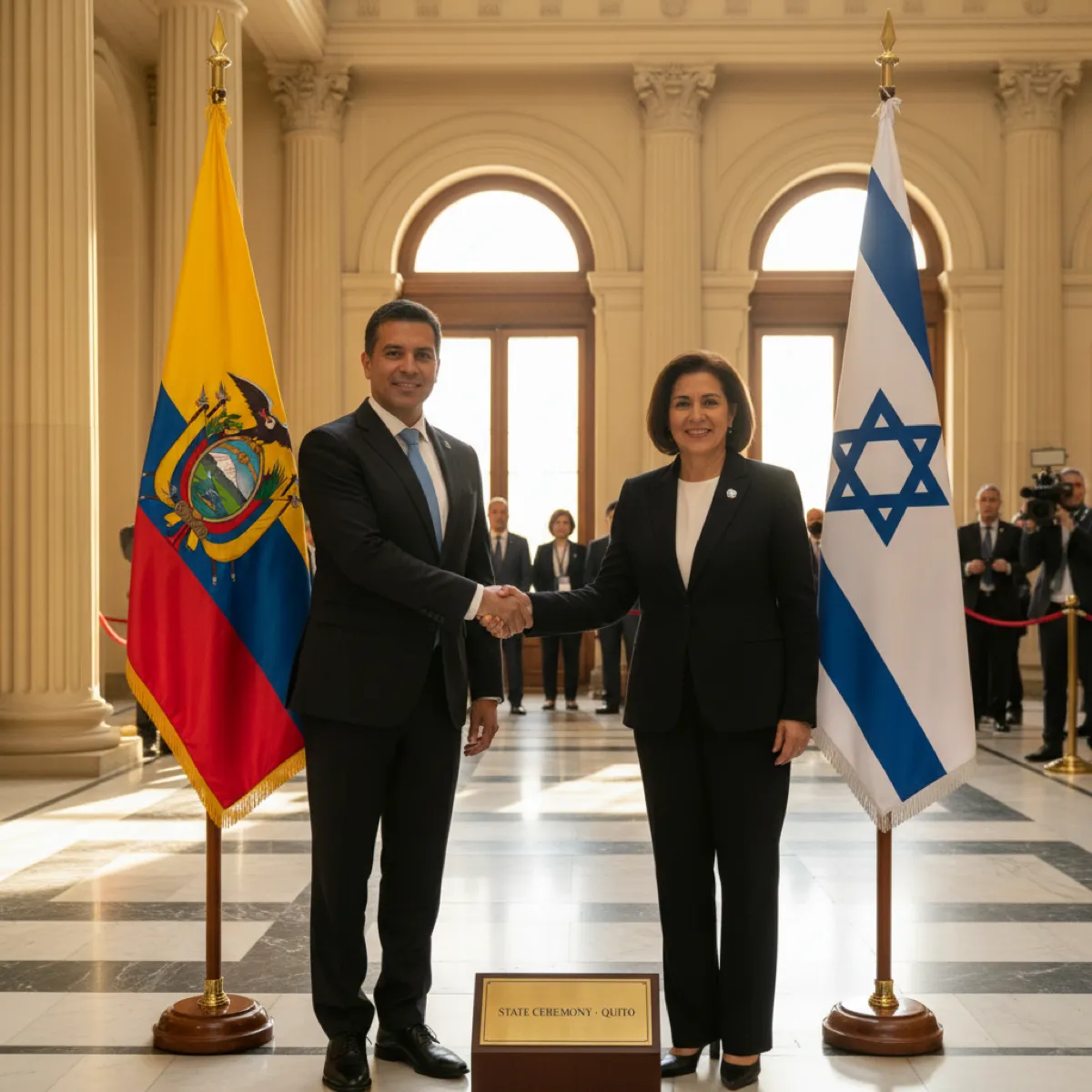
President Daniel Noboa named Roberto Kury as Ecuador's new foreign minister after Gabriela Sommerfeld resigned for personal and health reasons. The change matters to expats because the Foreign Ministry oversees mobility, consular services, visas, and Ecuador's international agenda.
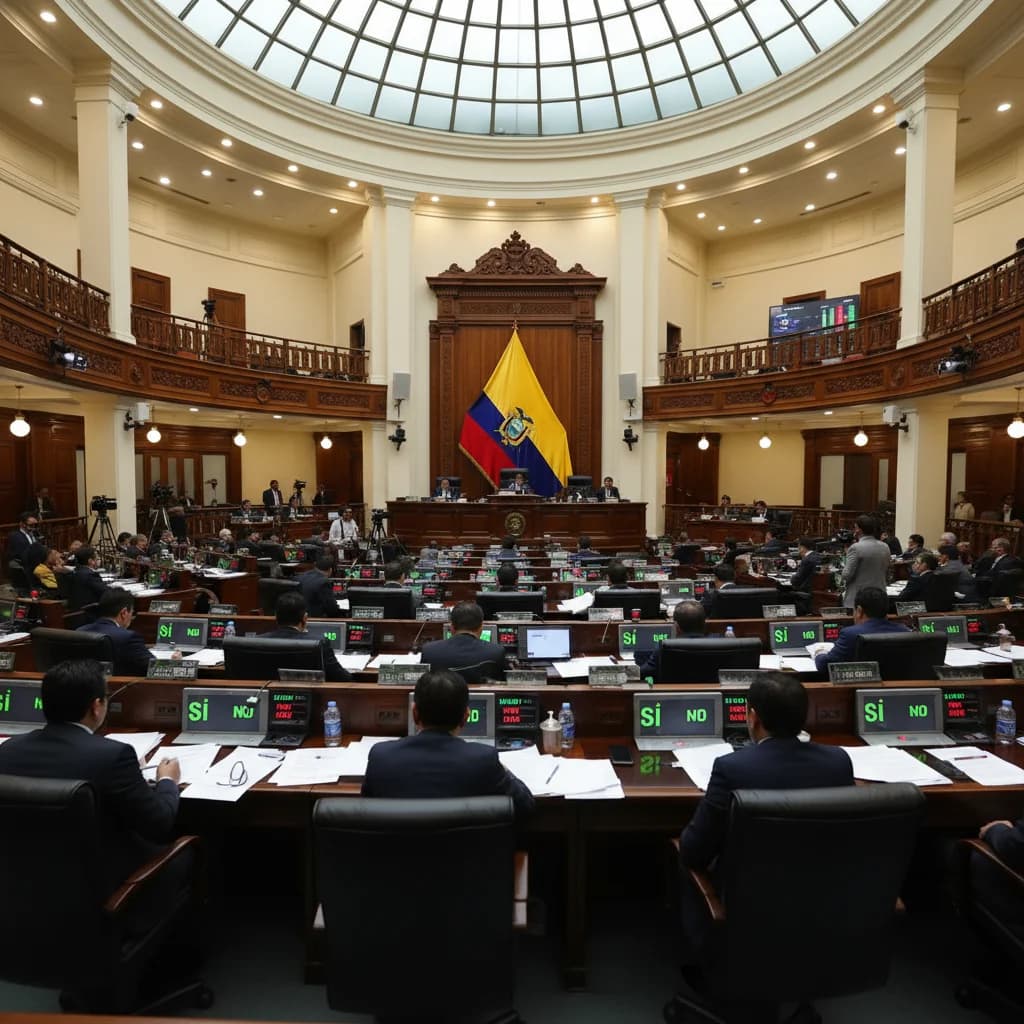
A legal reform moving through Ecuador's Assembly aims to clear about 12,000 abandoned containers from the country's ports. The backlog includes roughly $450 million in retained cargo and average wait times of 365 days.
The Jóvenes del Nuevo Ecuador 2026 program offers 3,276 scholarships for higher-education students age 18 to 29. Applications opened June 4 and close June 28 through the official platform.