Daily coverage from across the country, written for the expat community
Results for “infrastructure”Clear
Ecuador recorded 3,485 violent deaths from January through May 2026, while Quito’s recent alerts have centered more on explosives, intimidation, and microtrafficking.
A new look at Ecuador’s transmission system shows 12 of 45 power transformers operating beyond their designed life, with several strategic substations lacking a reserve transformer.
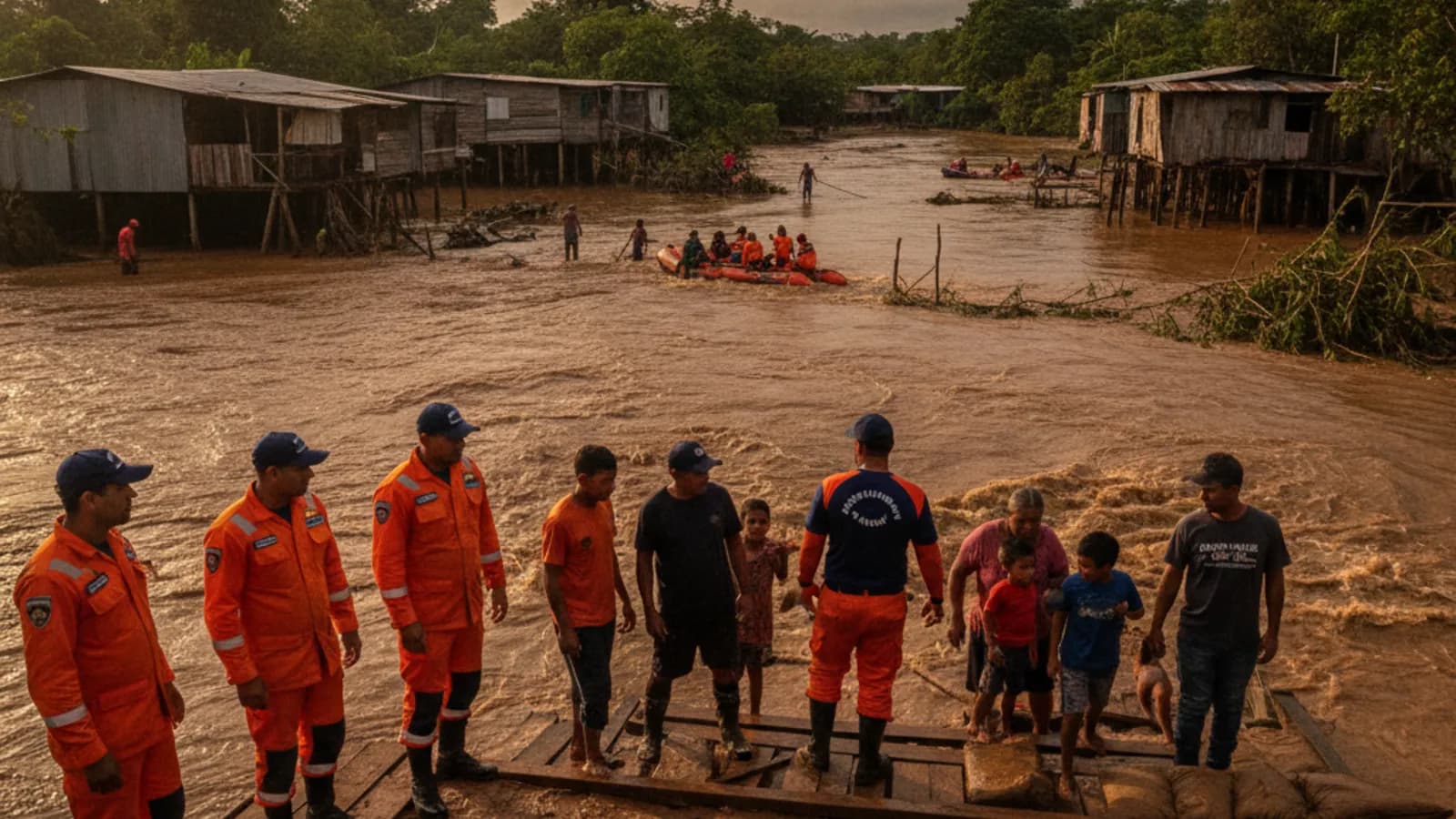
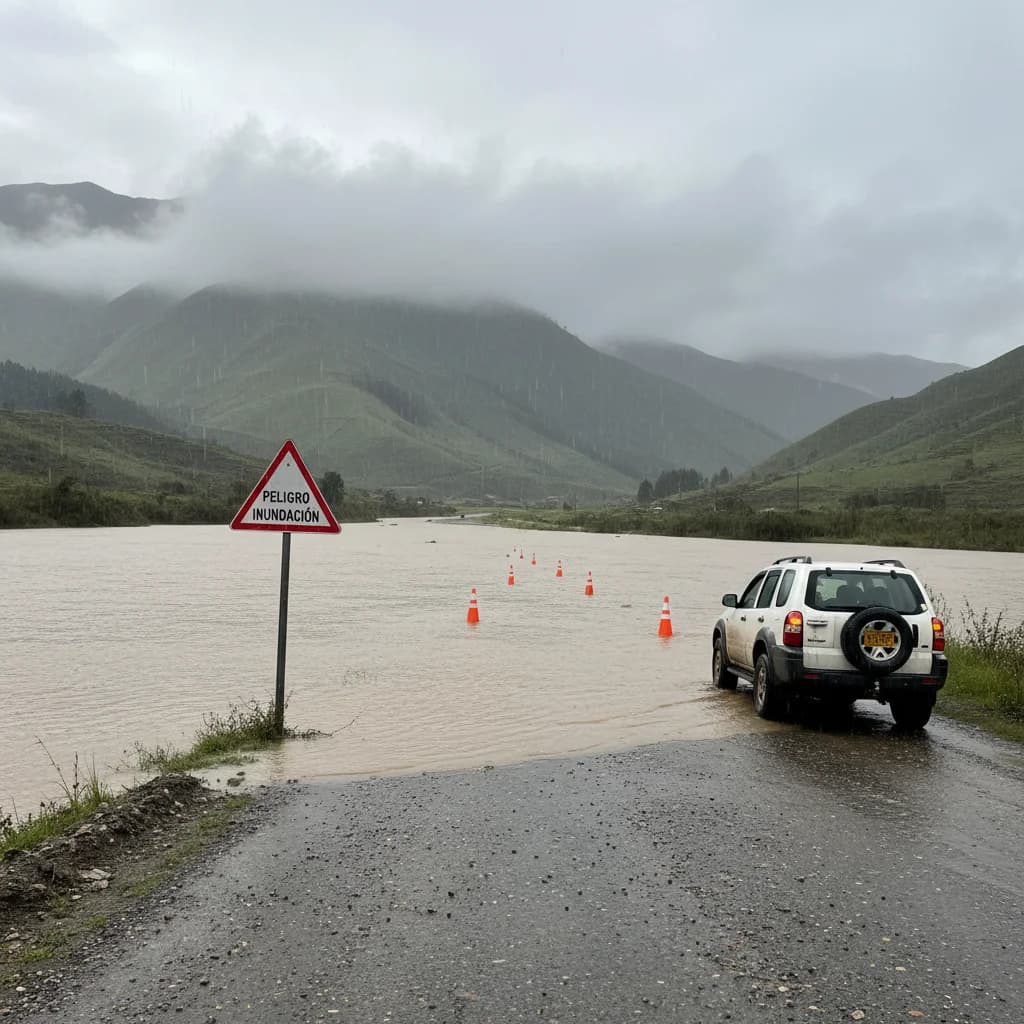
A severe flooding emergency in Zamora Chinchipe left five people dead, trapped residents on roofs and river islets, and disrupted the Loja-Zamora route. Rescue teams reported 38 civilians and 10 firefighters brought to safety.
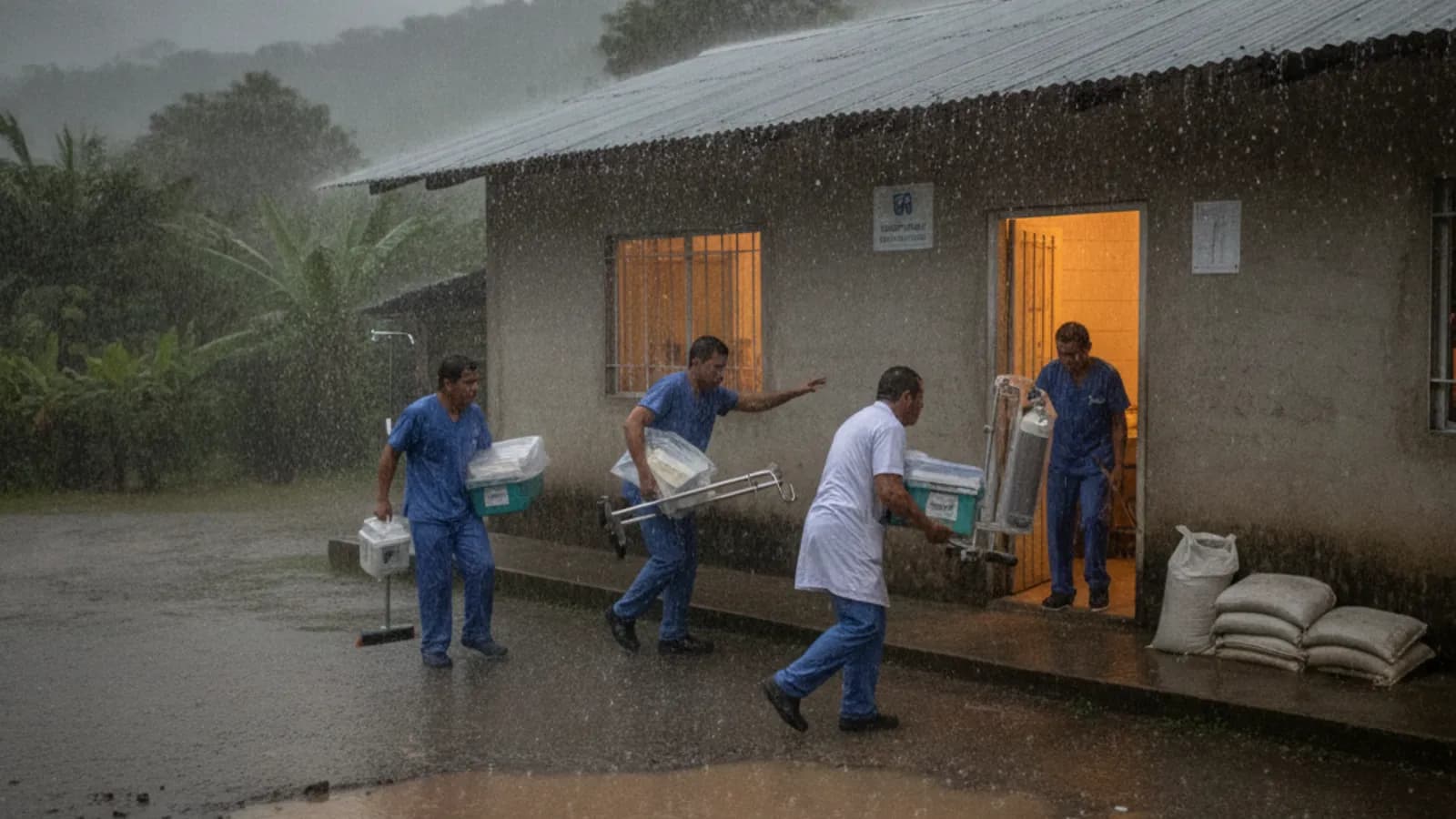
At least 460 hospitals and health centers are located in Ecuador parishes under yellow alert for El Nino. Most are small health centers, and the risk list is concentrated heavily in Manabi and Guayas.
Quito has begun a 12-kilometer road rehabilitation package around five Metro Centro Norte stations. The contract covers 86 road segments, nine months of work, and a $6.5 million investment.
Quito is adding a new Quito Wawas center in Atucucho for 100 children ages 1 to 3. The free service is aimed at vulnerable families and includes meals, early stimulation, pedagogy, and health follow-up.
A strong storm in Santo Domingo on the night of June 25 caused flooded homes and damage to educational and sports infrastructure. Emergency calls came after 23:00, with responders mobilized through ECU 911.
Manabí remains under yellow alert as authorities prepare for possible El Niño impacts. Risk work is focused on river basins, rural flood zones, unstable slopes and historically affected cantons including Chone, Portoviejo, Rocafuerte, Sucre, Santa Ana, Montecristi and Jipijapa.
Regressive erosion on the Coca River has damaged key infrastructure for more than six years, with estimated losses between $4.7 billion and $5.5 billion through May 2026. The risk matters nationally because Coca Codo Sinclair supplies about 25% of Ecuador's average electricity demand.
Traffic on the Balbanera-Pallatanga-Cumandá road is restricted from June 22 through June 28, 2026 for rehabilitation works. The route is a key Sierra-to-Coast corridor used by private vehicles, interprovincial buses and heavy cargo.
Ecuador’s Jóvenes en Acción program is expanding from 80,000 to 150,000 beneficiaries. Registration opened June 16 for vulnerable young adults ages 18 to 29, with selected participants receiving three $400 transfers over three months after completing assigned activities.
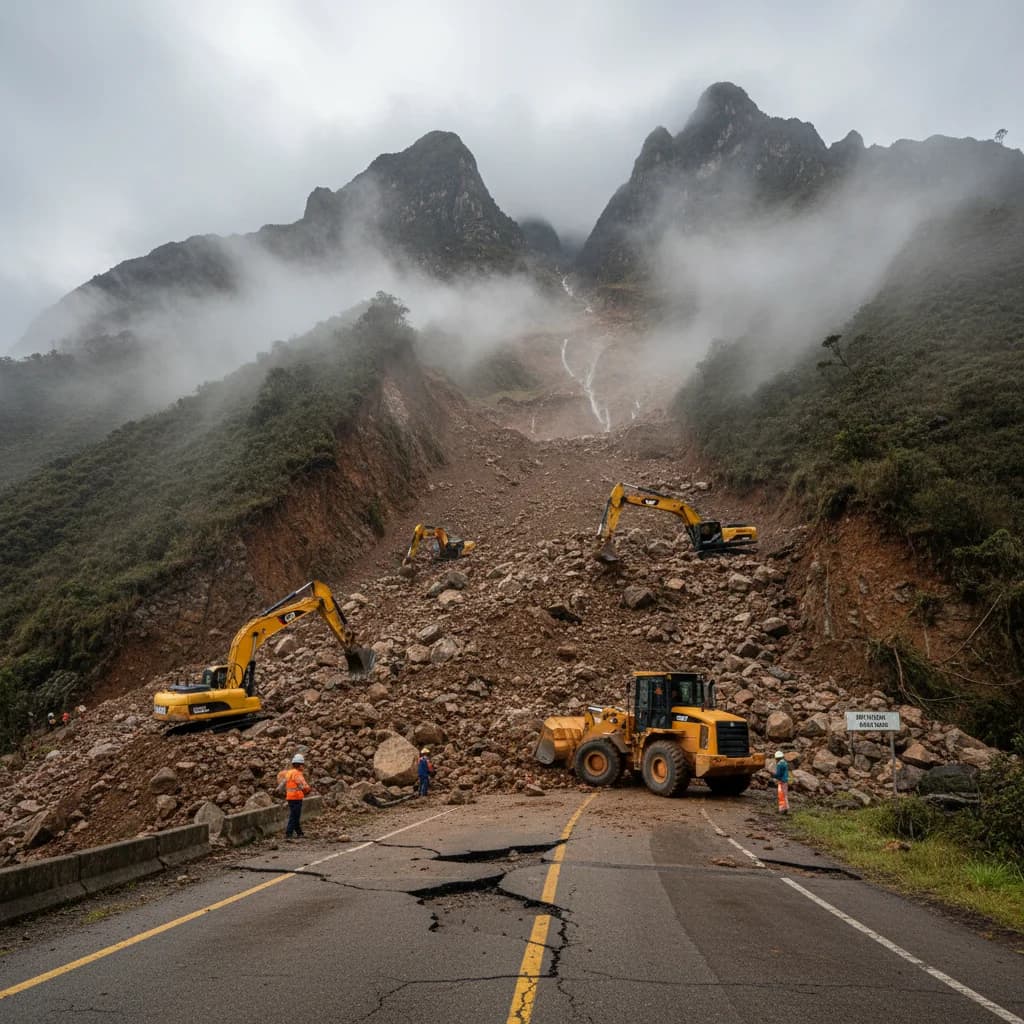
The Infrastructure and Transport Ministry announced an emergency declaration for the Cuenca-Giron-Pasaje road after landslides closed the section between kilometer 76 and 105. Authorities estimate about 200,000 cubic meters of material on the roadway.