Daily coverage from across the country, written for the expat community
Results for “income”Clear
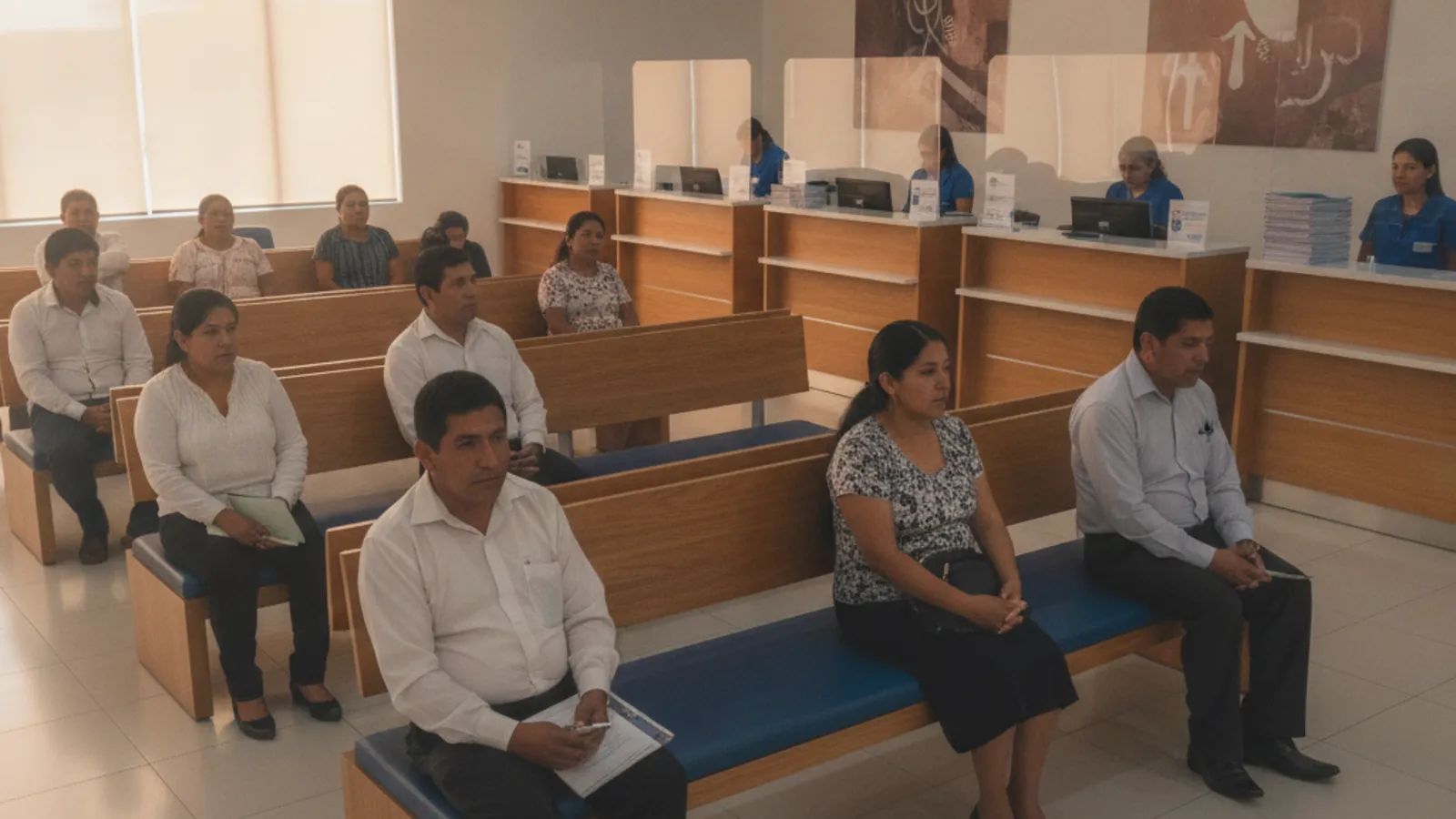
Ecuador’s social security system had 3.6 million active affiliates as of May 2026, up more than 102,000 from a year earlier. The useful part for expats is understanding the difference between dependent, independent, voluntary, domestic-work, and youth affiliation.
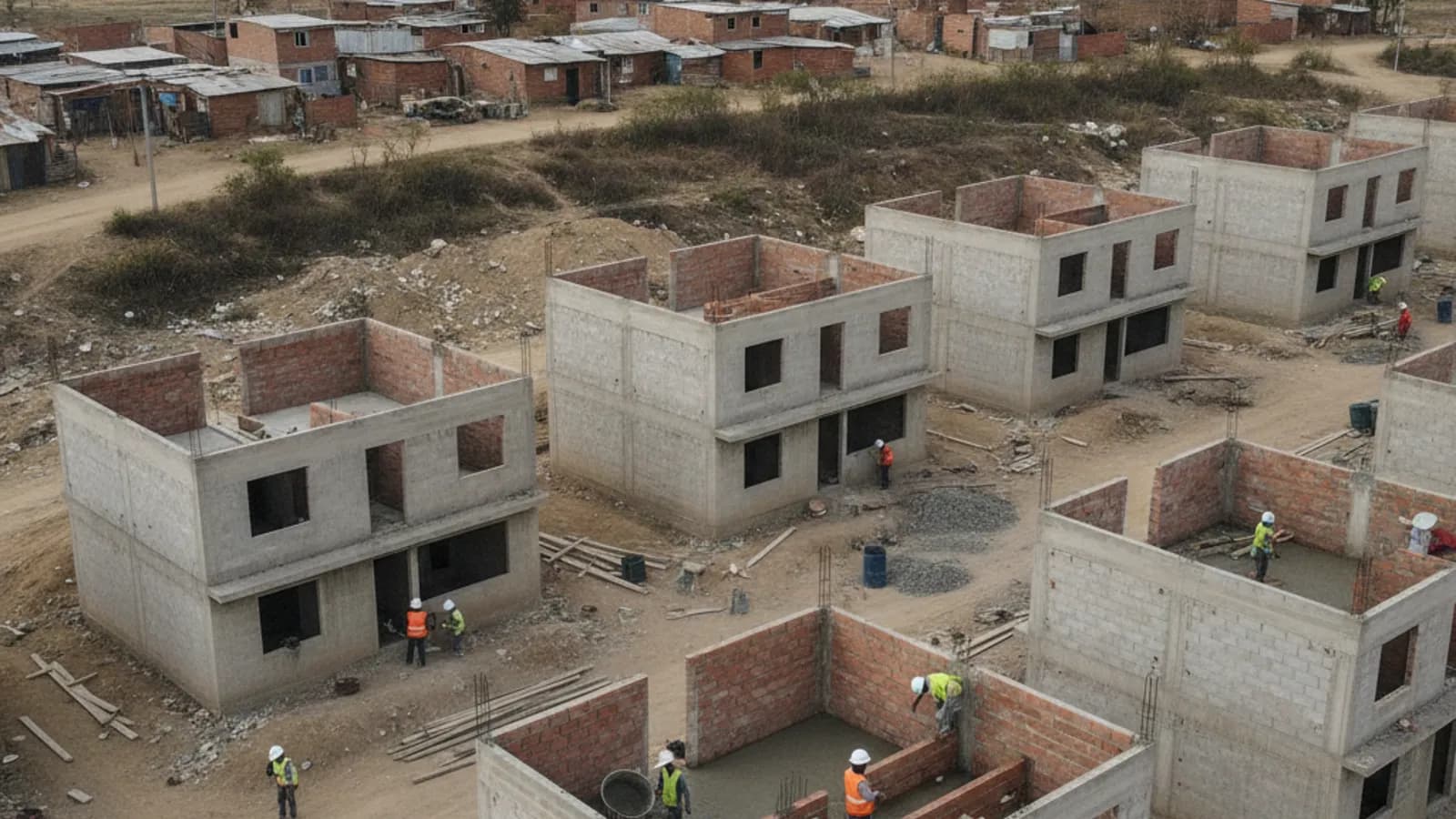
Ecuador issued Decree 441 on July 3, raising maximum values for certain social-interest housing categories. The change matters for buyers and developers watching subsidized housing, preferential mortgages, and lower-cost home inventory.
Ecuador’s tax authority began a new RIMPE recategorization process on July 1. Small-business owners should check their RUC status because category changes can bring new tax obligations.
Ecuador’s banking system added more first-time credit card users in 2025, with 4.63 million cards recording consumption. The trend matters for residents building local financial history.
Ecuador’s unemployment rate fell to 3.1% in May 2026, while adequate employment stood at 36.6% and 52.8% of employed people were in the informal sector.
Ecuador’s Jóvenes en Acción program is expanding from 80,000 to 150,000 beneficiaries. Registration opened June 16 for vulnerable young adults ages 18 to 29, with selected participants receiving three $400 transfers over three months after completing assigned activities.
Primicias reports Ecuador's SRI rule requiring IVA declaration and payment at the same time began June 1. A declaration without full payment will not be valid before the tax authority.
Primicias reports that Petroecuador produced 356,867 barrels per day in April 2026, down 17,733 barrels per day from April 2025. The shortfall came while Ecuador's crude prices stayed well above the state budget assumption.
Expreso reports that at least 60% of Ecuadorian households live on $513 a month or less, citing El Quantificador data based on INEC figures. INEC's April ENEMDU report put average monthly labor income at $513 nationally.
Monthly inflation reached 0.53% in April 2026, driven mainly by transport costs, with annual inflation at 2.6%. Meanwhile Ecuador's tariff on Colombian goods escalated to 100% on May 1. What it means for anyone living here on a fixed or foreign income.
Your IESS pension isn't based on your last salary or years of service alone — it's calculated from the average of your five highest-earning years. If your employer has been under-reporting your salary, you won't find out until retirement. Here's how the formula works.
The Cangrejos project, ranked 13th among the world's largest undeveloped gold deposits, gets a 26-year exploitation contract. Chinese-backed Odin Mining will invest $1.6 billion and generate 1,168 jobs. The government expects $6 billion in total revenue.