Daily coverage from across the country, written for the expat community
Results for “health”Clear
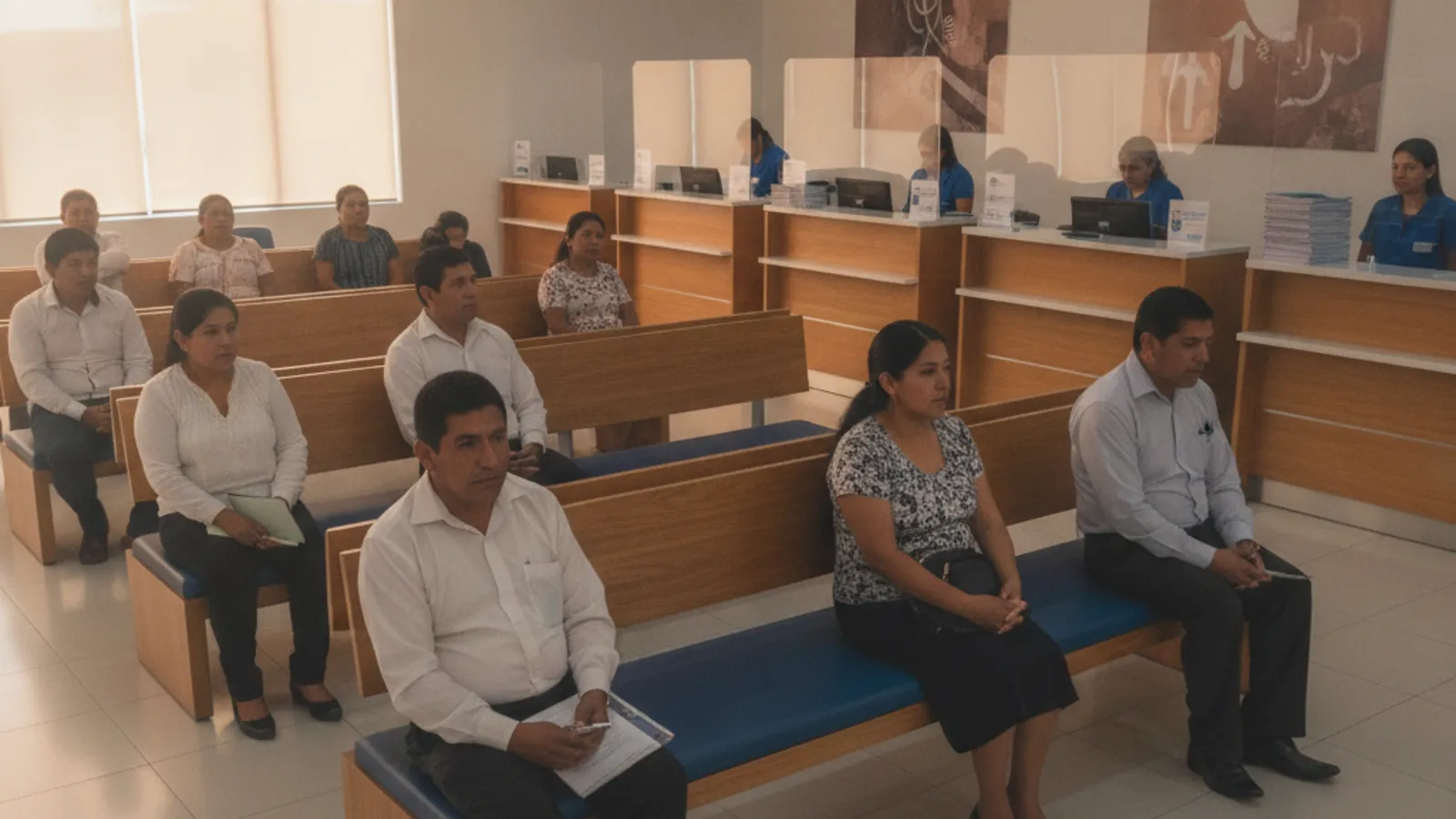
Private health insurance continues to grow in Ecuador, with more than 1.7 million people covered and health insurance premiums reaching USD 180.5 million in 2025.
Ecuador’s social security system had 3.6 million active affiliates as of May 2026, up more than 102,000 from a year earlier. The useful part for expats is understanding the difference between dependent, independent, voluntary, domestic-work, and youth affiliation.
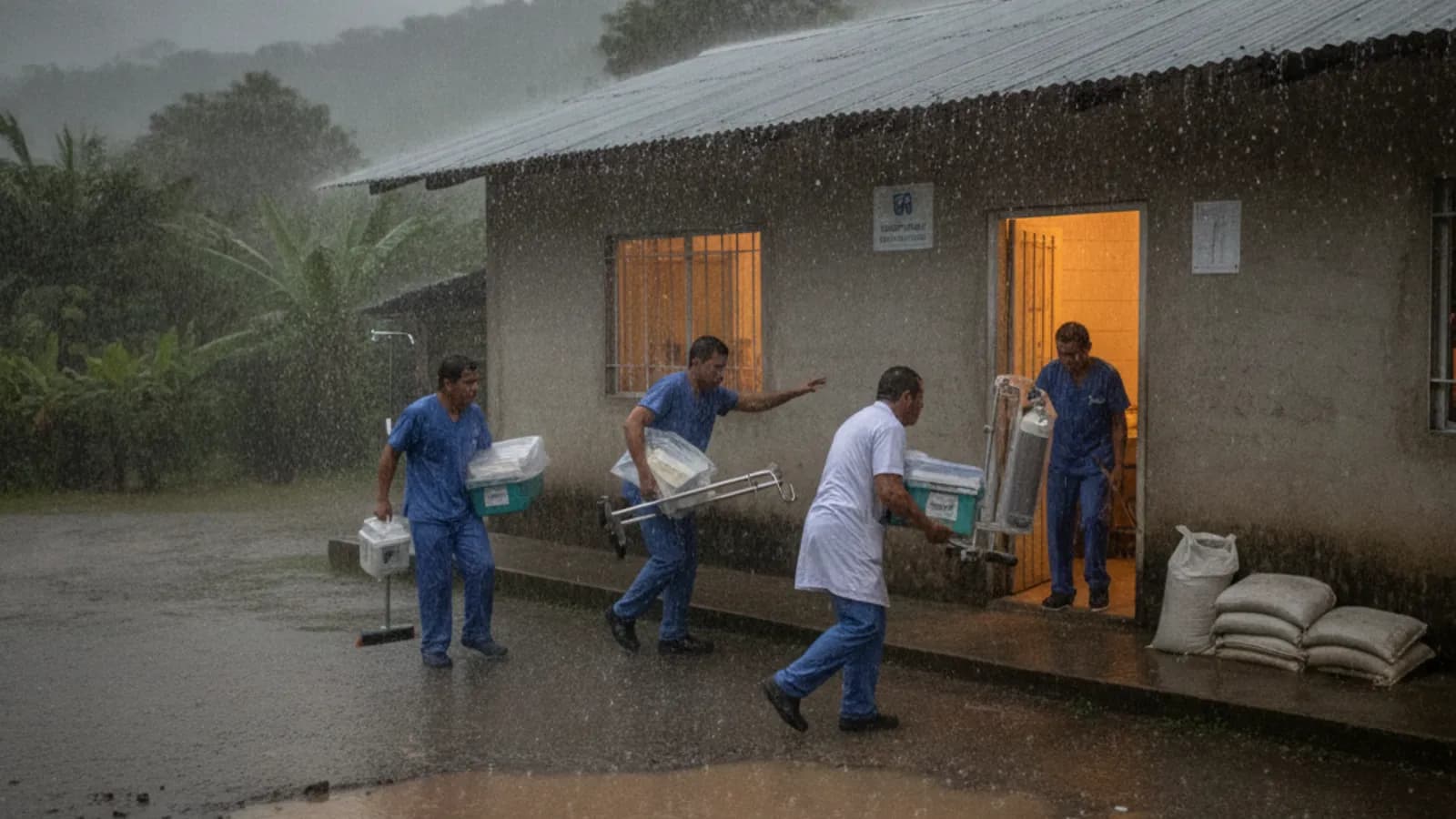
At least 460 hospitals and health centers are located in Ecuador parishes under yellow alert for El Nino. Most are small health centers, and the risk list is concentrated heavily in Manabi and Guayas.
Quito is adding a new Quito Wawas center in Atucucho for 100 children ages 1 to 3. The free service is aimed at vulnerable families and includes meals, early stimulation, pedagogy, and health follow-up.
IESS transferred more than $63 million to 195 private health providers in June 2026, with Azuay, Guayas and Pichincha among the provinces highlighted. The payments are part of more than $616 million sent to external providers since December 2025.
The SRI is applying stricter controls to IVA refund requests in 2026. Older adults can recover up to $144.60 per month, but invoices must use a cedula, be for personal consumption, and fit accepted categories such as food, clothing, health, education and construction.
Ecuador’s Jóvenes en Acción program is expanding from 80,000 to 150,000 beneficiaries. Registration opened June 16 for vulnerable young adults ages 18 to 29, with selected participants receiving three $400 transfers over three months after completing assigned activities.
A frontal crash between a pickup truck and a cargo truck near the Zapotal bridge left 12 people dead on June 14. ECU 911 said the crash happened at about 04:14 on the Guayaquil-Santa Elena highway.
Research based on hospital discharge and Solca data found that skin-cancer impact is concentrated among people over 65, especially men, with Pichincha, Azuay, Loja, Guayas and Manabi highlighted in the study.
IESS says Teodoro Maldonado Carbo Hospital allocated $435,083 for medications and supplies, including antibiotics, neonatal respiratory supplies, suction hoses and Tocilizumab. For expats using IESS or watching the public system, this is a concrete supply update with named purchases and dollar amounts.
Ecuador added 10 substances to its controlled list after warnings about synthetic-drug risks and abuse potential. The change also comes with a plan to create 24 provincial committees to coordinate drug policy in the territories.
Ecuador launched a national policy for 2026-2035 to reduce adolescent pregnancy, keep girls in school and coordinate health, education and social services. The country records more than 32,200 births each year among girls and adolescents ages 10-19.