Daily coverage from across the country, written for the expat community
Results for “farmers”Clear
A heavy downpour on Thursday, June 11, flooded streets in Ibarra and Atuntaqui, with water rising above half a meter in some areas. In Cotacachi, farmers in Peribuela reported damaged corn and fruit crops after the storm and hail.
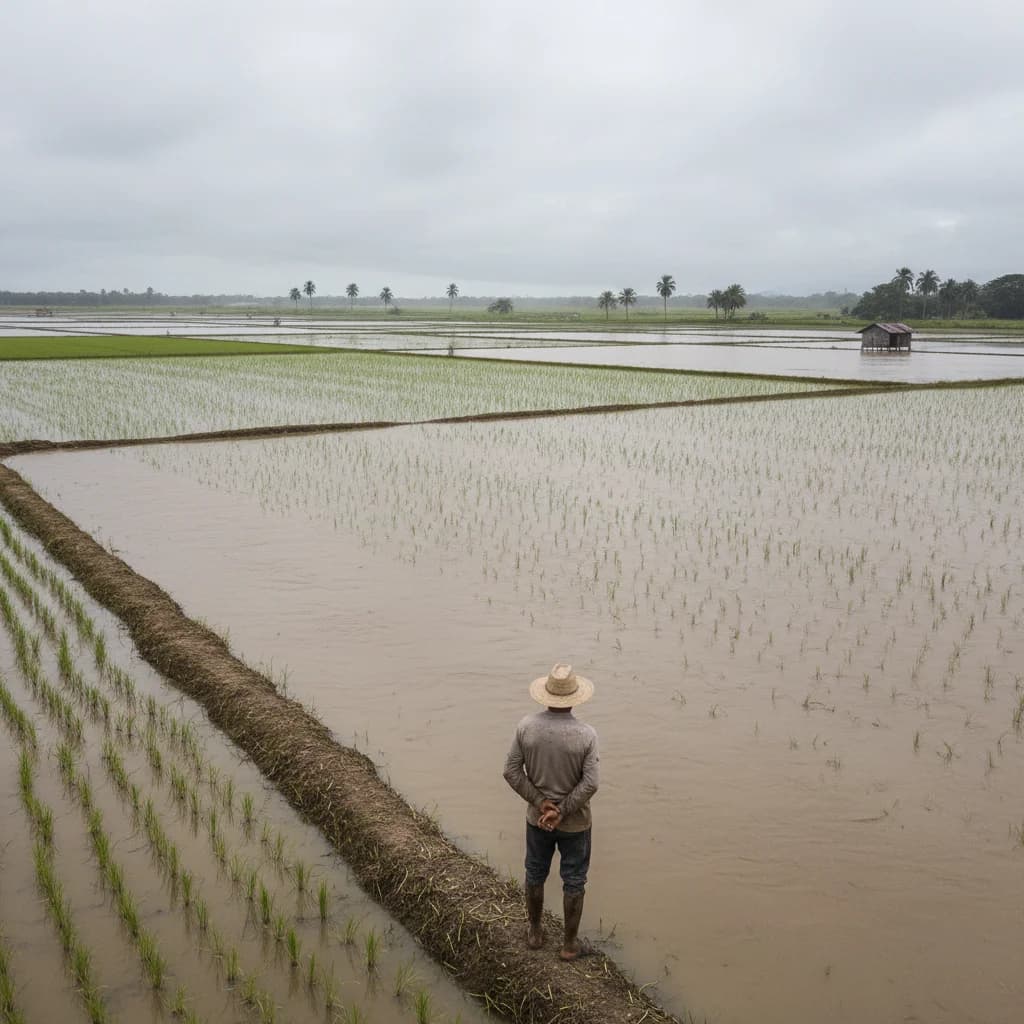
Los Ríos rice farmers are opening their winter harvest with no real buyers. The short version: an estimated 20% smaller crop, buyers paying $29/quintal against a $34 minimum support price, and 95,000 tons in losses to flooding and drought. The bottleneck is the Colombia trade war blocking last season's surplus from export.
The United States and Ecuador have finalized a reciprocal trade agreement that eliminates a 15% surcharge on $2.8 billion in non-oil Ecuadorian exports and opens Ecuador's agricultural market to US soybeans, dairy, beef, and poultry. Most-favored-nation treatment takes effect by August 2026.
Banco Bolivariano issued Latin America's largest biodiversity bond at $120 million, backed by IDB Invest ($50M), IFC ($50M), and FMO ($20M). The 5-year bond funds sustainable agriculture, freshwater and marine ecosystem protection, waste management, forestry, and ecotourism.
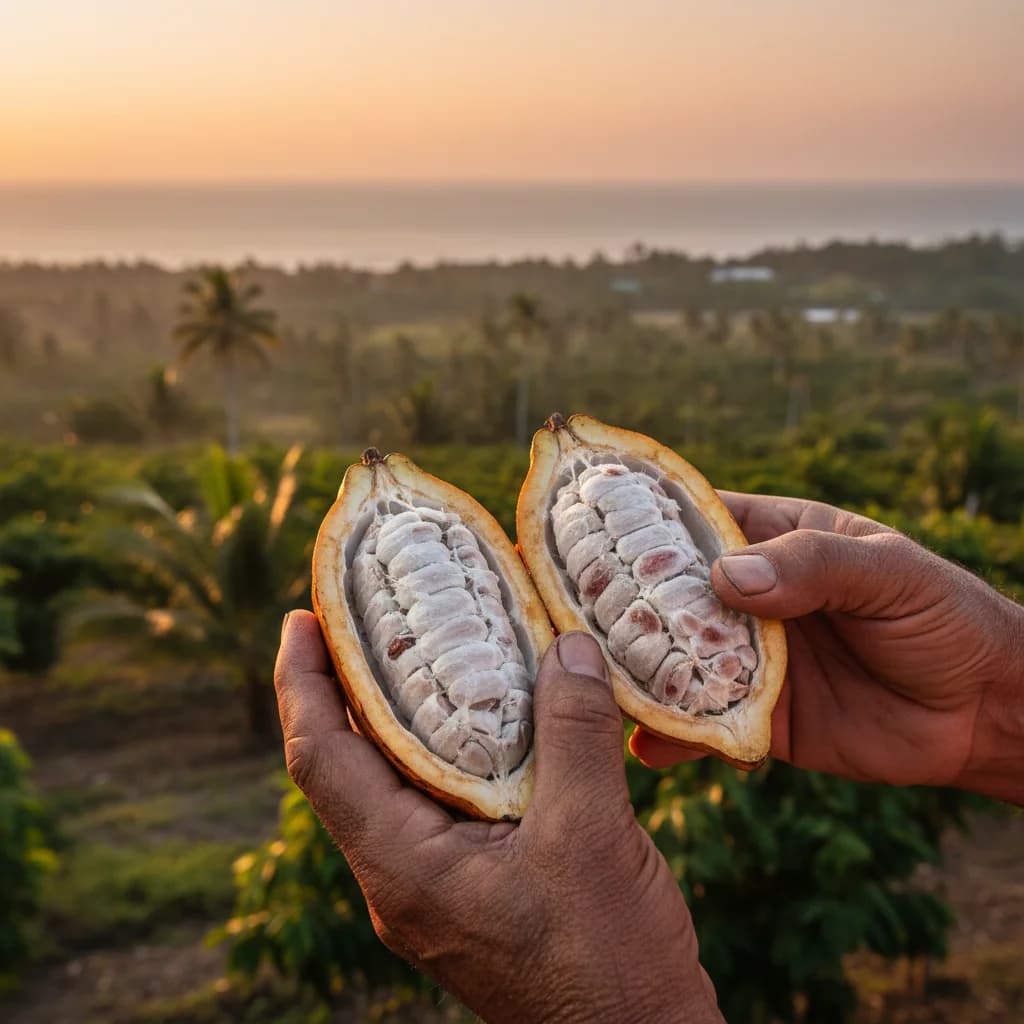
Ecuador is positioned to become the world's second-largest cocoa grower behind Cote d'Ivoire. Anecacao projects exports exceeding 623,000 metric tons in 2026, up from 375,720 MT in 2023. The country is targeting 800,000 MT by the end of the decade.
Ecuador and Colombia have imposed 50% tariffs on each other's imports in an escalating trade war that puts $2.8 billion in bilateral trade at risk. Colombia has also suspended electricity exports and raised pipeline fees by 900%.
The United States and Ecuador formally signed their Agreement on Reciprocal Trade on March 13, 2026, cutting tariffs on 53% of non-oil exports worth $2.8 billion. Key sectors including bananas, shrimp, cocoa, coffee, and flowers get preferential access, while Ecuador eliminates its price band system on U.S. agricultural imports.
Relations between Ecuador and Colombia have deteriorated sharply in March 2026. Ecuador raised tariffs to 50% on Colombian goods on March 1, Colombia retaliated with tariffs on 280 products, and President Petro has accused Ecuador of bombing Colombian territory. $2.8 billion in annual bilateral trade hangs in the balance.
Ecuador's Federation of Exporters (Fedexpor) projects 6-7% export growth for 2026, a significant slowdown from the 18% surge in 2025. Headwinds include US tariff uncertainty, the Colombia trade dispute, and falling cacao prices — but the new US trade deal and flower sector expansion offer upside.
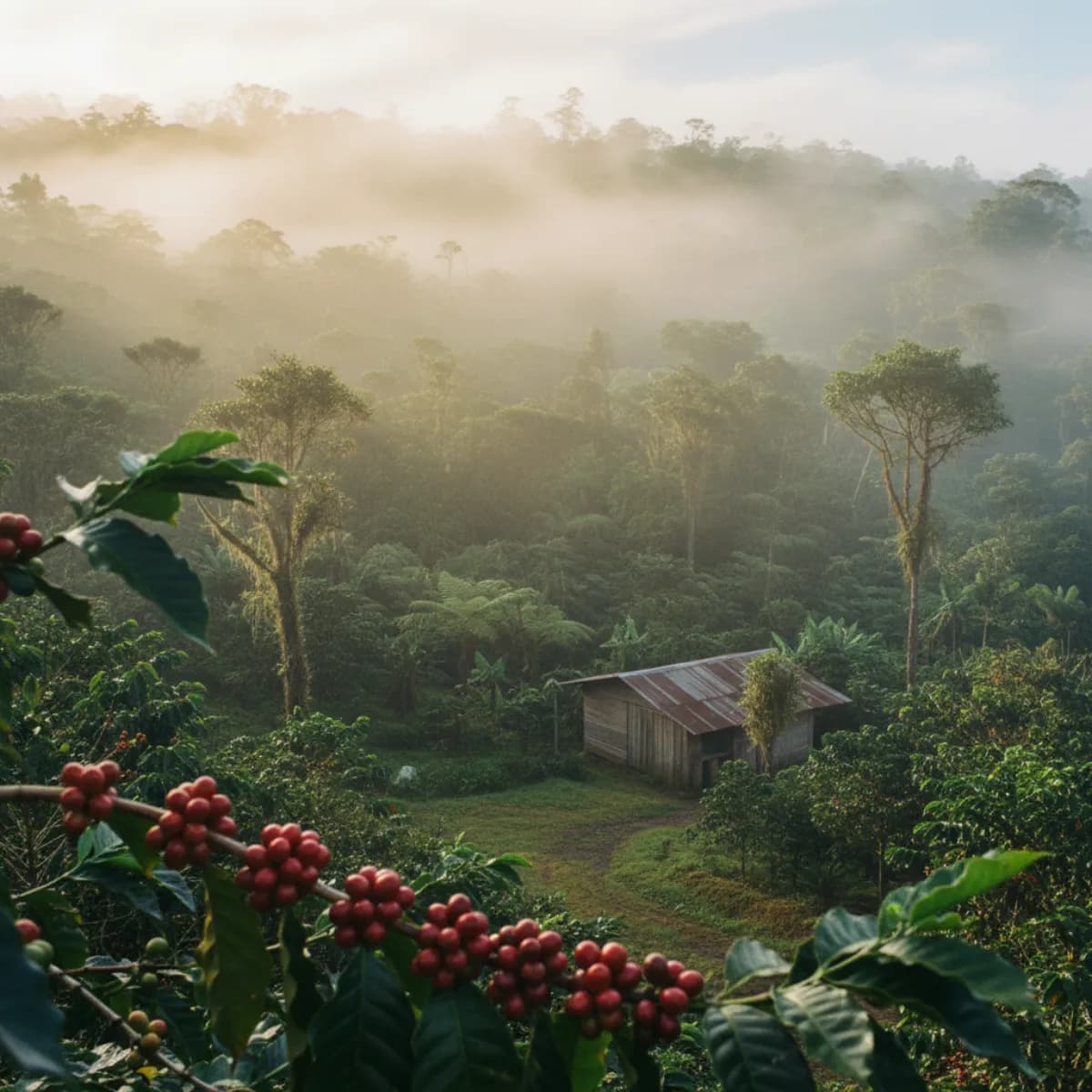
Coffee grown in Quito's UNESCO-designated Chocó Andino Biosphere Reserve is gaining international recognition and finding growing markets in Europe, adding another dimension to Ecuador's agricultural export story.
International cacao prices have collapsed from a record $13,000 per ton in late 2024 to $3,581 in February 2026. Ecuadorian farmers now receive roughly $130 per quintal — down from $400 a year ago — squeezing margins in communities across the coast.
Heavy rains have inundated 700 hectares of farmland in Guayas province, putting approximately 38,000 agricultural producers at risk. Rice, corn, and cacao crops are the most affected as the rainy season intensifies heading into Carnival weekend.