Daily coverage from across the country, written for the expat community
Results for “crime”Clear
U.S. Secretary of State Marco Rubio announced the designation of Ecuador’s Chone Killers as a foreign terrorist organization and specially designated global terrorist. Ecuador’s Foreign Ministry thanked the United States for the backing.
Ecuador’s police say violent deaths have fallen 11 percent so far in 2026 compared with the same period of 2025, with the reported homicide rate moving from 25.5 to 22.5 per 100,000 inhabitants.
Ecuador and the United States signed a border-security implementation letter on June 22 to coordinate against transnational crime, drug trafficking, illegal immigration and other border-zone threats.
A new report on digital recruitment describes how criminal groups use social media, narcoculture symbols and algorithmic engagement to pull minors toward illegal activity. The warning comes as adolescent arrests and violent deaths among minors remain a major national concern.
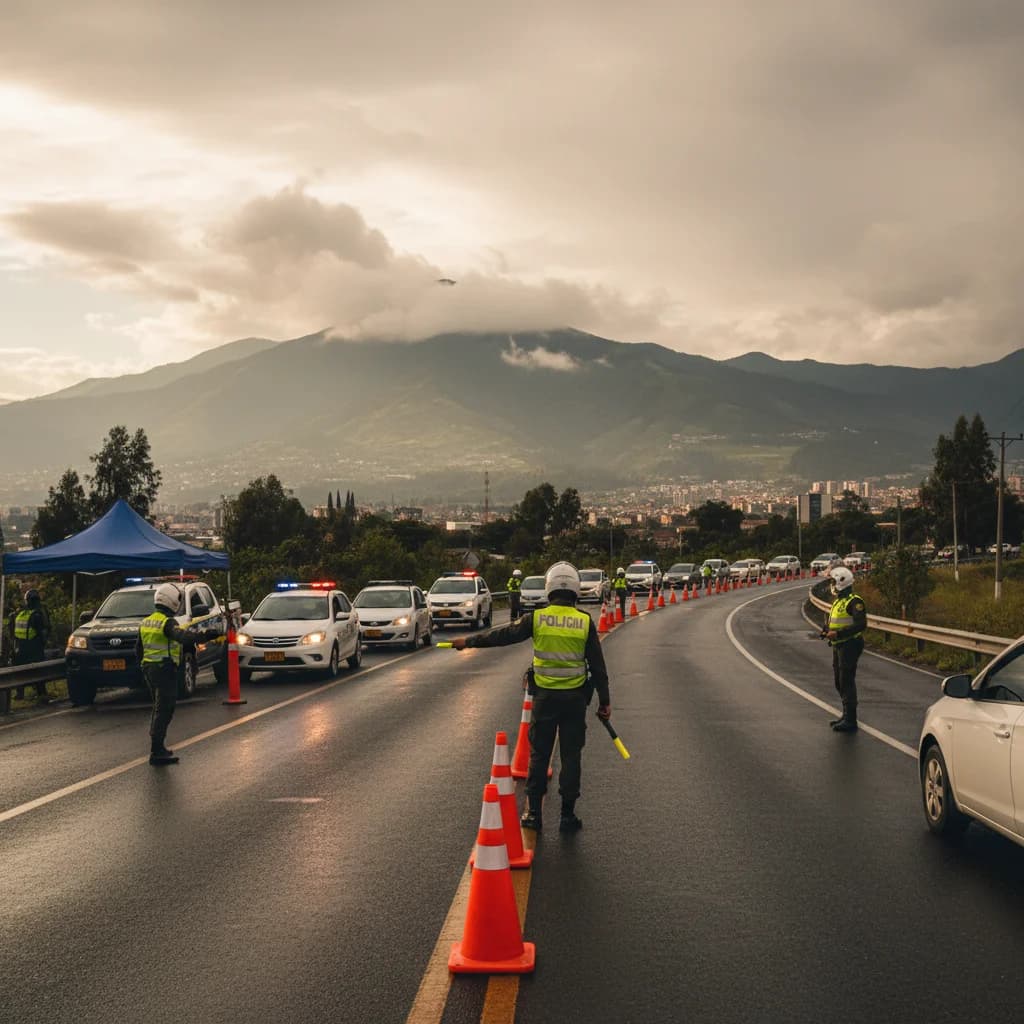
Ecuador’s new state of exception applies for 60 days in ten provinces and three cantons. There is no curfew for now, but the decree allows temporary limits on home and correspondence protections while security forces operate in the covered areas.
El Universo reports the government proposed transit-law reforms that would give the National Police control over the national road network and strengthen access to toll-road images and cantonal transit-agency information.
Primicias reports Ecuador's Judicial Council documented violent events against judicial workers, users and facilities from January 2024 through May 2026. The report includes 142 threats, 11 attacks against officials and three confirmed infrastructure attacks.
La Hora reports that Ecuador recorded 262 massacre events in 2025 and 94 more in the first quarter of 2026, citing the Observatorio Ecuatoriano de Crimen Organizado.
El Comercio reports that Quito's seven main monitored crime indicators fell 25% between January 1 and May 9 compared with 2025. Robbery against people remains the most common issue, and neighborhood leaders still warn about underreporting and reactive policing.
Armed forces, police, and intelligence services deployed to Puerto Bolívar in El Oro province for a major operation against criminal structures controlling the port. Defense Minister Loffredo says groups are using the port to ship drugs and extort fishermen.
Interior Minister John Reimberg confirmed today that the nationwide nighttime curfew will end as scheduled on May 18. Operations during the curfew so far have produced over 2,000 detentions, 331 weapons seized, and nearly 500 people linked to criminal organizations.
Prosecutors are expanding the high-profile 'Goleada' money laundering case against Guayaquil Mayor Aquiles Álvarez to include his wife, mother, and two brothers — bringing the total number of defendants to 17.