Daily coverage from across the country, written for the expat community
Results for “Metro”Clear
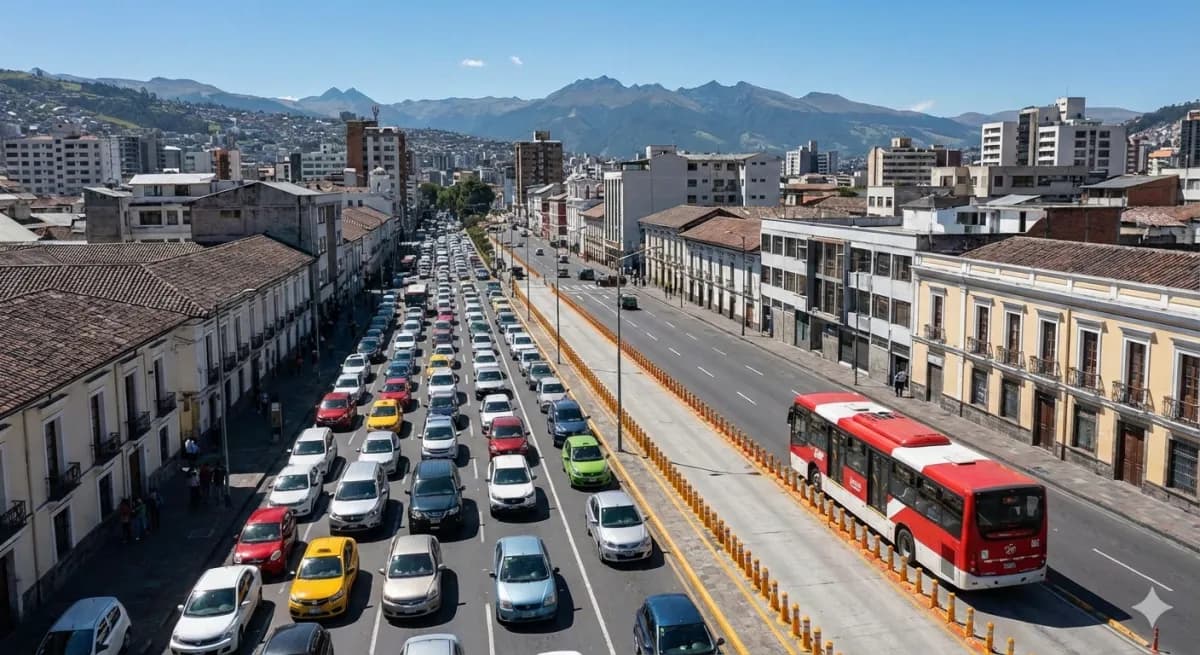
Quito has begun a 12-kilometer road rehabilitation package around five Metro Centro Norte stations. The contract covers 86 road segments, nine months of work, and a $6.5 million investment.
Quito's technical vehicle review and registration calendar moves to plates ending in 6 during July. Drivers must clear pending obligations before booking an appointment, and late review can trigger fines.
Ecuador’s Fiscalía issued an Alerta Emilia for three minors last seen in Conocoto on June 27. The case is a reminder to use official channels when sharing missing-person alerts.
Guayaquil’s Aerovia fare rises on July 1, 2026. The regular fare will be $0.76, while the reduced fare for priority groups will be $0.38.
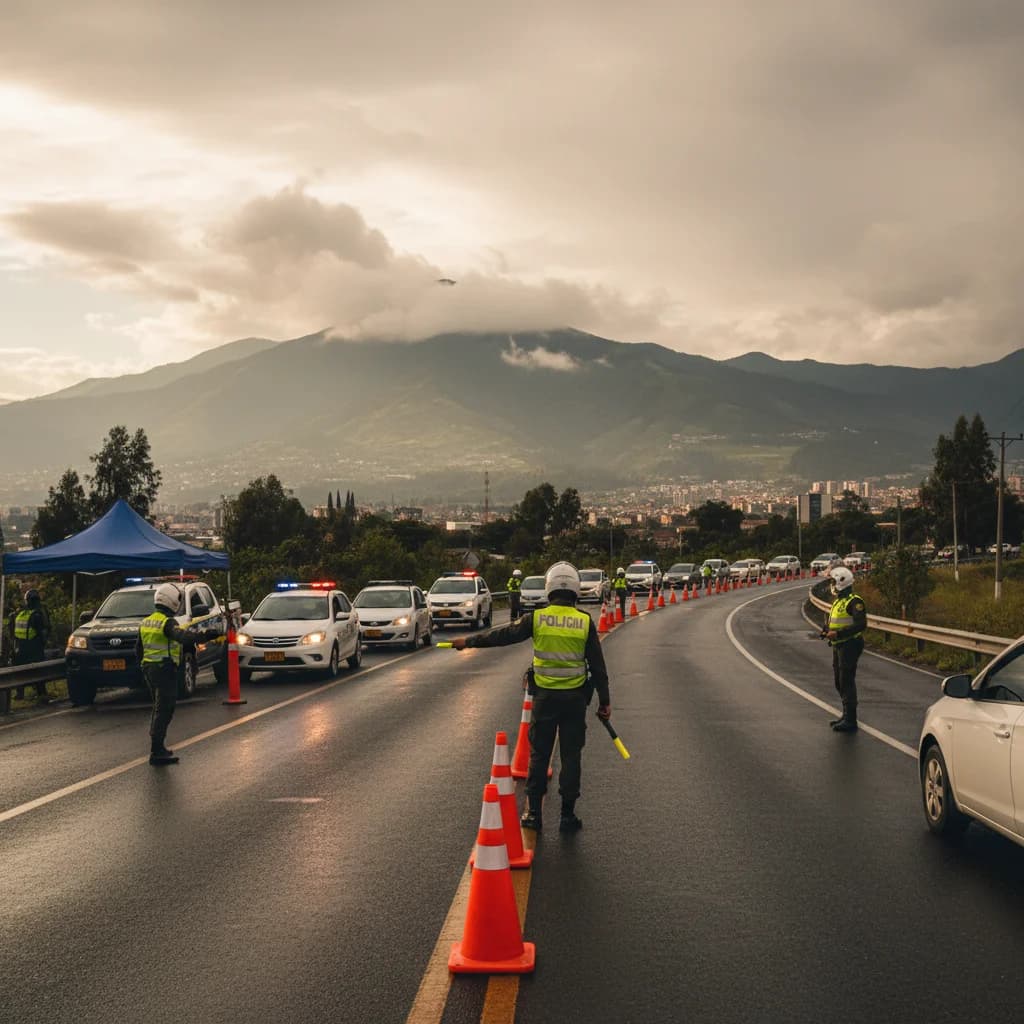
Quito is applying its Pico y Placa vehicle restriction on Thursday, June 25. Drivers in the capital should check plate endings and time windows before crossing restricted zones.
Public transport is still Quito’s main way to move, but new data show riders shifting toward private options. Around 64% of Quito residents still use public transport, while apps, taxis and motorcycles are gaining ground because of safety, comfort and service concerns.
Guayaquil has more than 100 kilometers of streets under intervention across the north, center and south of the city. Some merchants report sales declines of 40% to 50% as road closures and restricted access affect customer traffic.
Quito councilman Wilson Merino says taxpayers have reported failures and interruptions in the municipal patent-payment platform just as the filing calendar begins. The concern is practical: once the deadline tied to the ninth RUC digit passes, the system automatically generates late-payment surcharges.
ANT says Ecuador's new Tercera Placa system will re-register the entire vehicle fleet from zero and replace roughly 200 municipal databases with one national platform. Registration is expected to begin before the end of 2026.
Quito's Mobility Commission begins debate on a bus-fare ordinance that would set a 40-cent urban fare and 45-cent fare for electric or low-emission buses. The city's prior agreement keeps the 35-cent fare through 2026 with municipal compensation to operators.
Primicias reports Quito's AMT will exonerate the calendar fine for vehicles with license plates ending in 4 after ANT and municipal system failures. Owners can complete technical review and matriculation through November 2026 without that sanction.
Primicias reports Quito is drafting rules for bus operators to raise the fare from $0.35 to $0.40. One proposed condition is a second mandatory safety inspection for more than 3,300 city buses.