Daily coverage from across the country, written for the expat community
Results for “Durán”Clear
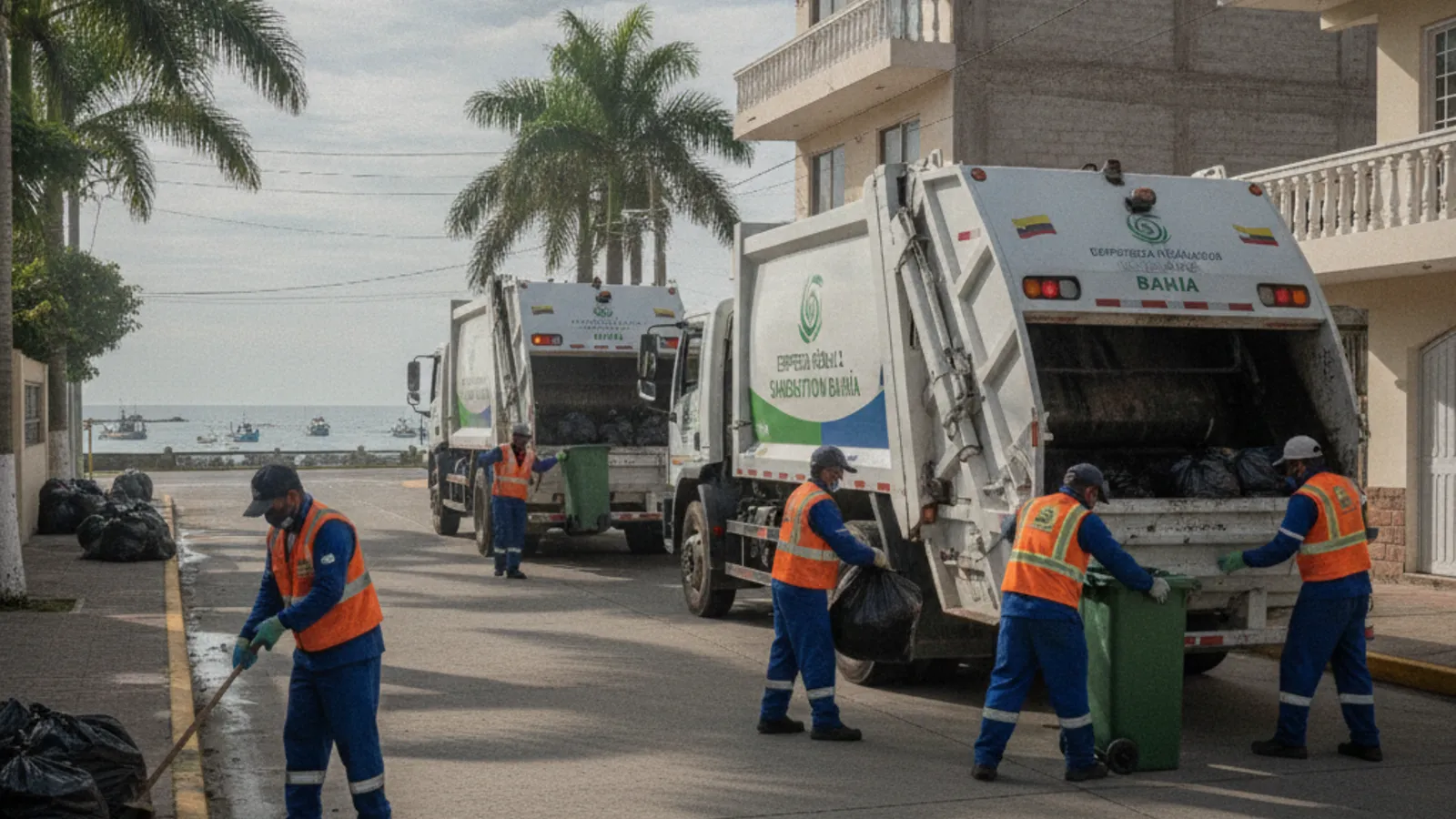
Durán’s garbage collection service was set to resume on July 14 after nearly three weeks of suspension. The dispute involved a municipal debt above $9.7 million and about 350 tons of daily waste.
July has no national Ecuador holiday, but Guayaquil will have a local day off on Friday, July 24, creating a three-day weekend for people who work or study in the canton and its rural parishes.
A new report on digital recruitment describes how criminal groups use social media, narcoculture symbols and algorithmic engagement to pull minors toward illegal activity. The warning comes as adolescent arrests and violent deaths among minors remain a major national concern.
The nationwide nighttime curfew under Executive Decree 370 ended at 5:00 a.m. Monday, May 18, after 15 days. Authorities reported 3,422 people detained nationwide, 378 raids, 5.9 tons of drugs and 405 firearms seized. Here's the final picture and what changes now for foreign residents.
President Noboa's latest curfew runs May 3–18 from 11 PM to 5 AM across nine provinces including Pichincha and Guayas. Azuay, Loja, and Imbabura are not on the list. Here's the full breakdown.
Coastal residents report electricity bills climbing from $80 to $155, $126 to $400, and $130 to $280 in a single cycle. President Noboa announced a subsidy covering up to 180 kWh per household in heat-affected zones, worth roughly $20 per bill, appearing on May statements.
Ecuador has imposed an 11pm-to-5am curfew in four coastal provinces — Guayas, Los Rios, Santo Domingo de los Tsachilas, and El Oro — as part of the ongoing state of emergency. The restriction runs through at least March 30, 2026.
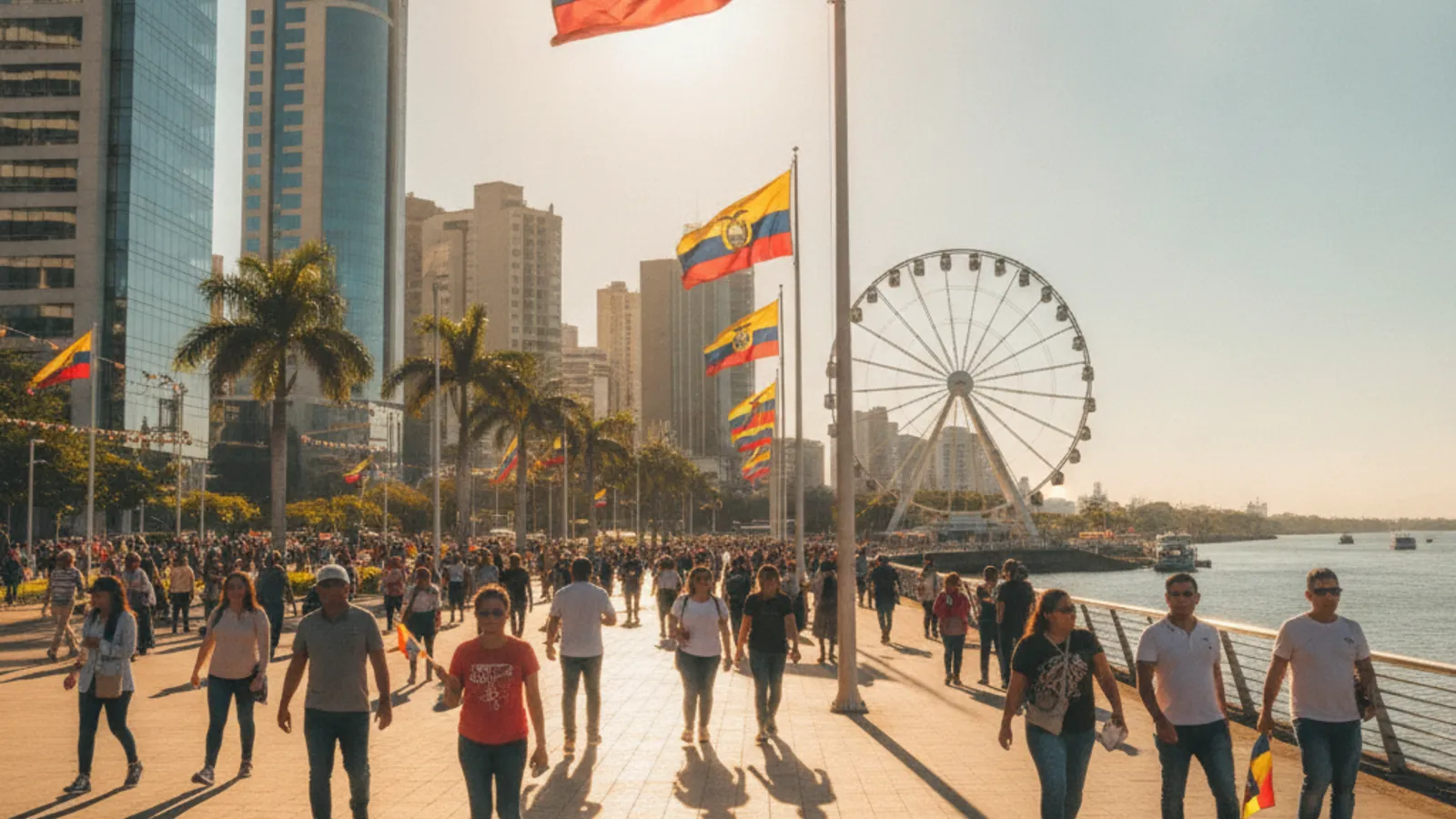
President Noboa announced Friday that the national government will operate from Guayaquil for several weeks, with the National Police high command relocating as well. The move comes two days after the arrest of Guayaquil’s mayor and amid record violence that made Ecuador the world’s most dangerous country in 2025.
The ACLED Conflict Watchlist 2026 ranks Ecuador among the planet’s most dangerous nations. Over 3,600 people died from organized crime violence in 2025 — a 42% increase — and 71% of the population was exposed to criminal violence, the highest rate in Latin America.
Vice President María José Pinto launched Ecuador's 2026 National Dengue Plan and Gran Minga Comunitaria, targeting 1,532 critical sectors across seven provinces that accounted for 40% of last year's cases. Rainy season interventions begin immediately in Esmeraldas, Guayas, Santa Elena, Manabí, El Oro, Napo, and Pastaza.