Daily coverage from across the country, written for the expat community
Ecuador's Superintendency of Companies ordered an external administrator installed at Granasa, publisher of two of the country's largest newspapers, after the company refused to hand over internal legal records. The Inter-American Press Society called it 'an intimidating act' of indirect censorship.
President Daniel Noboa will join five other Latin American leaders at a Trump-hosted summit in Miami on March 7, forming a regional bloc focused on countering China’s influence, boosting security cooperation, and expanding trade — with Ecuador’s new US deal as the centerpiece.
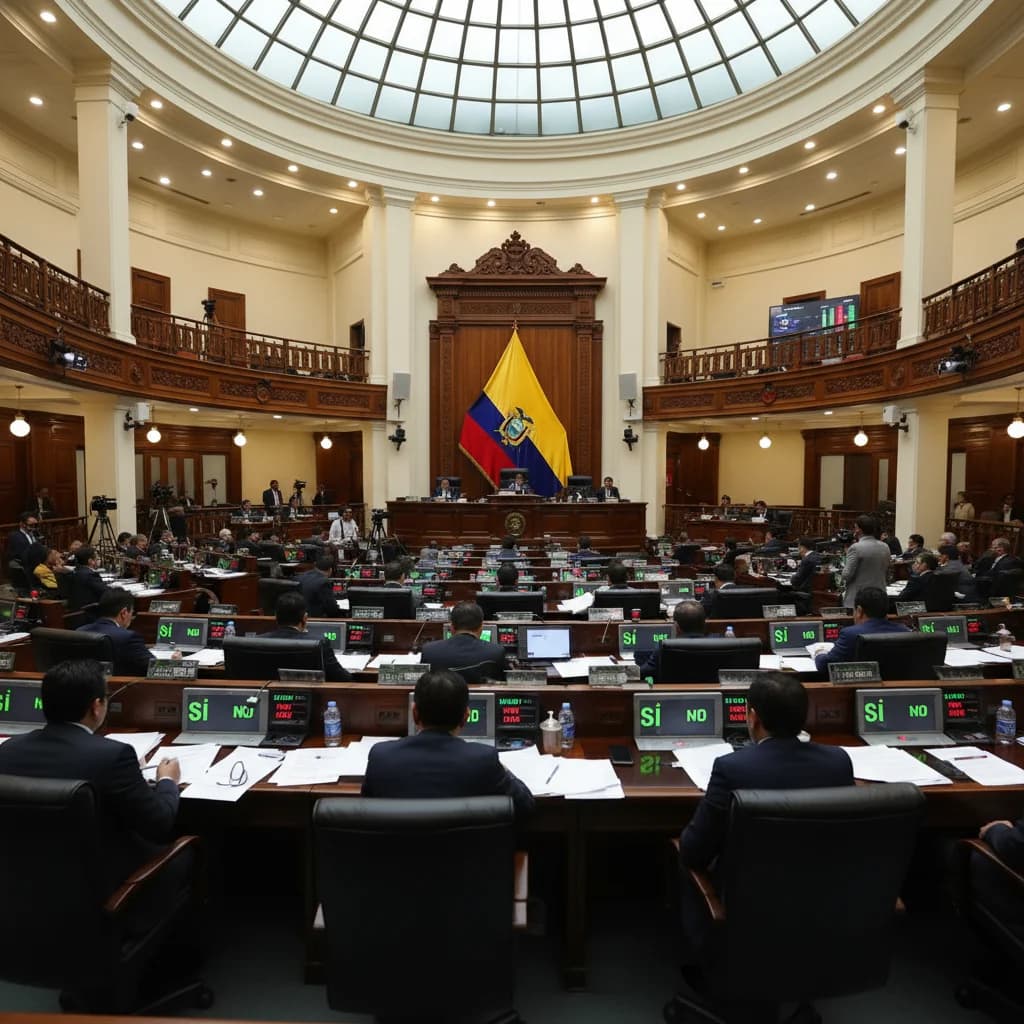
Ecuador's National Assembly voted 116–0 to censure and remove Judicial Council president Mario Godoy for 'manifest ineffectiveness' — a rare unanimous decision that could reshape how the courts handle visa cases, property disputes, and legal proceedings.
Indigenous leader Marlon Vargas calls President Noboa's urgent mining and energy reform a threat to water, territories, and collective rights. The National Assembly has until March 2 to vote on the bill, and CONAIE is calling for unity against it.
The National Electoral Council unanimously approved the start of the electoral period on February 14, setting the stage for mayoral, prefect, and council elections on February 14, 2027. Campaign season officially begins in January 2027.
Ecuador's Interior Ministry sent 30 police agents to seize operational control of Guayaquil's municipal security entity Segura EP on Sunday night, citing 'shadow structures' provoking violence and alleging sensitive surveillance data was stored with a private company. The takeover comes amid three major fires in one week and deepens the confrontation between the Noboa administration and Guayaquil's opposition-aligned municipal government.
President Noboa announced Friday that the national government will operate from Guayaquil for several weeks, with the National Police high command relocating as well. The move comes two days after the arrest of Guayaquil’s mayor and amid record violence that made Ecuador the world’s most dangerous country in 2025.
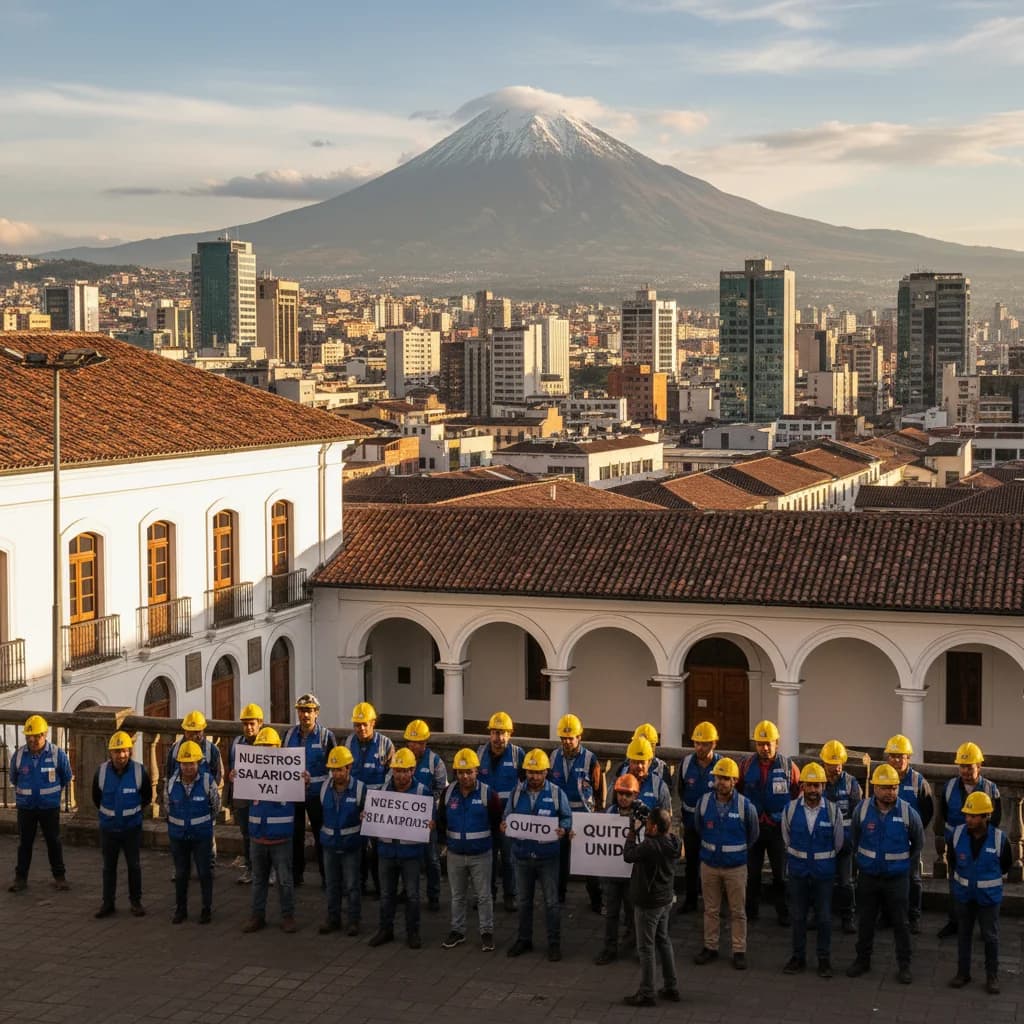
An 'urgent' efficiency law working through the National Assembly would force Quito to slash current spending and could eliminate 5,000 municipal positions. Mental health services, community dining, animal welfare programs, and even Metro expansion plans are on the chopping block.
Aquiles Alvarez, the sitting mayor of Ecuador's largest city, was arrested on organized crime and money laundering charges and transferred to Latacunga prison. Over 50,000 people marched in his defense while a massive commercial building fire burned just eight blocks away.
President Daniel Noboa has been invited to a Trump-hosted Latin American presidential summit on March 7 in Miami, aimed at countering Chinese influence in the region. The U.S. also highlighted Ecuador's mining potential and signed a critical minerals agreement.
The National Assembly approved the Organic Law for Strengthening Cybersecurity with 82 votes. The law requires mandatory cybersecurity education in schools, establishes incident reporting obligations for organizations, and aligns Ecuador with international standards like ISO 27000 and the Budapest Convention.
Ecuador’s second-largest city lost its mayor. Aquiles Alvarez was ordered into preventive detention on organized crime and fuel trafficking charges as part of the ‘Caso Goleada’ investigation. He was transferred to Latacunga prison — 11 others arrested across Guayas province.