Daily coverage from across the country, written for the expat community
Results for “subsidy”Clear
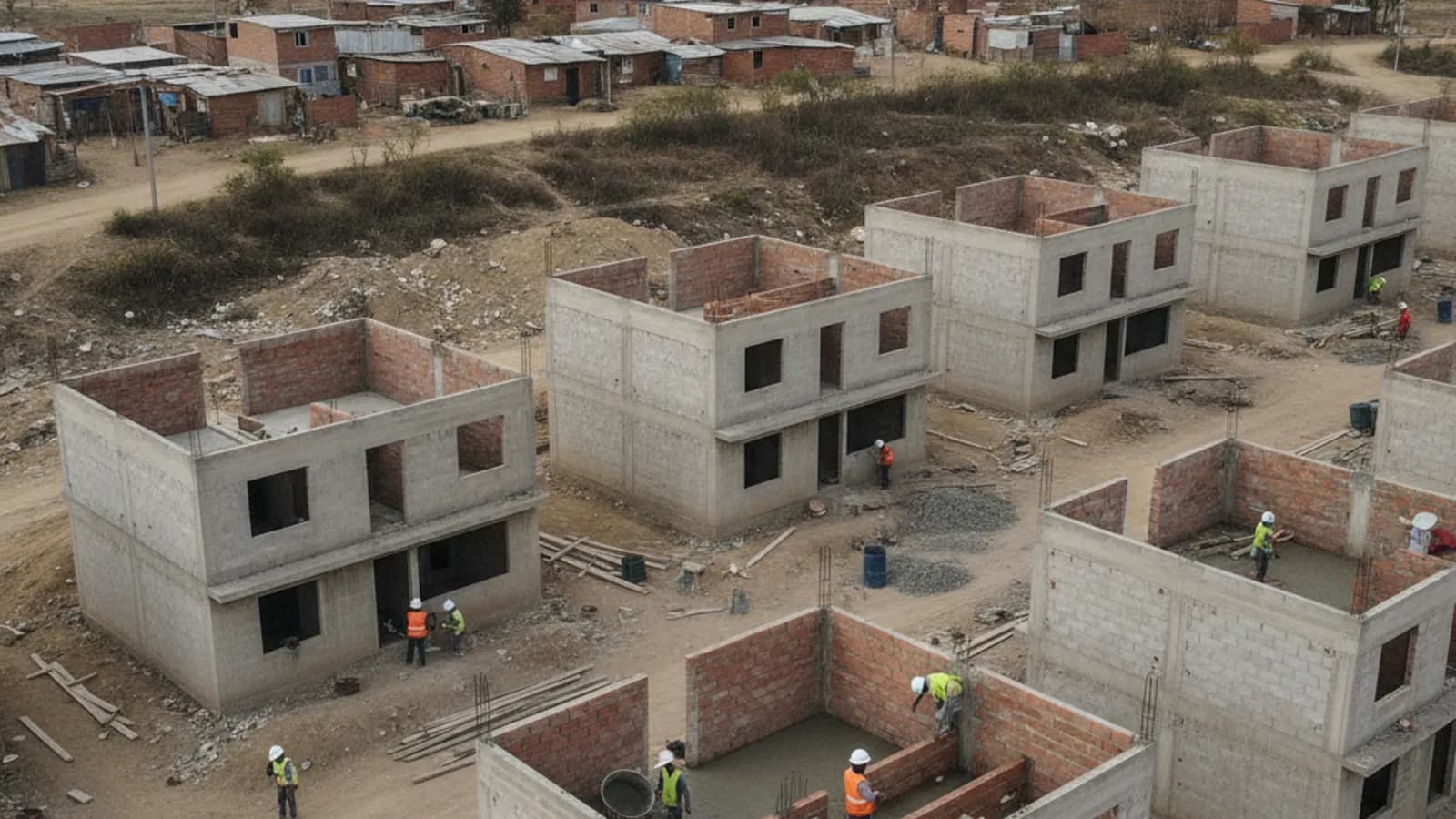
Ecuador issued Decree 441 on July 3, raising maximum values for certain social-interest housing categories. The change matters for buyers and developers watching subsidized housing, preferential mortgages, and lower-cost home inventory.
Guayaquil riders will keep paying 30 cents for the first 180 days after the ordinance is published. After that transition, fares depend on whether each bus unit completes the required modernization process.
Teleamazonas reports that diesel reached USD 3.25 per gallon in June 2026 and Extra gasoline reached USD 3.31. Prices continue to adjust monthly under Ecuador’s band system tied to international fuel-market movement.
Decreto Ejecutivo 378 extends national transport compensation through June 15, delaying a politically painful fare increase. Loja has already raised fares to $0.36; Cuenca, Quito, Guayaquil and Ambato all see different responses.
Quito woke up without bus service on May 5 as operators cut hours to protest the end of diesel subsidies. The city handles 2 million transit trips daily, and 1.5 million of them depend on these buses.
Coastal residents report electricity bills climbing from $80 to $155, $126 to $400, and $130 to $280 in a single cycle. President Noboa announced a subsidy covering up to 180 kWh per household in heat-affected zones, worth roughly $20 per bill, appearing on May statements.
President Daniel Noboa announced cabinet changes on April 20, installing Jaime Bernabé Erazo as Minister of Health effective immediately. The Ministry of Environment and Energy will receive a new minister on April 30, with the current officeholder stepping down.
President Noboa presented Q1 2026 economic results in a national broadcast. Sales hit $63.2 billion (vs $57.7B Q1 2025). Country risk dropped from 1,908 bps a year ago to 416 today. Public investment jumped from $42M to $533M YoY. Here's what the government is claiming and what to actually take from it.
A 16-person fuel trafficking ring operating across six provinces since October 2024 has been dismantled. Three active-duty military members, five police officers, and eight civilians were detained. A judge has ordered preventive detention for 15 of them on charges tied to hydrocarbon diversion and support for criminal organizations.
Economy Minister Sariha Moya presented Ecuador's fiscal efficiency formula at the IMF Spring Meetings in Washington on April 14. Her headline numbers: international reserves up from $3 billion to $11 billion, poverty down from 28% to 21% in 2025, and local-government payment delays cut by 85%. She credited the fuel subsidy phase-out that ran from June 2024 through September 2025.
The April 12 fuel price hike is already flowing through to family budgets on the coast. One south Guayaquil family reports their nephew's round-trip school transport jumped from $50 to $60 per month. The coastal school year just started — and the cost structure changed with it.
Ecuador's monthly fuel price adjustment takes effect April 12, raising prices on low-octane gasoline (Extra and Ecopais) and diesel. Super gasoline stays the same. The change pushes up transport costs and adds inflationary pressure to groceries and services.