Daily coverage from across the country, written for the expat community
Results for “roads”Clear
Quito has begun a 12-kilometer road rehabilitation package around five Metro Centro Norte stations. The contract covers 86 road segments, nine months of work, and a $6.5 million investment.
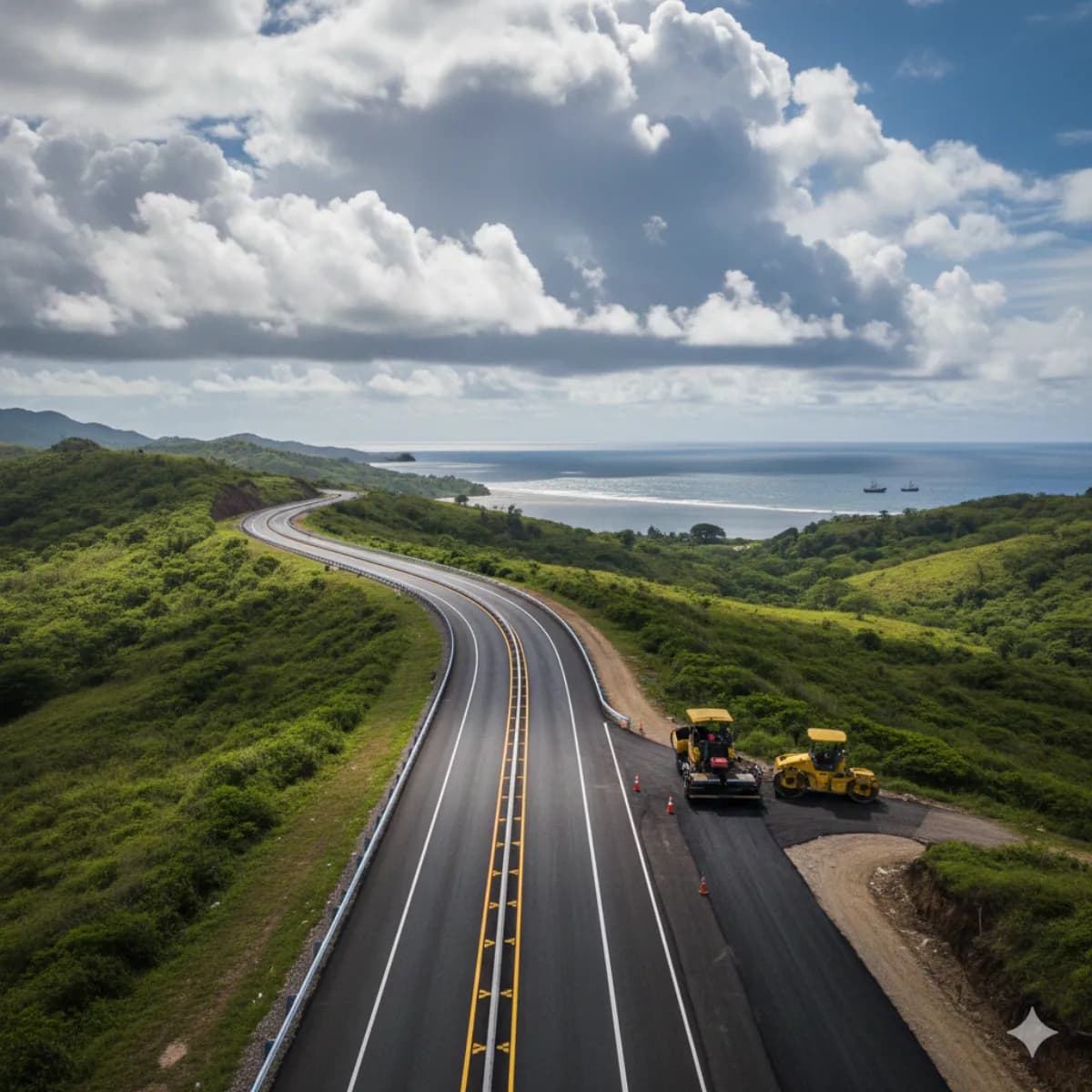
Traffic on the Balbanera-Pallatanga-Cumandá road is restricted from June 22 through June 28, 2026 for rehabilitation works. The route is a key Sierra-to-Coast corridor used by private vehicles, interprovincial buses and heavy cargo.
Guayaquil has more than 100 kilometers of streets under intervention across the north, center and south of the city. Some merchants report sales declines of 40% to 50% as road closures and restricted access affect customer traffic.
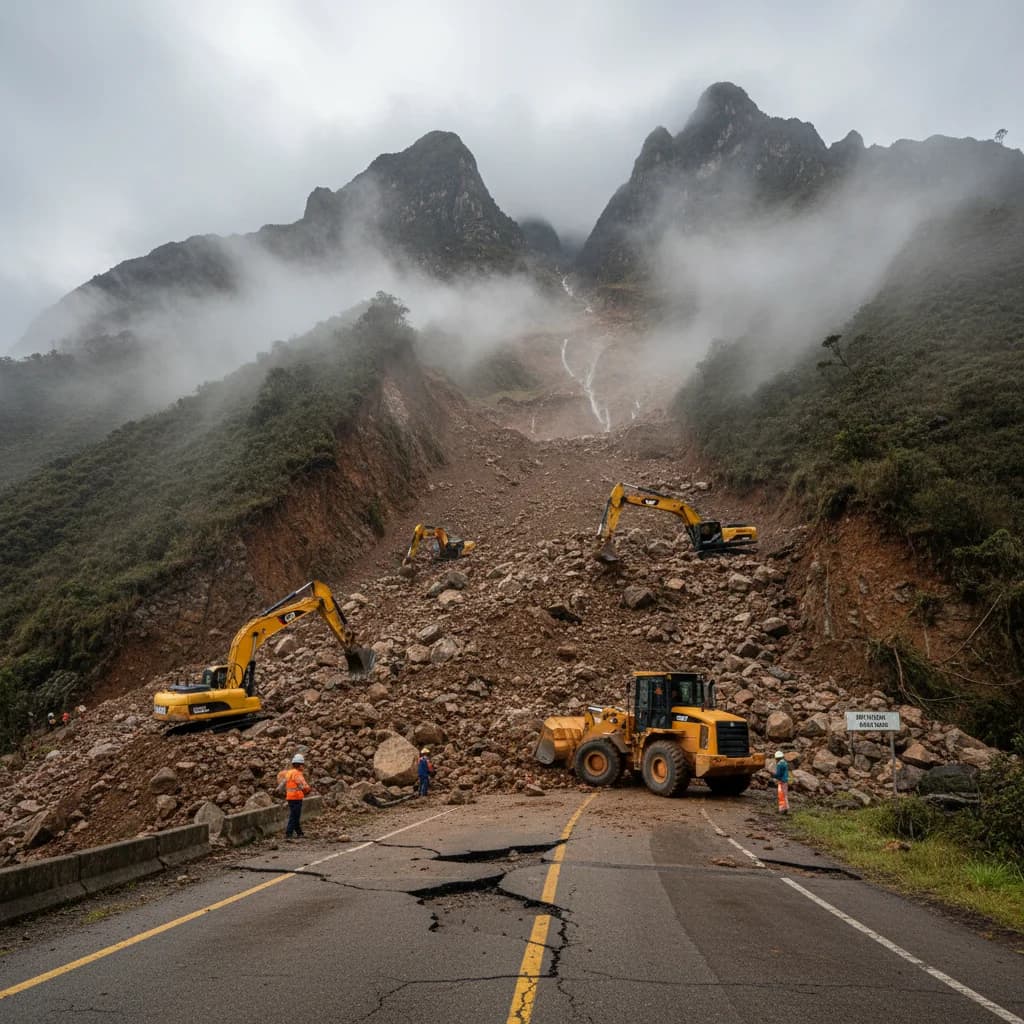
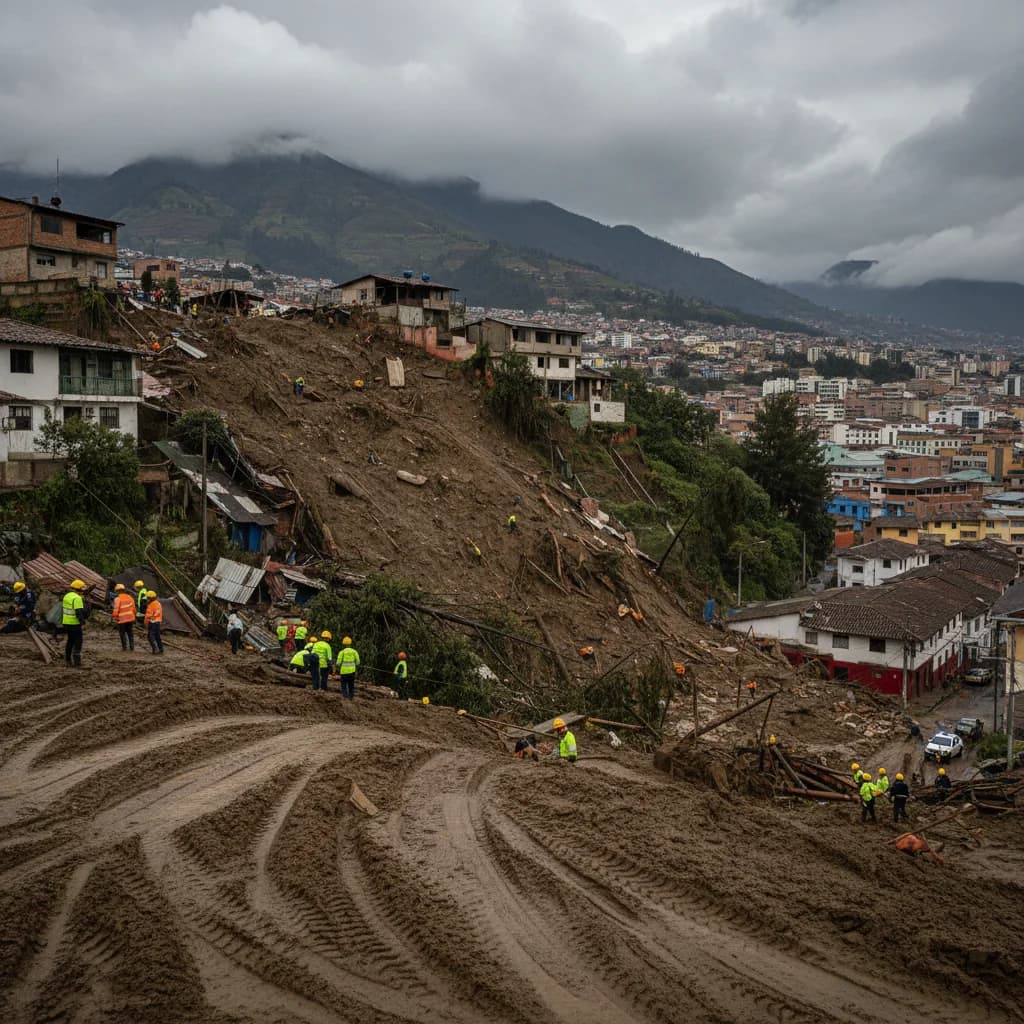
The Infrastructure and Transport Ministry announced an emergency declaration for the Cuenca-Giron-Pasaje road after landslides closed the section between kilometer 76 and 105. Authorities estimate about 200,000 cubic meters of material on the roadway.
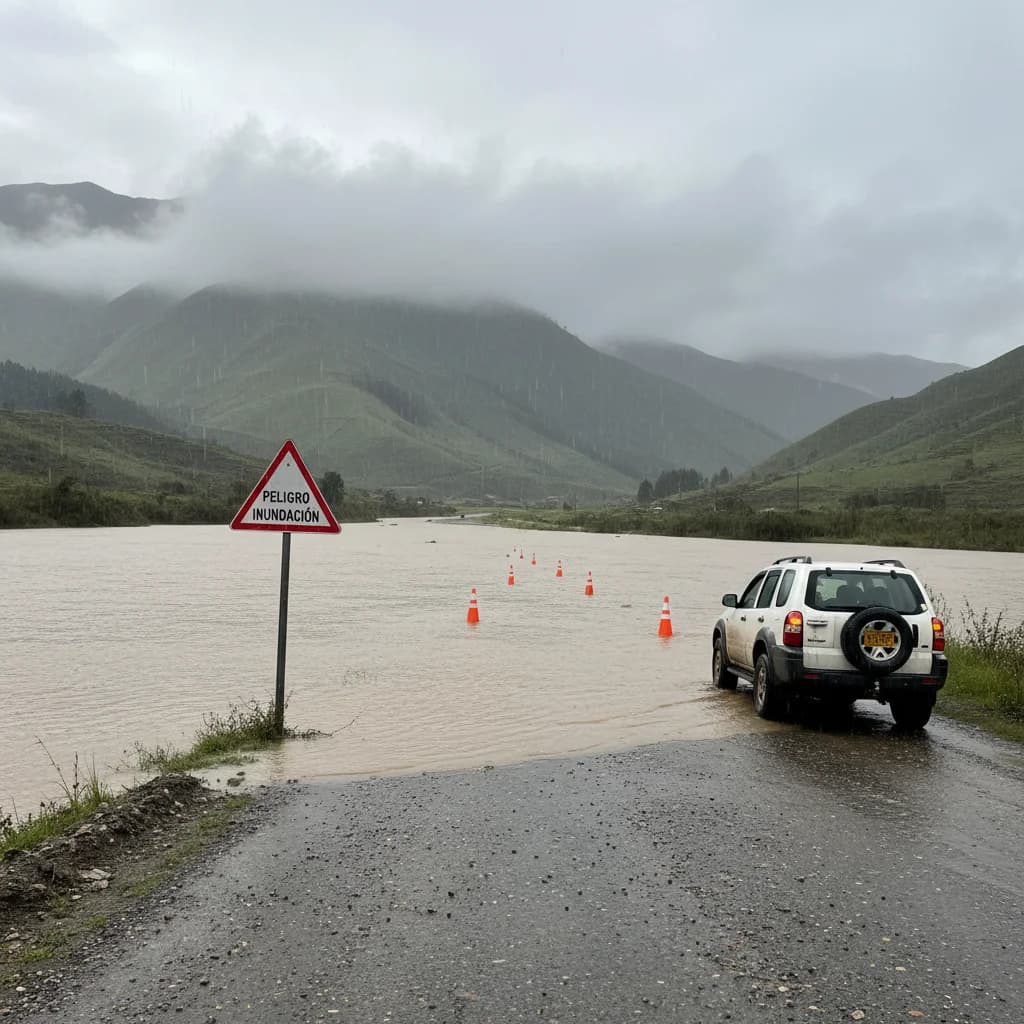
A heavy downpour on Thursday, June 11, flooded streets in Ibarra and Atuntaqui, with water rising above half a meter in some areas. In Cotacachi, farmers in Peribuela reported damaged corn and fruit crops after the storm and hail.
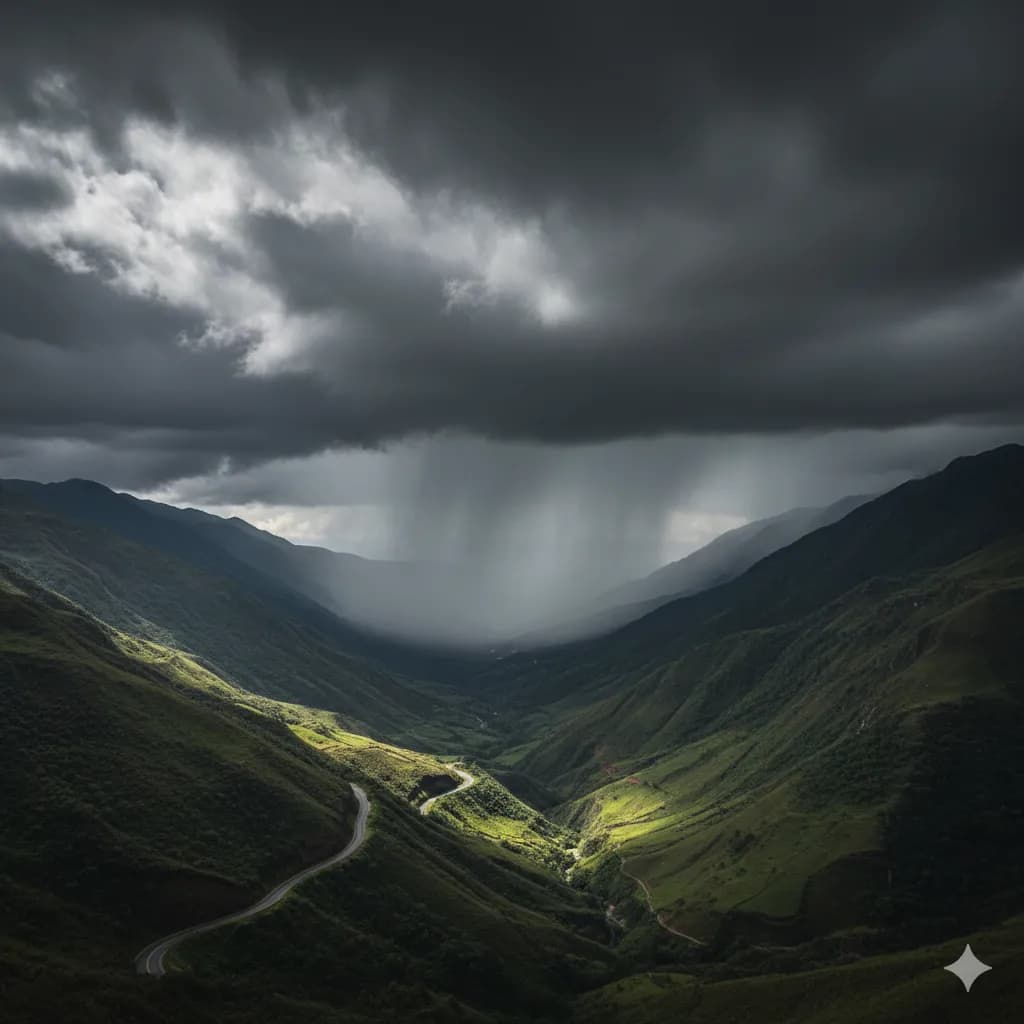
Weather officials say Ecuador's recent intense rains should begin easing nationally from Thursday, with the Coast seeing reduced intensity and the Sierra seeing more solar radiation. Guayaquil recorded 90-100 millimeters of rain in two days, roughly double the normal amount for the month.
Guayaquil saw flooding for the second consecutive day after intense rain affected northern, central and southern sectors. Critical points included Sauces, Samanes, Las Orquideas, Bastion and Via Perimetral.
Quito remains under a rain and storm alert from 17:00 on June 7 until 10:00 on June 10. Municipal monitoring is focused on areas at risk of flooding and landslides, including sectors in Calderon, Quitumbe, Tumbaco and Los Chillos.
El Universo reports the government proposed transit-law reforms that would give the National Police control over the national road network and strengthen access to toll-road images and cantonal transit-agency information.
El Universo reports ECU911 and the Armed Forces have removed around 1,000 irregularly installed cameras across Ecuador, including 95 in Guayaquil and recent removals in Fertisa and the Trinitaria port zone.
El Universo reports INAMHI kept meteorological warning No. 39 active for Sunday, May 31, with variable rain in much of the Amazon and rain or drizzle in several Sierra cities including Quito, Cuenca and Loja.
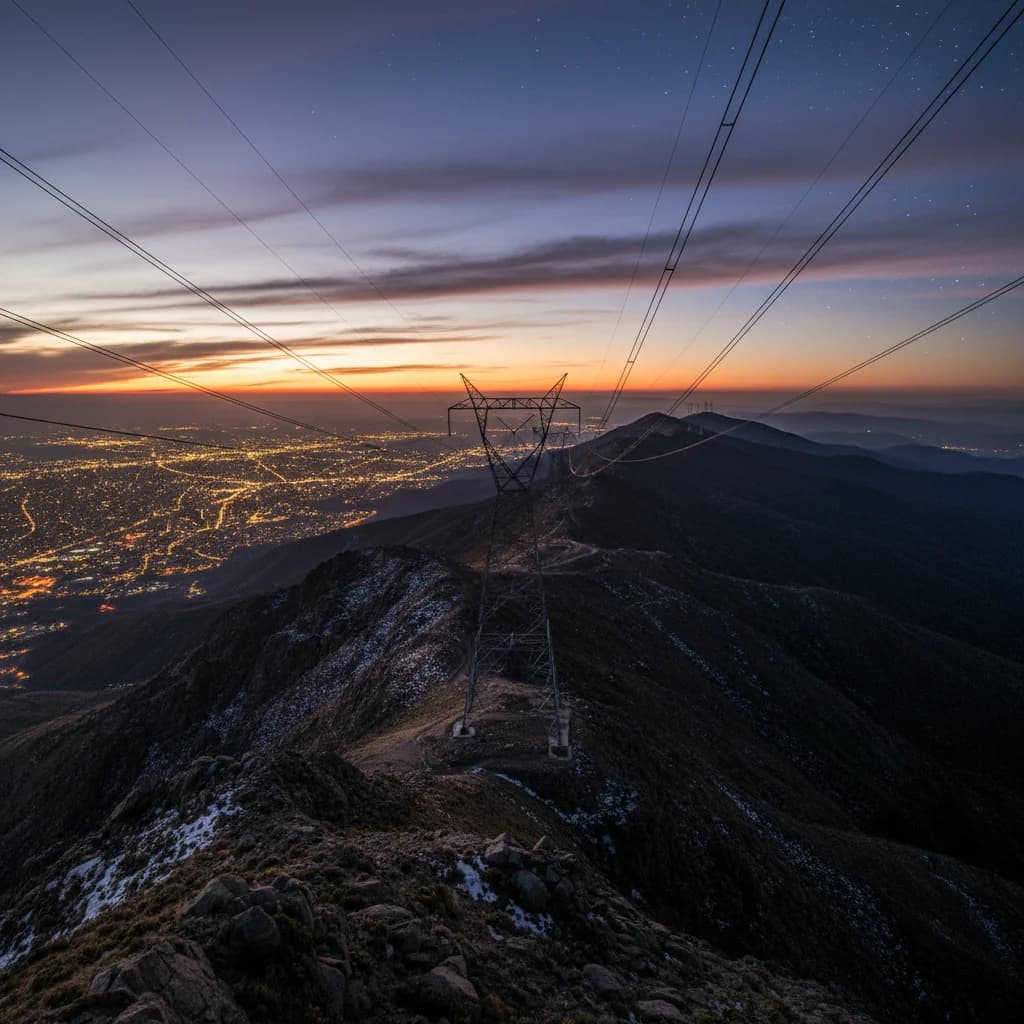
Celec says high river flows, sediment and rocky material damaged part of the Coca Codo Sinclair area after more than 20 continuous hours of pressure from the Coca River. El Comercio reports the national electric system remains guaranteed, but the episode shows why Amazon river conditions still matter for electricity users across Ecuador.