Daily coverage from across the country, written for the expat community
Results for “organized crime”Clear
U.S. Secretary of State Marco Rubio announced the designation of Ecuador’s Chone Killers as a foreign terrorist organization and specially designated global terrorist. Ecuador’s Foreign Ministry thanked the United States for the backing.
A new report on digital recruitment describes how criminal groups use social media, narcoculture symbols and algorithmic engagement to pull minors toward illegal activity. The warning comes as adolescent arrests and violent deaths among minors remain a major national concern.
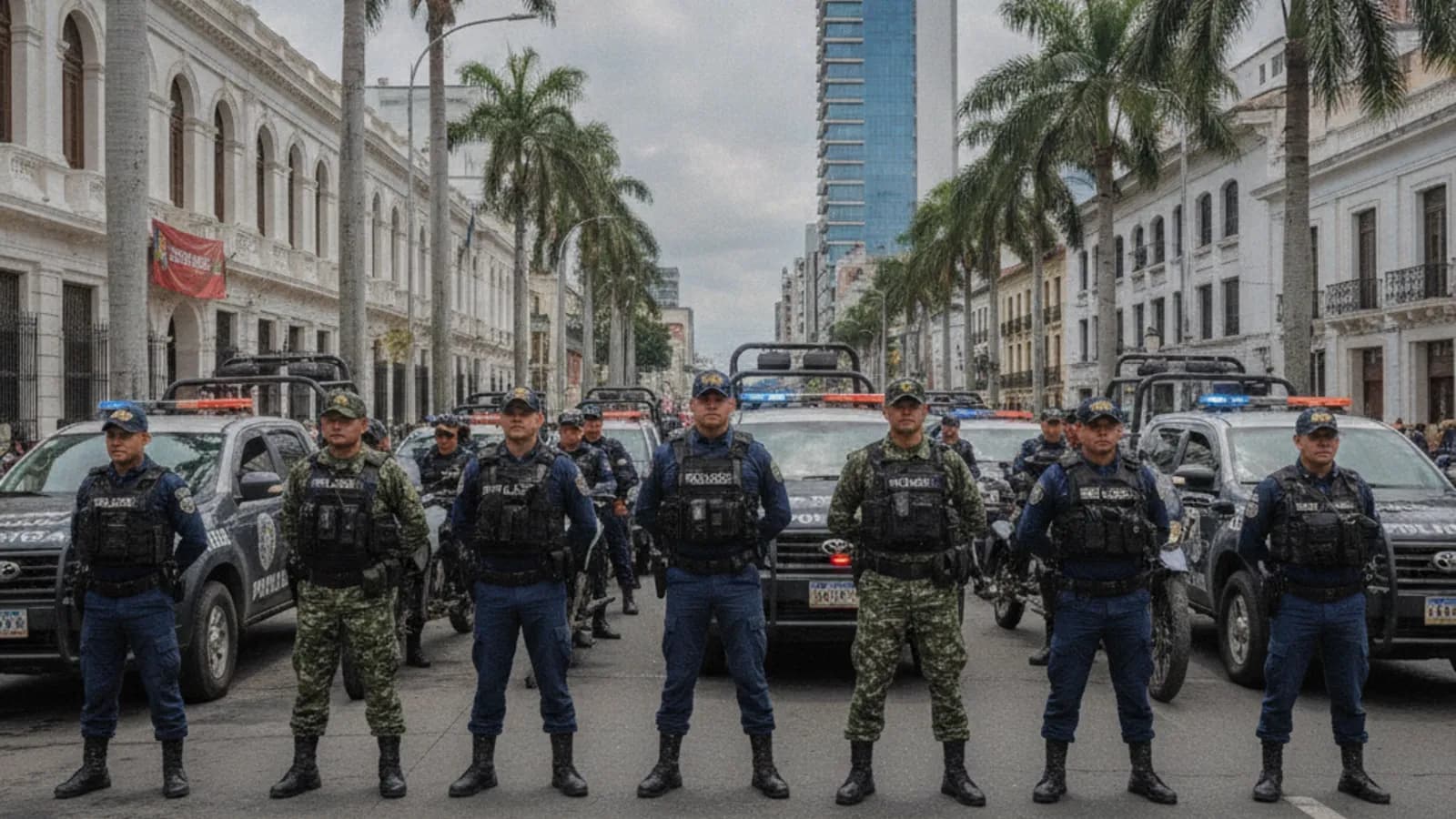
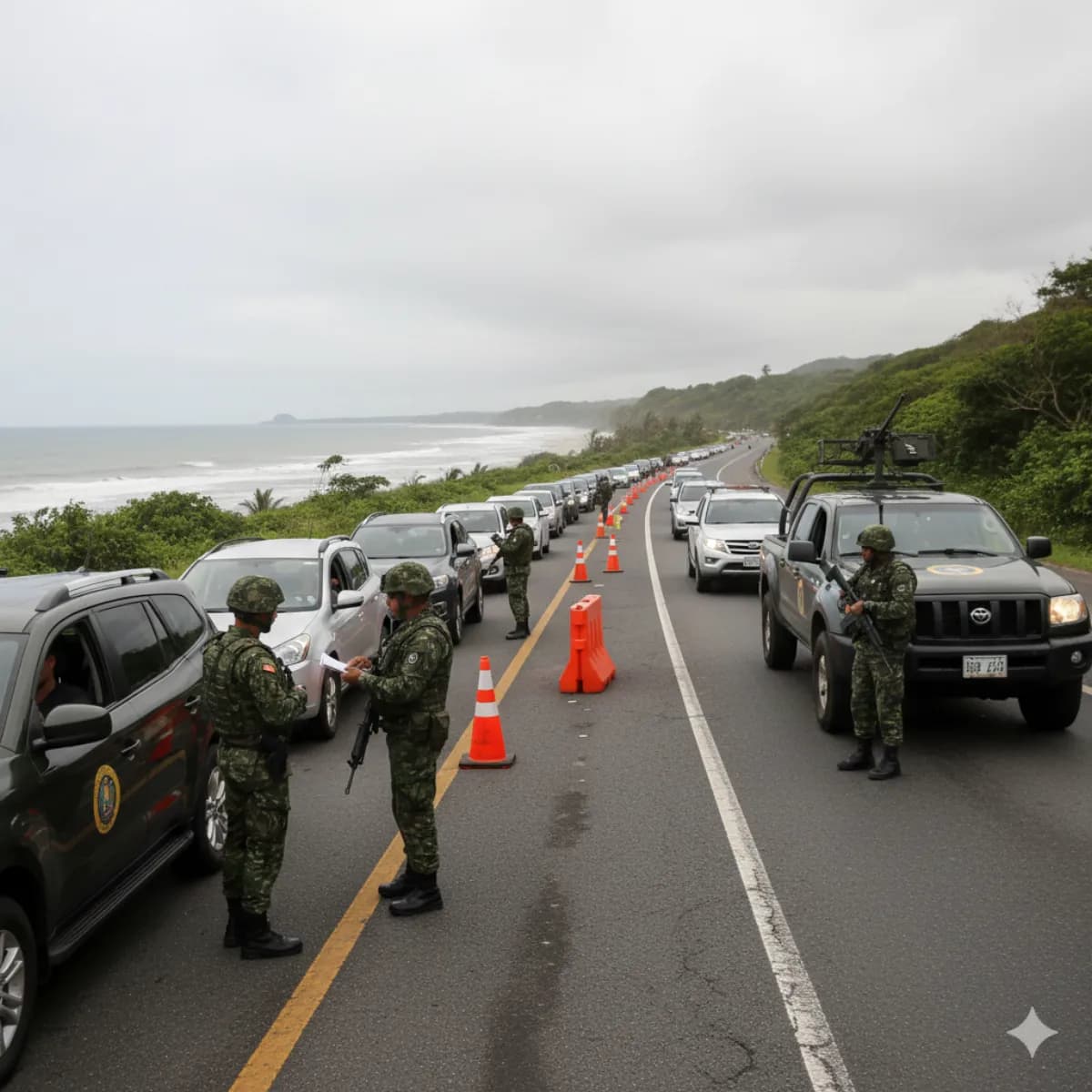
Ecuador’s new state of exception applies for 60 days in ten provinces and three cantons. There is no curfew for now, but the decree allows temporary limits on home and correspondence protections while security forces operate in the covered areas.
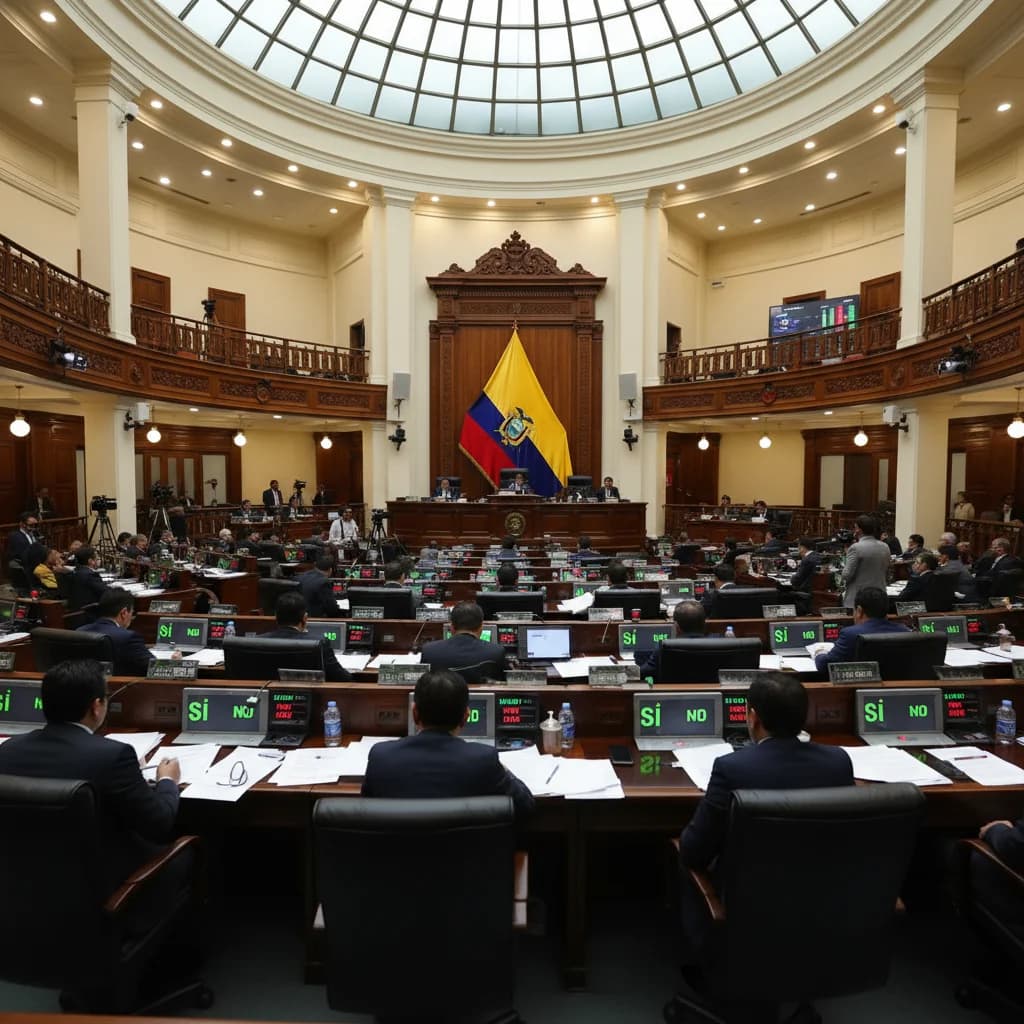
Primicias reports Ecuador's Judicial Council documented violent events against judicial workers, users and facilities from January 2024 through May 2026. The report includes 142 threats, 11 attacks against officials and three confirmed infrastructure attacks.
La Hora reports that Ecuador recorded 262 massacre events in 2025 and 94 more in the first quarter of 2026, citing the Observatorio Ecuatoriano de Crimen Organizado.
Armed forces, police, and intelligence services deployed to Puerto Bolívar in El Oro province for a major operation against criminal structures controlling the port. Defense Minister Loffredo says groups are using the port to ship drugs and extort fishermen.
Prosecutors are expanding the high-profile 'Goleada' money laundering case against Guayaquil Mayor Aquiles Álvarez to include his wife, mother, and two brothers — bringing the total number of defendants to 17.
President Noboa meets VP Vance this week to discuss security, migration, and trade. Ecuador is also seeking a civilian nuclear energy agreement with the US — a first.
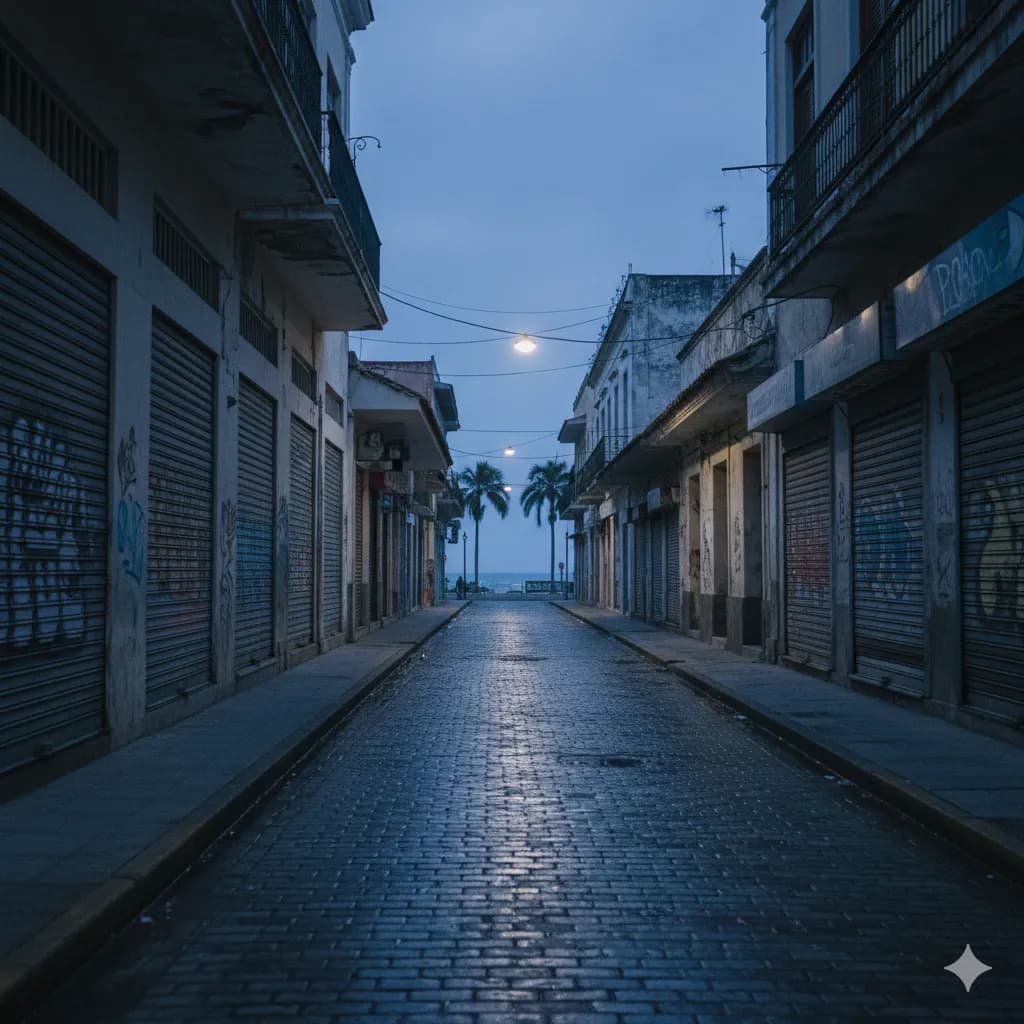
Interior Minister Reimberg announced the largest single-day operation since the curfew began May 3. Nine provinces remain under nightly restrictions through May 18.
A four-month investigation culminated in Operación Forseti-Finisterra — 11 arrested including the gang's hit squad leader, firearms and drugs seized, and a criminal network dismantled.
After months of escalating tariffs, Ecuador will reduce duties on Colombian imports from 100% to 75%. Cosmetics, medicines, plastics, and automotive parts are the primary categories affected.
Interior Minister Reimberg told AFP that organized crime groups have launched roughly 600 drone attempts at El Encuentro prison since it opened. The government says it will build as many mega-prisons as needed.