Daily coverage from across the country, written for the expat community
Results for “markets”Clear
Asobanca says Ecuador’s private banks will keep major service channels available during the June 26 national holiday. Branches, digital banking, ATMs and non-bank correspondents are expected to operate.
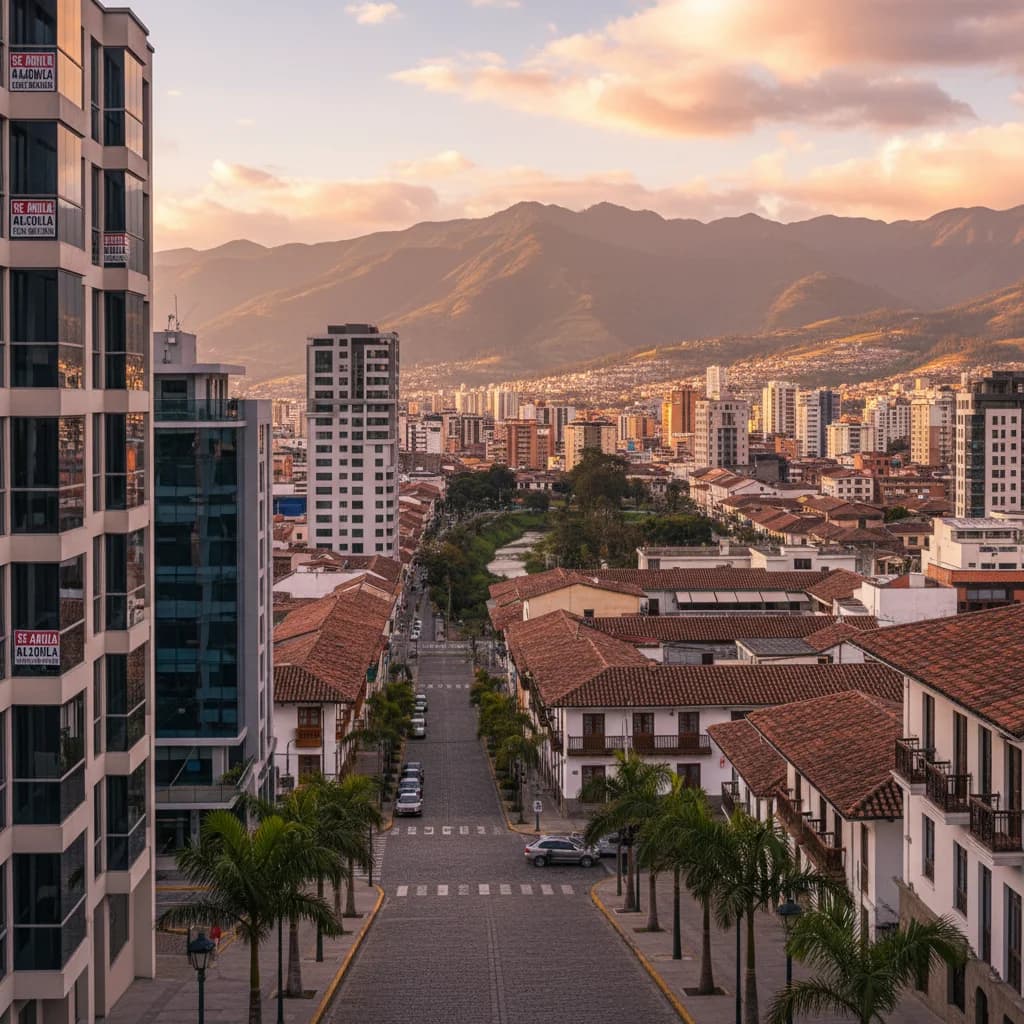
Quito’s La Carolina and surrounding hypercenter remain among the city’s most demanded real-estate zones, with small units of 25 to 35 square meters in high demand. Market sources cite prices above $2,000 per square meter in high-end projects.
Ecuador’s country-risk indicator closed at 386 basis points on June 12, the lowest level reported since September 30, 2014. The drop signals improved market confidence, though it does not immediately change day-to-day costs for residents.
A group seeking a recall process against President Daniel Noboa asked Ecuador's electoral authority for signature forms on June 9. The process would require support from 15% of the electoral roll, representing more than two million signatures nationwide.
Primicias reports Epmaps completed maintenance work that caused a water cut in 39 barrios of Alangasi, Amaguana, Conocoto and Guangopolo. Service may normalize progressively through the early hours of June 5.
El Universo reports Ecuador's Health Ministry will run a national measles vaccination campaign on May 30 and 31 in all 24 provinces. Brigades will operate in high-traffic places including markets, bus terminals, airports, plazas, malls and outside schools.
Primicias reports that mortgage-credit disbursements grew 22% in the first quarter of 2026 compared with the same period in 2025. Sales, project visits and net reservations also rose, giving buyers and renters another signal that the housing market is tightening.
The May 6 placement of $1 billion in bonds drew $7 billion in demand from 200 international investors. Country risk is at its lowest since 2014. Here's what it means for the economy.
International investors put up $7 billion in orders for $1 billion in Ecuadorian sovereign bonds. The yield improved, the country risk hit an 11-year low, and the government says it proves confidence is back.
President Noboa's Decreto Ejecutivo 354 bridges Thursday April 30 to the May 1 national holiday, giving public and private sector workers four consecutive days off. Overtime is double pay. Here's what closes.
Ecuador's riesgo país fell to 404 points on April 22, the lowest since 2015. GDP grew 3.7% in 2025, international reserves jumped 42%, and the IMF just disbursed another $394 million. Here's what the improving trajectory means for expats.
Pizza Hut Ecuador has new ownership. In a market where over 706,000 pizzas moved through PedidosYa in 2025 alone, the competitive landscape looks meaningfully different than it does in the U.S. Here's who's actually on the board.