The Dollar Is Weakening — Here's What That Means If You Live in Ecuador

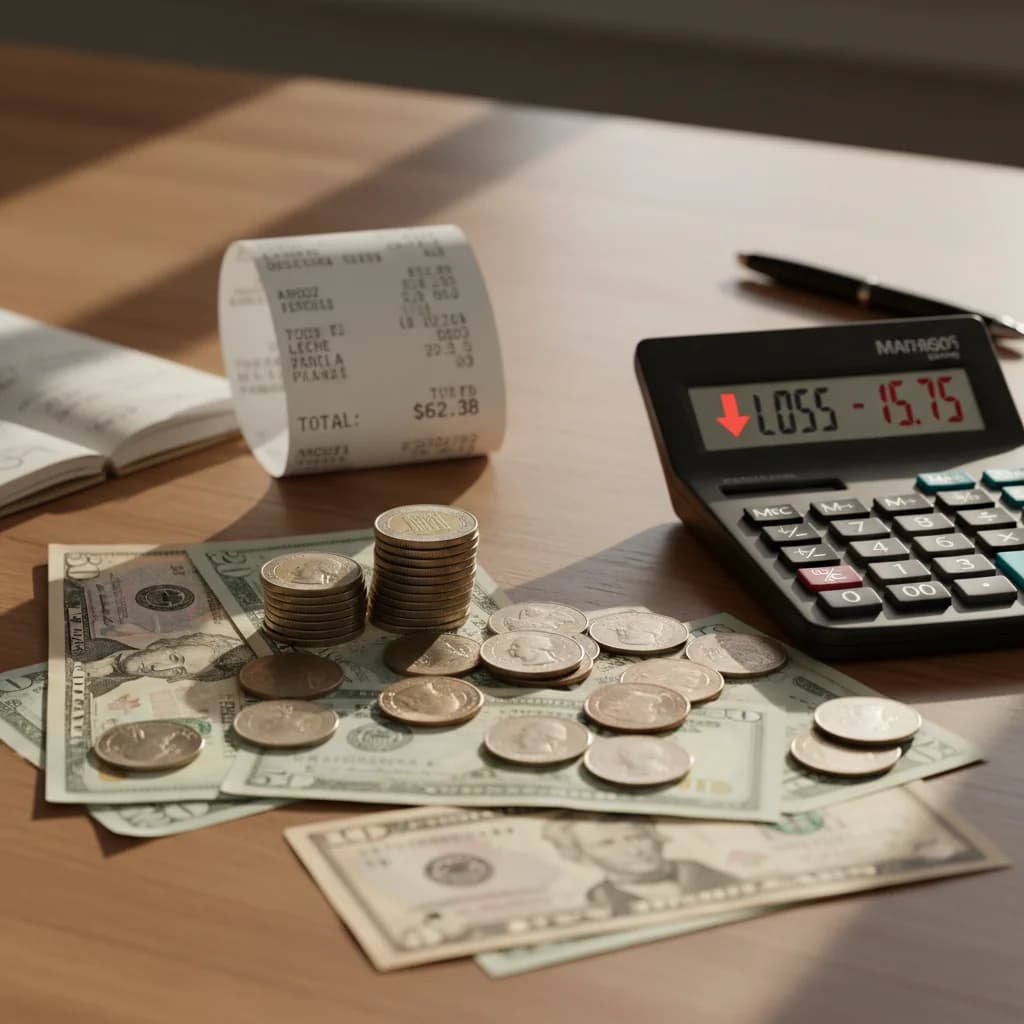
If you live in a country that uses someone else's currency, you're at the mercy of someone else's monetary policy. Welcome to dollarization.
What's Happening
The U.S. dollar has depreciated against major world currencies in recent weeks. For the United States, this is a monetary policy story. For Ecuador — which adopted the dollar as its official currency in 2000 and has no central bank capable of printing money — it's an everything story.
The Good News
A weaker dollar makes Ecuador's exports cheaper for foreign buyers:
- Shrimp headed to European and Asian markets becomes more price-competitive
- Cocoa, bananas, and flowers get a similar boost
- Tourism becomes slightly cheaper for visitors converting from euros, pounds, or other currencies
Ecuador just posted record non-oil exports of $25.2 billion in 2025. A weaker dollar could help push that number even higher in 2026.
The Bad News
A weaker dollar makes imports more expensive:
- Goods priced in euros or other currencies cost more when converted to dollars
- Ecuador imports significant quantities of medicines, vehicles, electronics, machinery, and packaged foods
- These higher import costs get passed through to consumers as higher shelf prices
You may have already noticed: that imported wine, those European pharmaceuticals, that Korean appliance — all creeping up in price.
The Expat Angle
For expats, the dollar's strength has a unique double effect depending on where your money comes from:
If your income is in USD (Social Security, U.S. pension, remote work for a U.S. company): Your purchasing power in Ecuador stays the same in dollar terms, but imported goods cost more. Your local purchasing power for Ecuadorian-produced goods (food, services, rent) is unchanged.
If you receive money from non-USD sources (European pension, British investments, Australian income): A weaker dollar means your home currency buys more dollars, effectively giving you a raise in Ecuador.
If you're sending money to the U.S. (supporting family, paying U.S. bills): No change — dollar to dollar.
What This Means for Expats
Confused about which visa fits your situation? Book a 30-minute consultation with Chip and leave with a clear plan.
Book a consultation- Grocery prices: Expect gradual increases on imported items at Supermaxi, Coral, and Megamaxi. Locally produced food should remain stable
- Healthcare costs: Imported medications may get more expensive. Consider local generic alternatives where available
- Rent and real estate: These are priced in dollars and driven by local market conditions — the dollar's international value has minimal direct impact
- The big picture: Ecuador can't adjust interest rates or print money to respond to currency movements. The country is along for the ride on whatever the Federal Reserve does. This is the fundamental trade-off of dollarization: stability in exchange for zero monetary policy flexibility
Sources: El Diario, Infobae
More in Economy
View all →Ecuador Businesses Asked to Use Generators Voluntarily as the Dry Season Begins
September 10, 2026
Store-Credit Reporting Gaps Put the Paperwork Behind Installment Purchases in Focus
September 10, 2026
Study Finds the Widest Financial Gaps Among Women, Young People, and Rural Ecuadorians
September 8, 2026
Keep practical Ecuador coverage free to read.
Reader support helps fund source monitoring, translation, editing, publishing, and national coverage for expats across Ecuador.
Need help with your Ecuador visa? EcuaPass handles the paperwork for you. Learn more →
Comments
No comments yet. Be the first to share your thoughts!


