Daily coverage from across the country, written for the expat community
Results for “dollar”Clear
Private health insurance continues to grow in Ecuador, with more than 1.7 million people covered and health insurance premiums reaching USD 180.5 million in 2025.
IESS says Teodoro Maldonado Carbo Hospital allocated $435,083 for medications and supplies, including antibiotics, neonatal respiratory supplies, suction hoses and Tocilizumab. For expats using IESS or watching the public system, this is a concrete supply update with named purchases and dollar amounts.
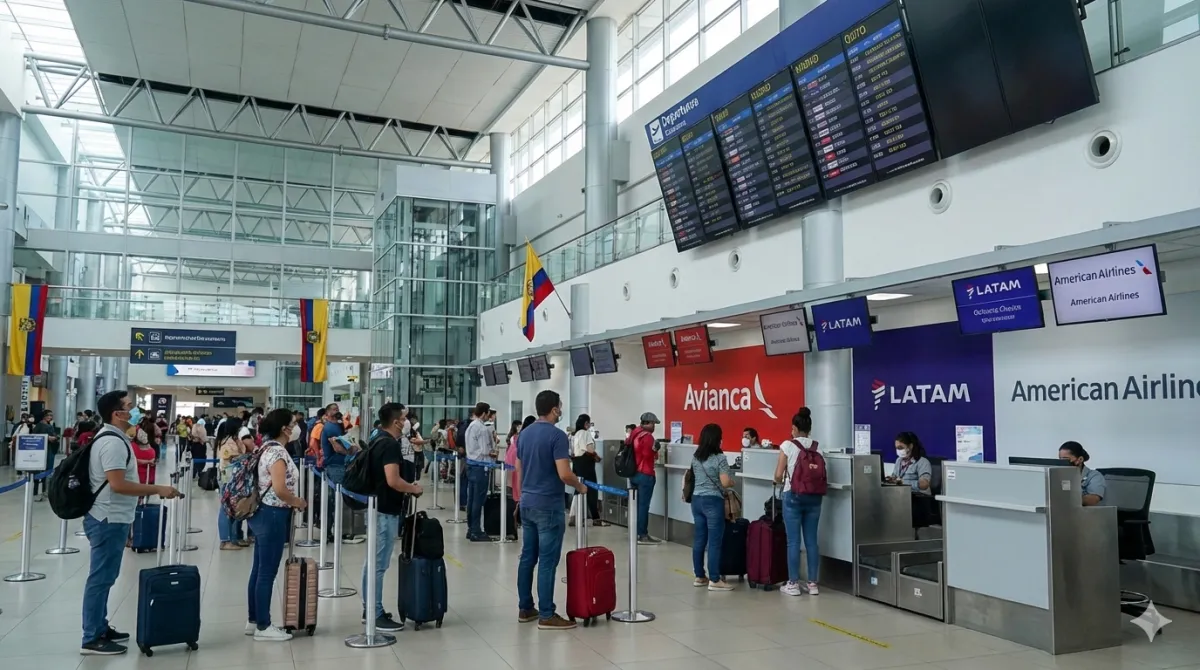
Travelers connecting through Lima’s Jorge Chávez airport must pay an $11.86 transfer fee called the TUUA. Ecuadorians using Lima for onward connections to South America, Asia and Europe are already feeling the extra cost.
Monthly inflation reached 0.53% in April 2026, driven mainly by transport costs, with annual inflation at 2.6%. Meanwhile Ecuador's tariff on Colombian goods escalated to 100% on May 1. What it means for anyone living here on a fixed or foreign income.
The May 6 placement of $1 billion in bonds drew $7 billion in demand from 200 international investors. Country risk is at its lowest since 2014. Here's what it means for the economy.
Banco Pichincha went from $42M to $88M in profits. Banco del Pacífico: $46M to $84M. The president posted the numbers on X and questioned who benefits from the crisis narrative.
International investors put up $7 billion in orders for $1 billion in Ecuadorian sovereign bonds. The yield improved, the country risk hit an 11-year low, and the government says it proves confidence is back.
Ecuador is burning through diesel at a 23% faster rate to keep the lights on. Diesel prices jumped from .11 to .45 per gallon. And the government just failed — for the second time — to secure emergency thermal generation contracts.
Ecuador's free trade agreement with China turned two on May 1. Imports from China surged 30% to $7.8 billion while exports barely grew. The non-petroleum trade deficit ballooned from $335 million to $1.9 billion. Here's what the numbers actually show.
The Cangrejos project, ranked 13th among the world's largest undeveloped gold deposits, gets a 26-year exploitation contract. Chinese-backed Odin Mining will invest $1.6 billion and generate 1,168 jobs. The government expects $6 billion in total revenue.
Ecuador's riesgo país fell to 404 points on April 22, the lowest since 2015. GDP grew 3.7% in 2025, international reserves jumped 42%, and the IMF just disbursed another $394 million. Here's what the improving trajectory means for expats.
Pizza Hut Ecuador has new ownership. In a market where over 706,000 pizzas moved through PedidosYa in 2025 alone, the competitive landscape looks meaningfully different than it does in the U.S. Here's who's actually on the board.