Manabí Becomes the First World Region of Gastronomy in the Americas

Ecuador just earned one of the most prestigious food awards on the planet — and it went to the coast.
The Award
The International Institute of Gastronomy, Culture, Arts, and Tourism (IGCAT) has officially awarded Manabí the title of World Region of Gastronomy 2026, making it the first region in the Americas — and the first in all of Latin America — to receive the designation.
The award recognizes Manabí's deep culinary traditions, its commitment to sustainable and community-driven food culture, and the province's role as a guardian of ancestral recipes and farming practices that have been passed down through generations.
IGCAT evaluates candidates on criteria including food heritage, innovation, sustainability, education, and community engagement. Previous winners have included regions in Europe and Asia, but Manabí is the first from the Western Hemisphere.
What Makes Manabí's Food Special
Manabí's cuisine is defined by its signature ingredient: peanuts (maní). Nearly every traditional dish incorporates peanut in some form — as a sauce, a thickener, a garnish, or a base.
Key dishes include:
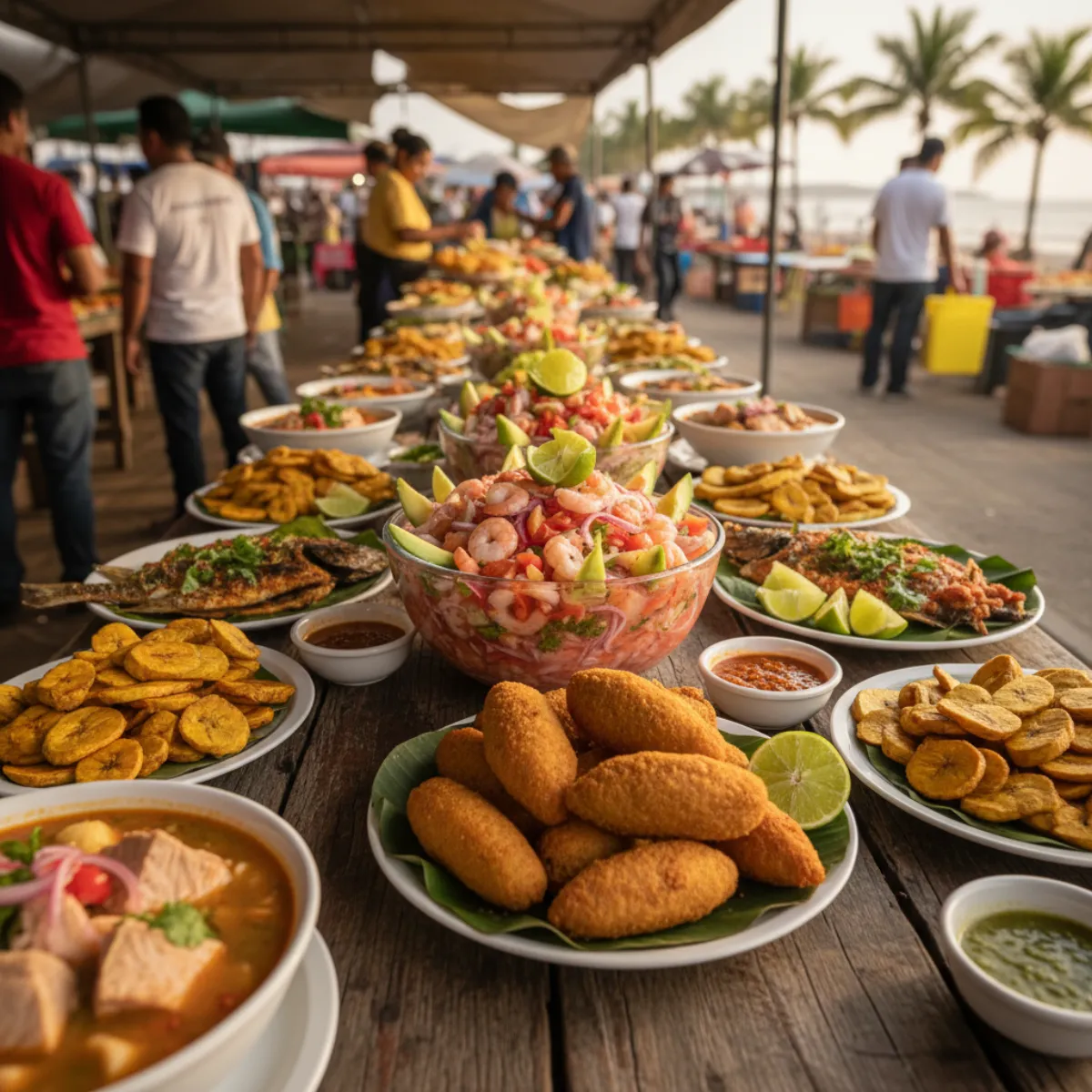
- Viche — a rich fish soup thickened with peanut paste and green plantain, considered the province's signature dish
- Corviche — fried plantain dumplings stuffed with fish and peanut, a ubiquitous street food
- Ceviche manabita — Ecuador's Pacific-style ceviche, typically made with shrimp or fish cured in lime juice with red onion, tomato, cilantro, and served with chifles (plantain chips) and popcorn
- Seco de gallina — a slow-cooked hen stew with beer, naranjilla juice, and peanut sauce
- Sal prieta — a dry condiment made from toasted peanuts, roasted corn, and spices, sprinkled on everything from rice to plantains
Manabí's food culture is deeply connected to its geography: the province's position along the Pacific coast provides fresh seafood, while its interior valleys support plantain, corn, cacao, and peanut farming.
A Year of Events
The designation comes with a year-long program of cultural and gastronomic events planned throughout 2026, including:
- An international gastronomy congress bringing chefs and food scholars to Manabí
- Culinary festivals in cities across the province including Manta, Portoviejo, and Pedernales
- Farm-to-table experiences showcasing Manabí's agricultural communities
- Educational programs in local schools to preserve traditional cooking knowledge
Local officials have emphasized that the designation is an opportunity to boost gastronomic tourism — a growing segment of Ecuador's tourism sector that appeals to travelers seeking authentic cultural experiences.
What This Means for Expats
Confused about which visa fits your situation? Book a 30-minute consultation with Chip for $100 and leave with a clear plan.
Book a consultation- Manabí is worth a food trip. If you haven't explored the province's food scene beyond the beach, 2026 is the year to do it. Portoviejo, the provincial capital, has an emerging restaurant scene that rivals Quito's La Floresta or Cuenca's El Centro for quality and creativity
- Coastal expats take note. If you live in Manta, Bahía, or anywhere in Manabí, your local food scene is about to receive international attention and investment. Expect new restaurants, food festivals, and culinary tourism operators
- Safety caveat. Manabí remains under the FCDO advisory against all but essential travel to coastal provinces. However, cities like Portoviejo and Manta are generally safer than Guayaquil, and the gastronomic events will likely have security presence
- The best way to experience it. Start with the mercados municipales (municipal markets) in Portoviejo or Manta, where you can eat a full viche lunch for under $3. For a curated experience, look for upcoming event schedules on IGCAT's website
Sources: IGCAT, World Region of Gastronomy 2026
More in Culture
View all →Keep practical Ecuador coverage free to read.
Reader support helps fund source monitoring, translation, editing, publishing, and national coverage for expats across Ecuador.
Want to improve your Spanish? Learn online with native speakers on Italki. Learn more →
Comments
No comments yet. Be the first to share your thoughts!