Daily coverage from across the country, written for the expat community
Results for “culture”Clear
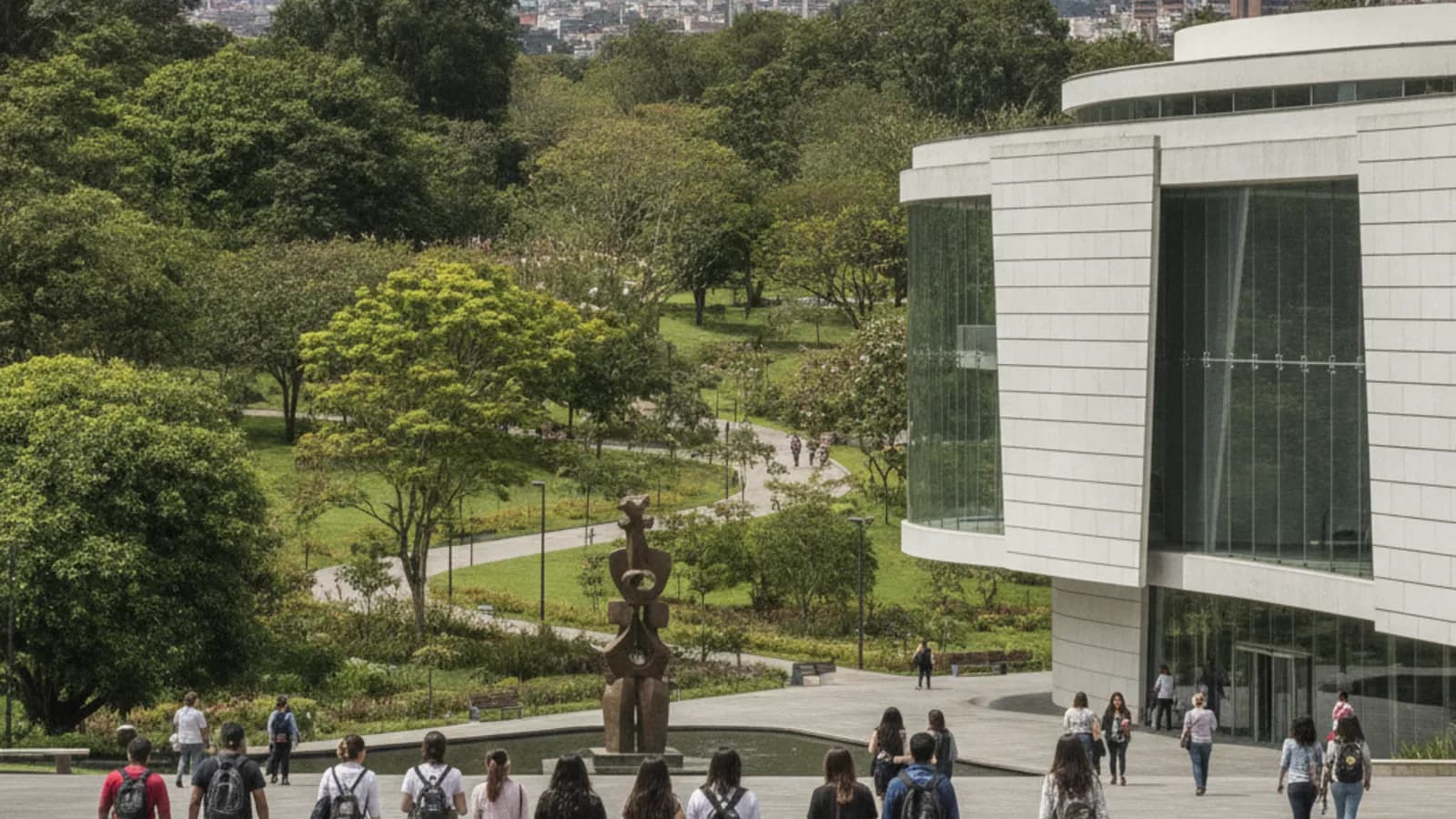
The winning design for Ecuador’s new National Museum in Quito calls for a 36,000-square-meter building near La Carolina to house about 1.4 million cultural and heritage items.
A new report on digital recruitment describes how criminal groups use social media, narcoculture symbols and algorithmic engagement to pull minors toward illegal activity. The warning comes as adolescent arrests and violent deaths among minors remain a major national concern.
Ecuador opened registration on June 18 for public technological institutes and higher conservatories. The process runs through June 22, 2026, for applicants who completed the Registro Nacional and want to continue in the public technical education admissions process.
The SRI is applying stricter controls to IVA refund requests in 2026. Older adults can recover up to $144.60 per month, but invoices must use a cedula, be for personal consumption, and fit accepted categories such as food, clothing, health, education and construction.
Ecuador’s Jóvenes en Acción program is expanding from 80,000 to 150,000 beneficiaries. Registration opened June 16 for vulnerable young adults ages 18 to 29, with selected participants receiving three $400 transfers over three months after completing assigned activities.
Quito's Property Registry says payment orders for 20 registry procedures and certificates can now be generated automatically in about 20 minutes. The same step previously took 24 to 48 hours, and payment orders are valid for eight days.
The U.S. Trade Representative is proposing a 10% tariff for Ecuador and five other economies over enforcement of forced-labor import bans. Public comments are open until July 6, and Ecuador’s current 10% surcharge expires July 24.
El Universo reports Ecuador's national registration for public higher education runs from June 2 to 6 for the second 2026 academic period. The virtual process is mandatory for applicants seeking seats in public universities, polytechnic schools, institutes and conservatories.
El Universo reports that Ecuador recorded 273,554 active labor contracts from January through April 2026, with 171,735 concentrated in one broad macrosector covering agriculture, construction, commerce, finance, professional services and health-related work.
A survey of 2,570 companies found that nearly half can't fill open positions. The biggest barriers: lack of experience, weak digital skills, and wages that don't compete.
Ecuador is burning through diesel at a 23% faster rate to keep the lights on. Diesel prices jumped from .11 to .45 per gallon. And the government just failed — for the second time — to secure emergency thermal generation contracts.
Pizza Hut Ecuador has new ownership. In a market where over 706,000 pizzas moved through PedidosYa in 2025 alone, the competitive landscape looks meaningfully different than it does in the U.S. Here's who's actually on the board.