Daily coverage from across the country, written for the expat community
Results for “law”Clear
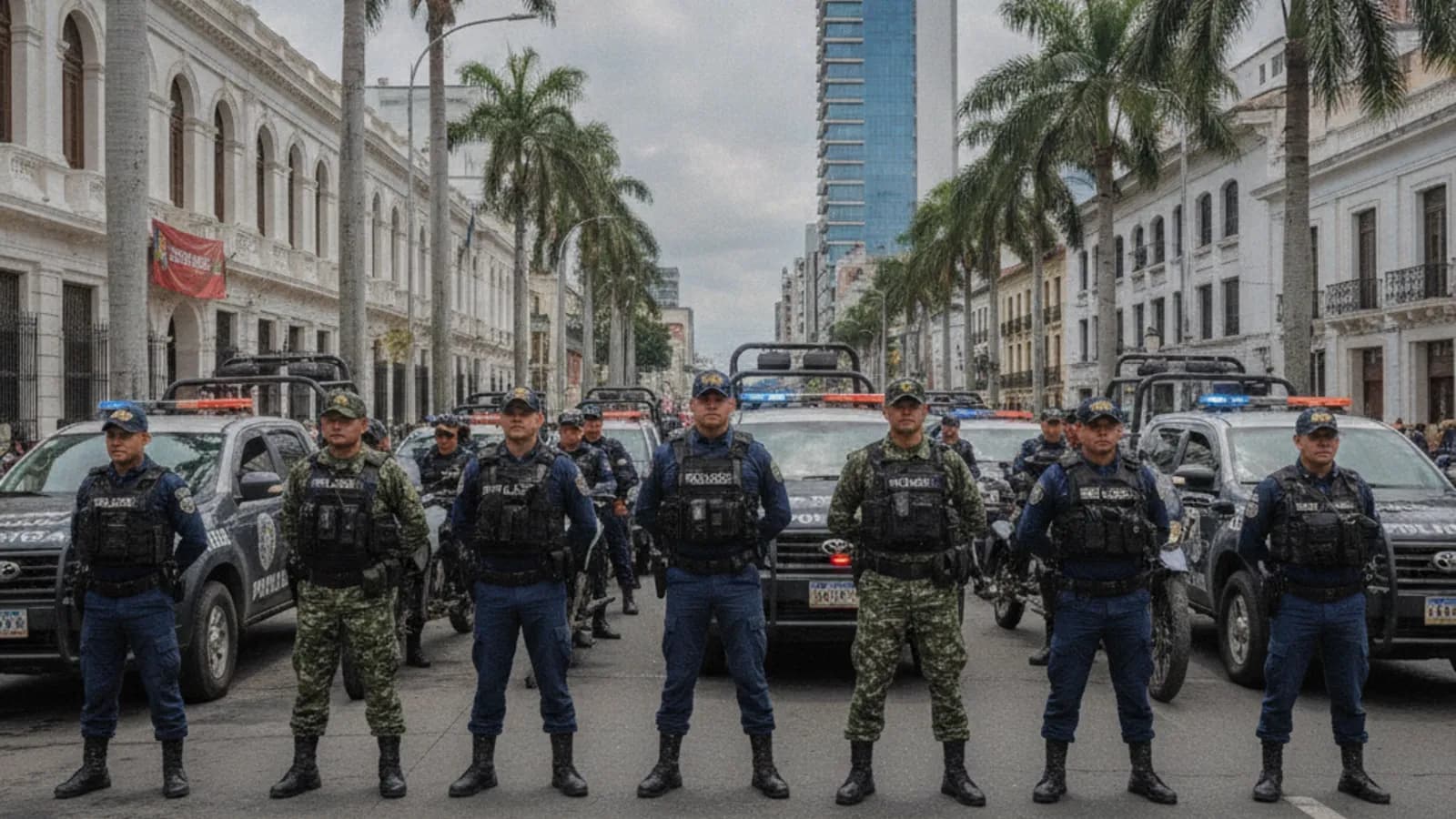
U.S. Secretary of State Marco Rubio announced the designation of Ecuador’s Chone Killers as a foreign terrorist organization and specially designated global terrorist. Ecuador’s Foreign Ministry thanked the United States for the backing.
Ecuador’s Constitutional Court issued a favorable opinion on the state of exception declared by President Daniel Noboa. The measure validates Executive Decree 423, signed June 16, for 60 days.
Ecuador and the United States signed a border-security implementation letter on June 22 to coordinate against transnational crime, drug trafficking, illegal immigration and other border-zone threats.
Ecuador recorded 12,322 vehicle-embargo judicial processes in 2025, and 10,609 more from January through May 2026. The numbers matter for anyone financing a car under a pledge or title-reservation structure.
Ronald Javier Macias Villamar, known as alias Javi and identified as the brother of Los Choneros leader alias Fito, was captured in Colombia. Ecuadorian officials say the operation involved the National Police, Armed Forces, National Intelligence Center and Colombian authorities.
Executive Decree 398 reforms Ecuador's tax-regulation framework to update identification, marking, authentication and fiscal traceability controls. SRI will implement and control the marking system for selected taxpayers, goods and services.
El Universo reports the government proposed transit-law reforms that would give the National Police control over the national road network and strengthen access to toll-road images and cantonal transit-agency information.
El Universo reports ECU911 and the Armed Forces have removed around 1,000 irregularly installed cameras across Ecuador, including 95 in Guayaquil and recent removals in Fertisa and the Trinitaria port zone.
Primicias reports that Ecuador's Superintendence of Companies warned on May 27, 2026 that 354 mercantile companies offer higher education without legal authorization. The companies were notified to reform their corporate purpose within 30 days.
Loja's city council archived a proposal to raise the urban bus fare from 30 to 36 cents, but the transport consortium says the suspension of service remains indefinite. Expreso reports students, workers and merchants are being hit hardest while legal action seeks to restore service.
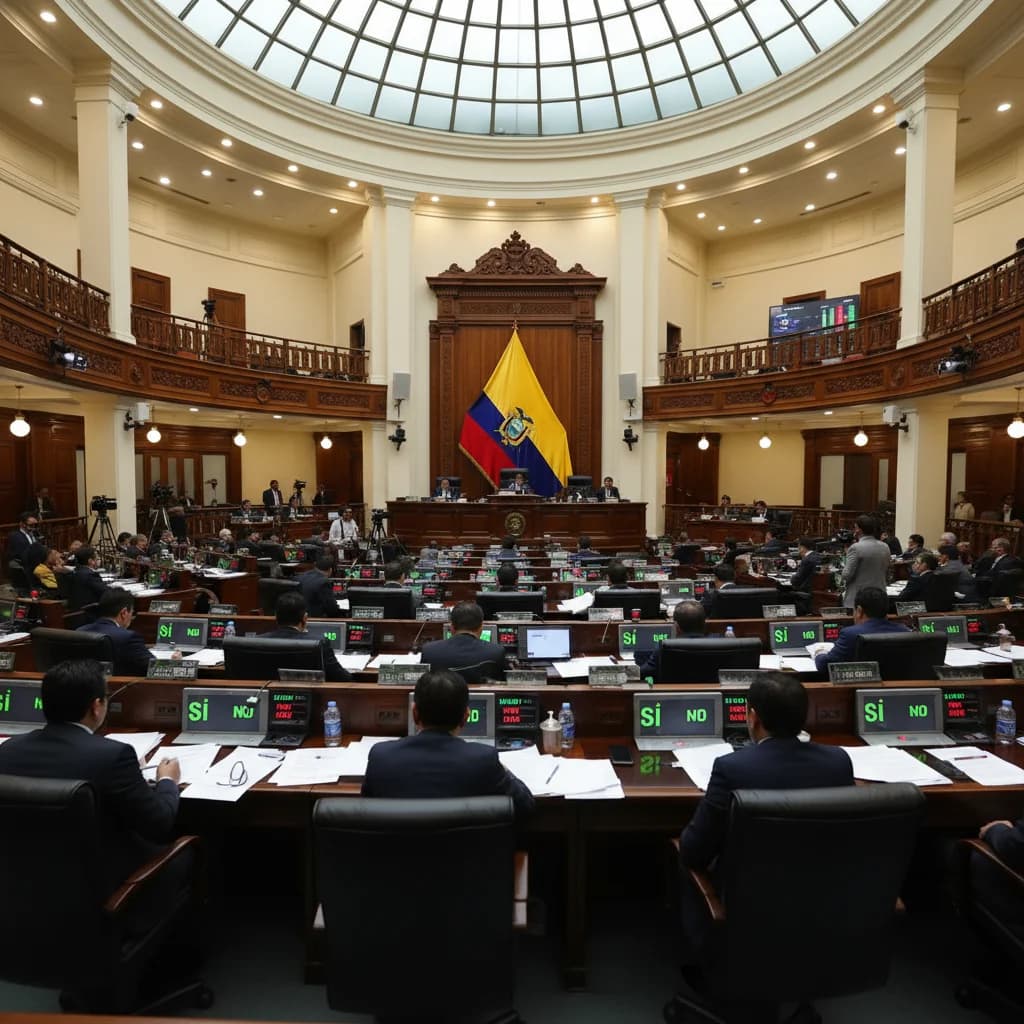
Ecuador's National Assembly approved a new marine-coastal governance law on May 21. Expreso reports it creates tools to protect breaking waves, regulate maritime activities and catalog important surf zones.
The Battle of Pichincha holiday falls on Sunday in 2026, so Ecuador's mandatory rest day shifts to Monday, May 25. Expreso reports the country will have a three-day weekend, with no Friday transfer.