Daily coverage from across the country, written for the expat community
Results for “government”Clear
U.S. Secretary of State Marco Rubio announced the designation of Ecuador’s Chone Killers as a foreign terrorist organization and specially designated global terrorist. Ecuador’s Foreign Ministry thanked the United States for the backing.
Ecuador's Registro Civil says citizens can continue going to agencies without a prior appointment for cedulas and passports through December 31, 2026. The agency says it issued 1.2 million identity cards and 217,201 passports between January and June.
President Daniel Noboa extended the liquidation period for Correos del Ecuador by another 45 days starting July 1. The state postal company's closure process has dragged on since 2020.
Police and prosecutors detained Jipijapa Mayor Angela Plua and 12 others in Operation Digitador, an investigation into alleged irregular vehicle paperwork in Manabi. Authorities said the case involved 18 raids and suspected losses above $5 million.
Colombia is considering restarting electricity exports to Ecuador, but El Niño could make those sales uncertain from November 2026 into early 2027. The issue matters because the Colombia interconnection can supply about 450 MW, nearly 10% of Ecuador’s average demand.
CNT says 80% of institutional clients have recovered services after a data-center failure affected state platforms and mobile users. The company also said 75% of cloud operations had been fully restored by the afternoon of June 22.
Regressive erosion on the Coca River has damaged key infrastructure for more than six years, with estimated losses between $4.7 billion and $5.5 billion through May 2026. The risk matters nationally because Coca Codo Sinclair supplies about 25% of Ecuador's average electricity demand.
Ecuadorian authorities say five people were detained in an alleged migrant-trafficking network that operated in Guayas and Tungurahua. The case involves current and former Migration officials, real passports used with substituted identities, and alleged illegal fees of $5,000 to $8,000.
Ecuador’s ANT says the expired-license grace period ends June 30, 2026. Drivers with renewal appointments after that date can use special Saturday service on June 20 and 27 from 08:00 to 16:00 if they go to the same agency with their printed appointment and required documents.
Ecuador opened registration on June 18 for public technological institutes and higher conservatories. The process runs through June 22, 2026, for applicants who completed the Registro Nacional and want to continue in the public technical education admissions process.
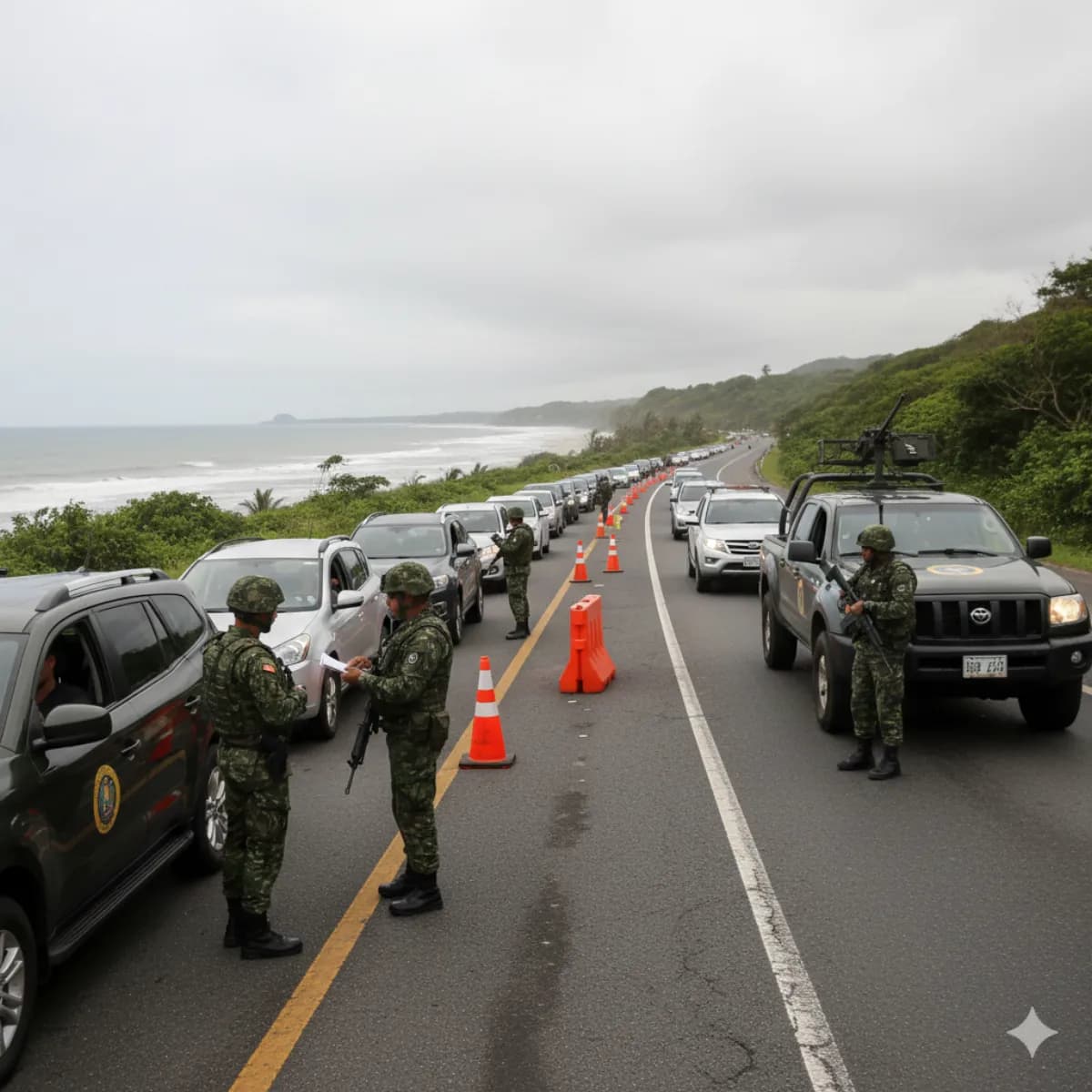
Ecuador’s new state of exception applies for 60 days in ten provinces and three cantons. There is no curfew for now, but the decree allows temporary limits on home and correspondence protections while security forces operate in the covered areas.
Ecuador’s Jóvenes en Acción program is expanding from 80,000 to 150,000 beneficiaries. Registration opened June 16 for vulnerable young adults ages 18 to 29, with selected participants receiving three $400 transfers over three months after completing assigned activities.