Daily coverage from across the country, written for the expat community
Results for “farming”Clear
Ecuador shipped 125,200 tonnes of shrimp in January 2026, a 23% increase year-over-year. China remains the top buyer at 49.5% of volume, though its share has declined from 54.2% in 2024. The industry projects a 15% increase for the full year.
Banco Bolivariano issued Latin America's largest biodiversity bond at $120 million, backed by IDB Invest ($50M), IFC ($50M), and FMO ($20M). The 5-year bond funds sustainable agriculture, freshwater and marine ecosystem protection, waste management, forestry, and ecotourism.
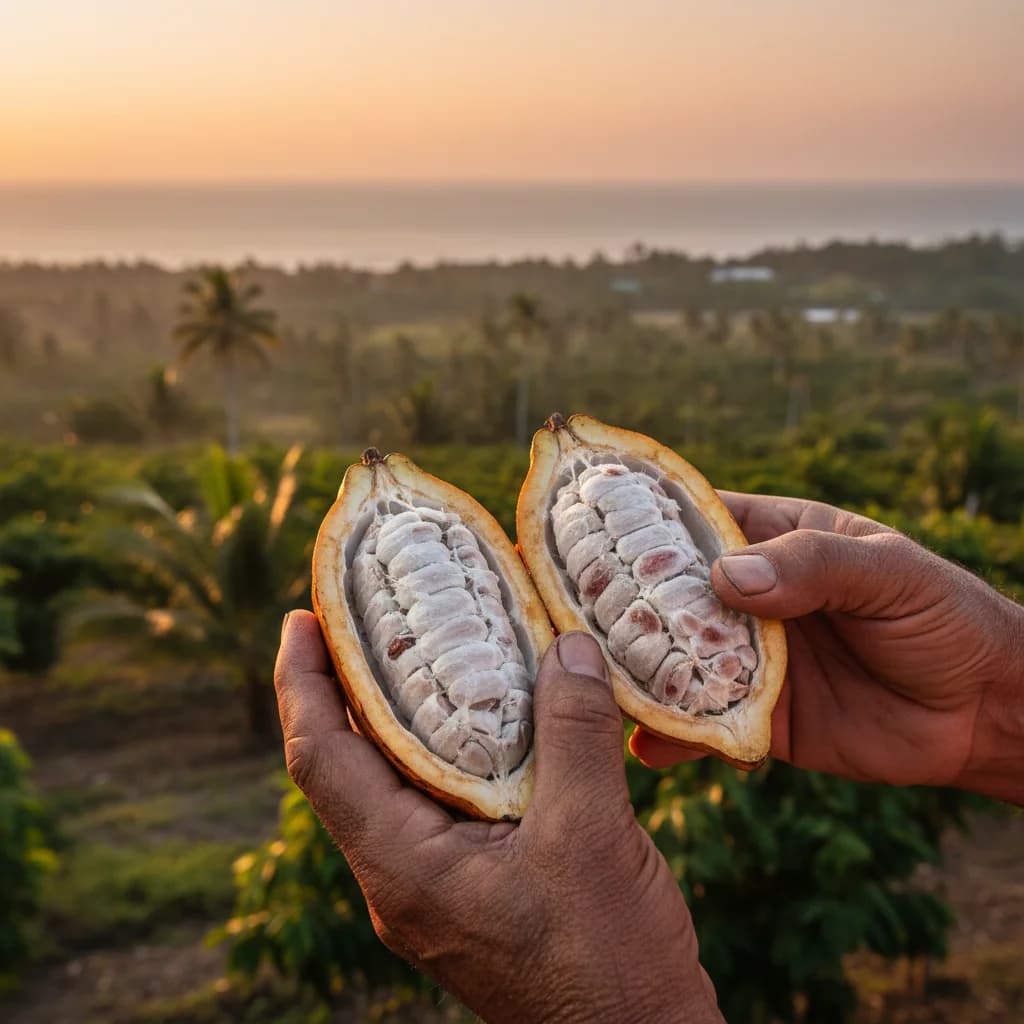
Ecuador is positioned to become the world's second-largest cocoa grower behind Cote d'Ivoire. Anecacao projects exports exceeding 623,000 metric tons in 2026, up from 375,720 MT in 2023. The country is targeting 800,000 MT by the end of the decade.
Ecuador and the United States signed a bilateral trade agreement on March 18 granting tariff-free access for 53% of Ecuador's non-oil exports, worth $2.786 billion. The deal covers 1,673 tariff subheadings including bananas, shrimp, cocoa, coffee, and flowers.
The United States and Ecuador formally signed their Agreement on Reciprocal Trade on March 13, 2026, cutting tariffs on 53% of non-oil exports worth $2.8 billion. Key sectors including bananas, shrimp, cocoa, coffee, and flowers get preferential access, while Ecuador eliminates its price band system on U.S. agricultural imports.
Ambassador Jamieson Greer and Ecuador's Trade Minister signed the Agreement on Reciprocal Trade on March 13, locking in zero tariffs on $2.8 billion in Ecuadorian exports and opening the door to cheaper American imports. If you buy wine, medicine, or electronics in Ecuador, pay attention.
Ecuador hiked tariffs on Colombian imports from 30% to 50% on March 1. Colombia retaliated on 280 Ecuadorian products at the same rate. If you buy medicine, processed food, or pesticides in Ecuador, you're already paying more.
The United States and Ecuador have concluded negotiations on a historic Agreement on Reciprocal Trade (ART) that eliminates the 15% surcharge on roughly half of Ecuador's non-petroleum exports — worth $3.2 billion annually. The deal shields Ecuadorian flowers, bananas, cacao, and seafood from the new 10% global US tariff.
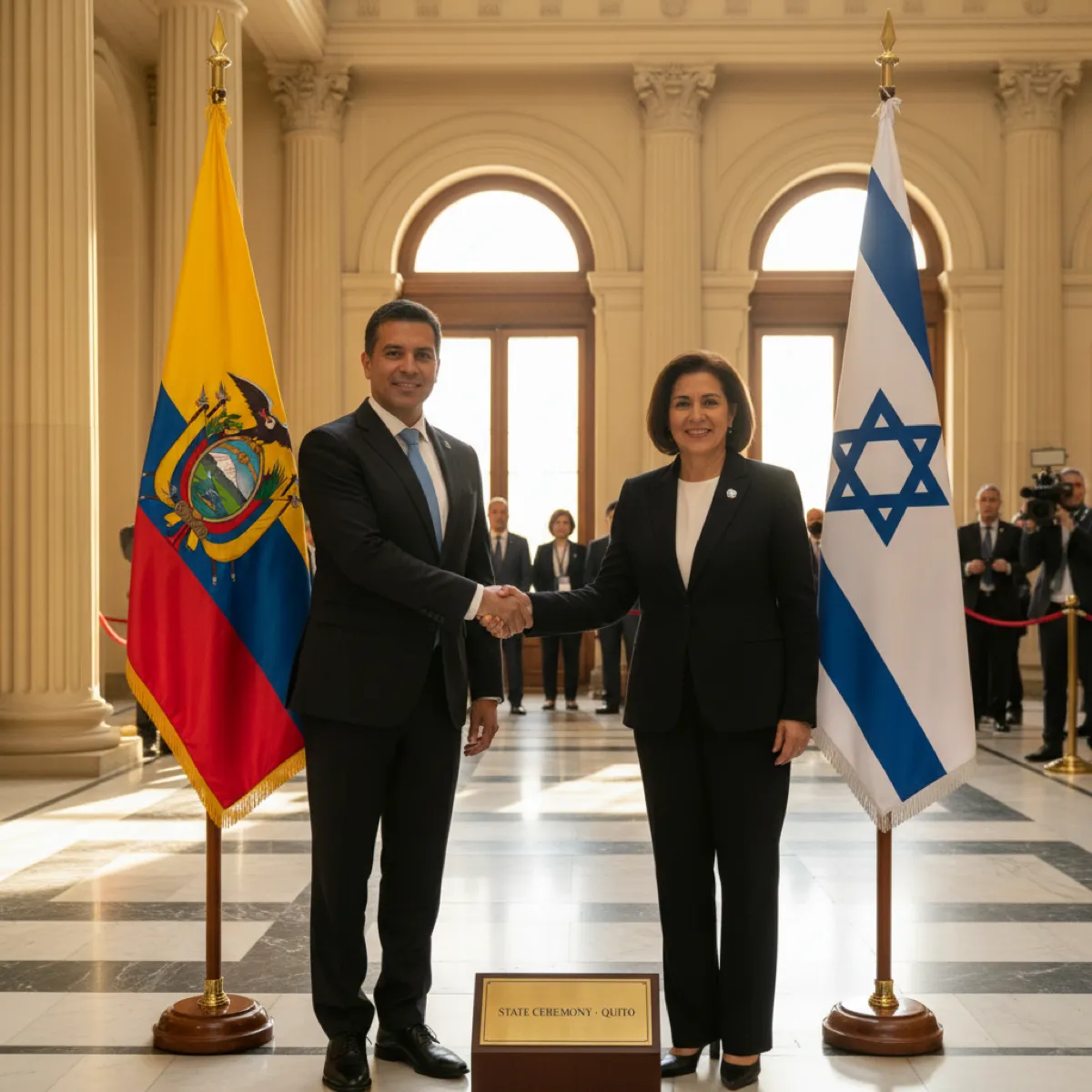
Israeli Foreign Minister Gideon Saar is visiting Ecuador as part of a broader Latin American diplomatic push, with negotiations beginning on a trade agreement and expanded security cooperation including surveillance technology and agricultural innovation.
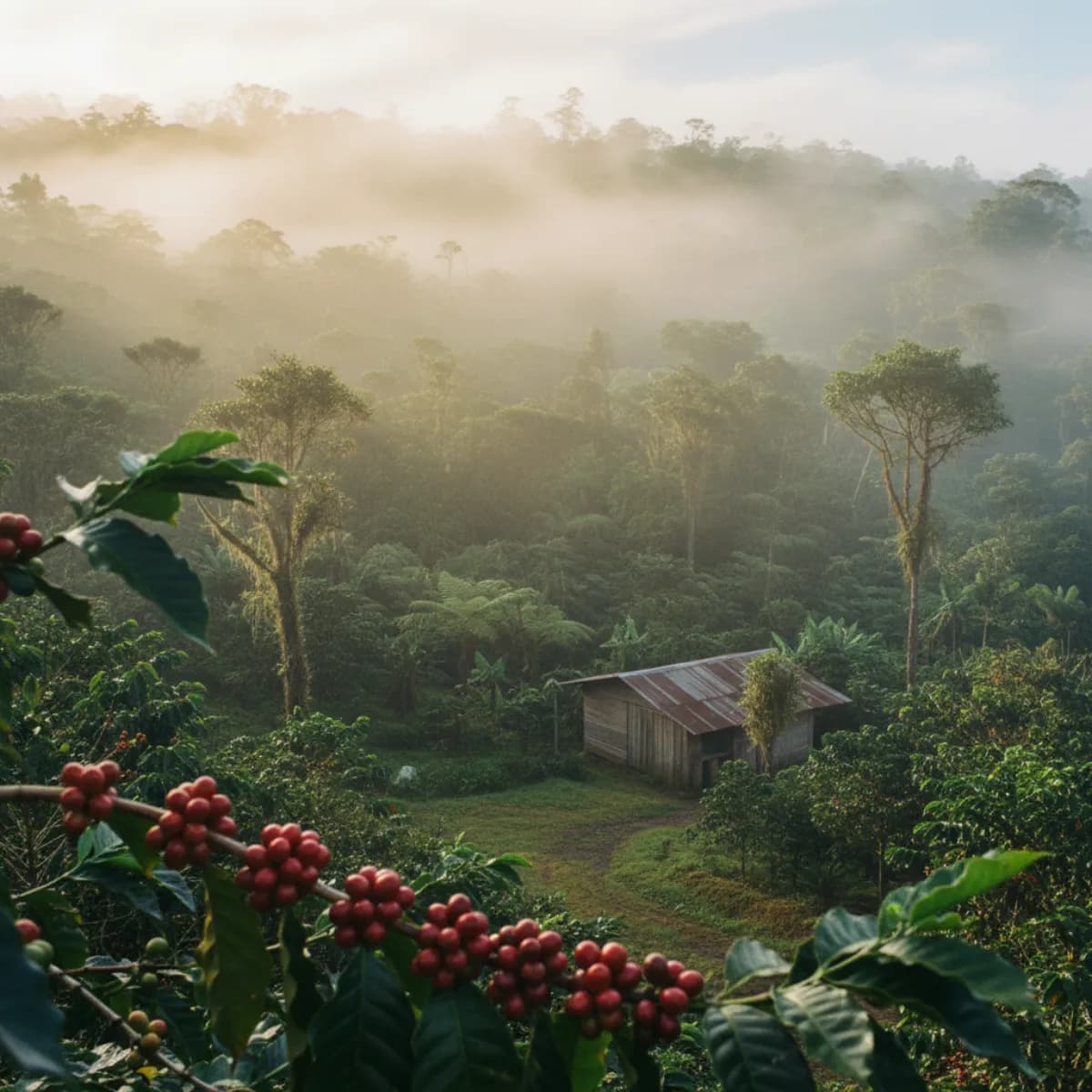
Coffee grown in Quito's UNESCO-designated Chocó Andino Biosphere Reserve is gaining international recognition and finding growing markets in Europe, adding another dimension to Ecuador's agricultural export story.
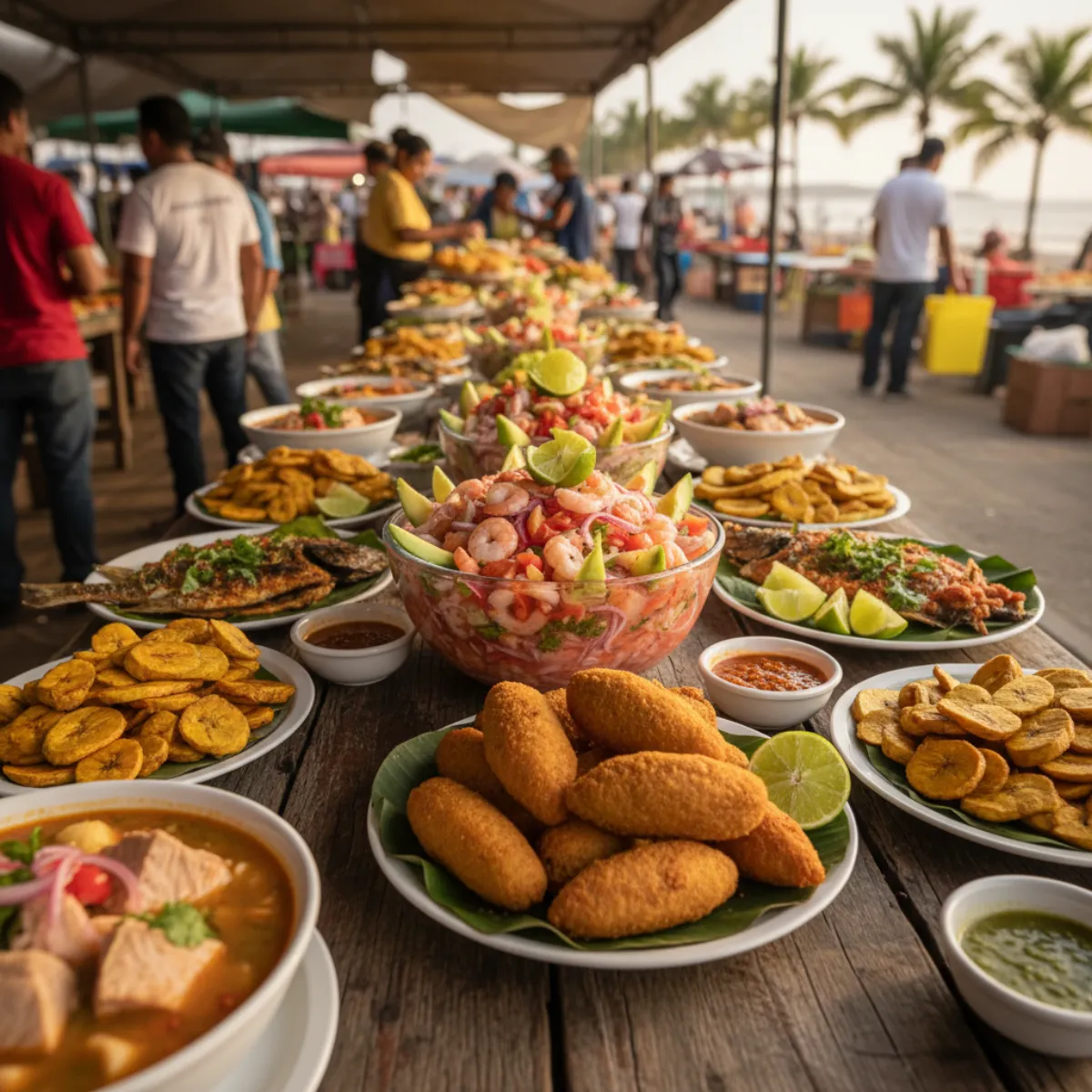
The International Institute of Gastronomy, Culture, Arts, and Tourism has awarded Ecuador's Manabí province the title of World Region of Gastronomy 2026 — the first in Latin America — recognizing its peanut-based culinary traditions, ceviches, and sustainable food culture.
International cacao prices have collapsed from a record $13,000 per ton in late 2024 to $3,581 in February 2026. Ecuadorian farmers now receive roughly $130 per quintal — down from $400 a year ago — squeezing margins in communities across the coast.