Daily coverage from across the country, written for the expat community
Results for “cocoa”Clear
Amid confusion over Ecuador's IVA reclassification, the SRI has clarified that 94 out of 115 basic basket food items remain at 0% IVA. Fresh milk, raw meats, unprocessed produce, rice, lentils, and legumes are all tax-free. 21 items have moved to 15%. Here is what stays exempt -- and what this means for your grocery budget.
Ecuador is positioned to become the world's second-largest cocoa grower behind Cote d'Ivoire. Anecacao projects exports exceeding 623,000 metric tons in 2026, up from 375,720 MT in 2023. The country is targeting 800,000 MT by the end of the decade.
Ecuador's Constitutional Court declared the SECA trade agreement with South Korea compliant on March 19. The deal grants tariff-free access for 98.8% of Ecuadorian products and covers investment, technology transfer, energy, and infrastructure cooperation.
Ecuador and the United States signed a bilateral trade agreement on March 18 granting tariff-free access for 53% of Ecuador's non-oil exports, worth $2.786 billion. The deal covers 1,673 tariff subheadings including bananas, shrimp, cocoa, coffee, and flowers.
Ecuador and Colombia have imposed 50% tariffs on each other's imports in an escalating trade war that puts $2.8 billion in bilateral trade at risk. Colombia has also suspended electricity exports and raised pipeline fees by 900%.
Ecuador's international reserves reached $11,940 million as of March 13, 2026 — the highest level in the country's history. In a dollarized economy, reserves directly back every dollar in circulation, making this a significant indicator of financial stability.
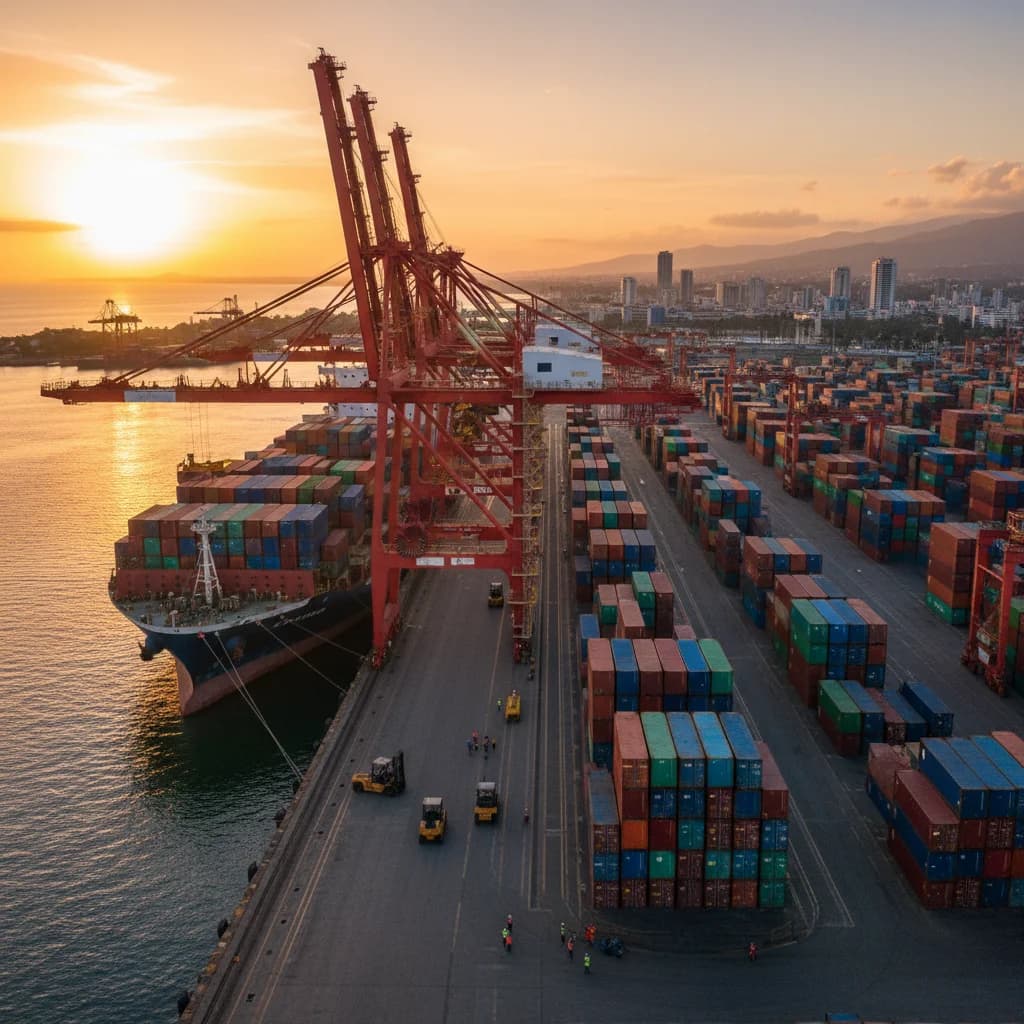
The United States and Ecuador formally signed their Agreement on Reciprocal Trade on March 13, 2026, cutting tariffs on 53% of non-oil exports worth $2.8 billion. Key sectors including bananas, shrimp, cocoa, coffee, and flowers get preferential access, while Ecuador eliminates its price band system on U.S. agricultural imports.
A new Human Rights Watch report reveals that Ecuador continues extracting 1.24 million barrels per month from Block 43 in Yasuní National Park — two and a half years after voters said stop, and one year after a court ordered it. The Tagaeri and Taromenane indigenous peoples remain unprotected.
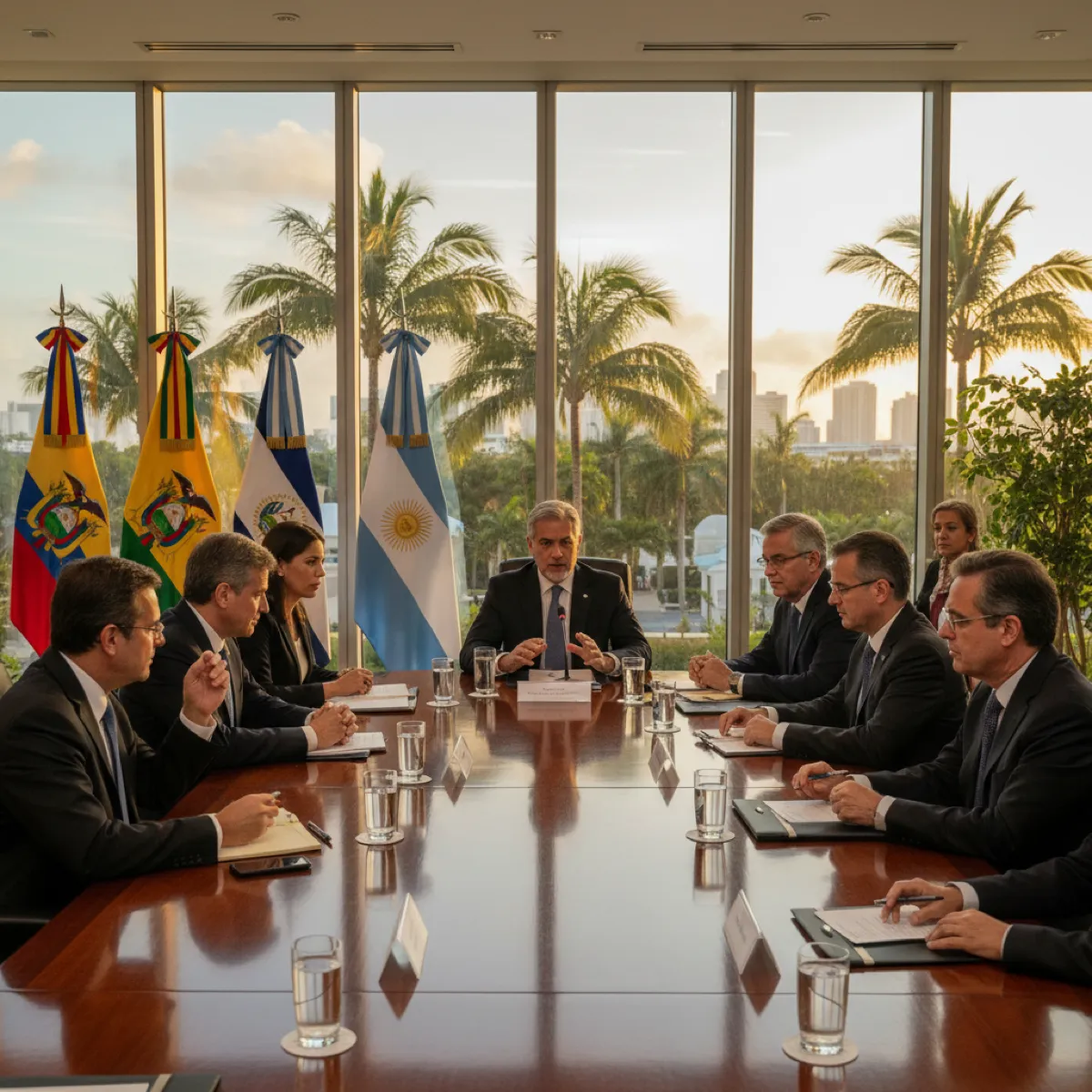
President Daniel Noboa will join five other Latin American leaders at a Trump-hosted summit in Miami on March 7, forming a regional bloc focused on countering China’s influence, boosting security cooperation, and expanding trade — with Ecuador’s new US deal as the centerpiece.
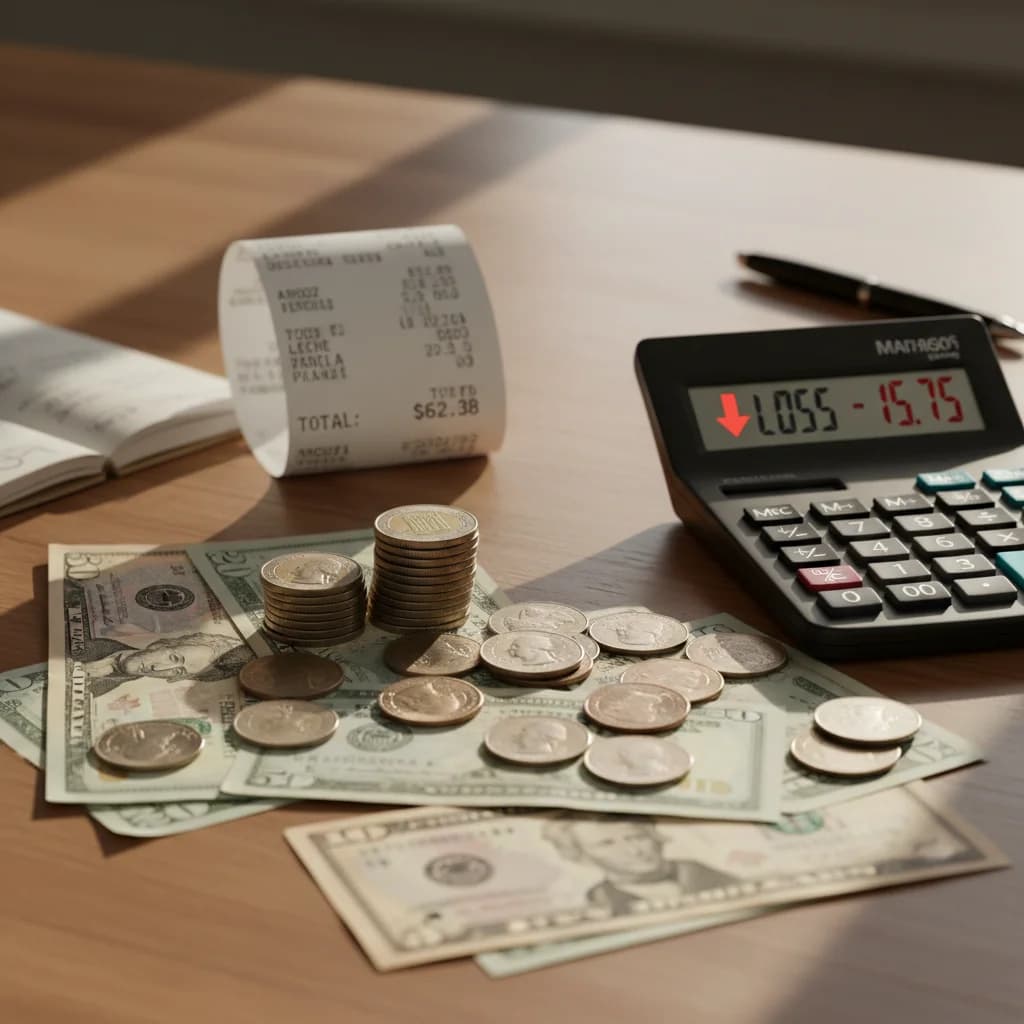
The U.S. dollar has lost ground against major currencies, creating a mixed bag for Ecuador's dollarized economy: exports become more competitive and tourism gets a boost, but import costs rise — and you'll feel it at the supermarket.
Fedexpor reports Ecuador’s non-petroleum, non-mining exports grew 16% to $25.2 billion in 2025. Shrimp led at $8.4 billion (+20%), cocoa surged 29% to $4.7 billion, and U.S.-bound exports jumped 30%. It’s the strongest diversification signal yet for the dollarized economy.
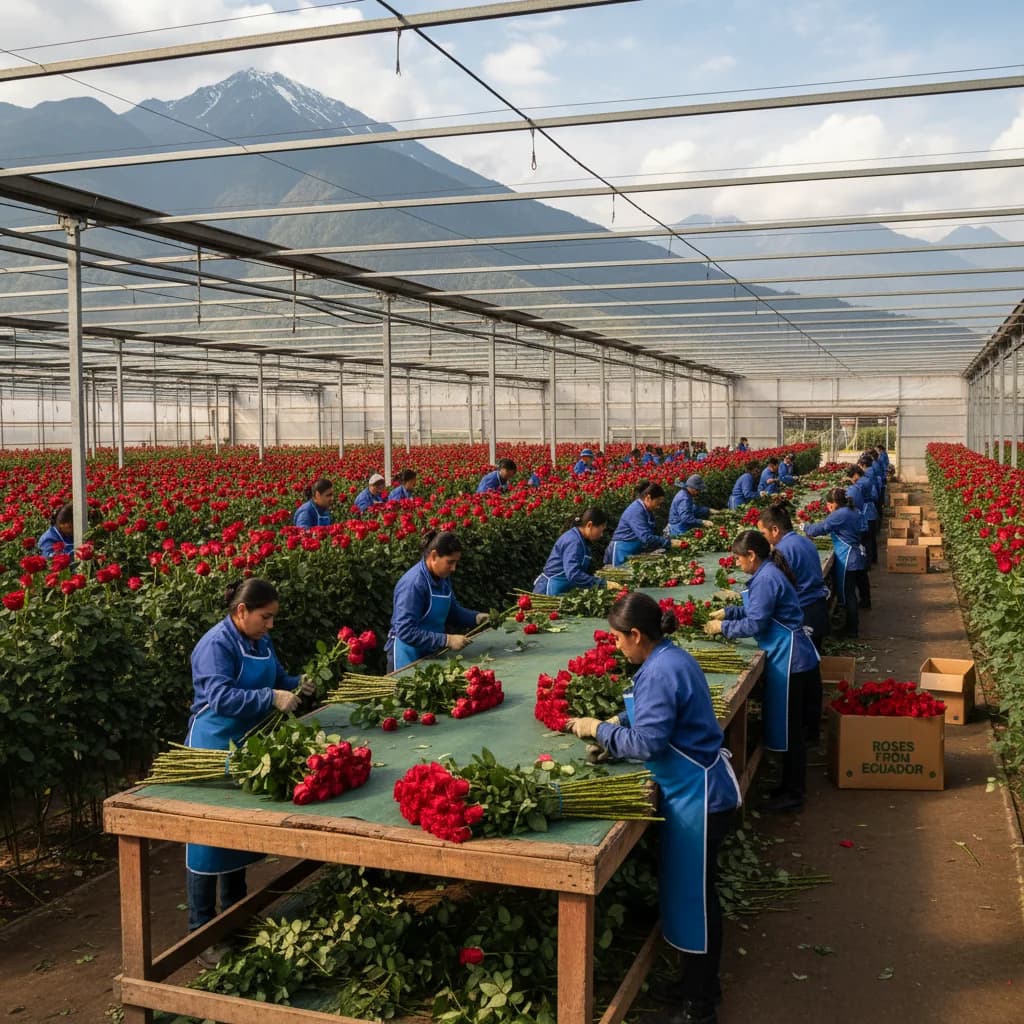
LATAM Cargo and Avianca transported over 40,000 tons of roses from Ecuador for Valentine’s Day 2026 — the country’s biggest annual flower export event. Ecuador is the world’s third-largest flower exporter, and February is the industry’s Super Bowl.