Daily coverage from across the country, written for the expat community
Results for “Peru”Clear
Ecuador’s e-commerce market exceeded USD 7 billion in 2025 as faster delivery, payment options, and marketplace logistics turned online buying into a permanent habit.
A magnitude 5.5 earthquake struck near Macara, Loja, at 01:35 on June 13. The quake was felt in Loja, Azuay and El Oro, but national risk officials had not reported injuries or significant structural damage by the close of the source report.
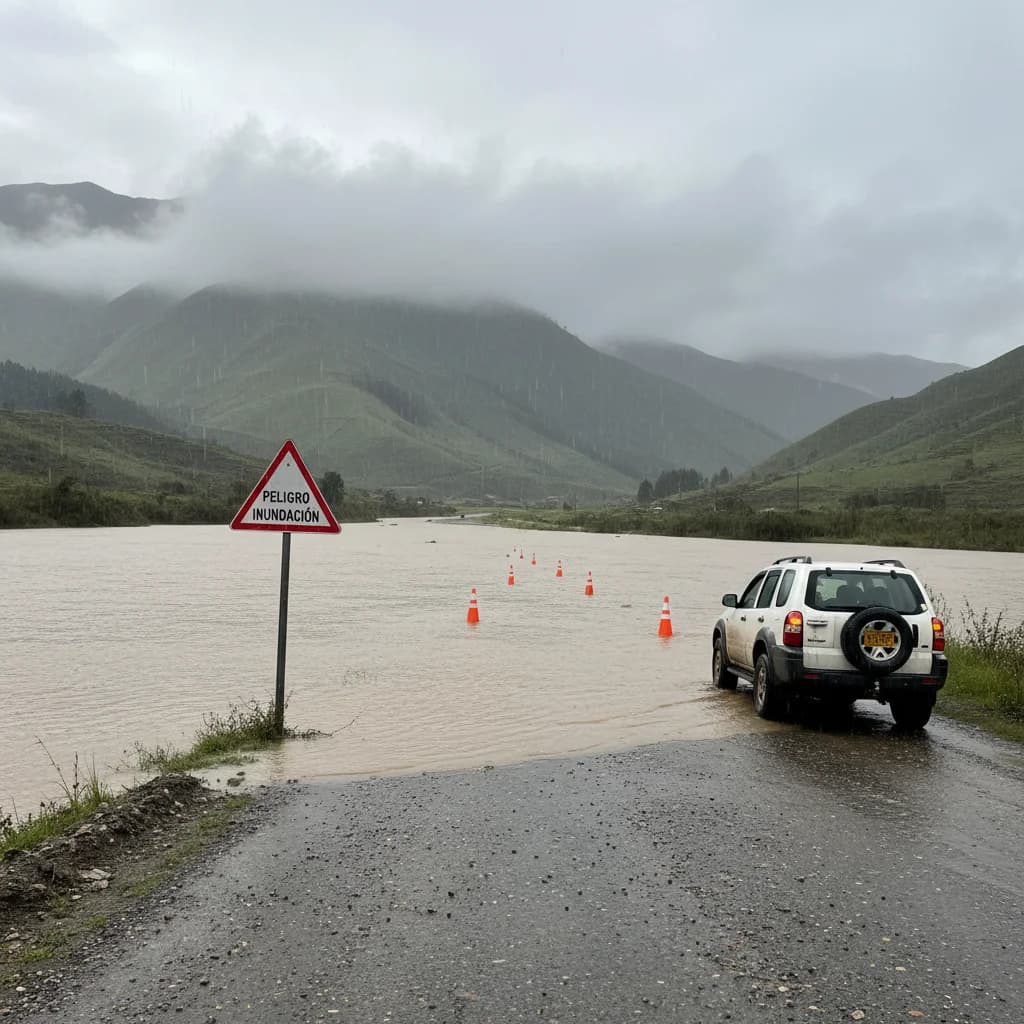
A heavy downpour on Thursday, June 11, flooded streets in Ibarra and Atuntaqui, with water rising above half a meter in some areas. In Cotacachi, farmers in Peribuela reported damaged corn and fruit crops after the storm and hail.
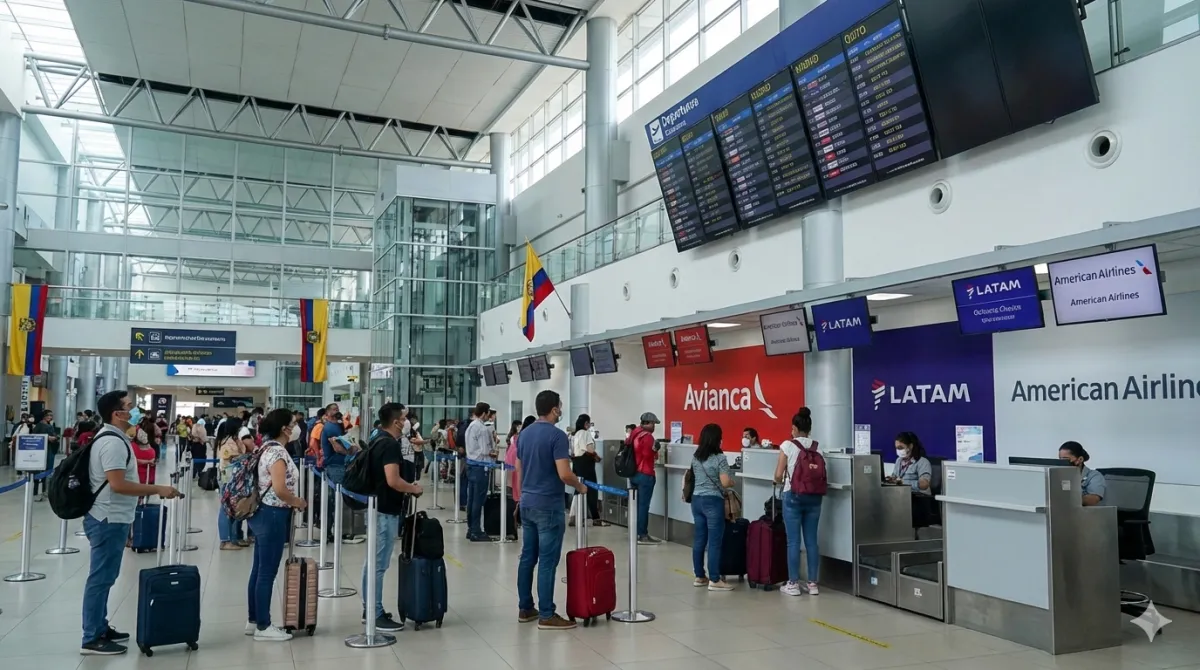
Travelers connecting through Lima’s Jorge Chávez airport must pay an $11.86 transfer fee called the TUUA. Ecuadorians using Lima for onward connections to South America, Asia and Europe are already feeling the extra cost.
Ecuador is pushing measles vaccination for children with delayed doses after regional cases increased. PAHO has recorded 20,332 confirmed cases in 16 countries and territories in the Americas, while Peru has more than 500 confirmed cases.
A strengthening coastal El Nino episode off Peru could reach Ecuadorian waters within two weeks. Ocean-monitoring indicators show Nino 1+2 approaching +3 C, while some sea-surface readings reached 6.4 C above average.
El Universo reports Ecuador's Health Ministry will run a national measles vaccination campaign on May 30 and 31 in all 24 provinces. Brigades will operate in high-traffic places including markets, bus terminals, airports, plazas, malls and outside schools.
El Mercurio reports 13,689 Ecuadorians obtained Spanish nationality in 2025. Ecuador led the country list for the fourth consecutive year, ahead of Venezuela, Morocco and Colombia.
Primicias reports BlaBlaCar has entered Ecuador as a carpooling platform, joining a transport-app market that already includes Uber, DiDi, inDrive, Clipp and Redi. The company says its platform operates in 21 countries.
El Universo reports that Quito has an INAMHI weather warning through 17:00 on Friday, May 29, with medium temperatures of 22-24 C and high levels of 25-27 C expected in parts of the metro district.
The militarization of Puerto Bolívar has surfaced the human cost: at least 300 families forcibly displaced, criminal group Los Lobos occupying up to 500 homes, and the terminal tied to 10.8 tons — 11.24% — of drugs seized nationally. Over 1,000 troops are searching 1,642 homes.
Armed forces, police, and intelligence services deployed to Puerto Bolívar in El Oro province for a major operation against criminal structures controlling the port. Defense Minister Loffredo says groups are using the port to ship drugs and extort fishermen.