Daily coverage from across the country, written for the expat community
Ecuador's tax authority is sending notifications to taxpayers with unfiled income tax declarations from previous years — some going back to 2019. Recipients have just 10 business days to respond, and the SRI's seven-year review window means old oversights can surface without warning.
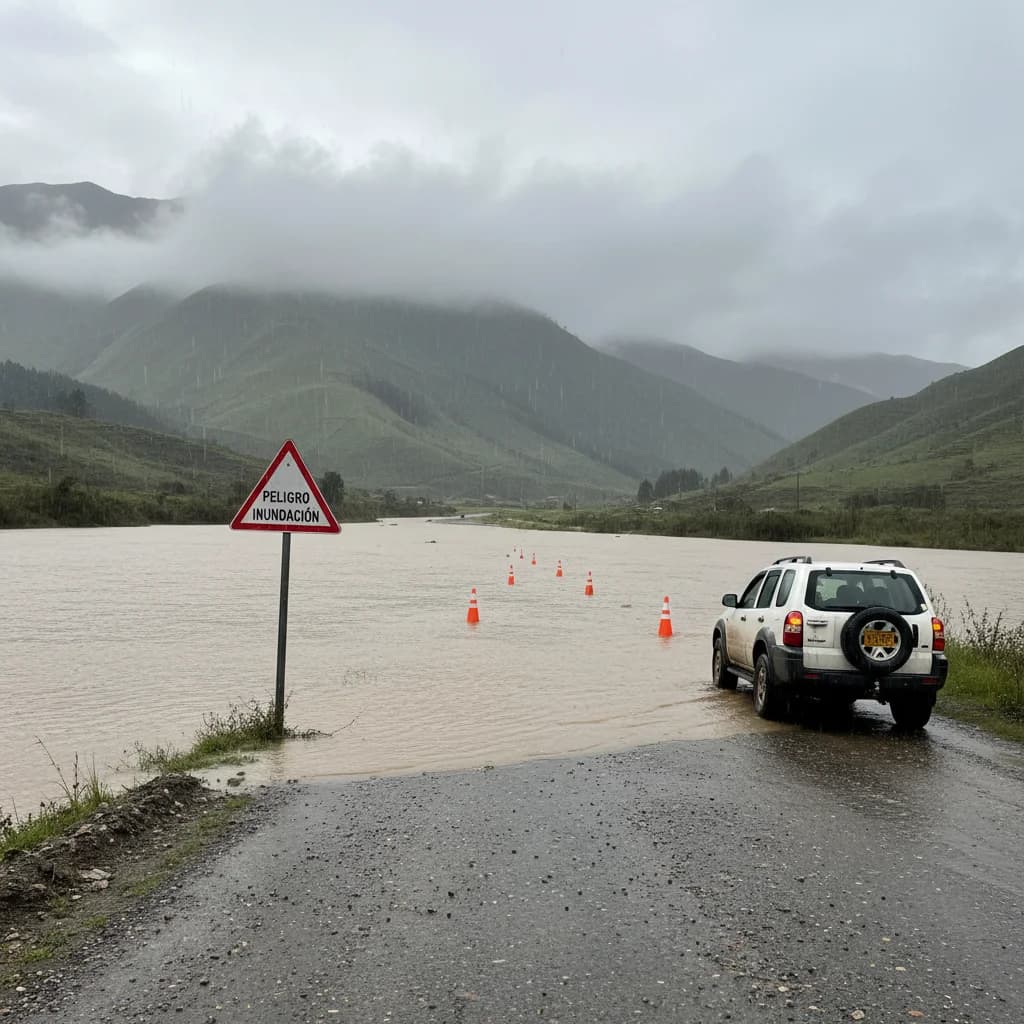
Everything expats need to know for the February 14-17 long weekend: tourism VAT drops from 15% to 8%, all bank branches close for four days, three highways are completely shut from landslides, domestic workers get double pay, and nearly 47,000 police officers are on the streets.
President Daniel Noboa has been invited to a Trump-hosted Latin American presidential summit on March 7 in Miami, aimed at countering Chinese influence in the region. The U.S. also highlighted Ecuador's mining potential and signed a critical minerals agreement.
An international arbitral tribunal adjusted Ecuador's compensation obligation to Chevron downward by $5.7 million, landing at $215 million. The decades-old Amazon environmental dispute continues to drain government coffers in a tight fiscal year.
During President Noboa's visit to the UAE, Petroecuador and Abu Dhabi National Oil Company signed a memorandum of understanding for direct crude oil trade and refined product imports — cutting out intermediary traders.
The U.S. dollar has lost ground against major currencies, creating a mixed bag for Ecuador's dollarized economy: exports become more competitive and tourism gets a boost, but import costs rise — and you'll feel it at the supermarket.
What started as a tariff dispute has spiraled into a full trade war between neighbors. Ecuador slapped 30% duties on Colombian imports; Colombia responded by suspending electricity sales and threatening counter-tariffs on 23 Ecuadorian products. The pipeline tariff jumped from $3 to $30 per barrel.
Ecuador’s risk management agency raised alert levels nationwide as the rainy season intensifies. Pichincha (home to Quito), Esmeraldas, and Los Ríos are at the highest level. Sixteen more provinces — including Azuay, Guayas, and Loja — sit at orange alert heading into Carnival weekend.
Fedexpor reports Ecuador’s non-petroleum, non-mining exports grew 16% to $25.2 billion in 2025. Shrimp led at $8.4 billion (+20%), cocoa surged 29% to $4.7 billion, and U.S.-bound exports jumped 30%. It’s the strongest diversification signal yet for the dollarized economy.
Ecuador’s monthly fuel price band adjusted at midnight. Extra and Ecopaís gasoline rose to $2.76/gallon, Súper Premium dropped to $3.19, and diesel barely moved at $2.70. The new prices hold through March 11.
The ACLED Conflict Watchlist 2026 ranks Ecuador among the planet’s most dangerous nations. Over 3,600 people died from organized crime violence in 2025 — a 42% increase — and 71% of the population was exposed to criminal violence, the highest rate in Latin America.
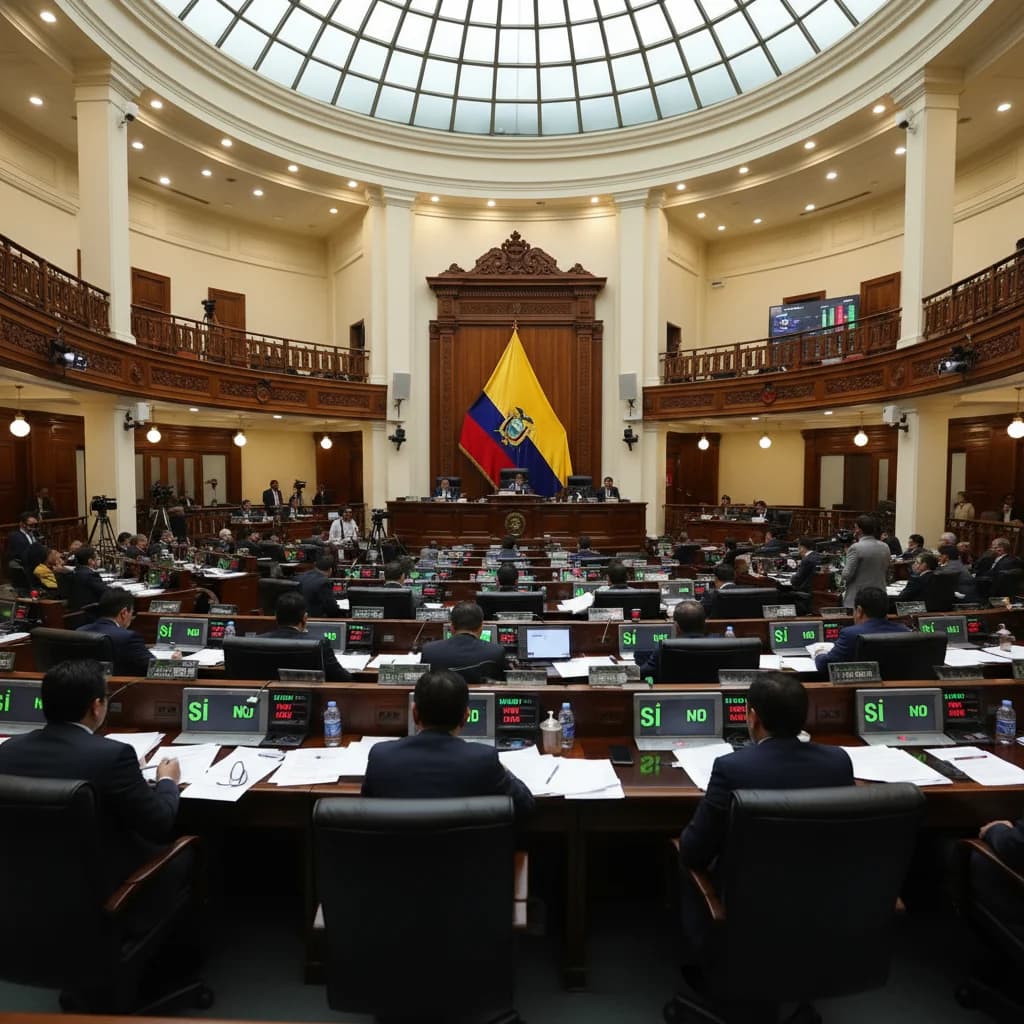
The National Assembly approved the Organic Law for Strengthening Cybersecurity with 82 votes. The law requires mandatory cybersecurity education in schools, establishes incident reporting obligations for organizations, and aligns Ecuador with international standards like ISO 27000 and the Budapest Convention.