Daily coverage from across the country, written for the expat community
An explosive attack damaged the Arcom building in central Machala on the night of June 12. The Environment and Energy Ministry said no injuries were reported and linked the attack to retaliation after 88 illegal-mining operations in El Oro.
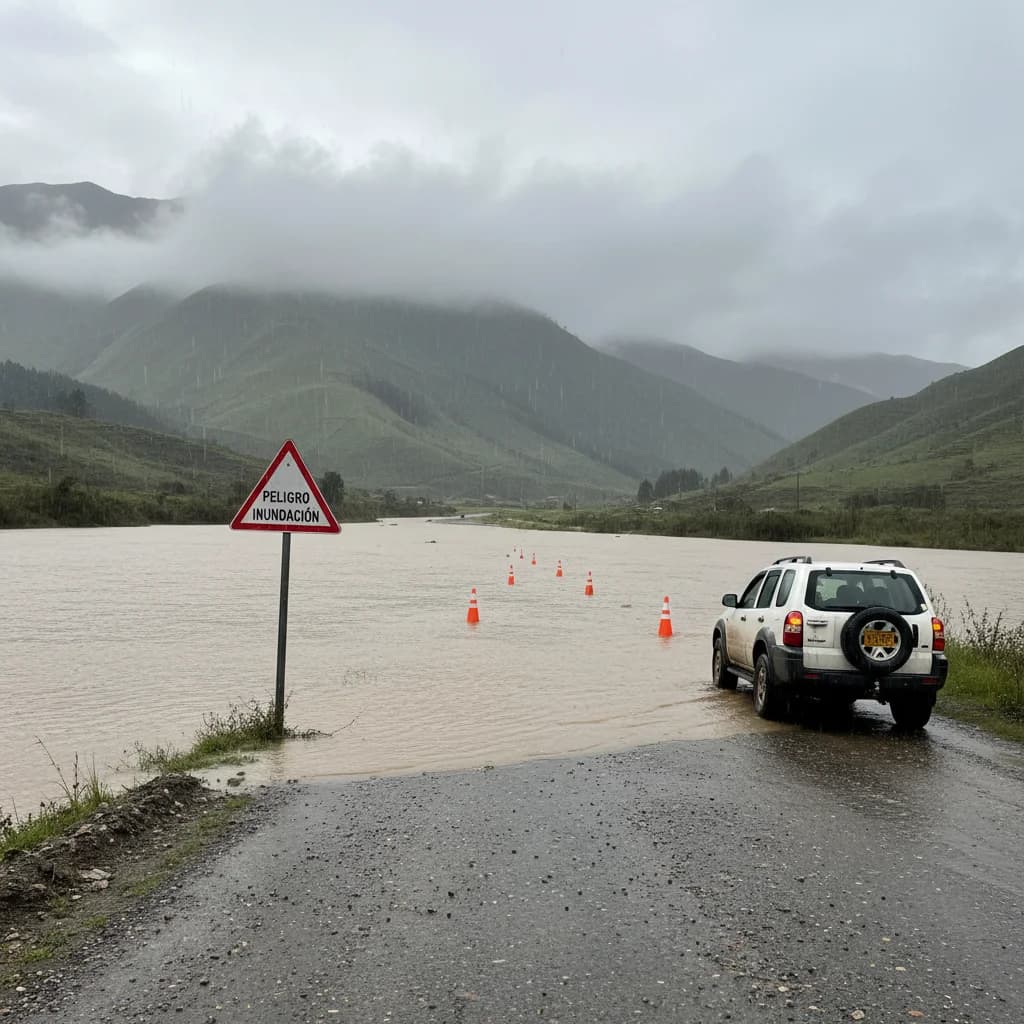
A heavy downpour on Thursday, June 11, flooded streets in Ibarra and Atuntaqui, with water rising above half a meter in some areas. In Cotacachi, farmers in Peribuela reported damaged corn and fruit crops after the storm and hail.
Guayaquil recorded 300 road deaths in 2025, a 15% increase from 2024, and 75% of those killed were pedestrians or motorcyclists. ATM data also tied 208 of the 300 deaths to speeding-related incidents.
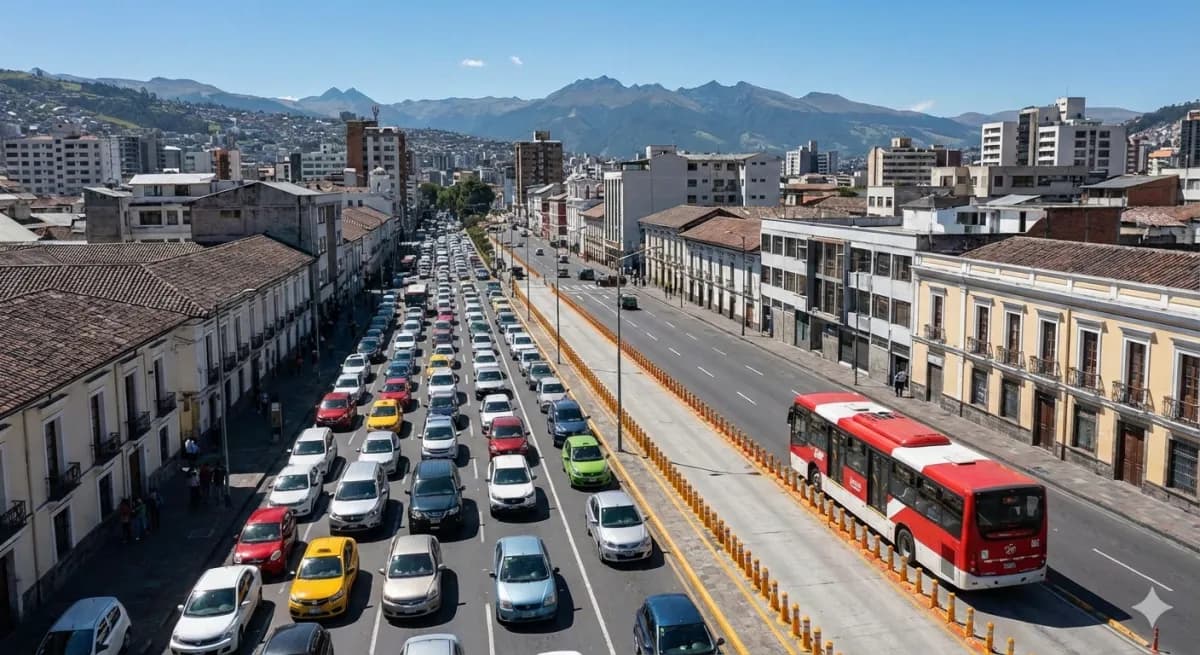
Quito drivers can request compensation when a vehicle is damaged by potholes or municipal work, using an EPMMOP process that requires photos, a traffic report and repair documentation. The city’s pothole damage is estimated at $20 million to $30 million a year.
Ecuador added 10 substances to its controlled list after warnings about synthetic-drug risks and abuse potential. The change also comes with a plan to create 24 provincial committees to coordinate drug policy in the territories.
Weather officials say Ecuador's recent intense rains should begin easing nationally from Thursday, with the Coast seeing reduced intensity and the Sierra seeing more solar radiation. Guayaquil recorded 90-100 millimeters of rain in two days, roughly double the normal amount for the month.
Ecuador is pushing measles vaccination for children with delayed doses after regional cases increased. PAHO has recorded 20,332 confirmed cases in 16 countries and territories in the Americas, while Peru has more than 500 confirmed cases.
Risk officials are monitoring high-energy waves arriving from the southwest Pacific toward Ecuador's continental and island coasts. Waves are exceeding 2.5 to 3 meters, with impacts in Santa Elena and Galapagos.
Guayaquil saw flooding for the second consecutive day after intense rain affected northern, central and southern sectors. Critical points included Sauces, Samanes, Las Orquideas, Bastion and Via Perimetral.
Quito remains under a rain and storm alert from 17:00 on June 7 until 10:00 on June 10. Municipal monitoring is focused on areas at risk of flooding and landslides, including sectors in Calderon, Quitumbe, Tumbaco and Los Chillos.
Primicias reports INAMHI meteorological warning 41 forecasts high-intensity rain from the afternoon of June 2 through June 5. The Amazon, north Coast and northern Sierra are the main areas to watch.
El Universo reports intense rain on June 1 caused water accumulation in several sectors of Santo Domingo de los Colorados. The report cited flooded streets, affected homes and businesses, stalled vehicles, and an activated municipal response team.