Daily coverage from across the country, written for the expat community
Overnight storms collapsed a hillside in Quito's La Bota neighborhood, damaged multiple homes, and interrupted water service. No fatalities were reported, but the incident underscores rainy-season risks in the capital's hillside neighborhoods.
A man was shot dead by hitmen Friday morning in Manta's Ceibo Renacer sector, bringing the body count to 66 in 44 days. A separate massacre in Santa Ana marked the third mass-killing event in Manabí province this year.
Rural roads around Vilcabamba are choked with mud, drainage systems are blocked, and students in Chaguarpamba can't get to school. But there's a silver lining: the government just announced $48 million for Loja road rehabilitation, including the critical Loja-Malacatos-Vilcabamba corridor.
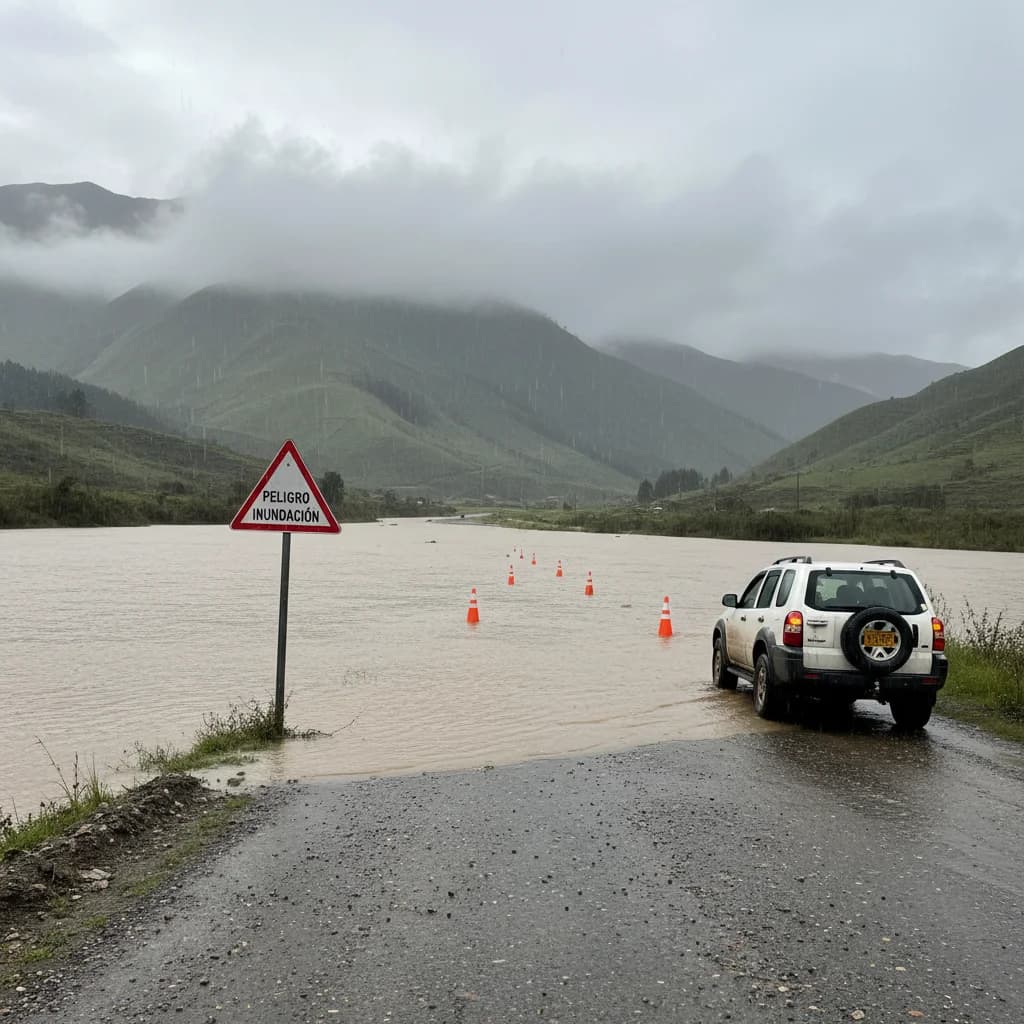
Ecuador’s risk management agency raised alert levels nationwide as the rainy season intensifies. Pichincha (home to Quito), Esmeraldas, and Los Ríos are at the highest level. Sixteen more provinces — including Azuay, Guayas, and Loja — sit at orange alert heading into Carnival weekend.
The ACLED Conflict Watchlist 2026 ranks Ecuador among the planet’s most dangerous nations. Over 3,600 people died from organized crime violence in 2025 — a 42% increase — and 71% of the population was exposed to criminal violence, the highest rate in Latin America.
Ecuador’s TB crisis went from bad to alarming in 2025. Deaths jumped 127%, confirmed cases rose 67% to 9,142, and health experts warn this is no longer just a prison problem — community transmission is driving the surge.
Heavy rains have inundated 700 hectares of farmland in Guayas province, putting approximately 38,000 agricultural producers at risk. Rice, corn, and cacao crops are the most affected as the rainy season intensifies heading into Carnival weekend.
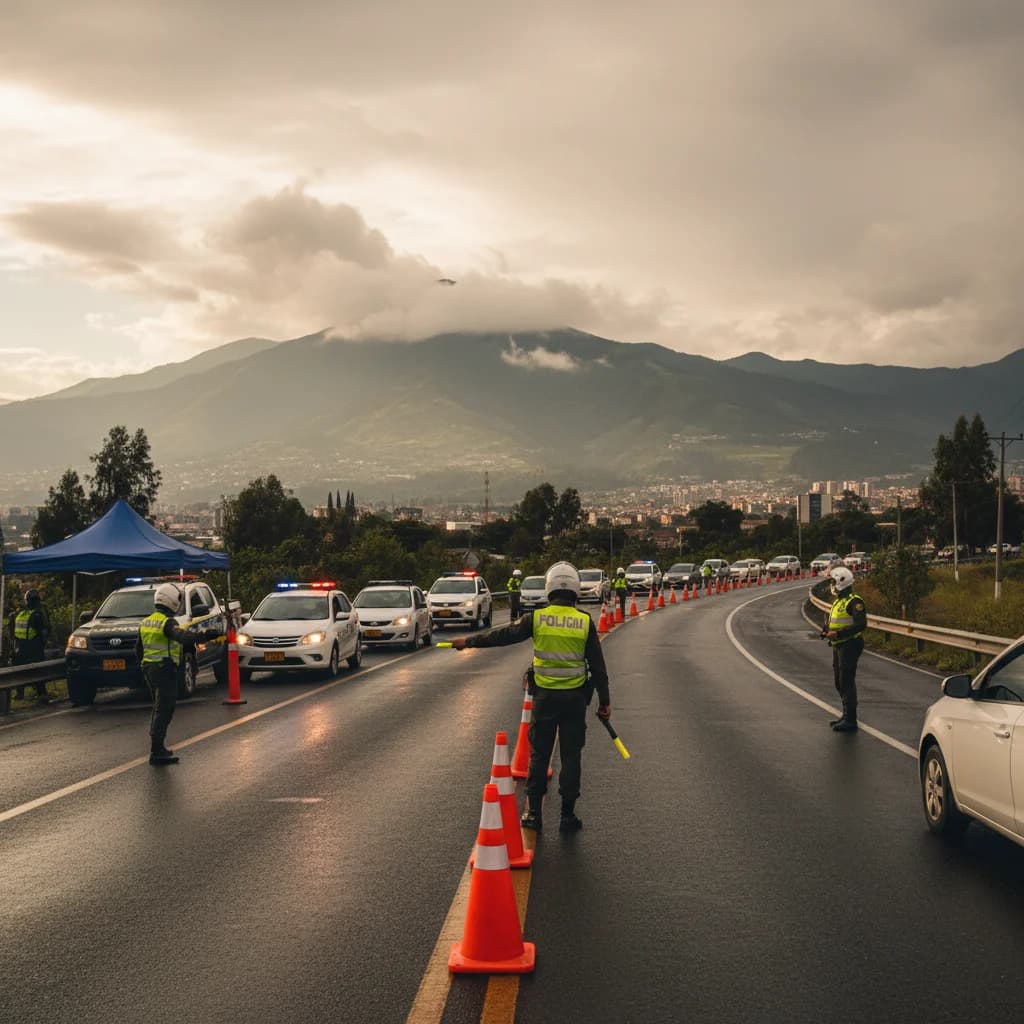
The Metropolitan Traffic Agency will blanket Quito with 711 officers, 36 control points on major highways, and monitoring at 63 high-traffic locations from February 13-17. Drunk driving operations, terminal coverage, and restrictions on ‘chivas’ party buses are all in effect.
Vice President María José Pinto launched Ecuador's 2026 National Dengue Plan and Gran Minga Comunitaria, targeting 1,532 critical sectors across seven provinces that accounted for 40% of last year's cases. Rainy season interventions begin immediately in Esmeraldas, Guayas, Santa Elena, Manabí, El Oro, Napo, and Pastaza.
Ecuador's health regulator ARCSA ordered the preventive withdrawal of 34 lots of Alula Gold Premium infant formula after an international alert flagged possible contamination with cereulide, a bacterial toxin that causes digestive illness. No health effects have been reported in Ecuador.
Gunmen opened fire at the artisanal fishing pier in San Vicente, Manabí, on February 9, killing at least four fishermen and injuring one. The attack occurred in a canton under an active state of emergency and raises fresh concerns about safety in Ecuador's coastal beach towns.
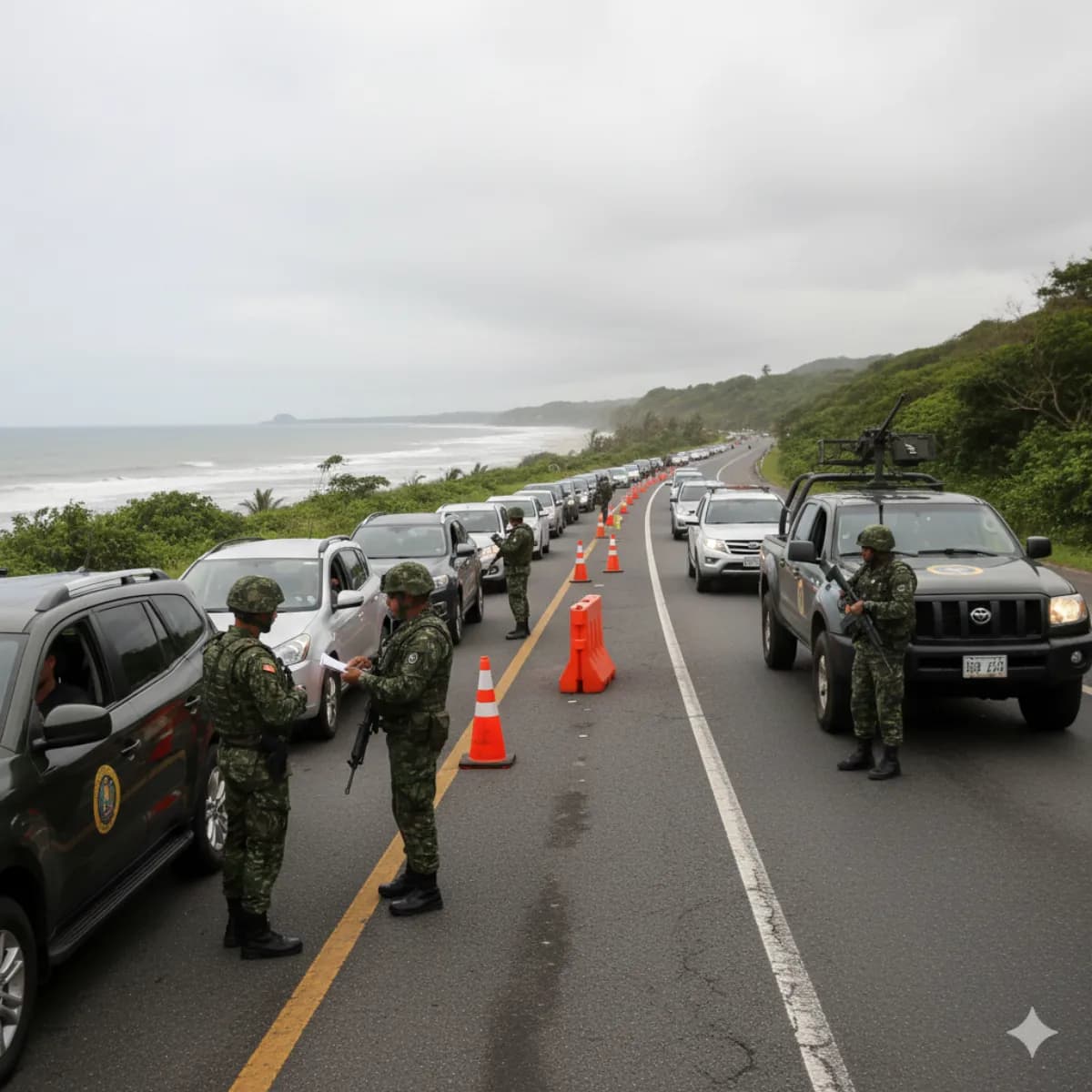
President Noboa declared a fresh state of emergency on January 2 covering nine provinces and three municipalities after a mass shooting in Manta. Military operations target Los Lobos, Los Choneros, and Los Tiguerones. Here's what it means for daily life.