Daily coverage from across the country, written for the expat community
Results for “violence”Clear
Ecuador recorded 3,485 violent deaths from January through May 2026, while Quito’s recent alerts have centered more on explosives, intimidation, and microtrafficking.
A new report on digital recruitment describes how criminal groups use social media, narcoculture symbols and algorithmic engagement to pull minors toward illegal activity. The warning comes as adolescent arrests and violent deaths among minors remain a major national concern.
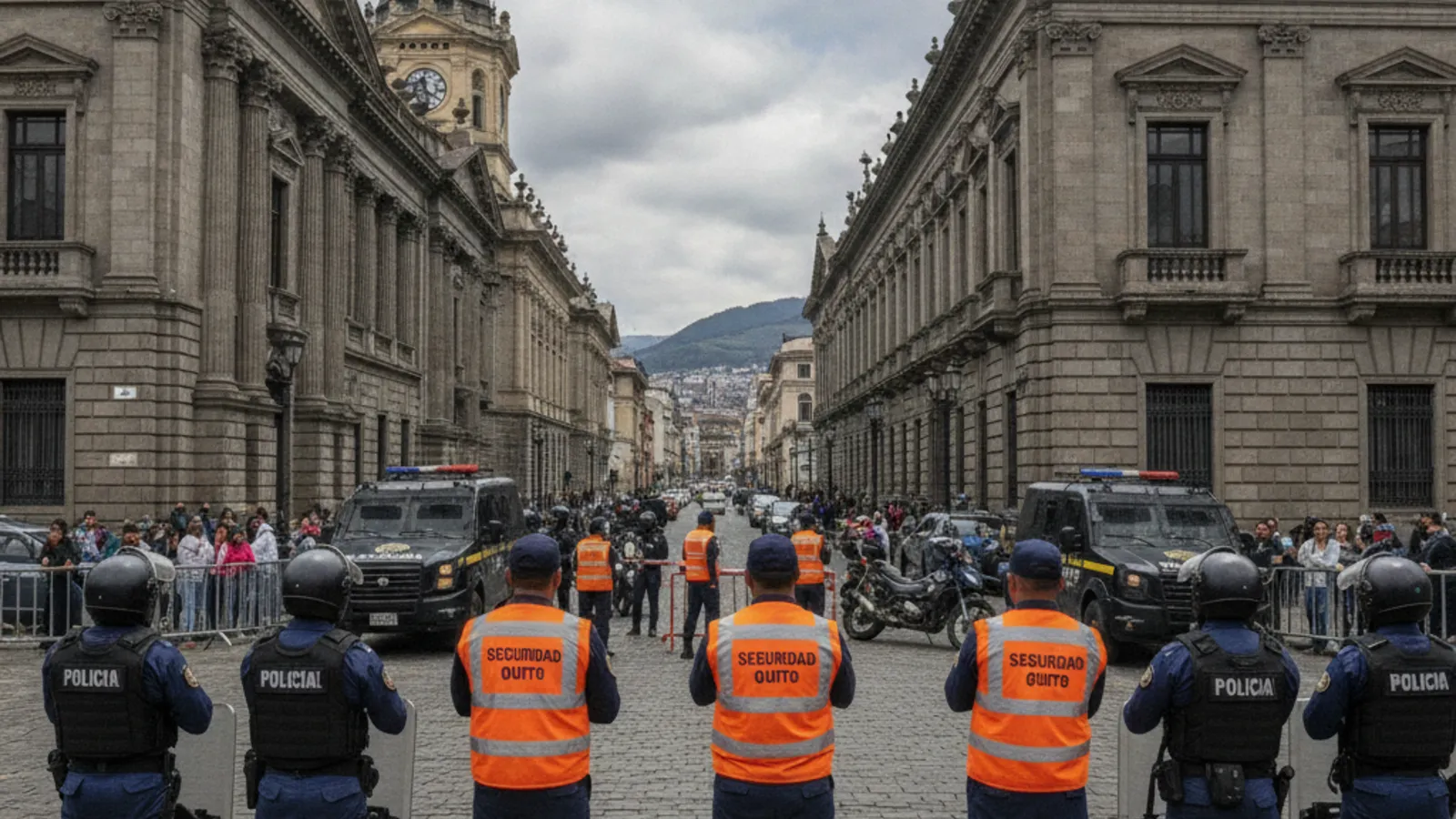
President Daniel Noboa issued Executive Decree 424 on June 18, opening a path for allied foreign military personnel to support Ecuador’s security operations. Officials say foreign troops are not expected immediately, while 13,000 Ecuadorian military personnel are being deployed to Guayas, Manabí, El Oro and Los Ríos.
La Hora reports that Ecuador recorded 262 massacre events in 2025 and 94 more in the first quarter of 2026, citing the Observatorio Ecuatoriano de Crimen Organizado.
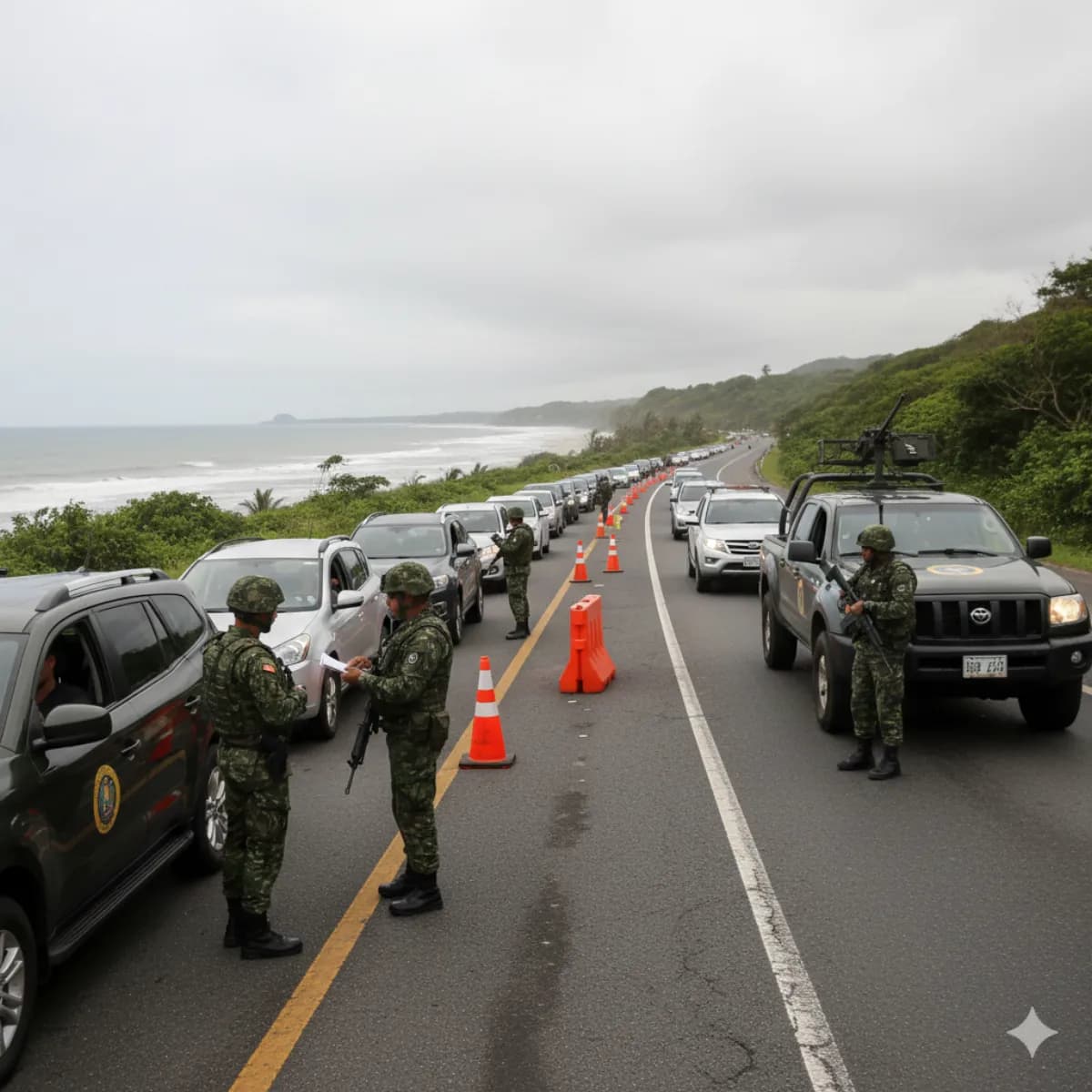
The militarization of Puerto Bolívar has surfaced the human cost: at least 300 families forcibly displaced, criminal group Los Lobos occupying up to 500 homes, and the terminal tied to 10.8 tons — 11.24% — of drugs seized nationally. Over 1,000 troops are searching 1,642 homes.
Interior Minister John Reimberg confirmed today that the nationwide nighttime curfew will end as scheduled on May 18. Operations during the curfew so far have produced over 2,000 detentions, 331 weapons seized, and nearly 500 people linked to criminal organizations.
President Noboa meets VP Vance this week to discuss security, migration, and trade. Ecuador is also seeking a civilian nuclear energy agreement with the US — a first.
Ecuador's May 3-18 curfew now covers 105 cantons across 9 provinces and 4 jurisdictions — including 17 cantons that have recorded zero homicides in all of 2026. Interior Minister Reimberg: no exceptions. Here's the updated list and what it means.
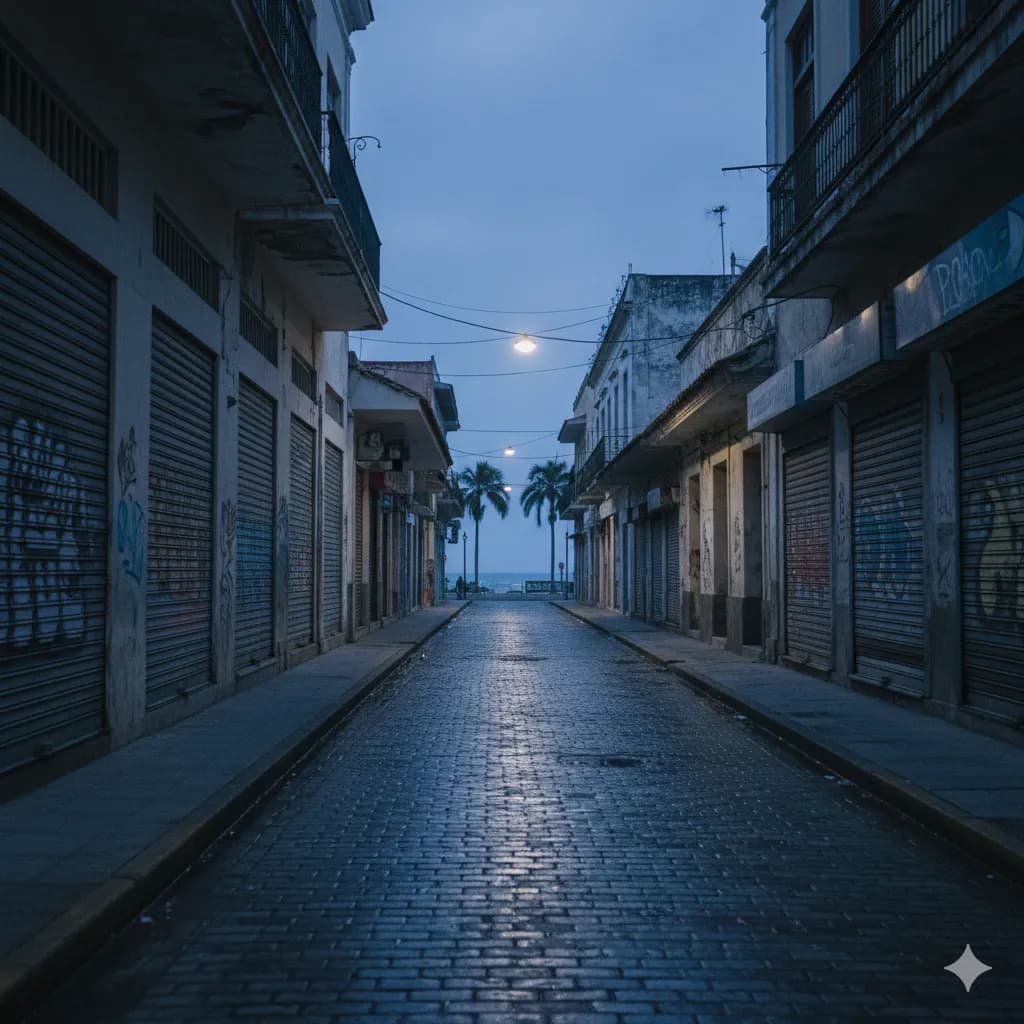
Two armed attacks in fewer than 15 days have shaken Salinas — Ecuador's best-known beach resort. Seven people were wounded in the Sunday attack on the malecón, and the canton has now recorded 13 homicides so far in 2026, two of them along the waterfront. Governor Xavier Negrete says he has formally notified Interior Minister John Reimberg. Here's what's known.
Ecuador's national hotel occupancy reached 40.3% in the most recent reporting period, up 3.6 percentage points year-over-year. The recovery is real but modest — pre-pandemic occupancy averaged 50-55% nationally. Coastal and Galápagos properties are leading the rebound.
President Noboa signed Decreto 353 on April 2, declaring a 60-day state of exception across nine provinces and four cantons. Warrantless searches are now legal in affected areas, though no curfew has been imposed. Expats in Pichincha, Guayas, Manabi, and other covered provinces should understand what rights have been suspended.
Ecuador's Interior Ministry reports a 28% decline in homicides for March 2026, alongside 4,300 arrests and 2,200 warrants executed. The numbers represent real progress, but the baseline is staggering: 2025 saw 9,216 homicides, making Ecuador one of the deadliest countries in Latin America.